
The GRASSI Museum of Ethnology in Leipzig houses a collection of around 220,000 pieces ranging from ancient to modern times that embody the lives of people in countless countries around the world. Some of the stories told here date back to Korea’s distant past, which is pieced together through 2,100 artifacts. In the collection, one well-suited to enriching the mind is the painted folding-screen “Banquet of General Guo Ziyi.”
This painting depicts the blessed life of Guo Ziyi (also called Guo Fenyang), a renowned general and bureaucrat from the Tang dynasty of China, who fathered many children and grandchildren amid wealth and glory. Portrayals of Guo Ziyi in China have tended to highlight his loyal service to the empire, but on the Korean Peninsula, the focus appears to have been on his career advancement, his prosperous offspring and his wealth and longevity—in short, his happy life. As such, folding screens depicting Guo’s story became fashionable in the nineteenth century and were produced in sizes ranging from six to twelve panels. These screens were widely displayed both in royal palaces and private residences throughout the country.
To experience this narrative firsthand, visitors’ eyes are drawn to the eight vertical panels of this folding screen, which portray a spacious, gorgeously adorned palace. The scene is divided into three sections. The three panels on the right focus on the women’s quarters, featuring colorful household implements under flowering trees, women engaged in pleasant conversation in a pavilion and children frolicking on the lawn.
In the middle panels, the mood grows more exuberant. A dancing woman in the foreground is surrounded by a group of onlookers—presumably the retainers or family members of the host. All in attendance have smiles on their faces. Above the dancer, a man can be seen sitting on a huge sunshade, dandling a child on each knee and contentedly observing the festivities. Behind him, attendants wave fans to waft a gentle breeze.
Shifting one’s gaze to the left, a different area comes into view: a picturesque pond and buildings where merrymakers have slipped away from the crowd for a quiet game of Go. The mysterious landscape and the flora and fauna visible here produce a tranquil mood distinct from the banquet and the women’s quarters. The meticulously rendered facial expressions of the figures here and the flowing lines of the landscape seem to transport the viewer to another world.
As the eye lingers on each figure and element on the sprawling canvas, the viewer is drawn into the narrative by the fine landscape, vivid colors and exquisite interplay of light and shadow. With enough time, it even seems possible to read the elderly general’s mind. A life free of worry about health, wealth or children—what is true abundance if not that? Koreans of the time often displayed such folding screens at weddings, with the hope that they too might savor such a future. Centuries later, what life do Koreans envision for themselves? This calming painting invites those viewing it to reflect upon the future.
It was a circuitous journey that brought this folding screen to its current location. In 1902, the museum acquired the work from a German art dealer named Sänger, who had purchased it from a Japanese merchant. The panels on the eight panels were cut from warped wooden frames, resulting in the loss of portions of the first and eighth panels. The paintings also suffered from paint flaking and surface dirt.
But after 15 months of restoration work in collaboration with Korean experts that began in 2022, the piece was restored to its former glory. Deteriorated silk sections were replaced with aged silk, and the eight panels were reassembled into a single screen. Silk with traditional patterns and backing paper in Korea’s classical Hanji (traditional Korean paper) style was used to bring the painting close to its original form, and the folding screen was unveiled to the public in 2024. This work presents visitors with an ideal of happiness that remains as relevant today as it was centuries ago.
Painted Worlds, Panel by Panel
GRASSI Museum of Ethnology in Leipzig
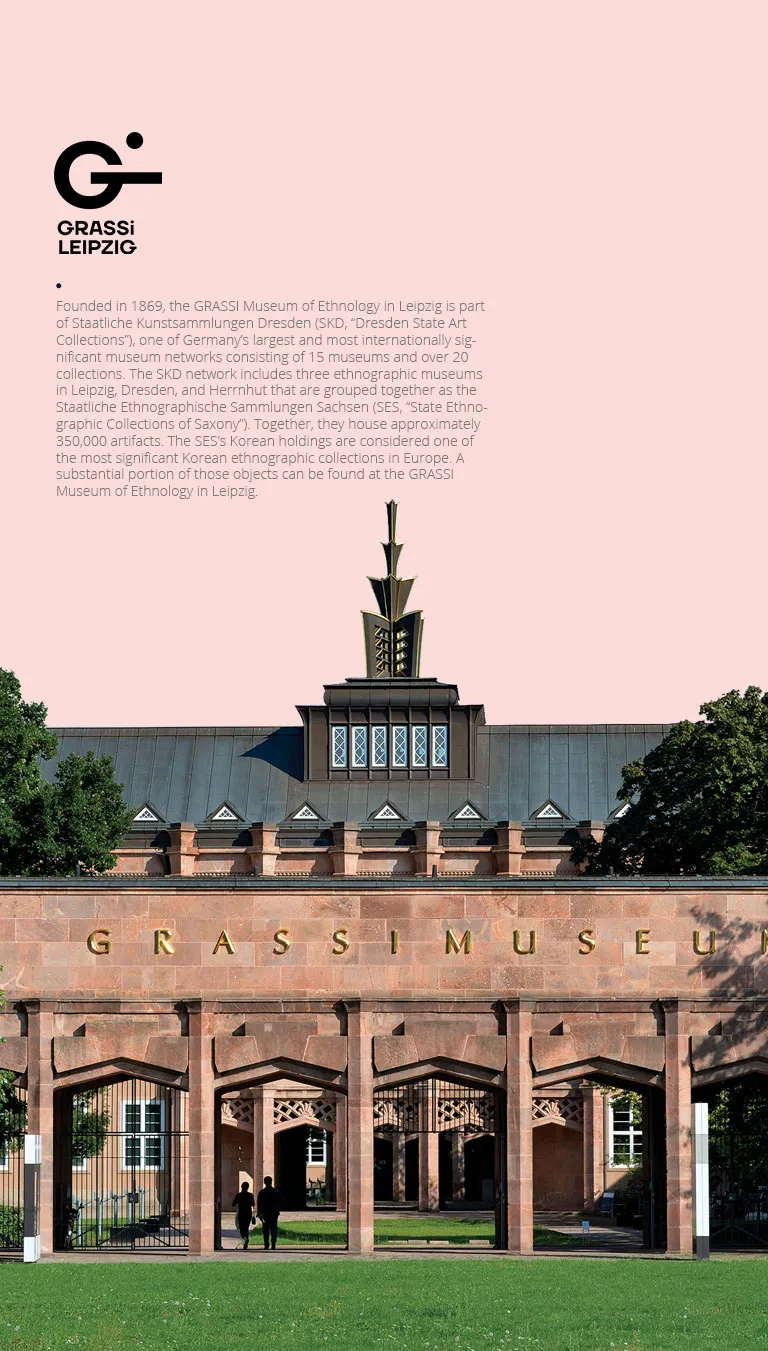
Tales of unexplored locations draw visitors in droves to the GRASSI Museum of Ethnology in Leipzig, Germany. The museum recreates the lives of ethnic groups scattered across five continents. Rather than simply stacking artifacts on shelves, the museum deliberately departs from the colonial mindset by contextualizing them and explaining their role in society. This prompts visitors to ponder the stories surrounding the artifacts while drawing comparisons with their own lives. Among this cultural heritage is the eight-panel folding screen called “Banquet of General Guo Ziyi,” which invites viewers to consider their own happiness and imagine their ideal life.
A Century-old Ideal of Happiness
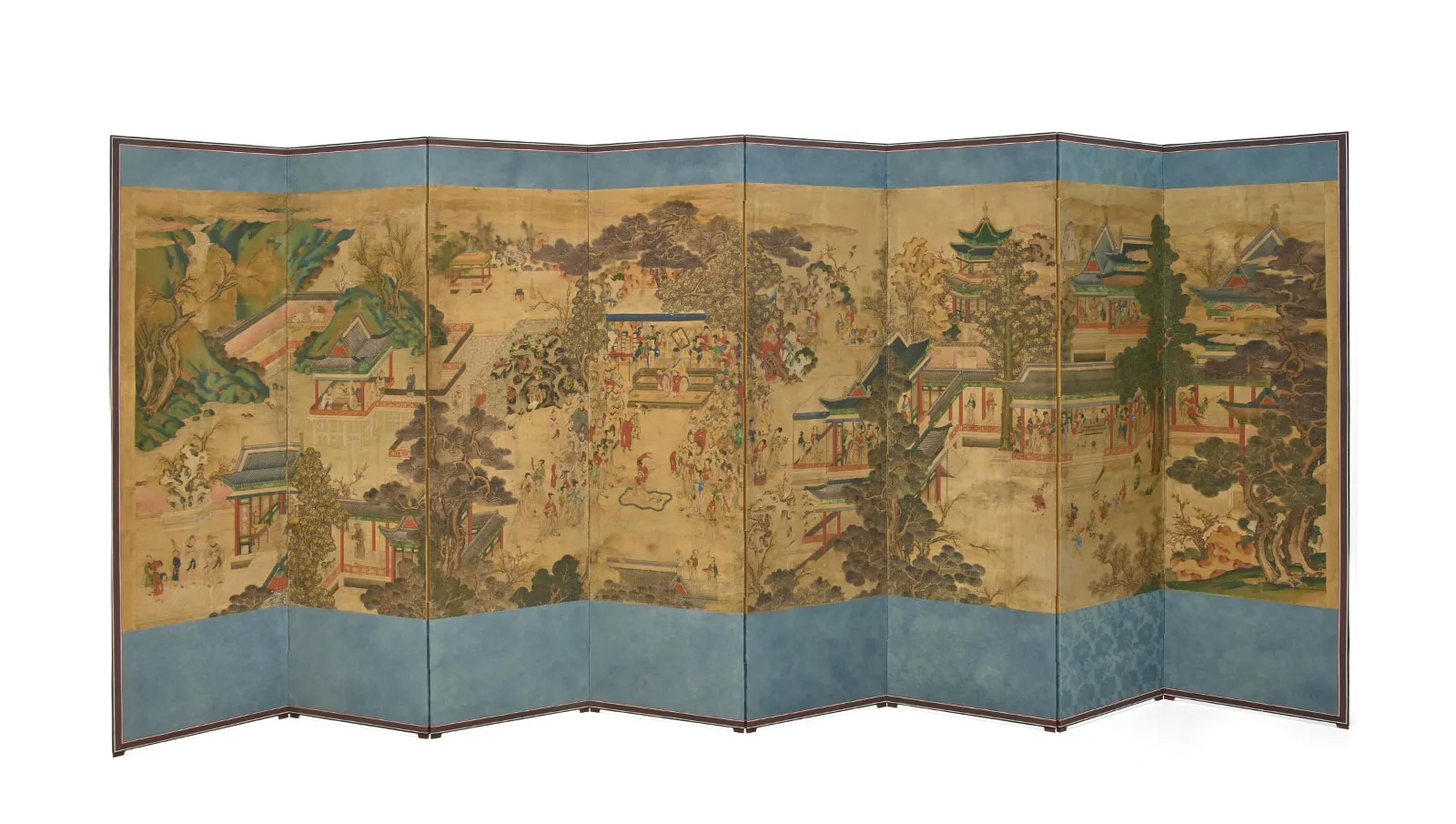
Color on silk, Joseon Dynasty, 132 × 50 cm (each panel), GRASSI Museum of Ethnology in Leipzig, Staatliche Kunstsammlungen Dresden, inv. no. OAs 08971 a–h, purchased from H. Sänger, 1902
Photographer: Bernadett Freysoldt.
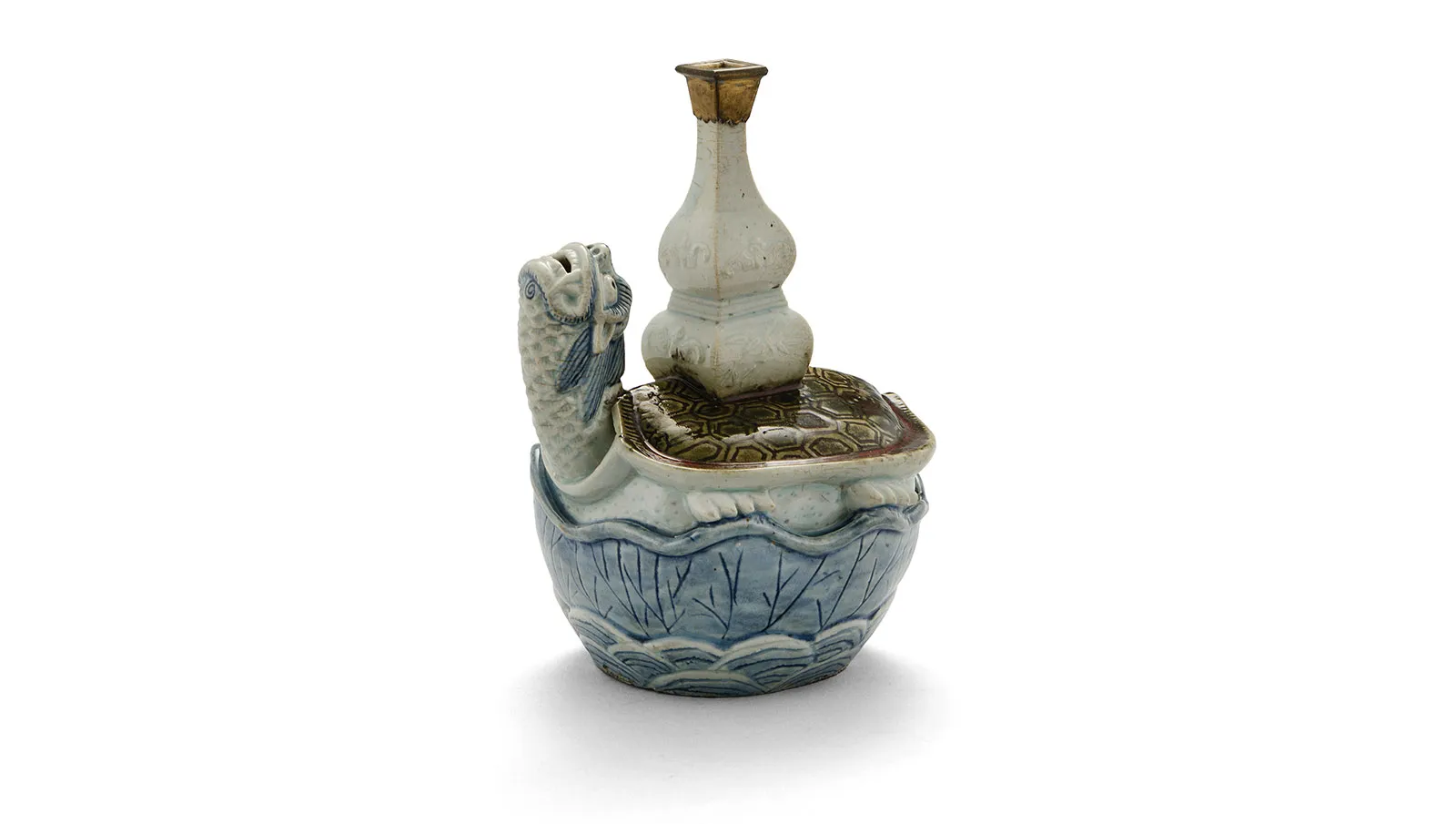
Joseon Dynasty, 19th century
Photographer: Seo Heunkang
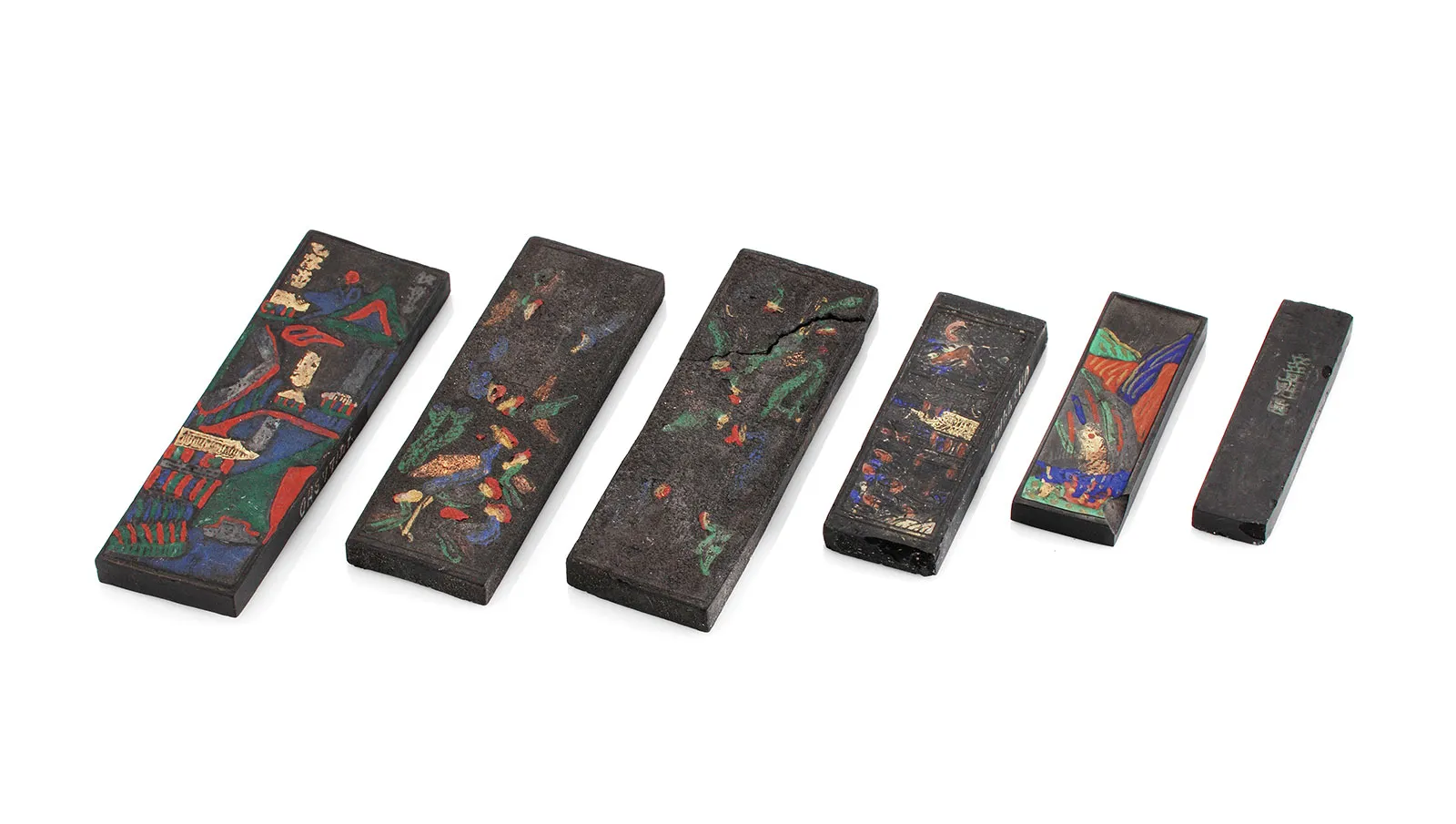
Joseon Dynasty, 19th century
Photographer: Seo Heunkang.
Rooted in the Past, in Touch with the Present
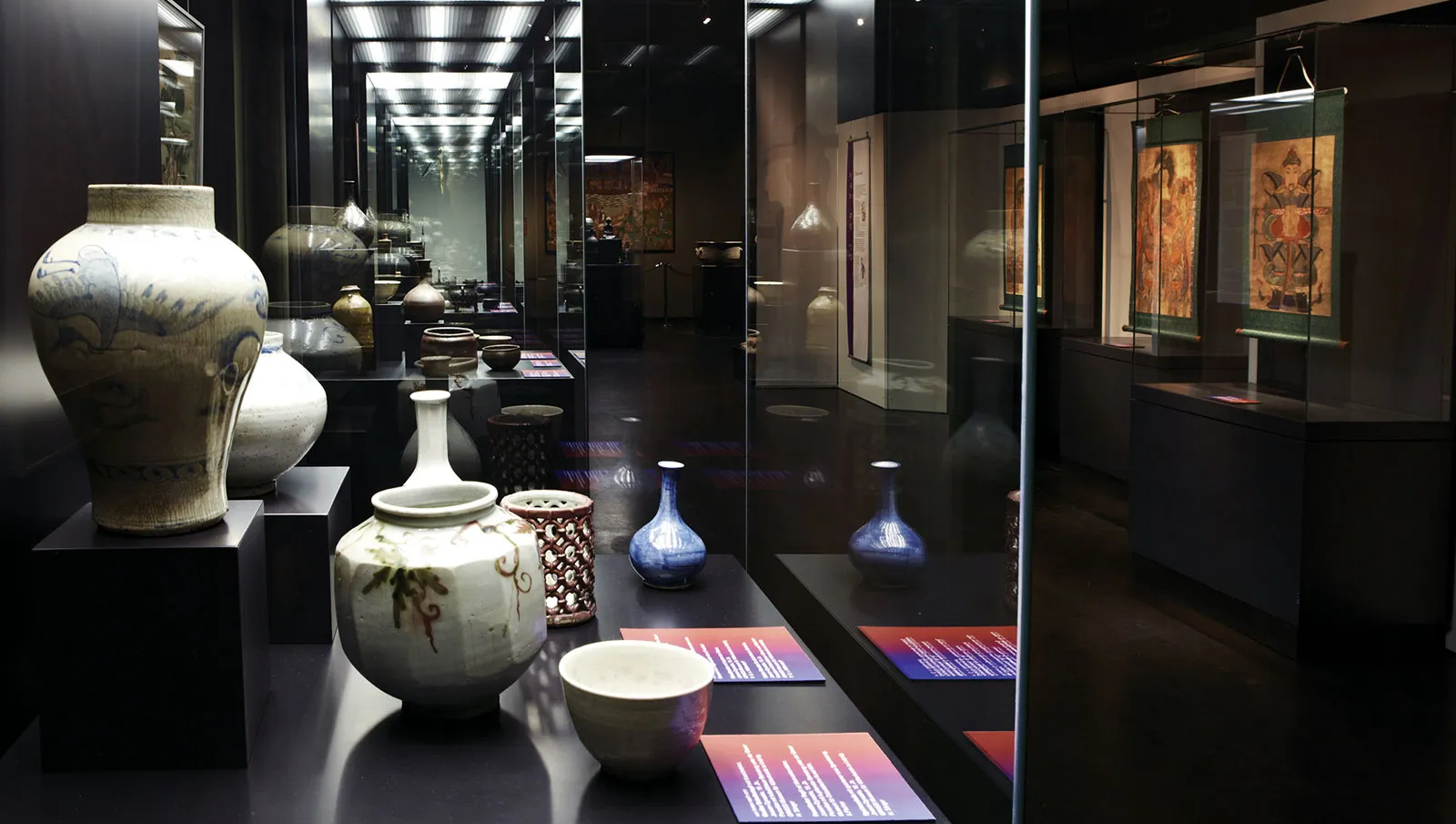
The museum’s artifacts—and its Korean gallery in particular—are scheduled for a major update in 2030. Lars-Christian Koch, director of the State Ethnographic Collections of Saxony (SES), announces that major changes are in store at the museum over the next years that will bring Korea into greater focus. A crucial part of those changes will be “avoiding a Eurocentric perspective on Korea.” Rather than framing the concept of decolonization through a Eurocentric lens, the museum will explore various ways to approach the topic of colonialism.
“We see one challenge in the historical orientation of the Leipzig collection, which we aim to translate into a contemporary context. Our goal is to convey the cultural significance of the objects—across the various areas of the collection of Korean origin—in ways that resonate in the present day. This is something we can and want to achieve only in close collaboration with partners in Korea, so that a meaningful and sustainable contemporary perspective can emerge,” Koch expresses.
With Korean culture in the global spotlight, major art institutions around the world have been holding Korea-related exhibitions and events. The renovation of the Korean gallery at the GRASSI Museum of Ethnology in Leipzig would be exciting enough based on the museum’s reputation alone, but Koch brings up another point to note. “Up until the 1980s, the collection developed under the specific conditions of the German Democratic Republic, or East Germany, which gave it a distinct orientation,” he says. Given East Germany’s close ties with North Korea during the Cold War, the museum can illuminate North Korea’s lesser-known culture, which could offer a fresh perspective for interpreting Korean society and culture.
The GRASSI Museum of Ethnology in Leipzig seeks to interrogate Korea’s powerful sense of cultural identity through the historical artifacts in its collection. Translating cultural and political identities into a contemporary perspective is the museum’s mission—a mission that also applies to Korean culture.
“We hope to achieve this by bringing historical and contemporary objects into dialogue. Especially today, Korea has a visible global presence across a wide range of economic and cultural spheres—this is something we intend to reflect in our exhibition,” Koch observes.
This suggests that the renovated Korean gallery in Leipzig, rather than relying on traditional viewpoints and images of the past, will draw upon Korea’s deep roots to show how the legacy of the past engages with the present.