The June issue of KOREA explores the vibrant world of Korean festivals, highlighting the traditions, communities and regional cultures that make each celebration unique. The cover features an AI-generated video created from a photo of the 2024 Seoul Lantern Festival (photo courtesy of the Seoul Tourism Organization).
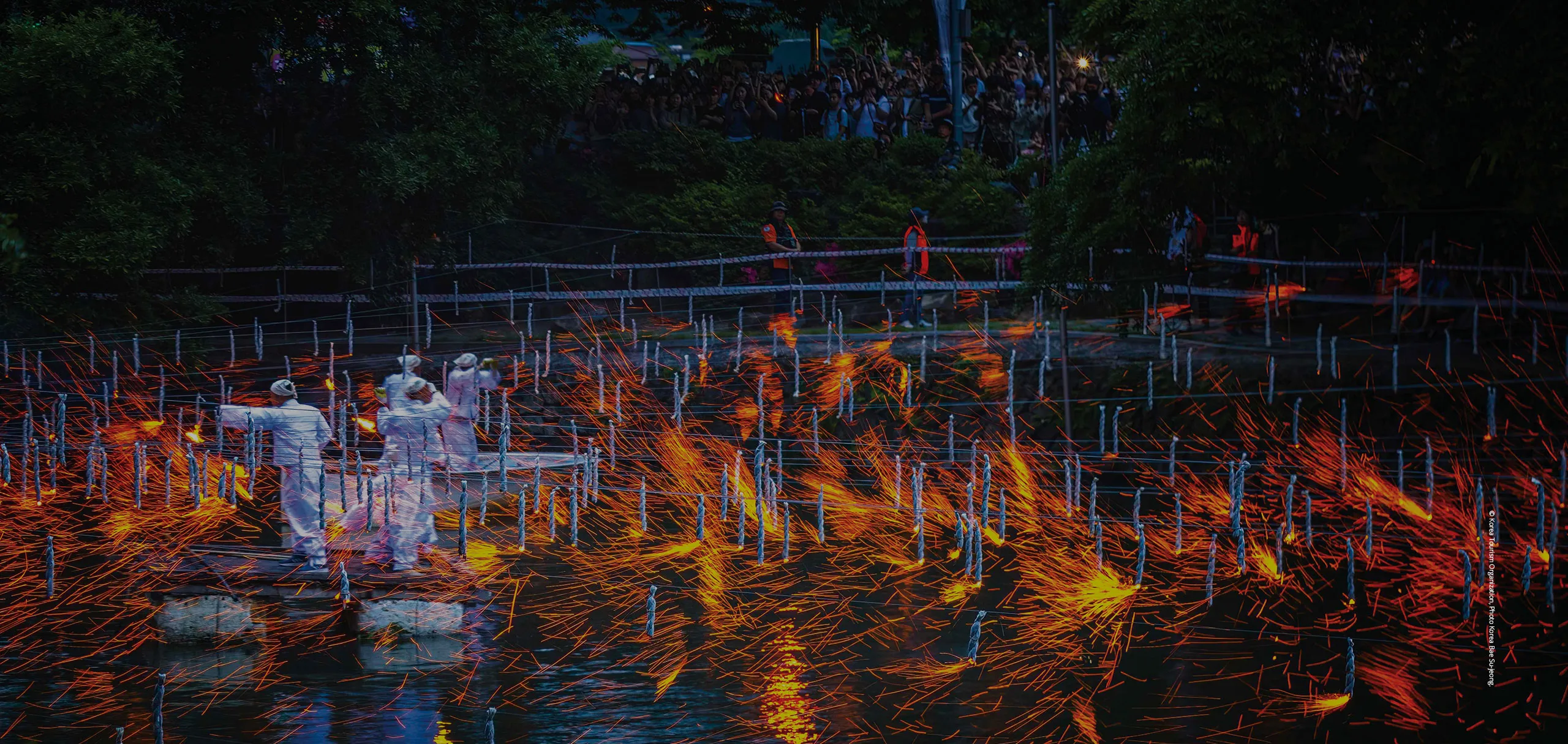
Beyond what is portrayed through the media, some of Korea’s most authentic stories are found in its festivals. Centuries-old traditions, regional landscapes and the unique identity of each city all come to life through these vibrant celebrations.
Korean Lifestyle, Spread Through Festivals
Cover Story 1
The K-culture phenomenon that has captivated the world is expanding beyond music and screen content into the texture of everyday Korean life. Within this broader shift, Korean festivals are emerging as a way to experience that life firsthand. Rooted in the history and daily rhythms of more than 240 communities across the country, these festivals take shape through participation alongside local residents, offering the most vivid window into local identity and culture. Festivals have become both a new way to understand Korea through travel and a form of cultural content that connects Korea to the world.
General Director, Suwon Hwaseong Cultural Festival
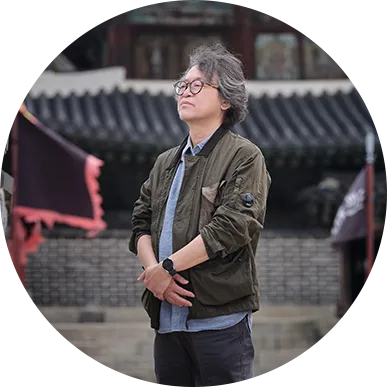
King Jeongjo, the 22nd king of the Joseon Dynasty (1392-1910), envisioned and built Suwon Hwaseong Fortress more than two centuries ago. Now, it has become a UNESCO World Heritage site and the setting for one of Korea’s most celebrated festivals. The eight days King Jeongjo spent at Hwaseong Fortress two centuries ago are reborn each autumn as a celebration. Selected in 2024 as one of Korea’s influential “global festivals,” the Suwon Hwaseong Cultural Festival has grown larger with each edition, sharpened its identity, and become a festival made by and for its citizens. At the center of that transformation is General Director Jo Hyeong-je, whose innovative approach has challenged conventional ideas of what a festival can be. As preparations for this year’s September festival were well underway, we met with Director Jo to discover a leader guided by unwavering principles and a remarkably clear creative vision.
A Stage Without Limits
Yang Jeong-ung
Art Director of the K-Royal Culture Festival
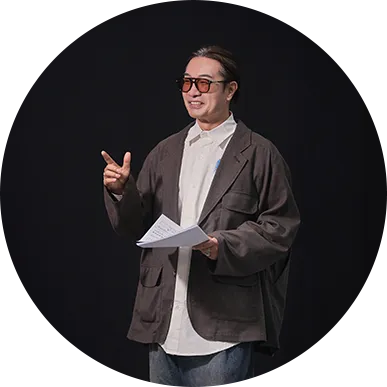
This past spring, Seoul’s five grand royal palaces came alive through the K-Royal Culture Festival, a celebration that brings Korea’s cultural heritage into conversation with the present. Among the many moments that connected the past and present this year, one stood out in particular. It was the opening ceremony, “Palace, Awakening the Arts,” which transformed these historic spaces into a stage for boundless creative expression. The ancient and dignified grounds became, by turns, a dazzling Hanbok (Korean traditional clothing) fashion runway refracted through an artist’s eye, and a dynamic festival space where media art collided with EDM. The truth that emerged from that astonishing spectacle was singular: “where art takes root, tradition has no limits.” The man who delivered such a sensory revelation of traditional aesthetics is Art Director Yang Jeong-ung.
Netflix’s popular food variety show “K-foodie meets J-foodie” is packed with dishes that make your mouth water just by looking at them. Among them, the dish a Japanese guest on Season 5 named as “the best Korean food” was none other than ganjanggejang—soy sauce marinated raw crab. This beloved Korean staple has earned deep admiration far beyond Korea’s borders. Watching the two cast members rave about it, viewers can’t help but wonder: what does it actually taste like?
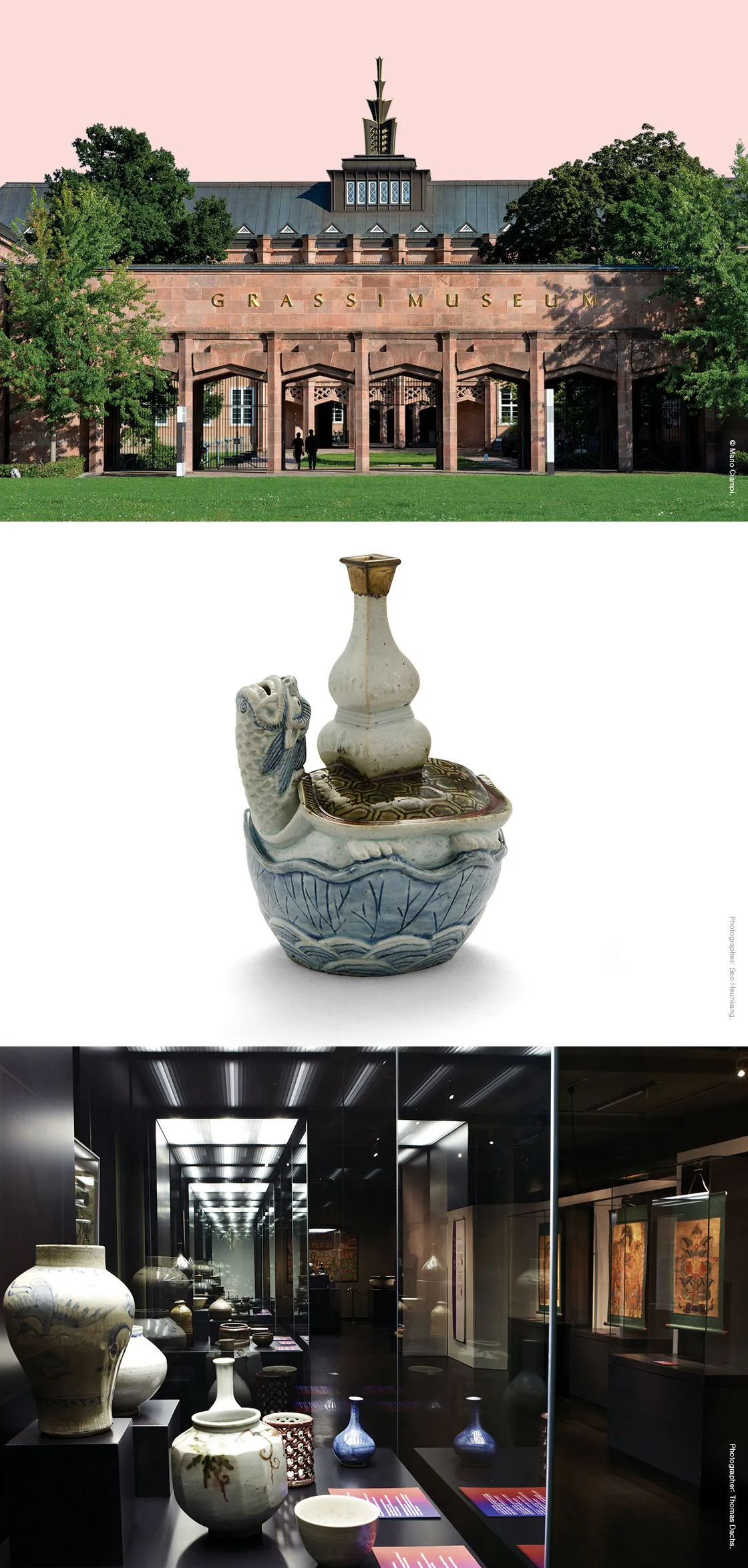
Tales of unexplored locations draw visitors in droves to the GRASSI Museum of Ethnology in Leipzig, Germany. Among the museum’s cultural heritage is the eight-panel folding screen called “Banquet of General Guo Ziyi,” which invites viewers to consider their own happiness and imagine their ideal life.