
To commemorate the 2026 FIFA World Cup, the Korean Cultural Center in Mexico put together a massive K-culture festival for Koreans and Mexicans to enjoy together. Highlighting four types of connection, the festival featured a diverse program spanning media façades, contemporary art exhibitions, folk performances and K-pop cover dances. At the heart of the festival was one central goal: to channel the passion of the World Cup into cultural empathy, creating an opportunity for the people of Korea and Mexico to deepen their mutual understanding.
The first stage in fostering harmony between the two countries kicked off on June 6 with the comprehensive cultural festival “Korea Day,” held in Zapopan, in the Guadalajara metropolitan area. The event highlighted both the longstanding friendship between Korea and Mexico and the fervent local enthusiasm for Hallyu. Showcasing Korean culture for area residents and international football fans, the festival also brought in two Korean War (1950-1953) veterans as guests of honor, celebrating the values of friendship and solidarity between the two countries. The festive atmosphere was complemented by a dynamic mixture of sporting events, traditional performances and K-pop concerts.
The Korean Wave
and the Global Sports Fever
The 2026 FIFA World Cup, a global sports event, is stoking fierce excitement across Mexico. For this landmark occasion, the Korean Cultural Center in Mexico organized a global festival tying together sports and culture. Throughout the month of June, the center presented an eclectic mix of cultural events across Mexico on the theme of connecting people through passion, light, vision and rhythm. The festival was filled with thrilling moments that brought together Mexicans, Koreans and football fans from around the world.

KCC Mexico
+52-55-6284-3247
culturacoreana@mexico.com
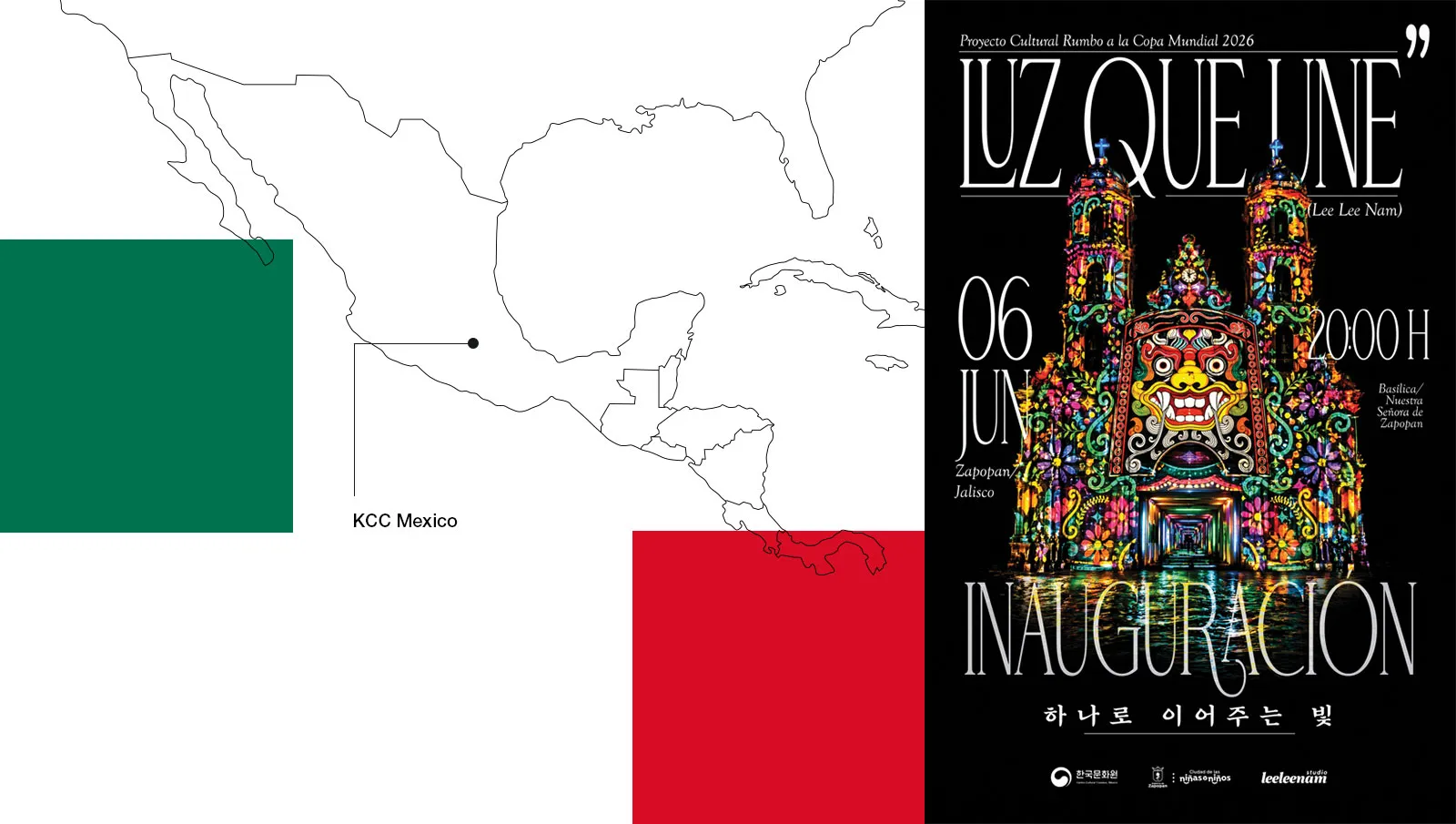
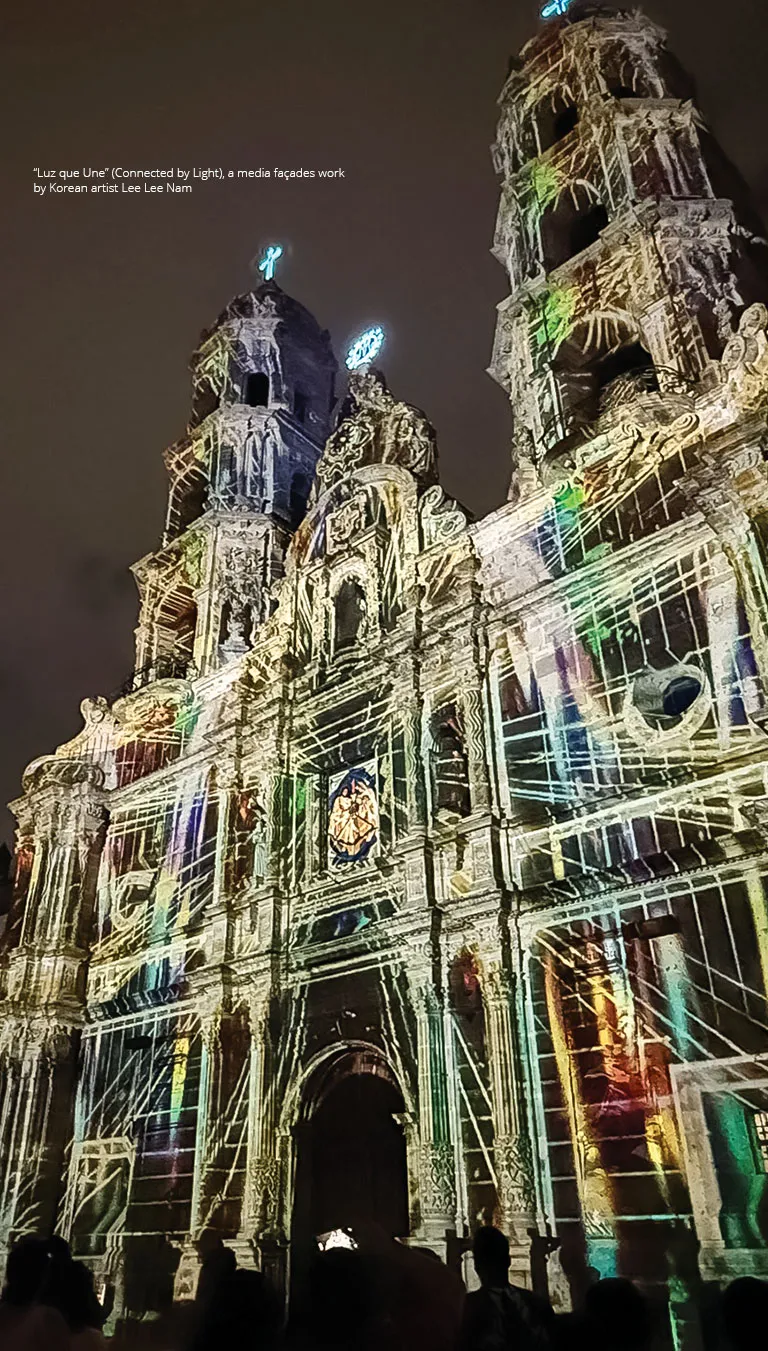
The excitement continued that same evening, June 6, with the unveiling of Korean media artist Lee Lee Nam’s media façades work “Luz que Une” (Connected by Light) at the Basilica of Our Lady of Zapopan, one of the city’s most iconic landmarks. As dark clouds covered the sky, some 7,000 people gathered at the square to witness the art projected onto the cathedral’s exterior walls. The piece blended traditional Korean imagery—including sipjangsaengdo (ten symbols of longevity), dancheong (traditional decorative painting), saekdong (multi-colored) rainbow stripes and minhwa (folk paintings)—with the vivid motifs and colors associated with Mexico’s “Day of the Dead” holiday. The result was a powerful artistic encounter, offering a moment of deep communion between the two countries through art.
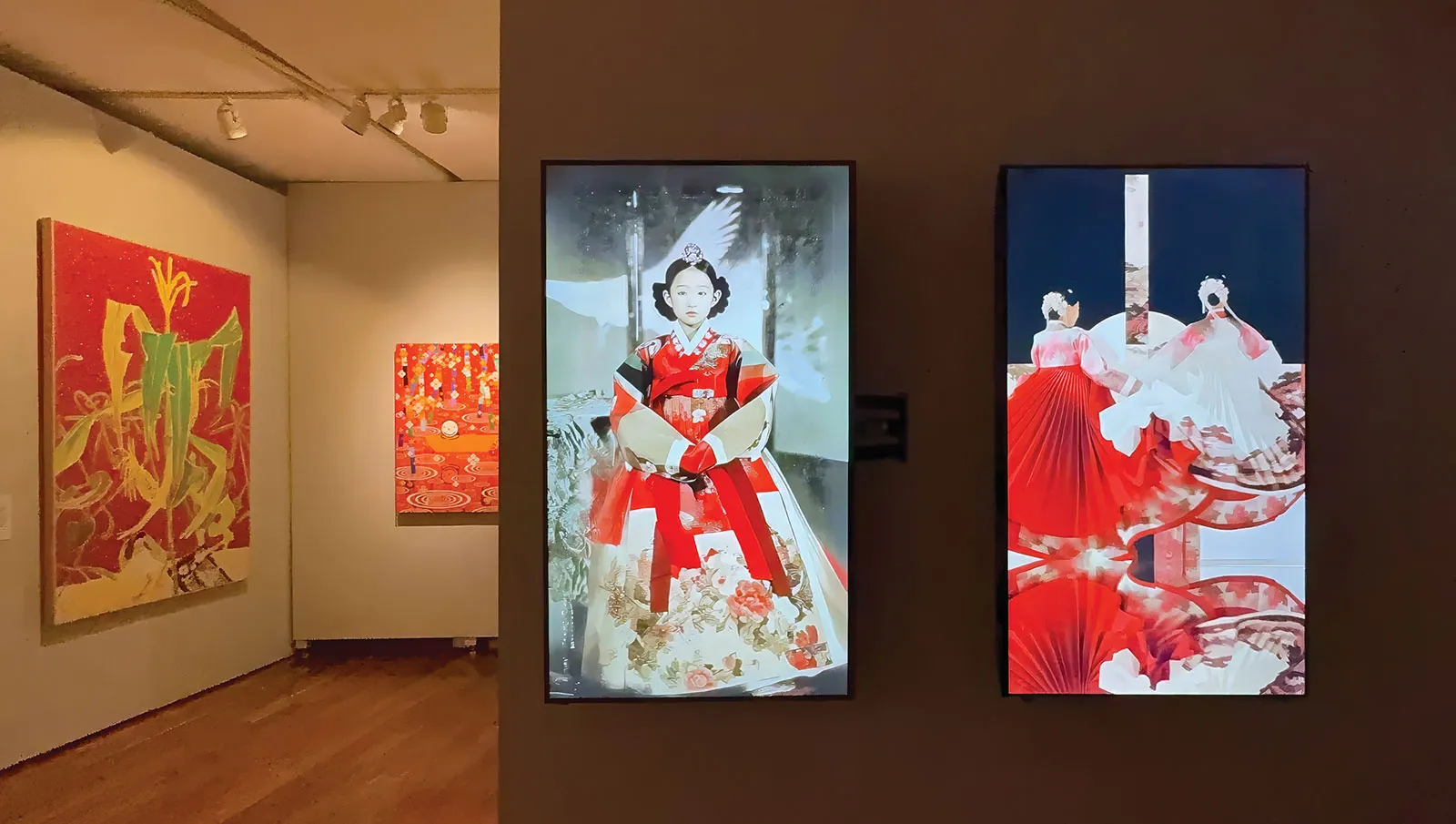
The feast for the eyes continued with “Connecting through Gaze,” a contemporary art exhibition. The center collaborated with the National Museum of World Cultures, located in the heart of Mexico City’s historic center, and Korea’s Savina Museum of Contemporary Art to launch the multidisciplinary exhibition “Translating Tradition, Imagining the Future.” By utilizing cutting-edge technologies such as media art and AI, the exhibition provided an immersive experience of traditional cultural content, cementing Korea’s reputation as both a long-standing cultural powerhouse and a leader in digital innovation. The exhibition will remain open to visitors through October.
Alongside the exhibition, the “Imagine Your Korea” multipurpose promotional pavilion at the Global Village in Chapultepec Park was a major success. Its cultural products and tourism materials, which reinterpret traditional heritage with a contemporary sensibility, became a vital touchpoint in positioning Korea as a country people want to visit and experience firsthand.
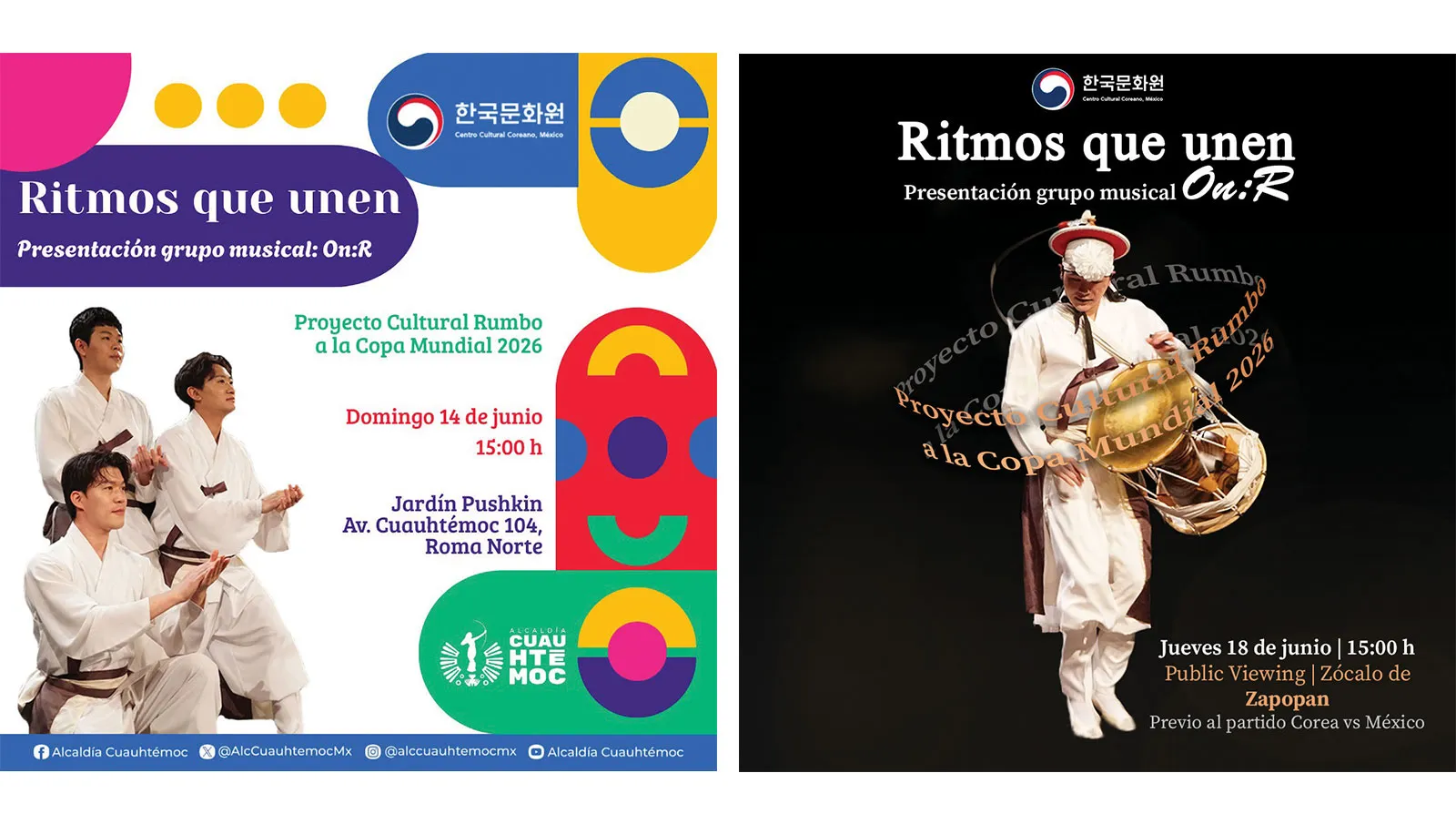
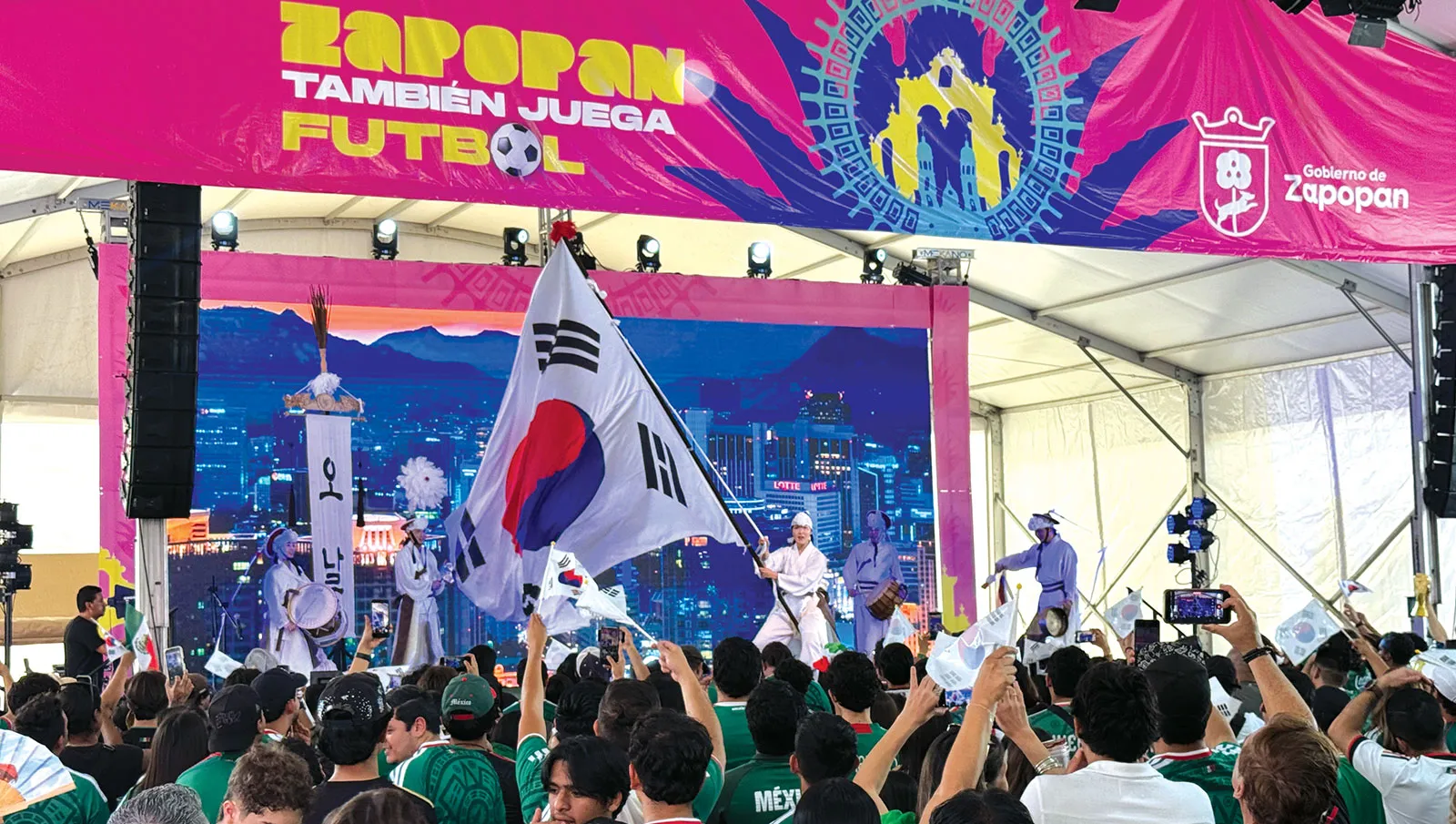
The passion between the two nations culminated in the “Connecting through Rhythm” program. The traditional performing arts troupe “Yeonhee Nanjang ON:R” traveled across World Cup host cities—including Mexico City, Zapopan in the state of Jalisco and Monterrey in the state of Nuevo León—to present performances of samulnori (traditional percussion), binari (traditional blessings) and other traditional performing arts. More than just a viewing experience, these performances served as an interactive cultural exchange, allowing local citizens to feel and connect with the rhythms and movements of Korea. At the public viewing sites in Zapopan, local K-pop cover dance teams took the stage, showing the youth cultures of both nations coming together without boundaries.
This World Cup cultural festival went beyond merely presenting a single facet of Korean culture. By connecting tradition and modernity, art and technology, performance and participation—and indeed, Korea and Mexico—in diverse ways, it significantly expanded the breadth and depth of K-culture. While football is the universal language that brings the world together, culture is the power that ensures these encounters are remembered long after the games have ended. Building on the momentum of this World Cup, the Korean Cultural Center in Mexico intends to continue conveying the creativity of Korean culture and a message of warm exchange across Mexico, crafting a new space for cultural interaction where the people of both nations can resonate and grow closer together.
Mini Interview

Min Soo-yi
Q — What prompted you to build a project around a mega sporting event like the FIFA World Cup?
The FIFA World Cup is more than a sporting competition—it's an international festival where people from around the world come together to experience each other's cultures. The tremendous response to BTS’s recent concerts in Mexico is a clear sign of how passionate and supportive Mexicans are when it comes to Korea. Add to that the fact that the Korean national football team will play all three of its group-stage matches here in Mexico, and interest in Korea is only going to grow. We saw this as an opportunity to channel that local enthusiasm into an introduction to other sides of Korean culture—media art, contemporary fine art, traditional performance and more.
Q — What did you pay particular attention to in preparing the project?
I believe culture is a universal language that connects people across borders. From the start, our goal wasn’t simply to promote Korea, but to create a space where people from many different countries could naturally connect through art and culture. With that in mind, we planned a program spanning media art installations, exhibitions and performances—each offering a different lens on Korea. At its heart, this project is about two countries using the shared joy of the World Cup as an occasion to build friendship and deepen their understanding of each other.
Q — Do you plan to mount similar events around other major international festivals or large-scale events in the future?
Absolutely. A cultural center can’t do its job by confining itself to programs held within its own walls. We need to go where people are, partner with local government and cultural institutions, and find ways to connect Korean cul-ture to the moments that matter to people here. Mexico is especially well-suited for this kind of approach—it hosts some of Latin America's most significant international events throughout the year, including the Festival Inter-nacional Cervantino, the Guadalajara International Book Fair and the Festival Internacional de Música de Morelia. We intend to make the most of these platforms to expand the range of opportunities for local audiences to encounter Korean culture organically.
Q — Can you tell us about other major events you're preparing for local audiences?
In the second half of the year, we have quite a lineup. In July, we’re hosting a K-pop Cover Dance Festival open to participants from across Mexico, along with a dance workshop led by a prominent Korean choreographer. August brings a special Korean film screening series in partnership with local universities, followed by a Traditional Culture Week in September to mark Chuseok. In October and November, we’ll be collaborating with the Festival Internacional Cervantino, the Zócalo International Book Fair and the Festival Internacional de Música de Morelia to bring Korean culture to those audiences as well.
We’ll also be continuing K-community Night, our participatory program that drew such a warm response last year.
Looking ahead, the Korean Cultural Center wants to go beyond one-off cultural events. Our goal is to expand our role as a platform for genuine exchange—one where Korean and Mexican people can meet, connect and truly engage with each other.