
Wereldmuseum Leiden, one of the oldest ethnography museums in the world, holds a suit of armor of a nineteenth-century general from the Joseon Dynasty that seems to exude the warrior’s courageous determination to defend his country.
The red wool of the armor still looks sharp after well over a century. The armor is lined with otter fur and covered in brass scales in a range of colors. Scales in the original gold of the brass alternate with scales lacquered in red and black in a pattern that maximizes the visual impact. The unscaled parts of the armor are dotted with round studs and leaf-shaped ornaments. The inner lining of blue silk is embroidered with flowers and vines, and the gilded bronze shoulder epaulets are shaped like dragons. The Korean name of this armor is mineulgap, a name inspired by its decorative scales. In contrast with the bold coloration and decoration, the armor is designed like a T-shaped robe that can be adjusted at the front, a deliberately user-friendly design.
The armor’s remarkable artistry is also observed in the iron helmet, which consists of four triangular panels varnished with black lacquer. Jutting from the top is a pointed ornament with a plume of horsehair dyed red. The helmet is also adorned with intricately worked dragons flitting through the clouds and lions glowering at each other. These gilded adornments exhibit an astonishing level of detail down to the texture of the claws and tails. The center of the helmet is engraved with the ancient Buddhist swastika, while more dragons appear on the protruding bill. Below the helmet hangs a neck curtain covering the nape of the neck.
The seemingly stolid woolen armor is packed with surprising emotion. Every stitch conveys the artisan’s dedication and support for the general duty-bound to wear it. Viewers can almost feel the fervency with which the rank-and-file would have looked up to the general, as well as the general’s determination to look after his men.
While the armor’s aesthetic value is evident to even a casual viewer, the full context makes it all the more fascinating. First, this armor was not intended for actual combat against the enemy. The use of brass scales (which are ineffective at absorbing shock) and extravagant rank-based decoration indicate the armor was ceremonial in nature. The museum explains that a high-ranking general would have worn the armor at official state or military events such as cavalry reviews. The actual protective gear would have been concealed beneath the outer robe, which perfectly embodied the army’s dignity and authority. This single garment encapsulates the sober ethos of Joseon, where the formality of dress served to reinforce military discipline and state authority both at home and abroad.
Finally, it’s worth noting this type of armor’s rarity: only a handful have survived. When Joseon was forced to open its ports to foreign powers and began adopting Western customs, traditional military attire changed almost overnight. Another reason few of these uniforms were preserved is because few were made to begin with, given the small number of senior generals. Only four sets of late-Joseon armor with brass scales are known today—two in Korea and two overseas. Curiously enough, although all were worn by generals of the highest rank, subtle differences are observed in all aspects of the armor, from the dragons on the epaulets to the patterns and inscriptions on the helmets. In that sense, the armor housed in this Dutch museum is truly a one-of-a-kind artifact.
The Suit of Armor
That Lasted a Century
Wereldmuseum Leiden
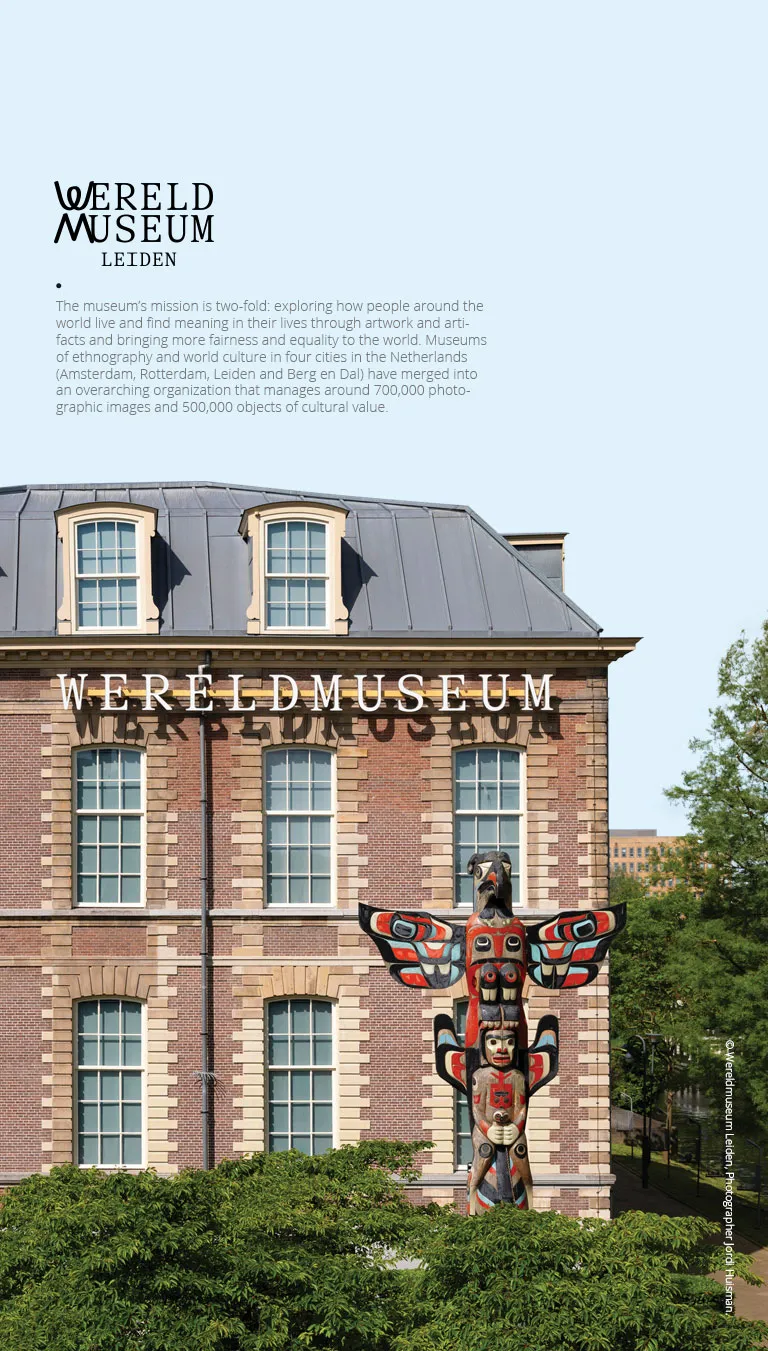
Located in the Dutch city of Leiden, Wereldmuseum Leiden is a world-class ethnographic museum with a storied history. This dynamic museum, which is currently hosting an action-packed exhibition taking a fresh look at K-pop, preserves 1,500 Korean cultural artifacts, including a suit of armor infused with the grandeur and bravery of warriors of the Joseon Dynasty (1392-1910). The eye is drawn to gleaming bronze scales atop the armor’s red wool, which retains its vivid hue after more than a century. The helmet is embellished with fierce-looking lions poised to pounce and dragons soaring through the sky.
Embodying the Korean Spirit
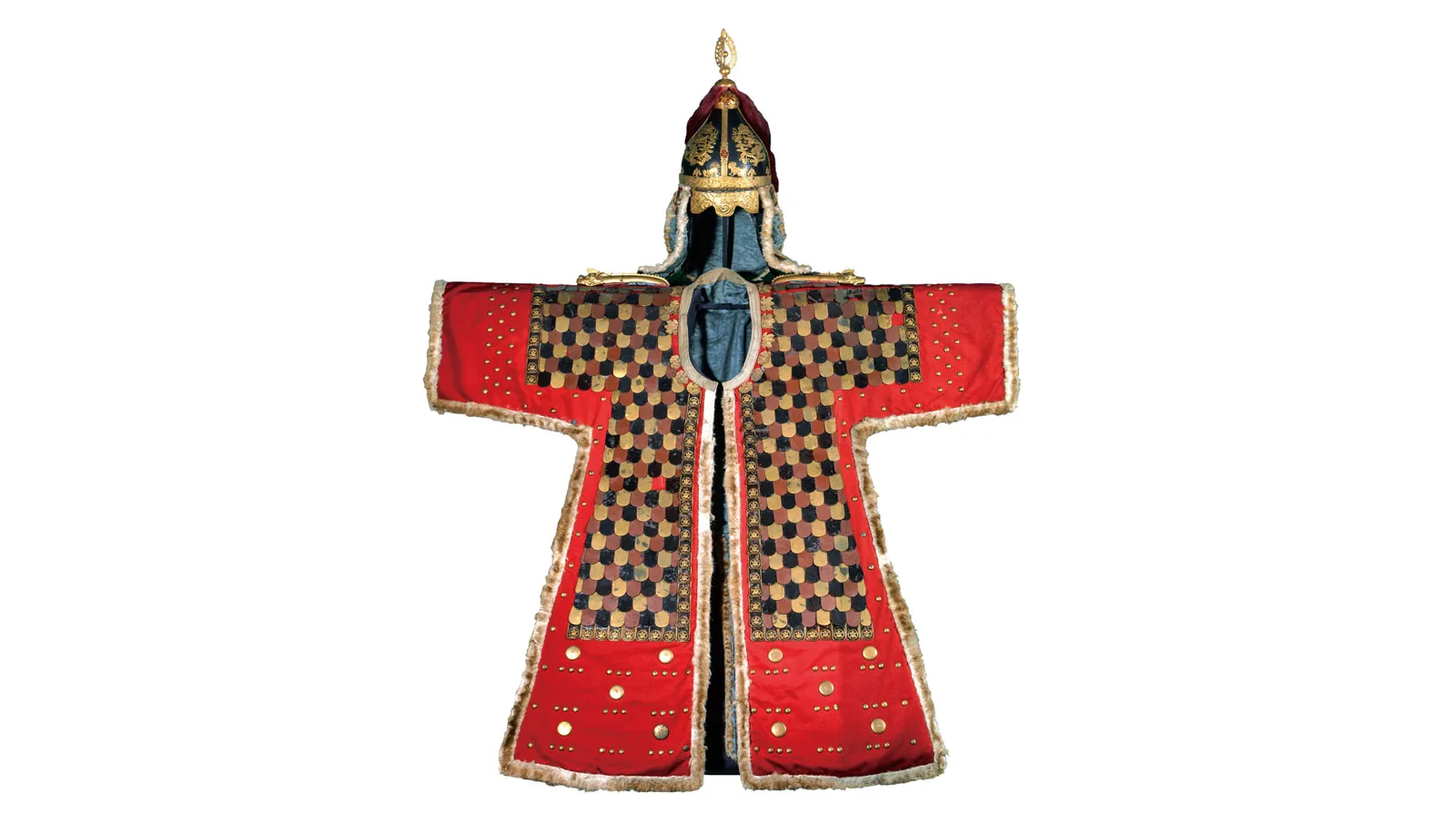
(Bottom) Scale armor Joseon Dynasty (19th century), length 113 cm; center back to sleeve end 64 cm; chest 62 cm
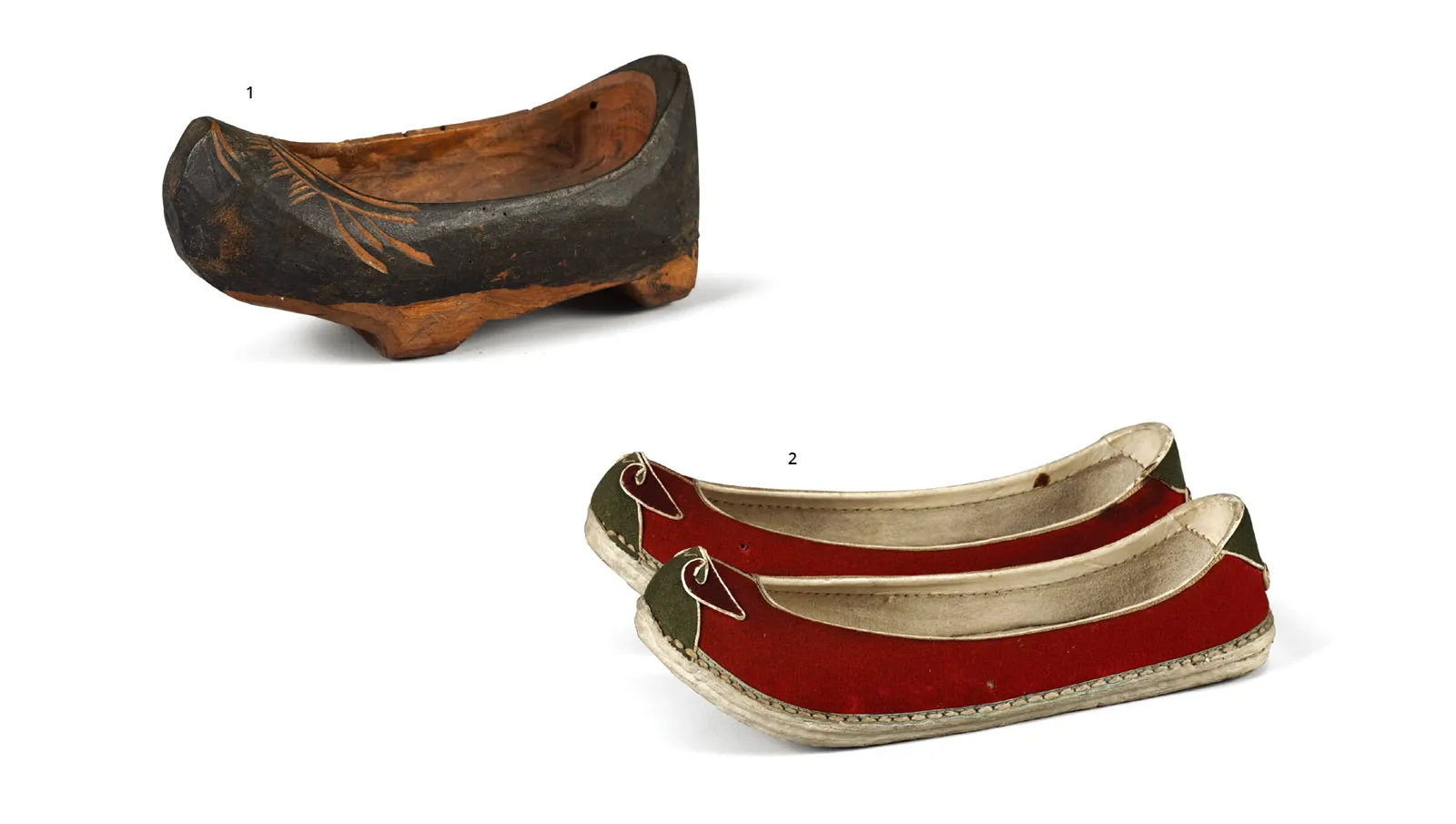
Joseon Dynasty (19th century), height 6 cm, width 5.5 cm, length 13 cm
2. Unhye (woman’s shoes)
Joseon Dynasty (19th century), height 8 cm, width 8.3 cm, length 26 cm
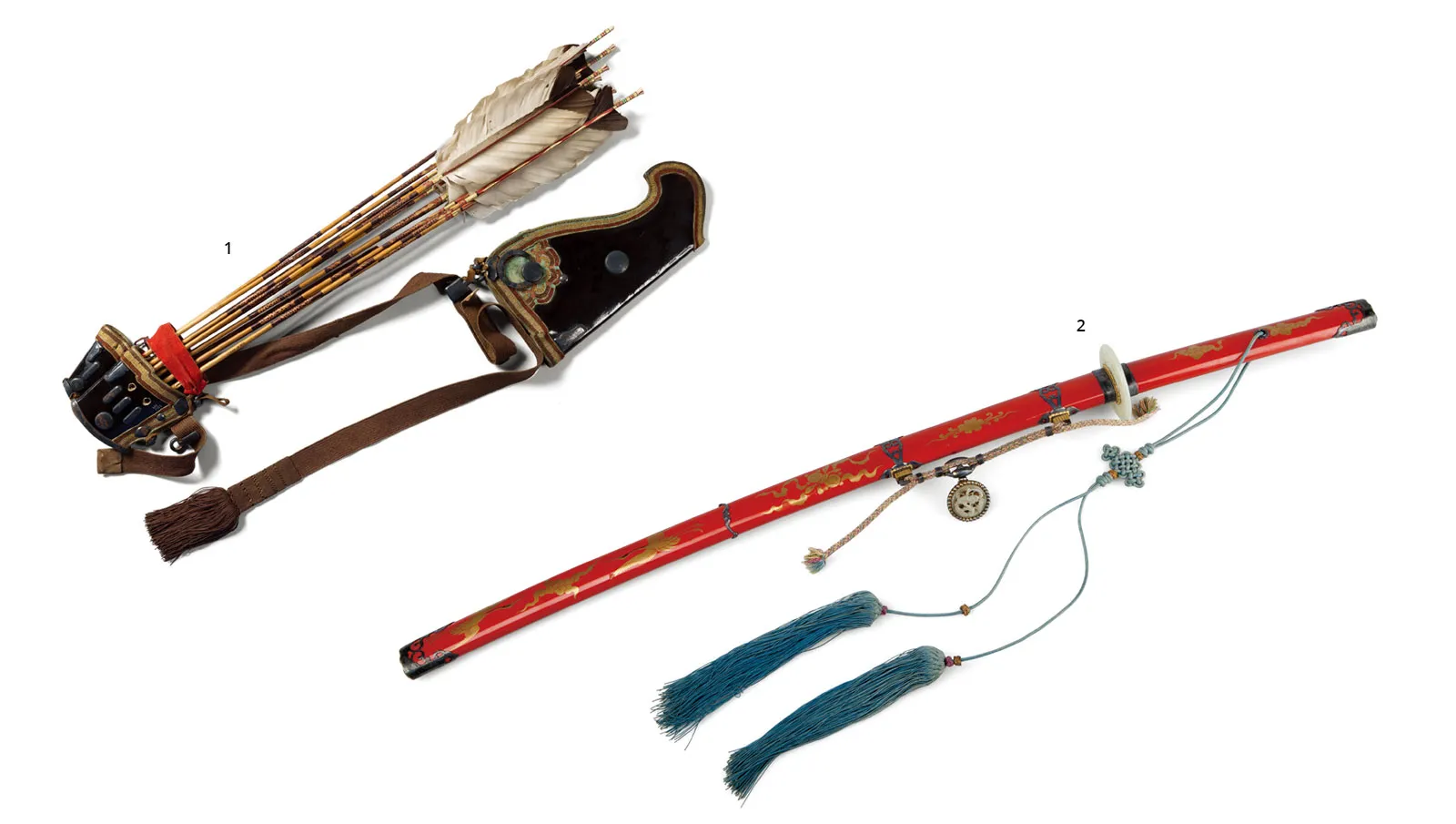
Joseon Dynasty (end of 19th century), width 20.2 cm, length 90 cm
2. Sword
Joseon Dynasty (late 19th century), width 6.1 cm, length 75.5 cm
Viewed from a Fresh Perspective
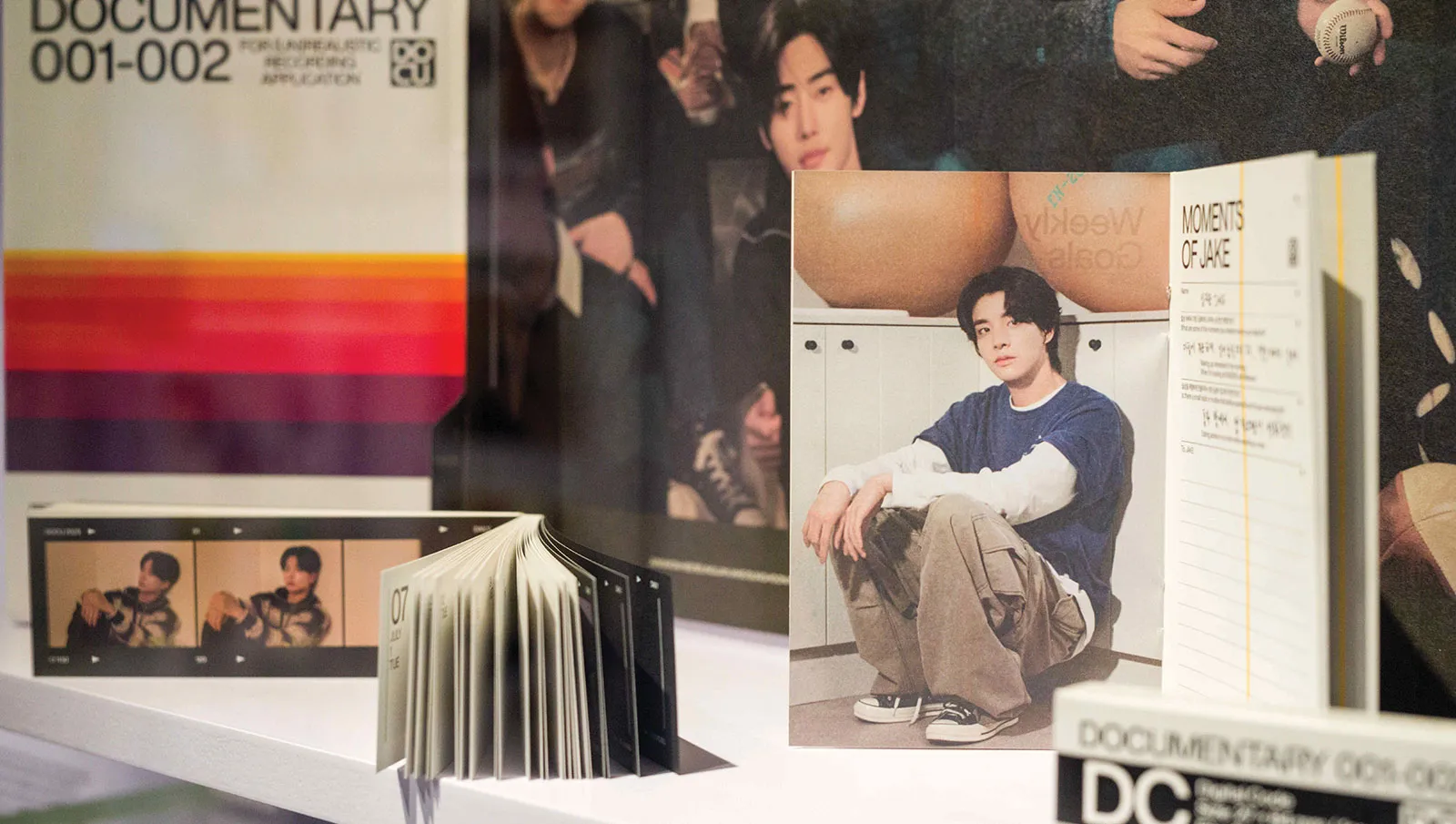
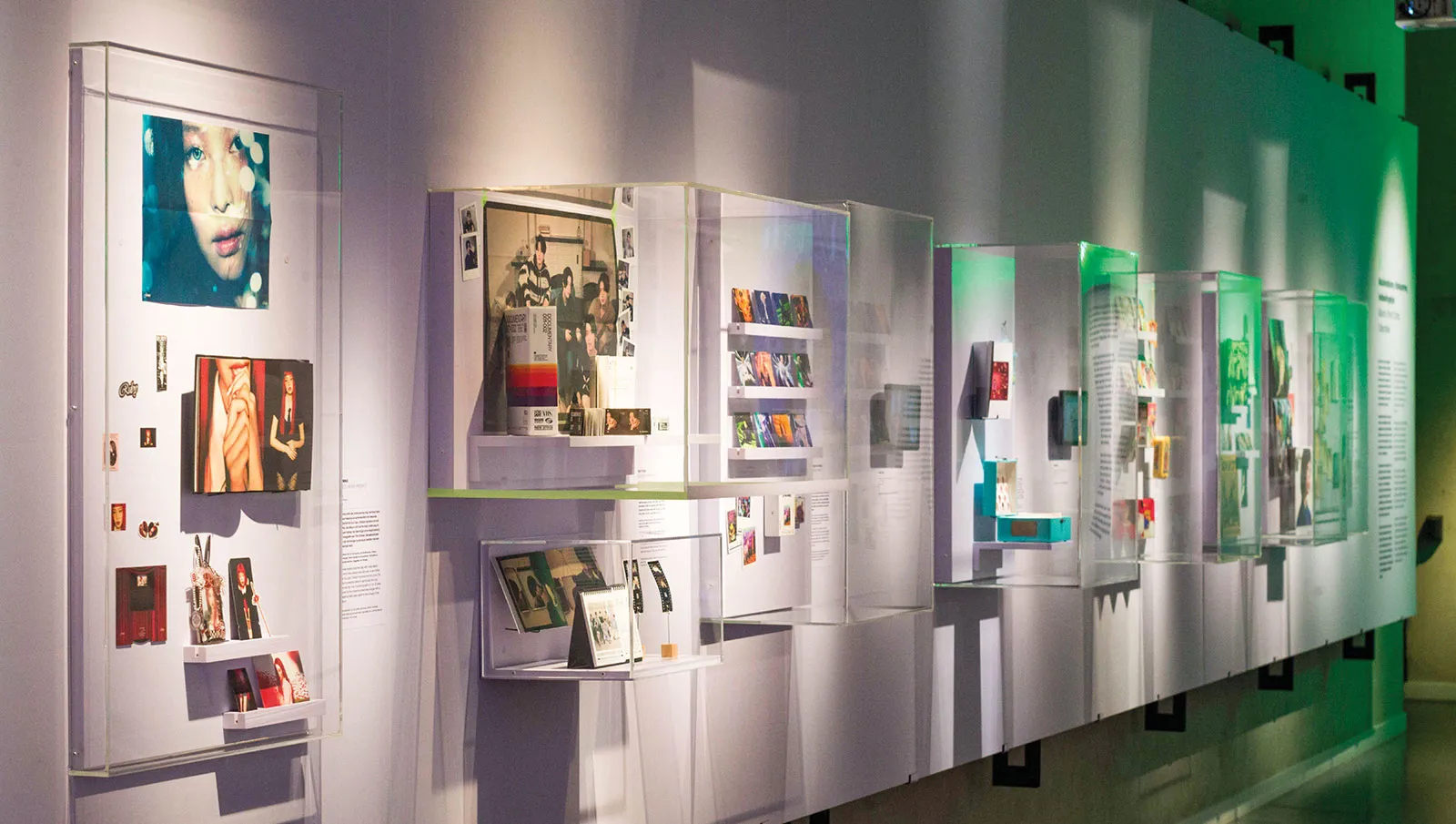
While this armor and helmet are part of the 1,500 artifacts representing Korean culture at Wereldmuseum Leiden, the museum also embraces contemporary culture. The Japan and Korea Gallery, where the suit of armor is displayed, is showcasing Korea in the special exhibition “K-pop: A Snapshot,” which runs through December.
While K-pop was born in Korea, it’s now recognized around the world. The Leiden museum offers a novel take on the genre, underscoring its role as a cultural inspiration. This exhibition examines the artists that have been shaped by K-pop and the sub-cultures that have formed under its broad umbrella. Among the artists featured here are the Brazilian band EVE and the Peruvian solo artist LENIN, both of whom are inspired by K-pop. The exhibition also puts the spotlight on the photographers behind K-pop’s eye-popping visuals—including some who have worked with famous K-pop artists. Visitors can also learn about the classic K-pop pastime of collecting albums, photobooks, photocards and posters and view pieces produced through “fan-made” culture, in which K-pop fans are encouraged to become not only collectors but also creators.
Thus, this wide-ranging exhibition covers facets of K-pop that go far beyond the songs, videos and artists that are familiar to many readers. That makes the exhibition rewarding not only for K-pop fans, but for anybody with an interest in popular culture.
This isn’t the first time that Wereldmuseum Leiden has examined Korean culture through its distinctive lens. That’s evident from the Korea-related programs held this past June 6 during Museumnacht (“museum night”), an annual event in the Leiden area. Those programs included a live performance by NuMori, a band taking inspiration from traditional Korean music; a booth serving up “homemade Korean bites”; and cocktails made with a traditional soju (clear liquor) called Leegangju.
It’s only natural to wonder what Korean heritage will be highlighted after the current exhibition wraps up. Whether the next focus happens to be traditional or contemporary, we can be sure that Wereldmuseum Leiden will reveal another novel aspect of Korea for visitors to appreciate.