
These days, people come to traditional markets for new reasons. It’s no longer about glimpsing traces of the past, but about enjoying the vibe and sense of place these spaces hold. Gwangjang Market, originally a textile market, now draws visitors who come specifically to eat bindaetteok (mung bean pancake), gimbap (seaweed rice roll), kalguksu (noodle soup) and sundae (blood sausage)—the dishes that once fed merchants working from before dawn. In Sindang-dong—home to Jungang Market and once known for its shamans and spirit shrines—people now gather for the atmospheric bars that reinterpret Korean folk beliefs in a modern key.
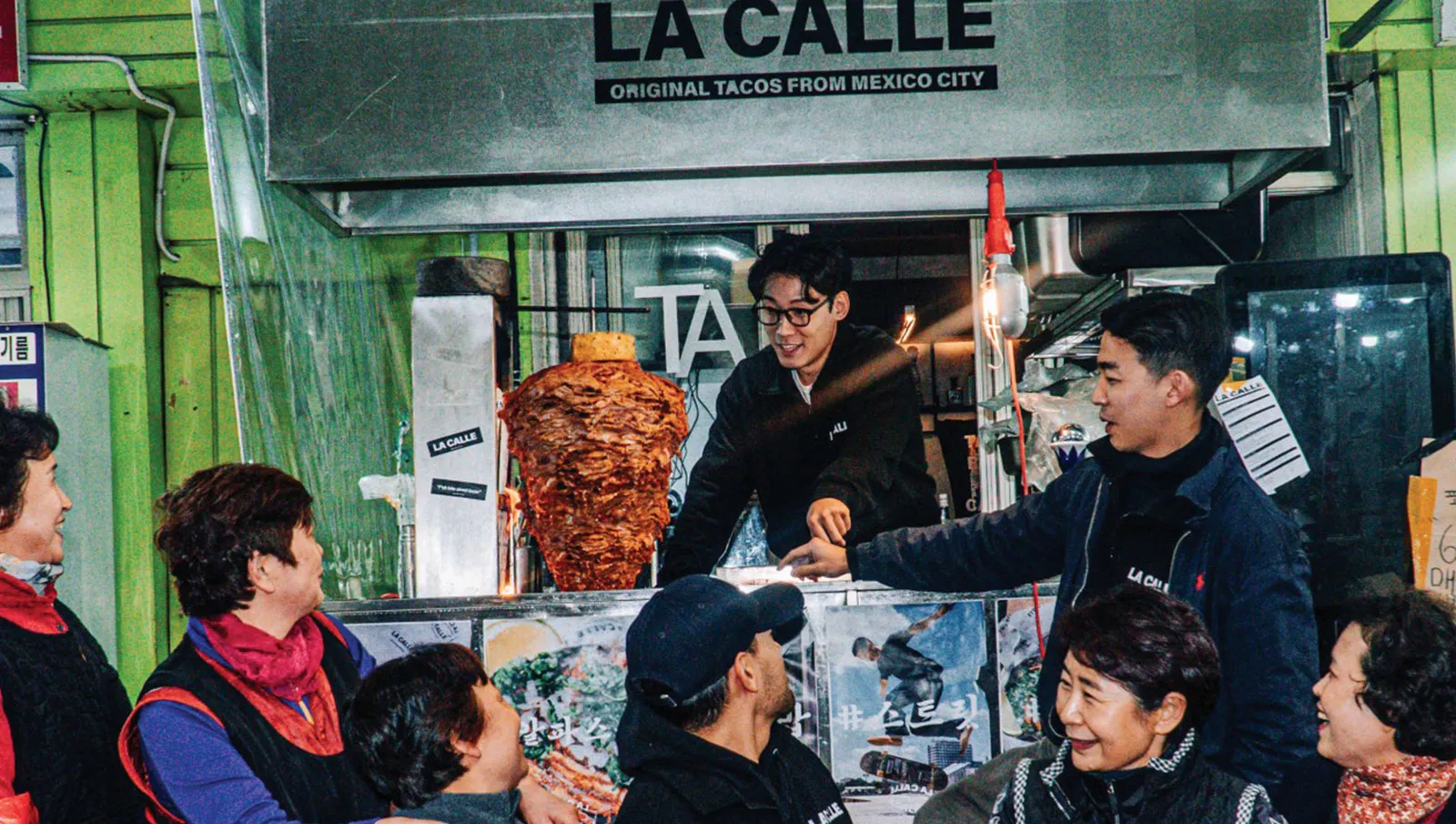
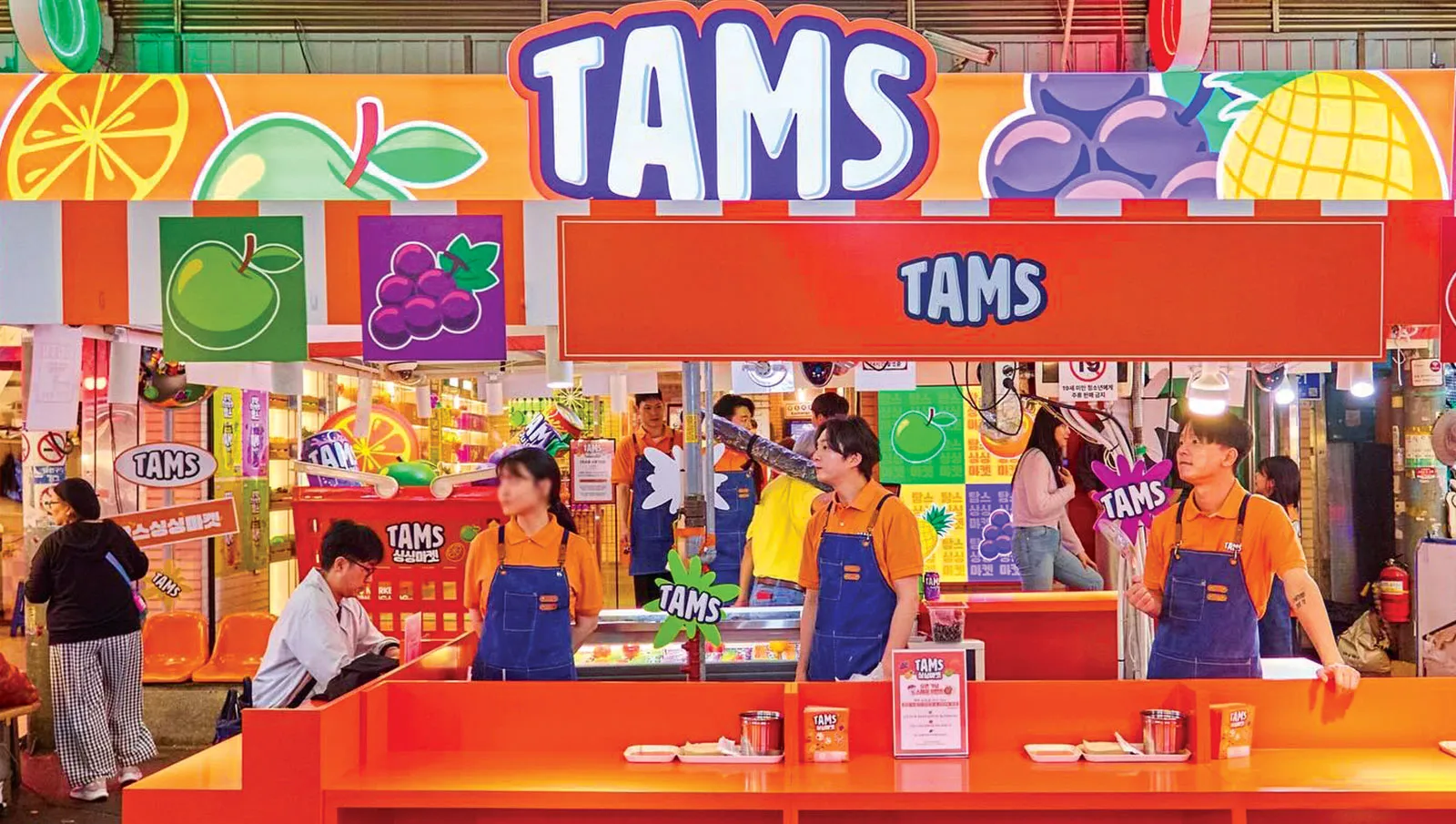
Young entrepreneurs deserve much of the credit for breaking down the barriers around what was long a space for the middle-aged and elderly. By opening local bakeries, specialty coffee shops, natural wine bars, handmade dessert shops and craft studios in vacant storefronts, they made it easy for their own generation to walk into markets without hesitation.
Visitors now research a market’s food in advance and plan their route for afterward: Gwangjang Market leads to Cheonggyecheon Stream, Mangwon Market to Mangnidan-gil Street and Hangang Park. International visitors once dropped by Gwangjang after shopping in Myeong-dong and Dongdaemun area; now the market itself is the destination.
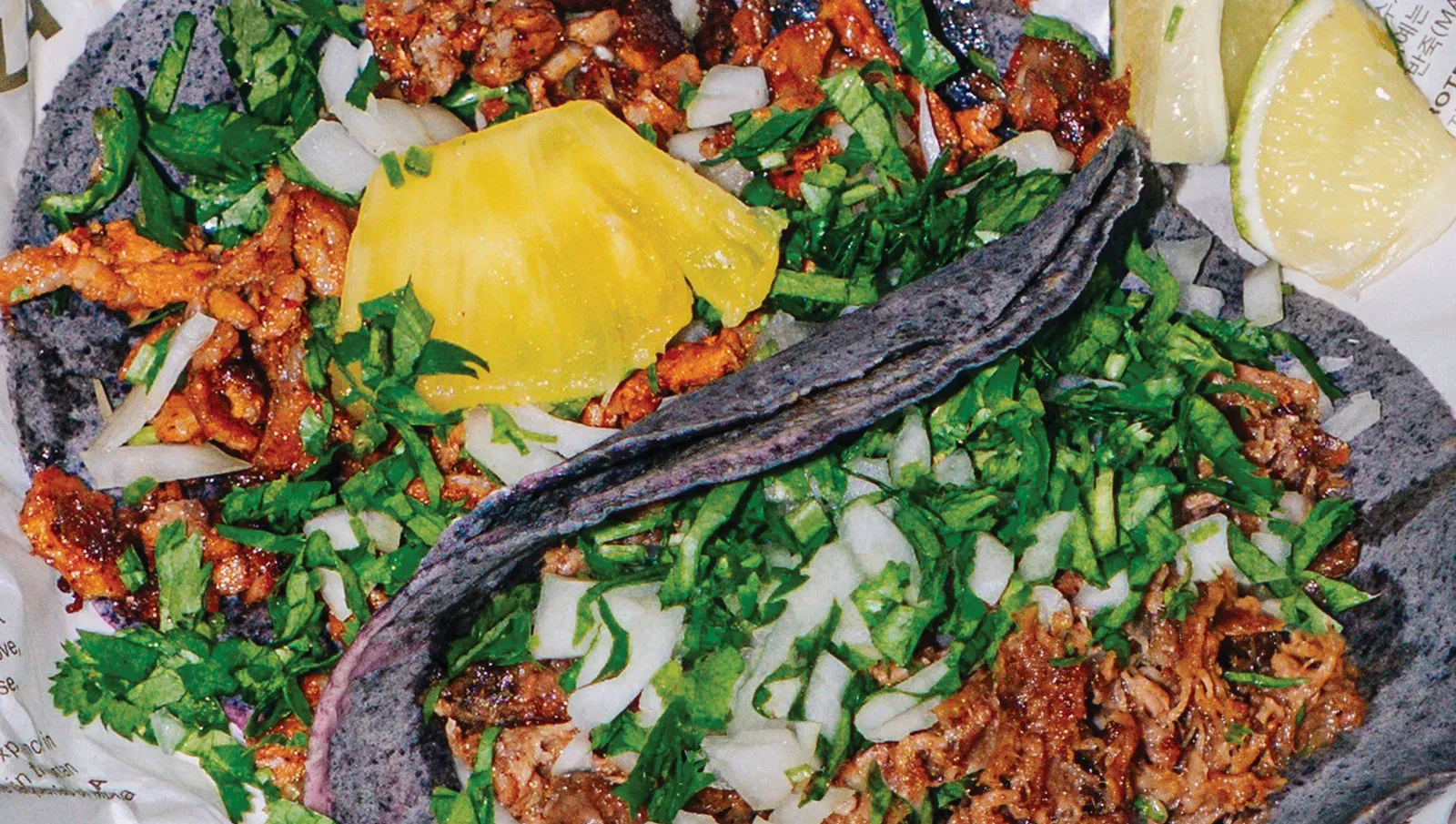
As millennials, Gen Z and international visitors pour in, cafés once found only in the trendiest neighborhoods are moving into the markets—even fashion-forward brands are opening shops. The traffic runs both ways: market favorites like eomuk (fish cakes), dakgangjeong (deep-fried and braised chicken) and bindaetteok have made their way into department stores.
Drawn by K-dramas, YouTube and social media, international visitors aren’t stopping at K-food. They’re exploring market alleys, decades-old restaurants, pojangmacha (covered cart bar) street stalls, medicinal herb districts and Korean desserts—experiencing everyday Korean life right there in the market.
Traditional Markets:
Where Local Life Meets Innovation
Overflowing with Korean ingredients, foods and goods of every kind, and thick with the scent of medicinal herbs, the market draws a constant stream of visitors—young and old, local and foreign. To outsiders, Korea’s traditional markets feel at once wondrous and undeniably hip. In one corner of an old market, couples soak in retro nostalgia at a space converted from a worn-out theater. On the rooftop, young people share pizza and gopchanggui (grilled beef tripe or grilled pork tripe), while international tourists watch elderly shoppers picking through medicinal herbs. Seniors, couples, young people and those from abroad, each spending their own kind of time in a single shared space: this is the most vivid portrait of Korea’s traditional markets today.
A New Scene at Traditional Markets
Traditional Markets as Everyday Service Platforms
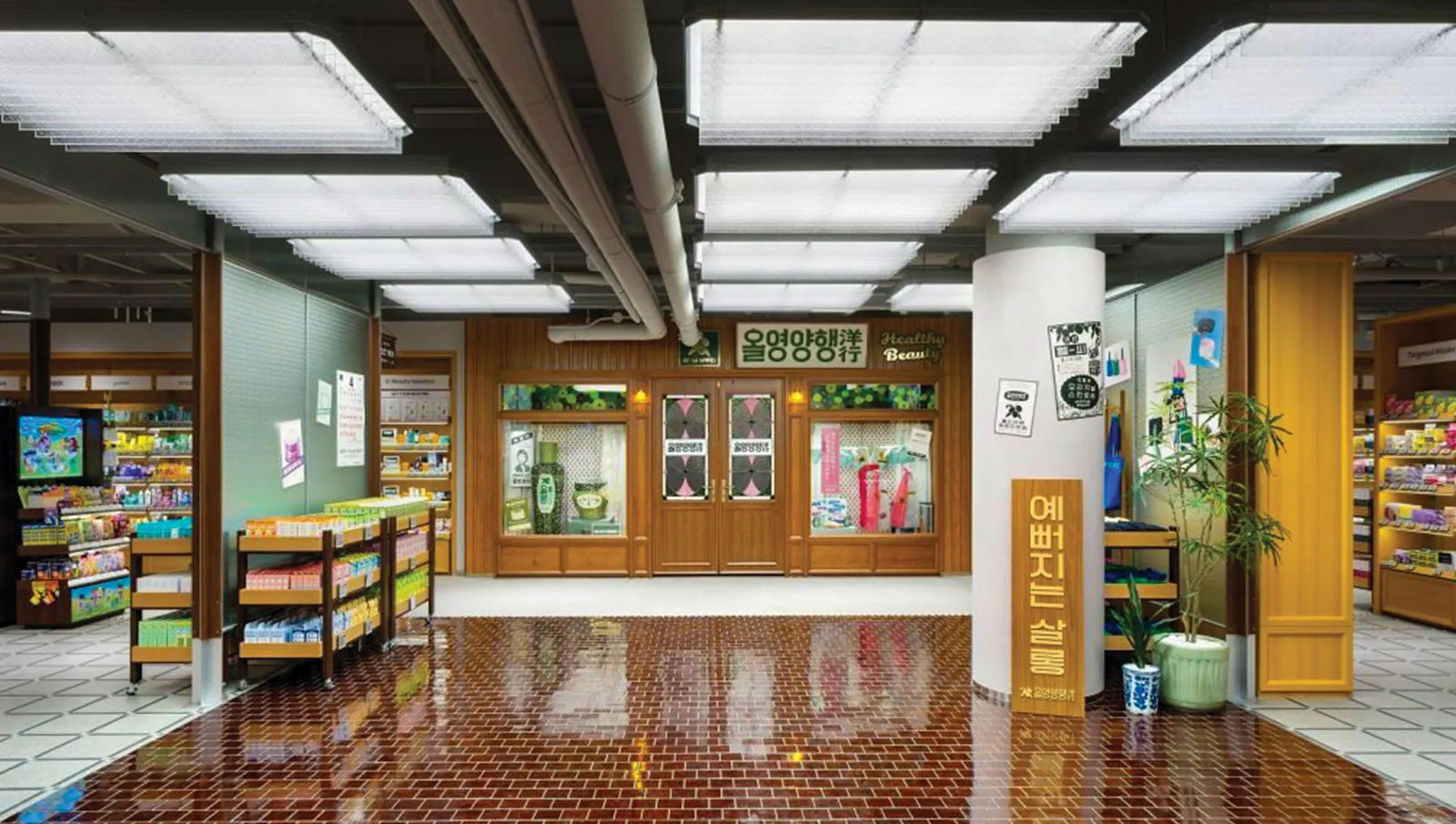
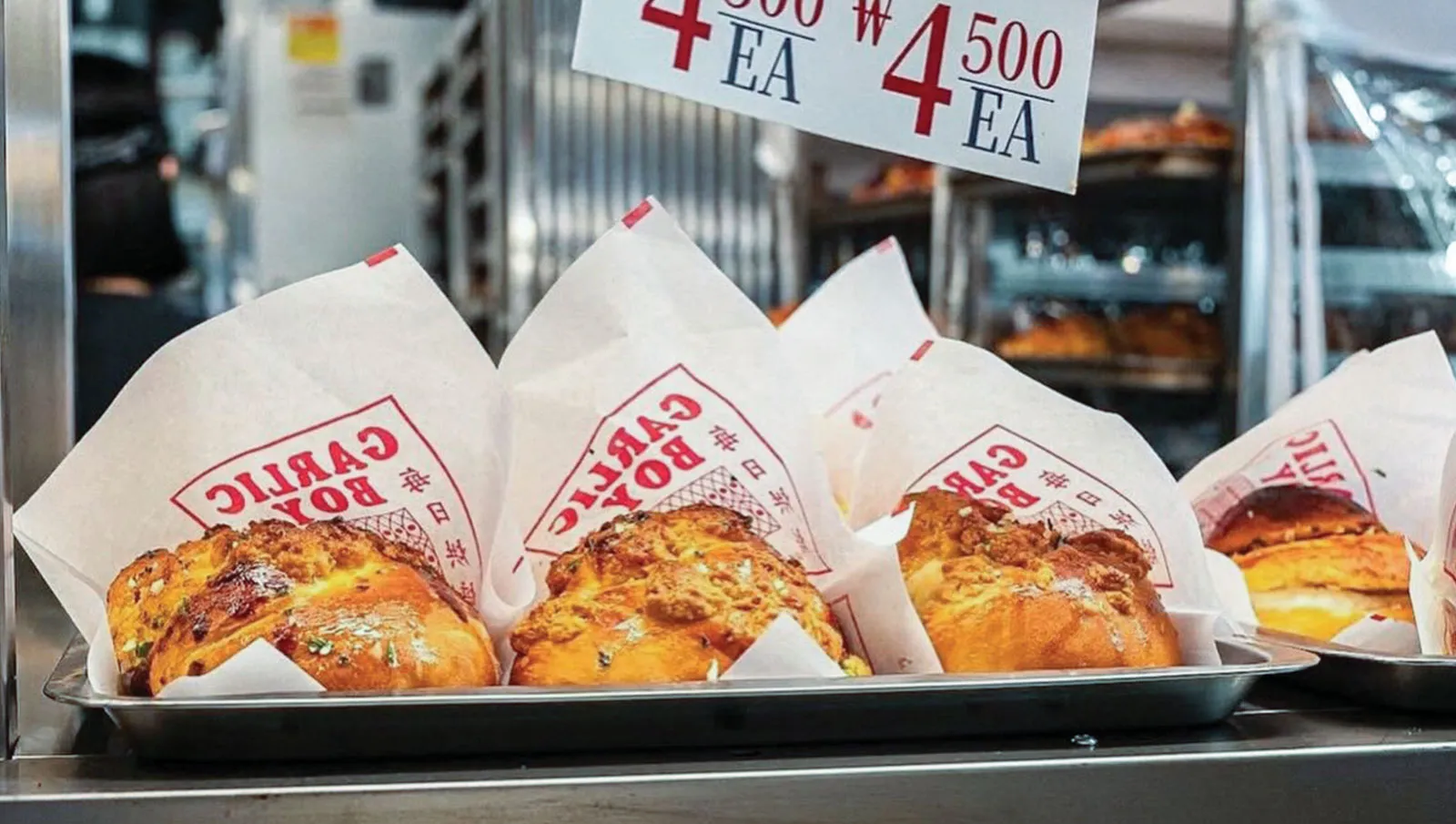
The world’s famous historic markets—Barcelona’s La Boqueria, London’s Borough Market, Florence’s Mercato Centrale, Tokyo’s Tsukiji Outer Market— are places to buy exceptional fresh ingredients and savor the food made from them. Korea’s markets, by contrast, function as all-purpose problem-solvers for daily life. You drop off clothes for alterations, buy banchan (side dishes), stop in at the hair salon, and get acupuncture at a traditional medicine clinic. There are even pharmacies and banks. At the market you can enjoy street food, have an out-of-fashion garment altered, and buy an oversized comforter—and if you’re wondering how you’ll ever fit it on a plane, the vendor will vacuum-pack it on the spot and fashion a carrying strap so you can take it home with ease. Korea’s traditional markets are almost magical places where daily life simply gets handled.
Where Daily Life Meets the Warmth of Human Connection
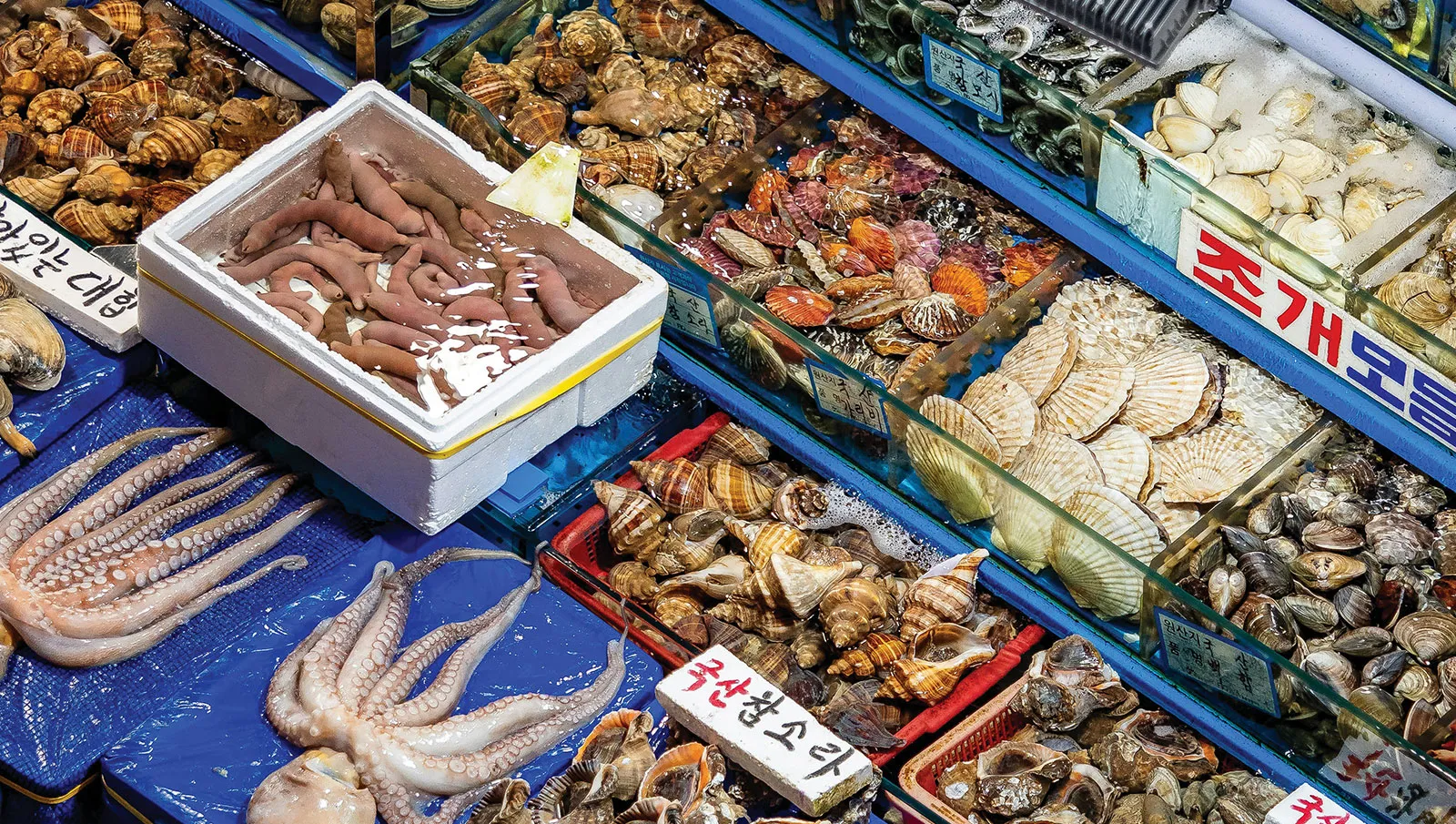
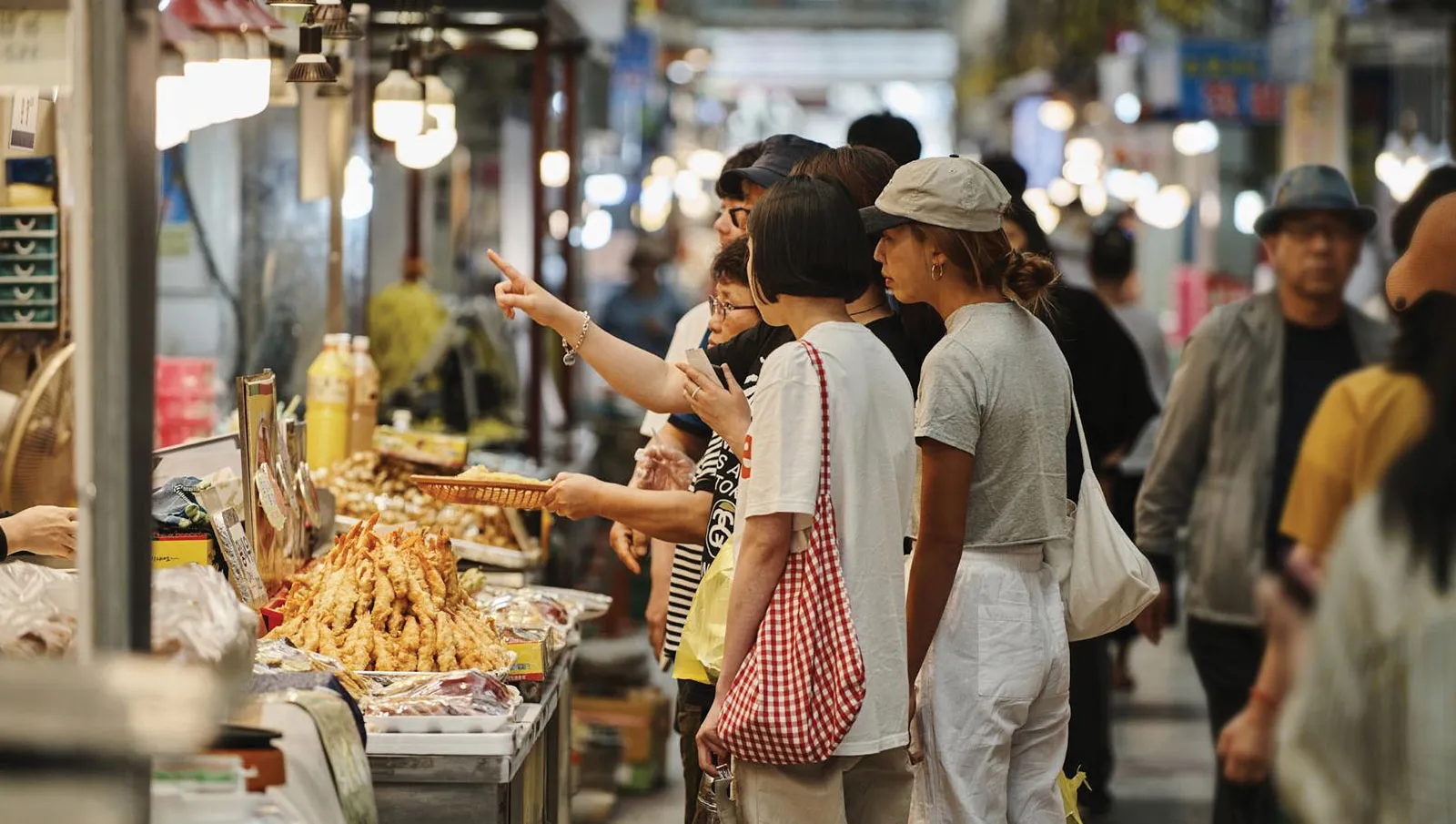
European markets center on selling ingredients, and Japanese markets lean heavily toward packaged goods to take away. At a Korean market, you sit down among complete strangers and eat your way through dishes that have fed everyday Korean life for generations—right then and there. Merchants and customers chat like old acquaintances. Buy something, and the vendor will say, unprompted, “You bought a lot—let me throw in a little extra.” This is Korea’s culture of the free bonus, and it’s an everyday experience at the market. Eating elbow-to-elbow with strangers, trading banter with vendors, walking away with a little something extra—this is the culture of jeong, the warmth of human connection, found nowhere quite like Korea’s traditional markets.
A Dynamic Space of Constant and Creative Experimentation
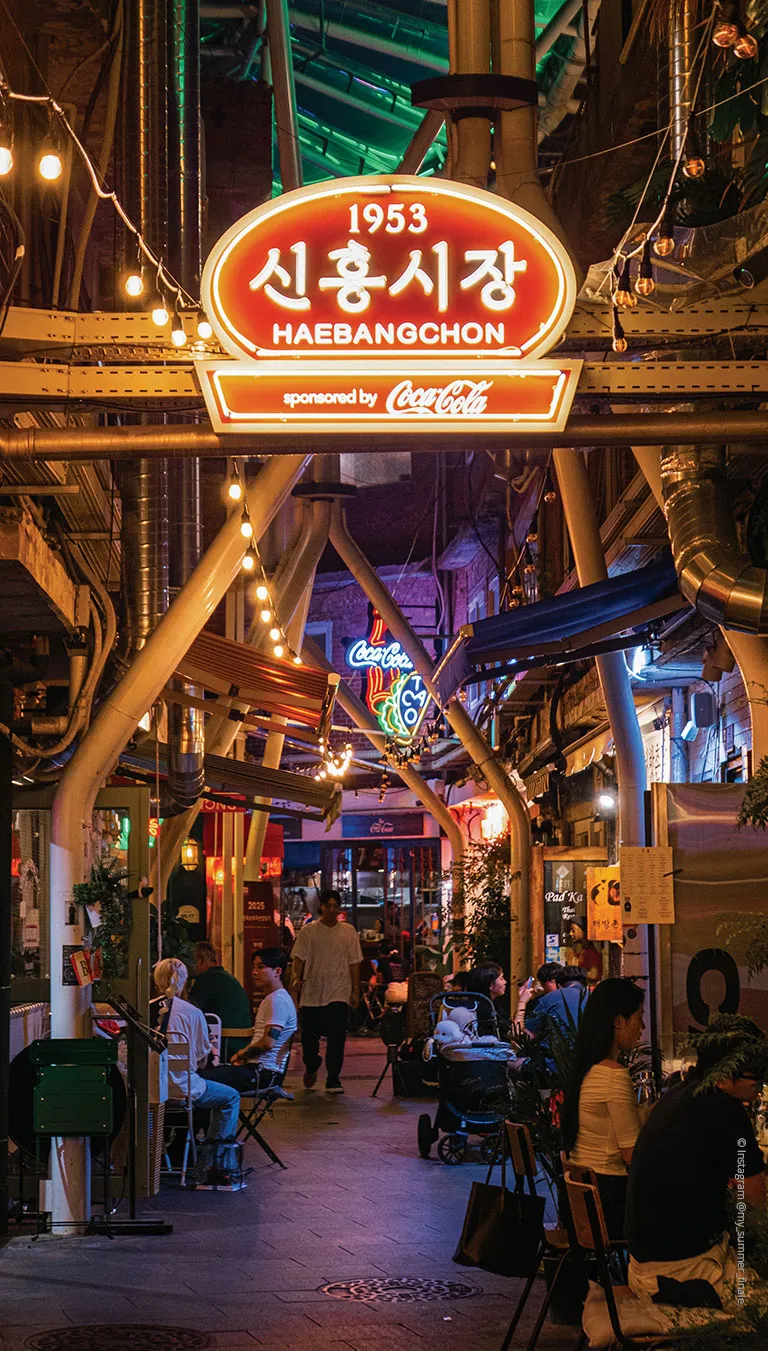
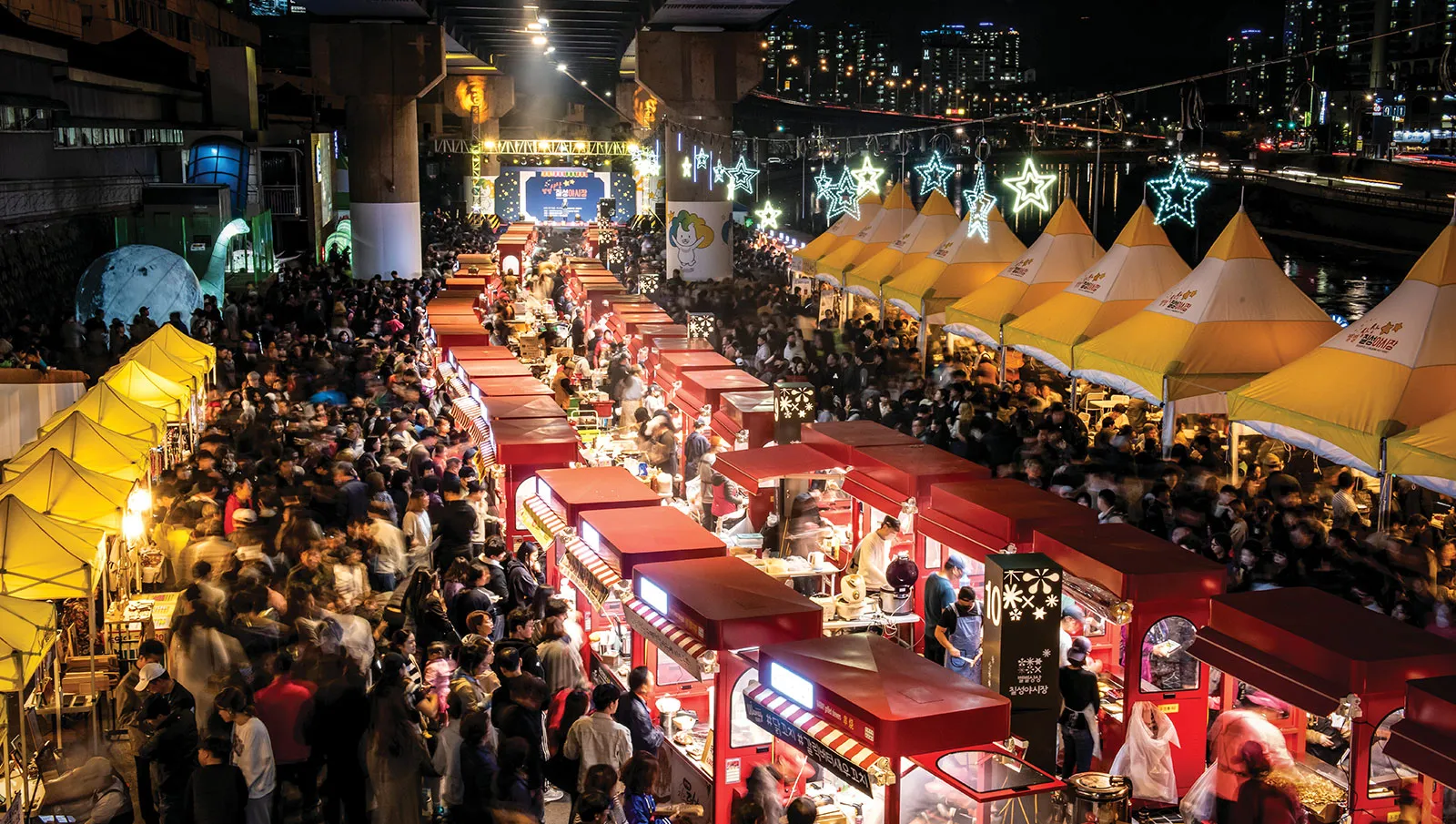
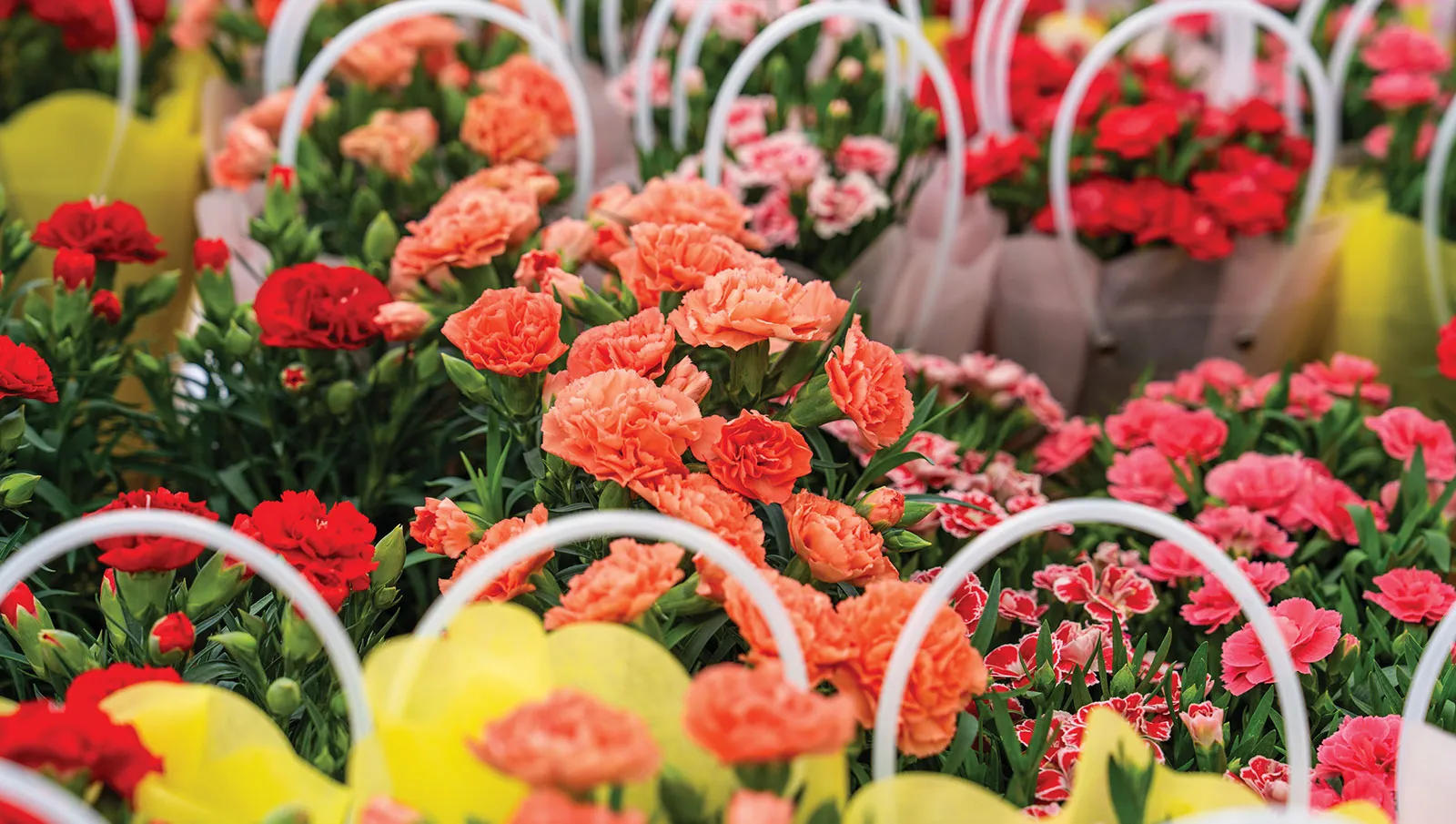
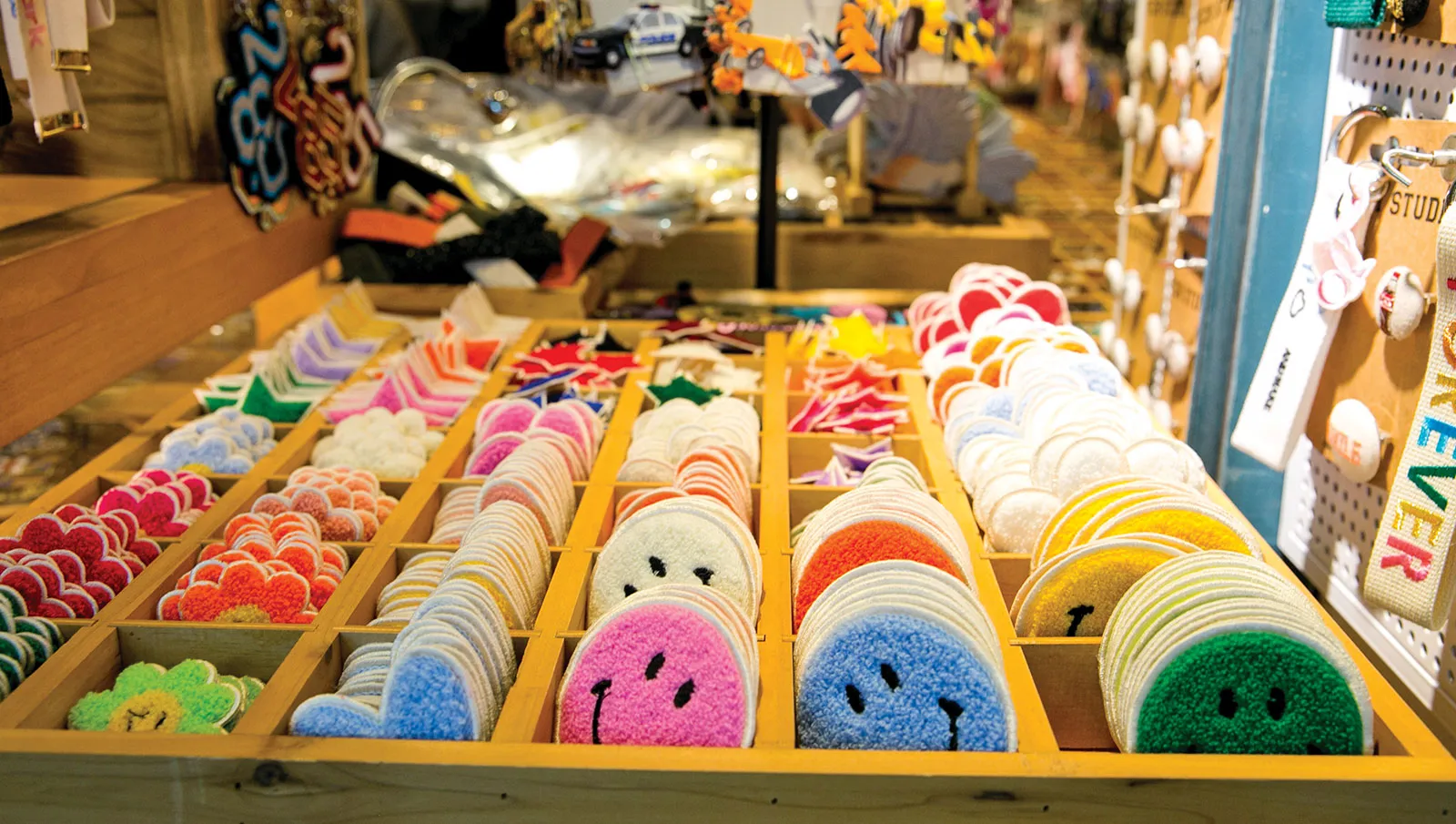
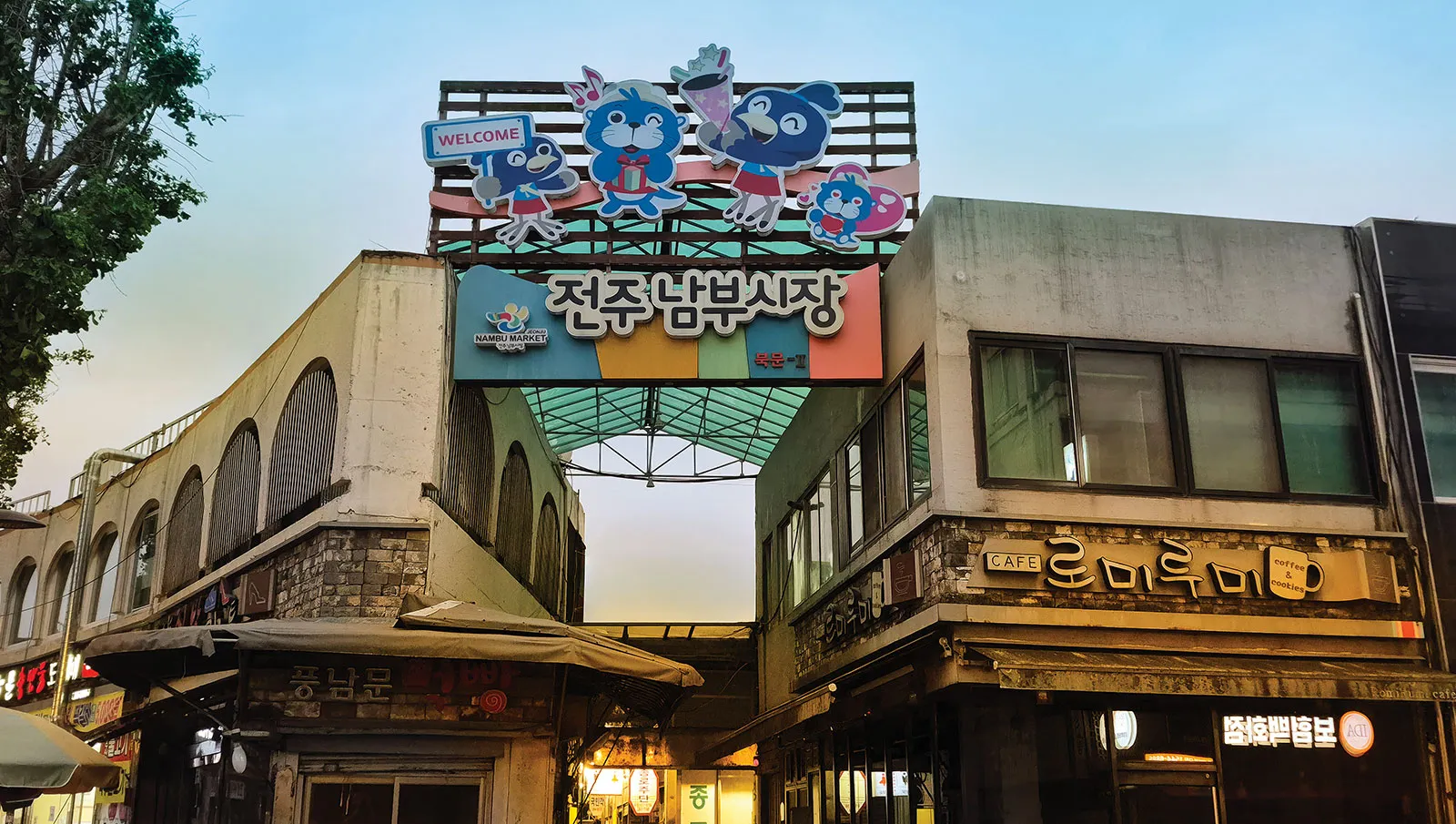
Korea’s traditional markets fell into decline as e-commerce became universal and big-box retailers expanded their reach. But starting in the early 2010s, they began to evolve—modernizing facilities, launching night markets and recruiting young merchants and youth-run shopping zones. Gyeongdong Market now partners with major corporations, including LG Electronics and Hyundai Motor Group. LG, with its 79-year history, uses the market as a heritage space, while Hyundai has donated rooftop food trucks to support young entrepreneurs. Other leading enterprises have also joined hands with markets, creating co-prosperity funds to improve infrastructure like signage, walkways and restrooms. In the 2010s, the run-down second floor of Jeonju’s Nambu Market was brought back to life by young people who rallied around the slogan “Earn just enough, live really well,” filling it with spaces bursting with personality. Sinheung Market in Seoul’s Haebangchon neighborhood transformed into a hotspot for the young generation while preserving its original market character. Korea’s markets honor the past—and yet they are spaces where dynamic experimentation never stops.
Is This Just a Passing Fad?
What brought the markets back to life? Alongside the global wave of K-dramas and Korean entertainment, one decisive turning point—at home and abroad—was COVID-19. The forced stay-home period led people to finally pay attention to the “self ” they had lost track of in their busy lives, and, with time to look around, to rediscover their everyday surroundings. That deepened appreciation of daily life crystallized into the idea of “local”—and the traditional market is the easiest, closest place to experience it. The travel demand that exploded after the pandemic fed a new sensibility: every moment of daily life as travel, travel woven into the everyday. Even for city dwellers, the most direct and intuitive place to experience the local is the traditional market.
According to the 2025 International Visitor Survey published by the Ministry of Culture, Sports and Tourism in May 2026, tourist arrivals to Korea reached 18.93 million, surpassing the prepandemic record set in 2019. Women, who account for 61.4 percent of all visitors, frequently cited K-content and traditional Korean culture as what drew them to Korea—and with a remarkable 81.6 percent of their tourism activity centered on food, the path leads naturally to the traditional market, where local flavor is most alive.
How to Meet the Real Korea
The Korean government recently launched the second phase of its “K-tourism Market” program to showcase the appeal of the country’s markets. Eleven markets nationwide were selected, including Seoul’s Gyeongdong and Mangwon Markets, Busan’s Haeundae Market, Daegu’s Seomun Market, Incheon’s Sinpo International Market, Sokcho Tourist & Fishery Market in Gangwon State (Gangwon-do Province) and Jeju Island’s Dongmun Market. The goal is to develop them not as mere shopping destinations but as hubs for experiencing Korea’s local culture.
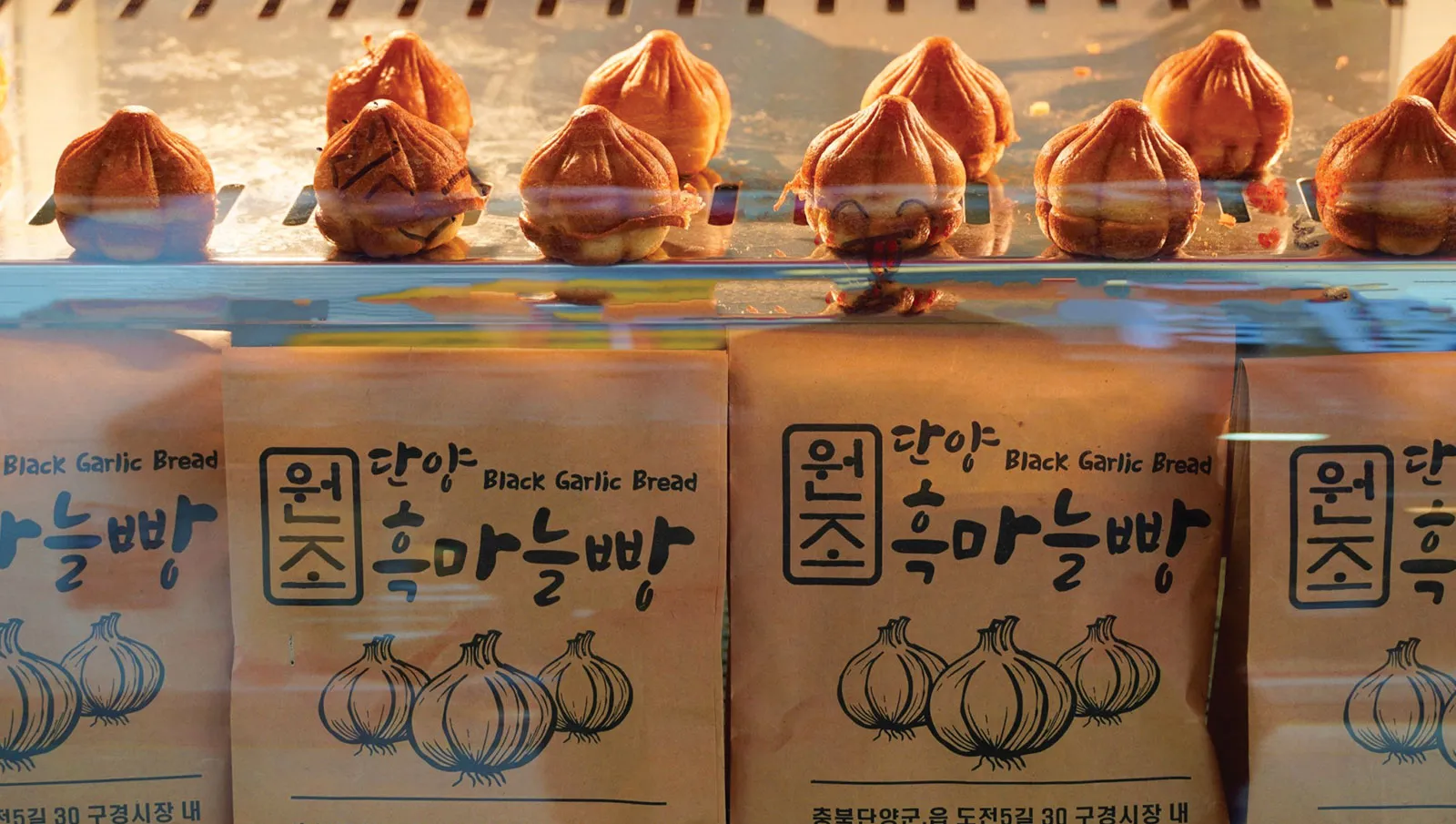
This leaves visitors with a pleasant dilemma: which market to choose? Each has its own personality and its own things to offer. You taste a dish you discovered on social media, accept the extra helping a vendor presses into your hands, stumble onto an unexpected space deep in an alley and capture it in a photo. This is the most honest experience a Korean traditional market can offer—a moment no guidebook can deliver and no algorithm can recommend.
The world’s fascination with Korea, having traveled from K-drama to K-pop to K-food, is now turning toward Korean everyday life. And nowhere is that everyday life more densely concentrated than in the traditional market. It is the most honest, living content Korea can offer the world.
Now it’s your turn to step into the places you’ve seen in dramas, films, and YouTube—and be the protagonist yourself.
Writer Ahn Juncheol
Ahn is a concept creator and a brand and marketing specialist with experience across finance, retail and consumer goods, including roles at Samsung, GS and Hanwha Group. He bridges different industries as a boundary crosser, bringing unique perspectives to consulting and branding. Currently, he focuses on urban branding and local consulting, grounded in his ongoing exploration of Korean local markets and urban culture.