The battery sector in Korea began to develop significantly during the 1990s, as small lithium-ion batteries emerged as essential parts with the growing popularity of IT devices. Though a latecomer compared to Japan, Korea rapidly grew its presence by advancing manufacturing processes and improving quality reliability. As the mobile industry driven by cell phones and laptops expanded rapidly in the 2000s, Korea emerged as a global leader in the small battery market.
With carbon emissions concerns and high oil prices making electric vehicles a new source of demand from the 2010s onward, major conglomerates including SK (SK On), LG (LG Energy Solution) and Samsung (Samsung SDI) aggressively expanded facility investment and technology development in mid-to-large-format batteries. They focused on ternary batteries (NCM/NCA, which use nickel, cobalt and manganese or aluminum in the cathode to pack more energy into the same size), offering higher energy density than China’s lithium iron phosphate (LFP) batteries, which are generally heavier and lower in energy density. SK On in particular led the charge in high-nickel battery innovation by being the first in the world to commercialize the NCM622 battery in 2014 and the NCM811 battery in 2018. These advances dramatically extended EV range and enabled fast charging.
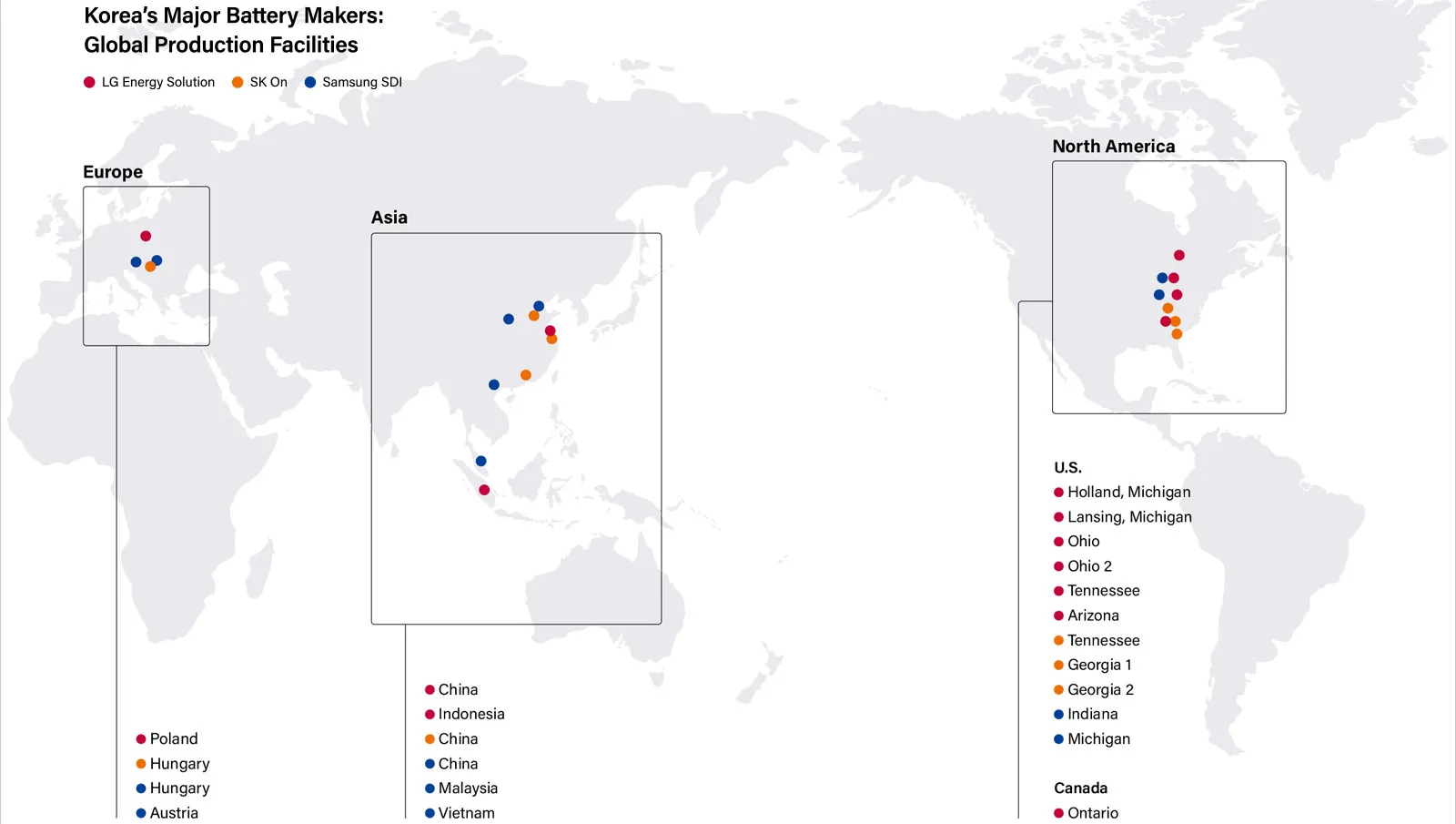
As supply agreements with major automakers such as Volkswagen, General Motors, Ford, Mercedes- Benz and Hyundai grew, K-battery began pioneering overseas markets in Europe, the United States and China from the mid-2010s onward. The strategy was to establish production bases in key regions to deliver batteries to customers quickly and improve productivity. To target the European market, LG Energy Solution built a plant in Poland, while SK On and Samsung SDI built facilities in Hungary. K-battery also entered the United States, the world’s second-largest automotive market after China. When the U.S. announced policies including the Inflation Reduction Act (IRA) in 2022, local production and supply chain development emerged as critical priorities, and K-battery stepped up its push into the American market.
This global market expansion drove co-growth in battery-related materials, equipment and components, contributing to a major leap forward for the domestic battery industry ecosystem. As the industry grew rapidly, efforts were made in collaboration with government and academia to expand the training and education of battery specialists and secure human resources. Currently, the K-battery trio operates dedicated “battery contract departments” with leading Korean universities to cultivate future talent.
The Driving Force
Behind the Future
Battery Industry
Head of SK On Future Technology Institute
Korea’s battery (secondary cell) industry stands at the forefront of a global industrial transformation driven by electrification, wireless technologies, and sustainability. As emerging sectors such as AI, robotics, and autonomous mobility continue to expand, batteries are becoming even more critical, serving as a cornerstone of sustainable growth. As the era of battery-powered everything approaches, K-battery is leading the global market through its technological edge.
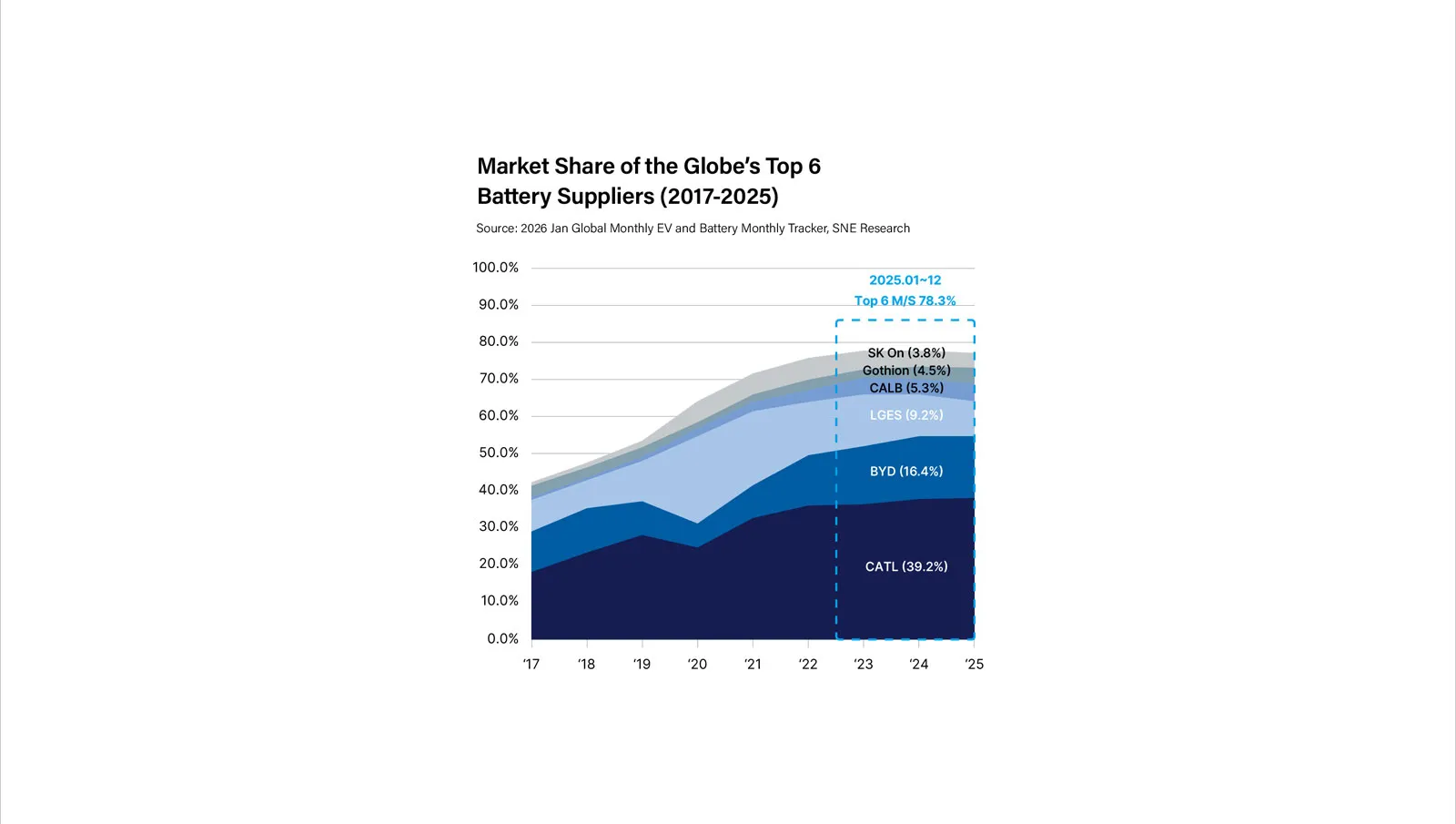
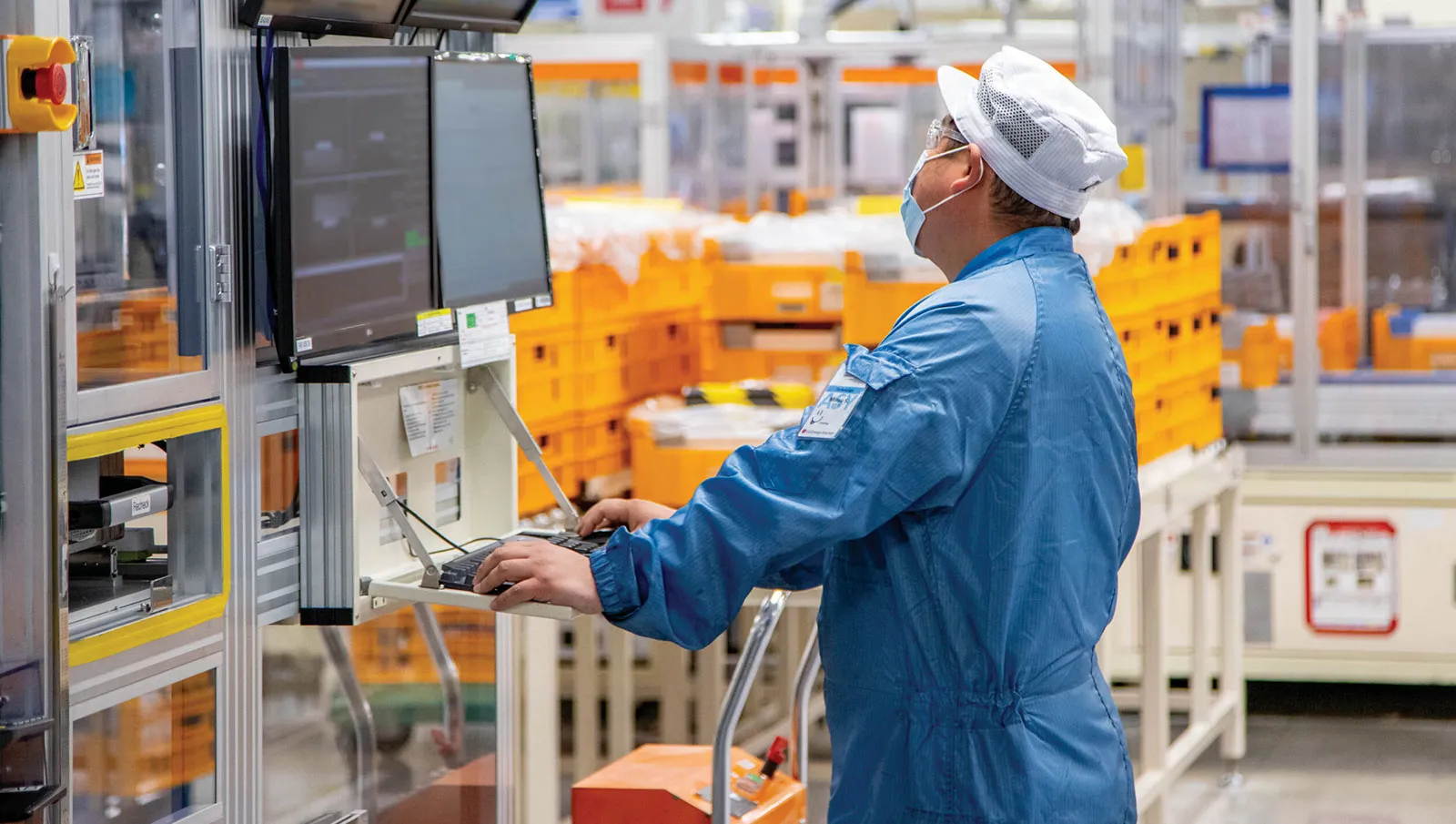
As a result, Korea has positioned itself as a core pillar of global battery supply, backed by its local production infrastructure and leading technology development capabilities. The “K-battery trio” of SK On, LG Energy Solution and Samsung SDI each have different strategies and product portfolios, but have consistently maintained top 10 rankings in the global market.
The strength of Korea’s battery industry lies in its technological reliability and quality competitiveness. Built on data accumulated through collaboration with global automakers and manufacturing know-how gained from the electronics and chemical industries, Korean companies supply high-performance, high-safety batteries and maintain a diverse customer base. High-energy-density cell development, thermal management, safety performance and rigorous quality control systems are among the hallmarks of the Korean battery industry.
Beyond the already firmly established ternary battery segment, K-battery has also thrown down the gauntlet in the LFP battery market. Companies are also actively diversifying their product portfolios, including mid-nickel and manganese-rich batteries with improved cost competitiveness and cycle life, to meet the varied demands of their customers. Battery form factors are likewise being diversified across pouch, prismatic and cylindrical types.
While the EV market is currently experiencing a slowdown known as a “chasm” phase due to high interest rates and policy volatility, it is difficult to see this as a weakening of the battery industry’s growth drivers. On the contrary, the range of battery applications is actually expanding, with new demand sources emerging across energy storage systems (ESS), robotics, urban air mobility (UAM) and defense mobility. Growing market demand for stabilizing data center power consumption driven by the spread of AI, and for smoothing the variability of renewable energy, has increased interest in ESS. K-battery is responding by establishing dedicated production lines and introducing technologies to improve fire safety. SK On drew attention with its Electrochemical Impedance Spectroscopy (EIS) system, which goes beyond conventional battery management systems that only monitor cell temperature to analyze electrochemical reaction characteristics inside battery cells, enabling early fire risk detection 30 minutes in advance. Samsung SDI introduced its module-integrated direct injection (EDI) technology, while LG Energy Solution applied a design that prevents fire propagation at the module level. K-battery companies are actively pursuing new market opportunities and safety innovation, continuing to shape the future of the global battery industry.
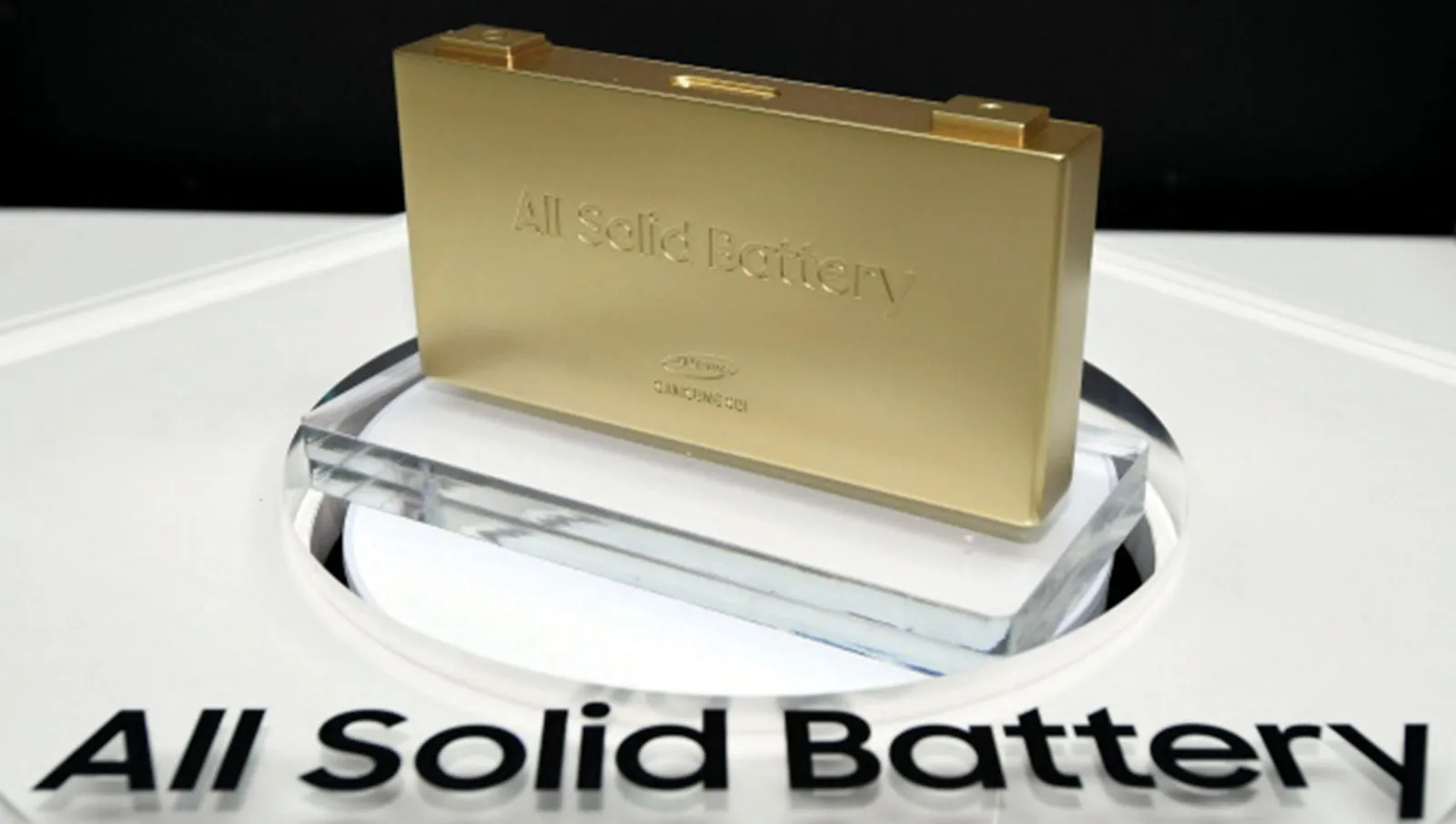
Korea is also investing heavily in R&D to secure leadership in the next-generation battery market, with the industry’s attention focused squarely on solid-state battery technology. Solid-state batteries use a solid electrolyte instead of the conventional liquid electrolyte, offering improved energy density and safety compared to conventional lithium-ion batteries, and are widely regarded as a potential game changer that could reshape the future battery market landscape.
K-battery companies are strengthening collaboration with academia and materials companies, pressing ahead to gain the upper hand in the race to commercialize solid-state batteries. SK On completed construction of a solid-state battery pilot production line in September of last year, moving its mass production target forward by one year from 2030 to 2029. The pilot line is pursuing development of sulfide-based solid-state batteries and lithium metal anode batteries, applying proprietary process technologies such as Warm Isostatic Pressing (WIP) to improve electrode density and performance, with work ongoing to advance battery lifespan and safety. LG Energy Solution and Samsung SDI are also accelerating solid-state battery technology development through sample production and pilot line operations. All three companies are targeting mass production of solid-state batteries by 2029.
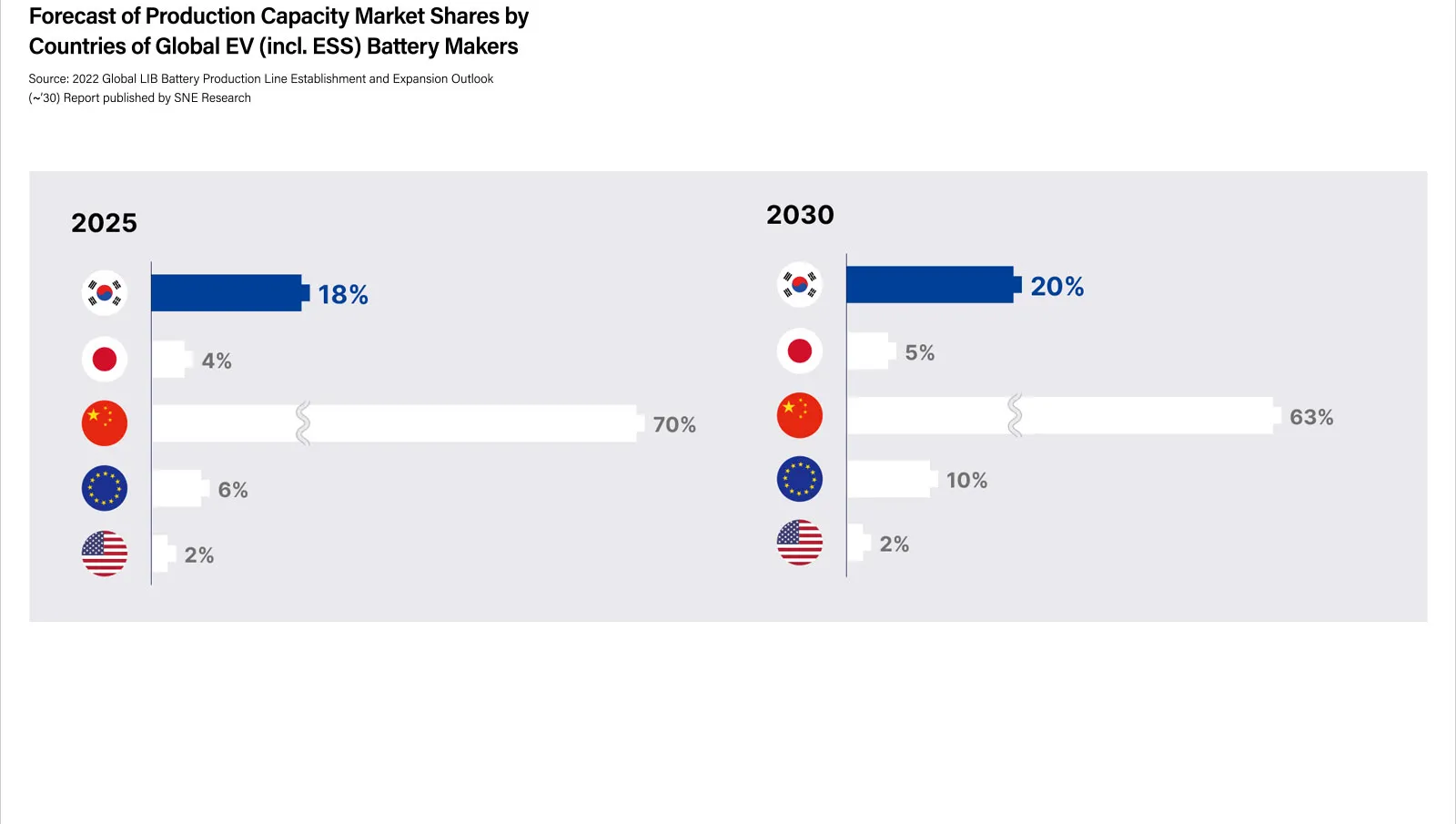
The Korean government has also lent its support to K-battery’s ascent. Last year, the government announced a “K-battery Competitiveness Enhancement Plan,” pledging support and laying out a blueprint to achieve a 25% global market share by 2030 through securing next-generation battery technology leadership, strengthening the materials and mineral supply chain, and creating domestic demand to sustain the local production base.
Batteries have emerged as a national strategic industry playing a central role in the energy transition and sustainable growth of future society. The technological competition and supply chain development surrounding batteries is growing ever more intense among nations. At this juncture where opportunities and challenges converge for future industries, K-battery is leading the way toward sustainable growth through innovative technology development and global competitiveness.