
“Mix coffee,” also called office coffee, first appeared in Korea in 1976. That year, coffee distributor Dongsuh Foods Corporation developed Prima, a powdered coffee creamer made with palm oil, and introduced coffee mix by combining it with instant coffee and sugar in a single packet. Mix coffee, which made it easy to prepare smooth, sweet coffee anytime, anywhere, won over Korean consumers. The popularity of mix coffee created a fixed notion about coffee among people: it should be quick to consume and sweet. Mix coffee rode the wave of Korea’s “Miracle on the Hangang River,” fueling alertness through the nation’s era of compressed growth and rapid industrialization.
The Dynamic Evolution of
Korea’s Coffee Scene
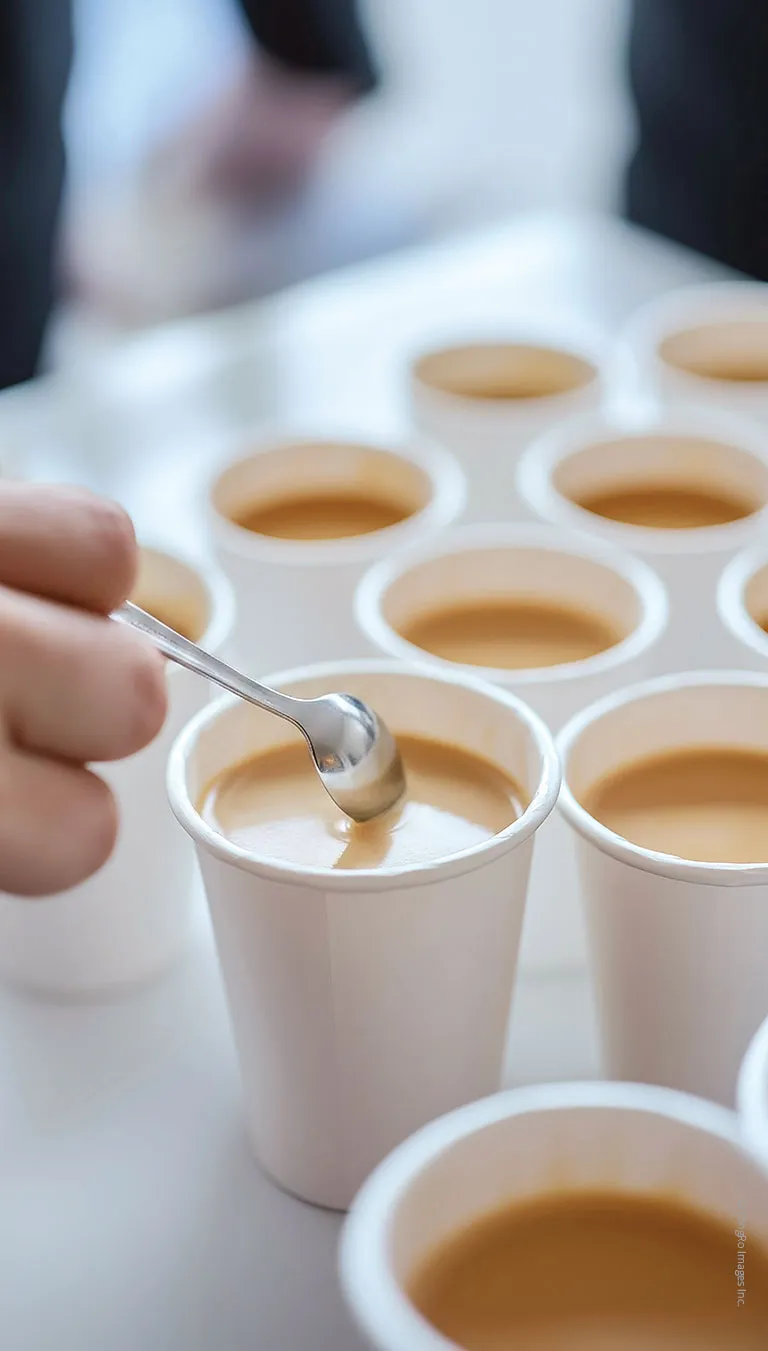
Cover Story 1
Writer
Cho Wonjin
Mix coffee, or the convenient coffee packets to instantly make coffee by adding hot water, laid the foundation for a nationwide network of affordable coffee franchises. Meanwhile, craftsmanship became the bedrock of the high-quality coffee market, including specialty coffee. This dedication to mastery, marked by rigorous training and the pursuit of excellence, has produced highly skilled experts across the industry, fueling the evolution of Korea’s coffee scene.
Mixed Coffee Created for Efficiency
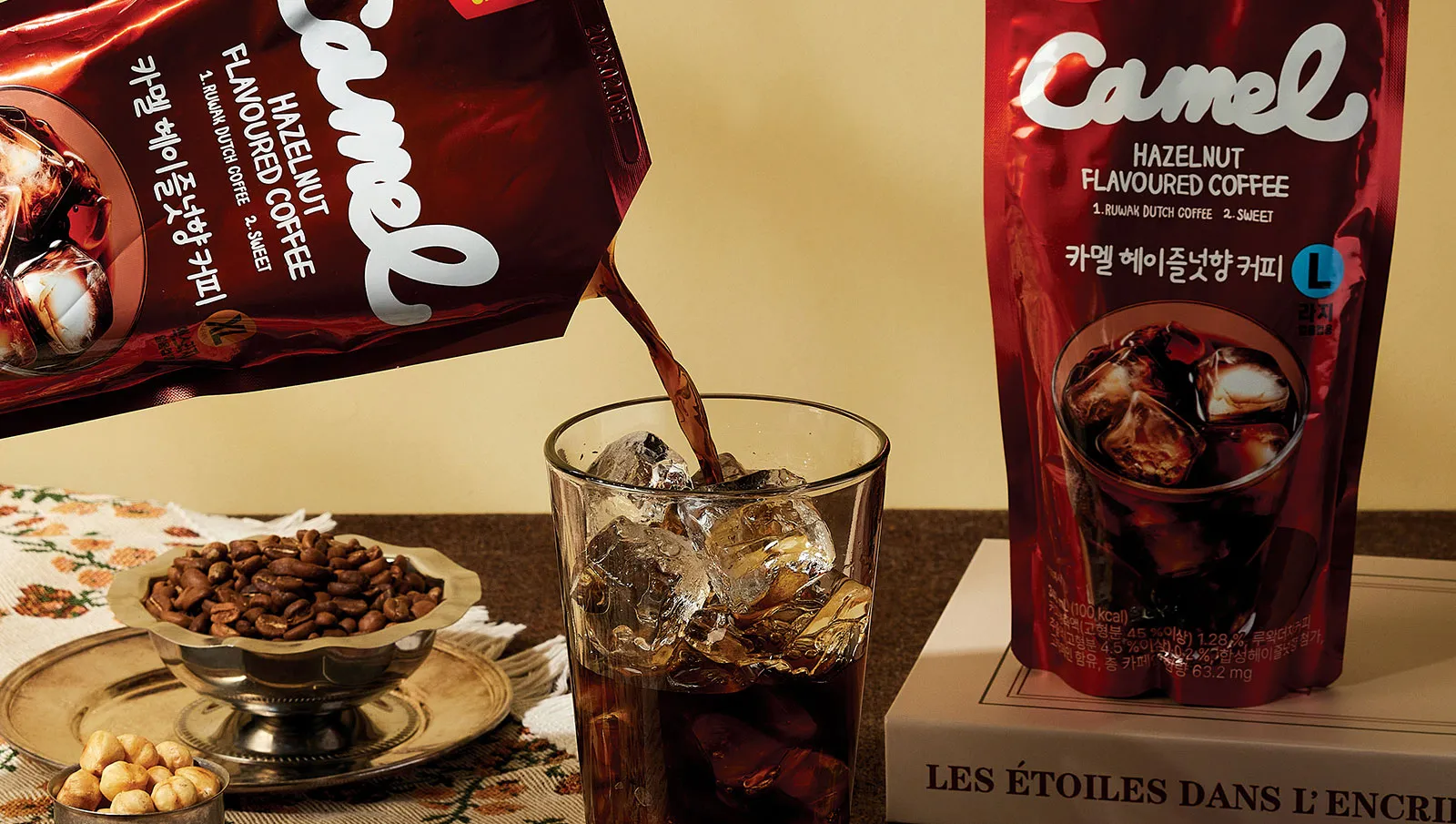
The Korean convenience store brand GS25 launched a RTD coffee product in collaboration with the Korean coffee brand Camel Coffee. The product comes in a pouch that can be opened and consumed immediately. © GS25 official Instagram (@gs25_official).
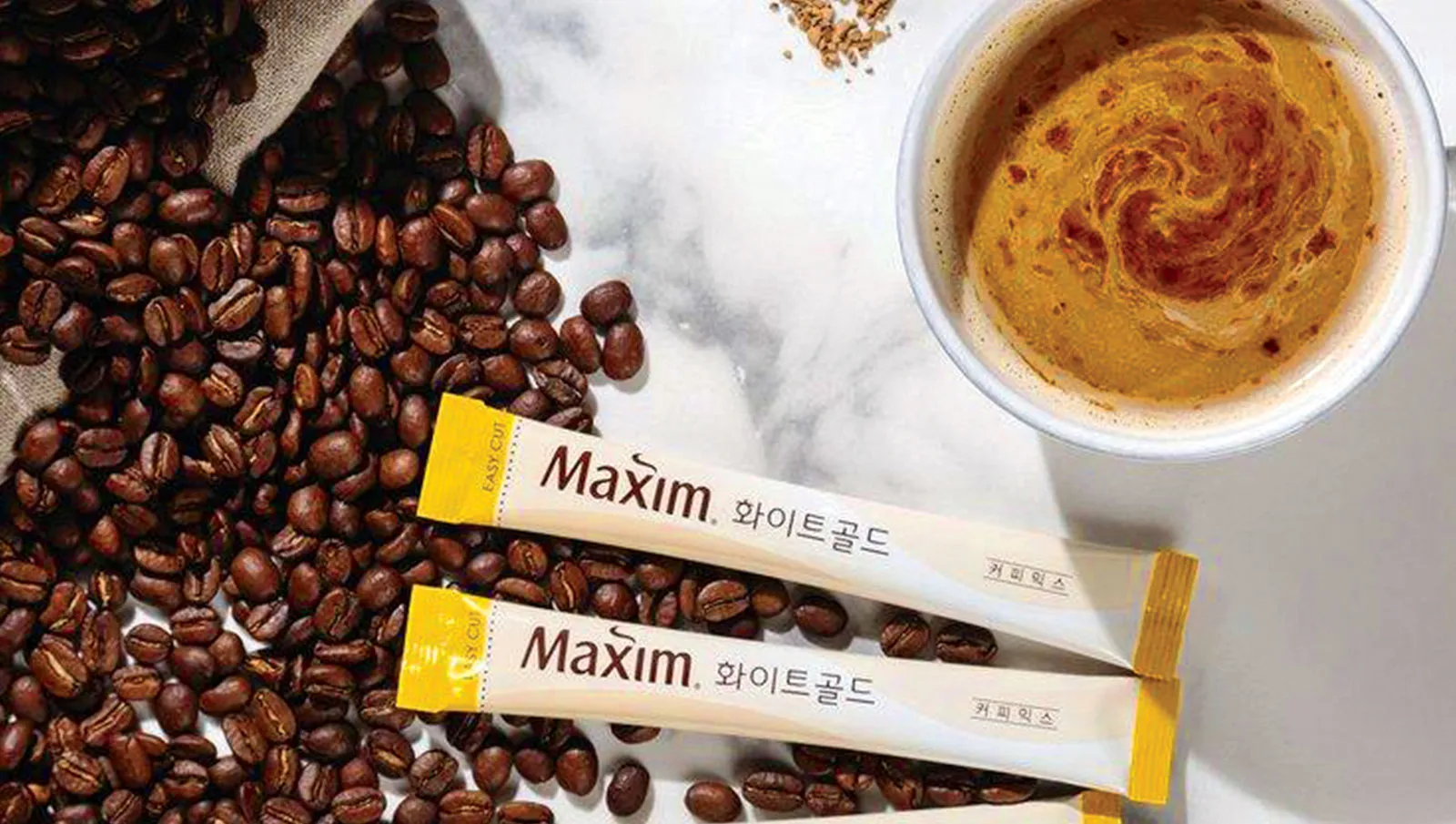
Maxim is a flagship coffee product of Dongsuh Foods Corporation, which introduced Korea’s first instant mix coffee. The product contains instant coffee powder, sugar, and creamer, which are dissolved in hot water before drinking. © Dongsuh Foods Corporation.
The Coexistence of Efficiency and Craftsmanship
Korea’s everyday coffee culture, which began with mix coffee, evolved in two directions over time. RTD (Ready to Drink) products, known as “convenience store coffee,” now claim the largest share of Korea’s coffee market. Convenience store refrigerators stocked with various coffee beverages help people of all ages to enjoy coffee quickly and easily.
Meanwhile, awareness spread that some ingredients in mix coffee, such as sugar and powdered cream, were not considered healthy. When espresso-based international coffee brands entered Korea in the late 1990s, bean-based coffee quickly gained popularity. Among the many menu options available, the iced Americano was particularly beloved. Served cold from the start, without the need to cool it down, it appealed to many Koreans for its cleaner bitterness and refreshing finish. As a result, it became the undisputed bestseller at coffee shops. Around schools and offices, in commercial districts and alleyways, takeout franchise stores competed to set up shop, selling large iced Americanos for about KRW 2,000 (approximately USD 1.40). The kiosks adorning storefronts demonstrated the importance of fast, efficient consumption—Korean Starbucks even became the world’s first to introduce the mobile order and payment service “Siren Order” in line with this trend.
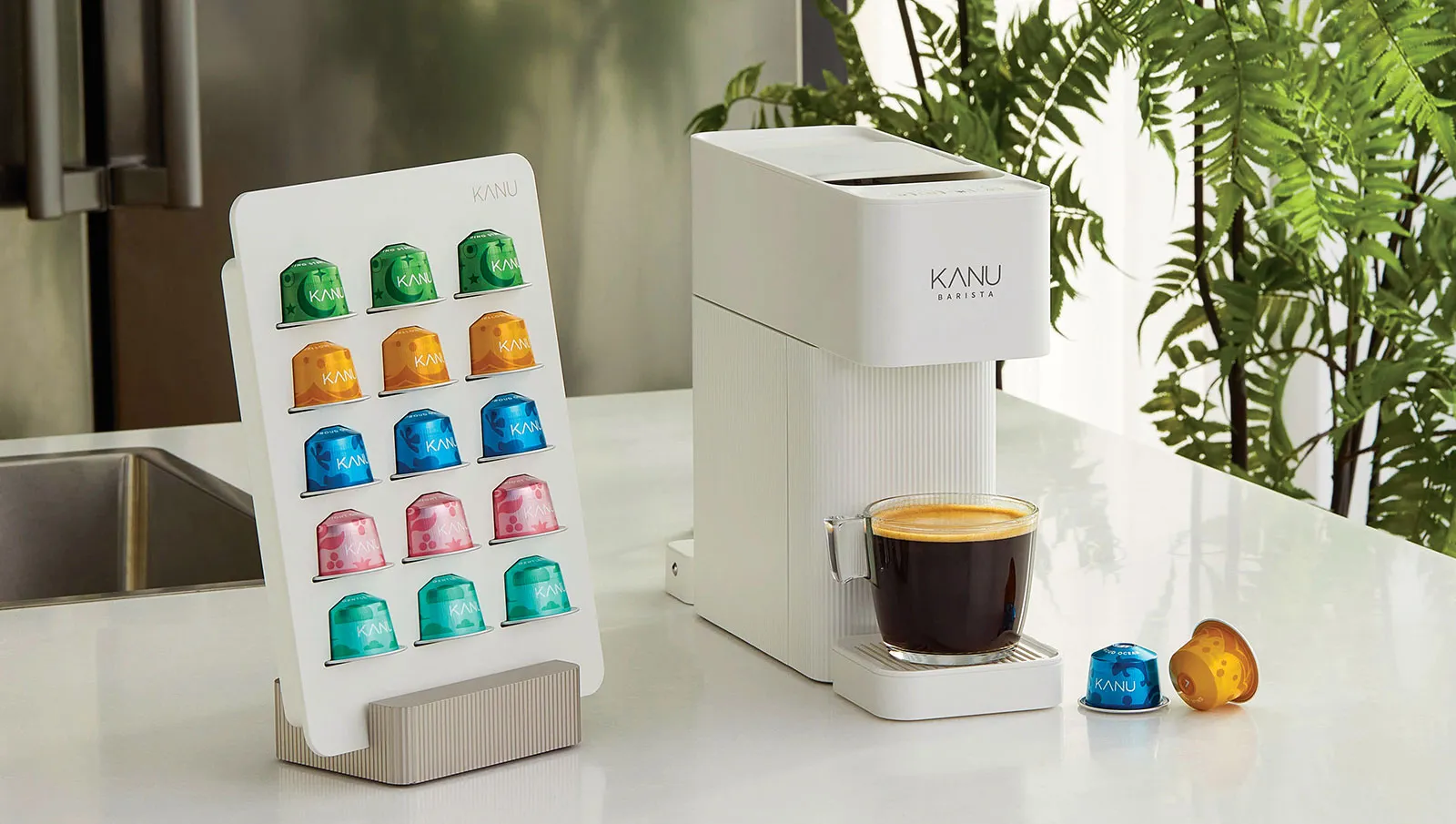
KANU is one of Korea’s instant coffee brands and also offers a capsule coffee machine line that brews coffee using capsules. © Dongsuh Foods Corporation.
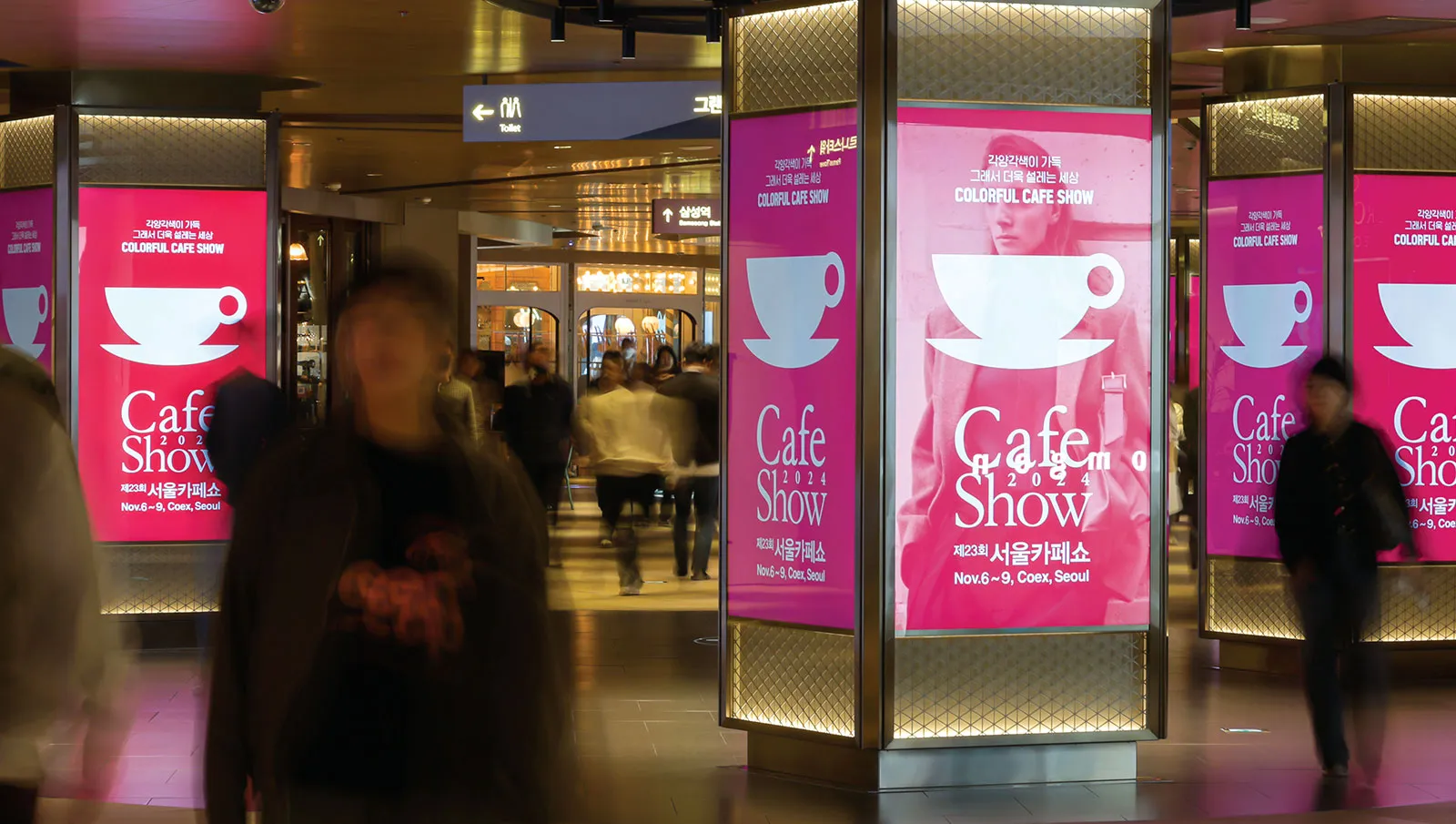
The Seoul Café Show, held annually at Coex in Gangnam-gu District, Seoul, is a major event gathering coffee professionals from across Korea. © Café Show.
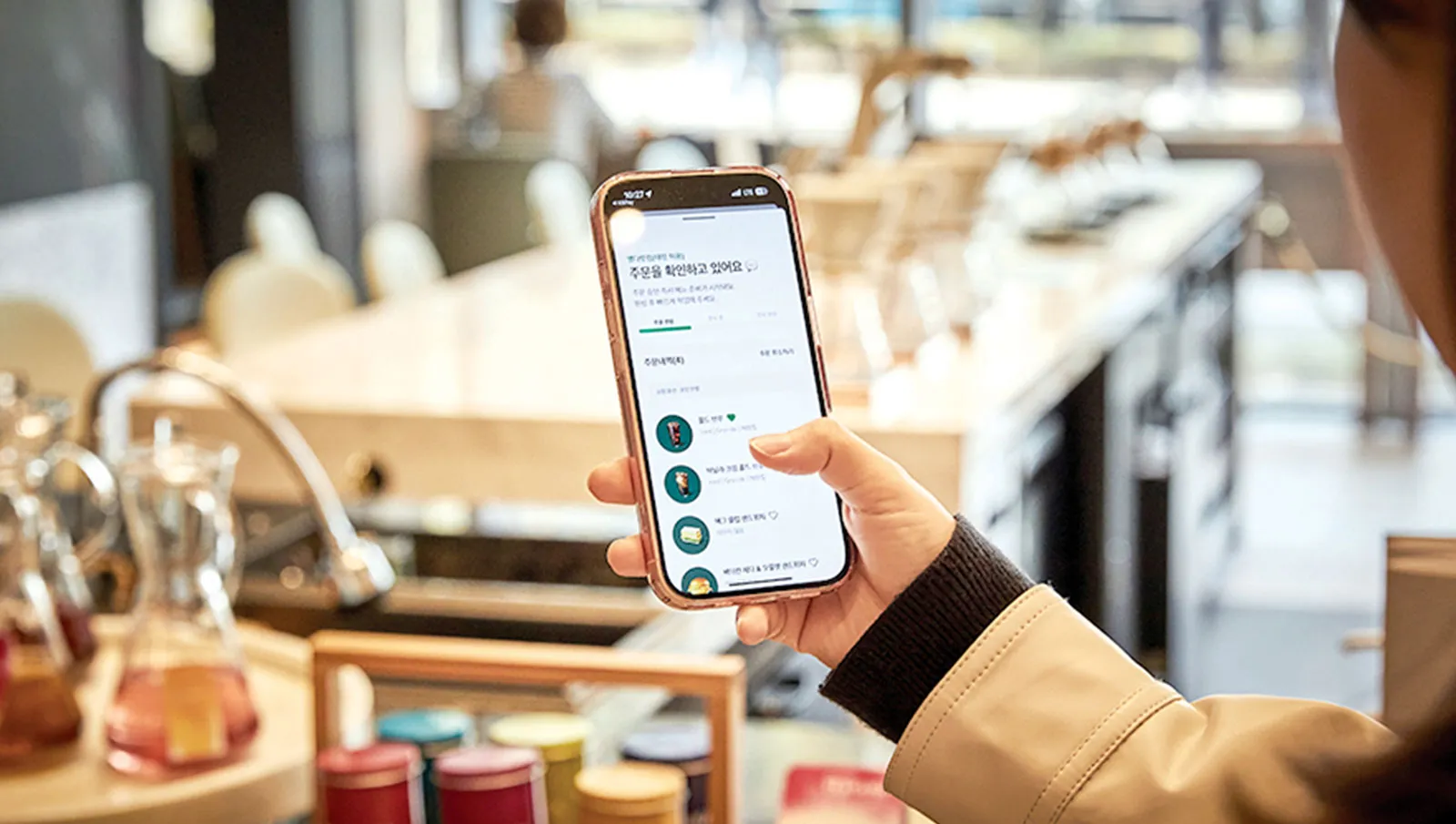
The Starbucks Siren Order system, first introduced in Korea, allows customers to place orders from inside the store or before arriving, without needing to order directly from staff. © SHINSEGAE GROUP NEWSROOM.
At the opposite end of Korea’s “fast and efficient” caffeine consumption are cafés armed with craftsmanship. Artisans who view the entire coffee-making process as an art form have driven the evolution of Korea’s coffee industry over the years. Particularly after 2000, with the introduction of specialty coffee culture that emphasizes the inherent taste and aroma of high-quality coffee, Korea’s coffee industry developed dramatically. As specialty coffee brought a new emphasis on scientific and systematic training, experts rapidly emerged across every stage of the process—from green coffee sourcing to cupping, roasting and extraction. Finding shops roasting their own coffee became easy anywhere in the country, and the number of people obtaining specialty coffee certifications (including Q Grader and SCA certifications) surged.
Korean society is marked by a strong competitive spirit. While some criticize this competitiveness as a remnant of compressed growth, it has also fostered healthy competition when combined with craftsmanship infused with responsibility and sincerity. This benevolent competitive drive to constantly strive for the top has elevated Korea to leading positions in various fields, including globally popular K-culture content. The same formula applies to coffee. Korea is considered to have reached world-class levels in various areas including coffee extraction, roasting, cupping and latte art.
Korea’s coffee industry now faces sophisticated consumers. Korean cafés must quickly adapt to consumer trends to keep up with changing tastes. Since 2010, social media has accelerated the pace at which trends rise and fall, while content has grown increasingly intense in its bid to capture consumer attention quickly.
The Italian espresso boom during the COVID-19 pandemic exemplifies the ever-changing topography of Korea’s coffee industry. Coffee taste and atmospheres rivaling authentic espresso bars resonated with sophisticated consumer palates and preferences. Generations raised on foreign cultures took naturally to standing at the bar and drinking their espresso the Italian way—then started stacking the cups and sharing the moment on social media. Koreans adopted other international forms of coffee consumption, including Vienna coffee (Einspänner), the unique dalgona (Korean sugar candy) coffee and adding espresso shots to iced tea. All of these trends helped Korean coffee-makers to gain lots of experience.

“Eoljuk-a” is a shorthand for “even if I freeze to death, I’ll have an iced Americano,” reflecting the Korean preference for iced Americano even during cold winters. (AI-generated image)
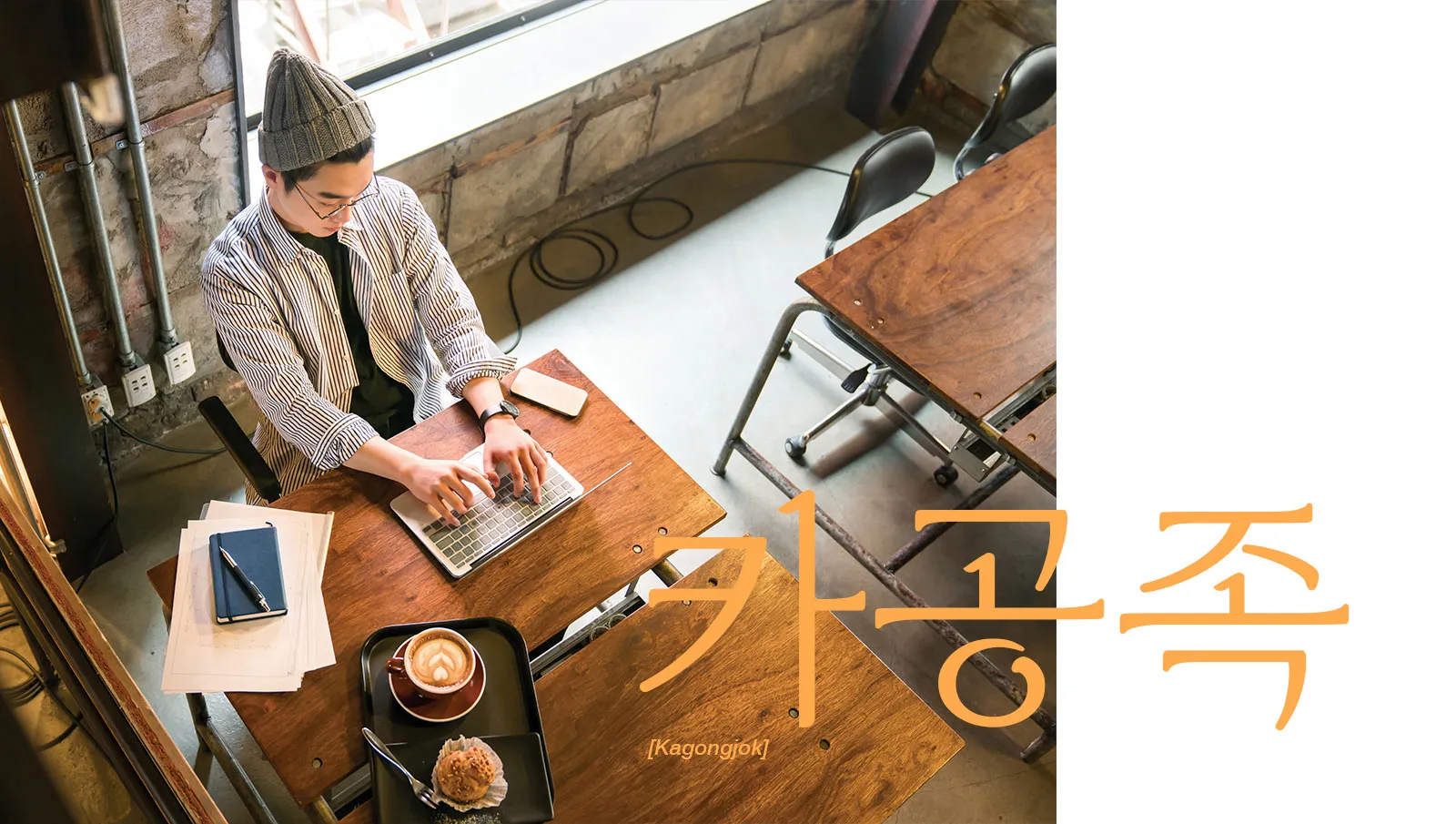
“Kagongjok” combines the phrase “studying at a café” with the suffix “-jok,” meaning group, referring to people who spend long hours studying in cafés. © Gettyimages Korea.
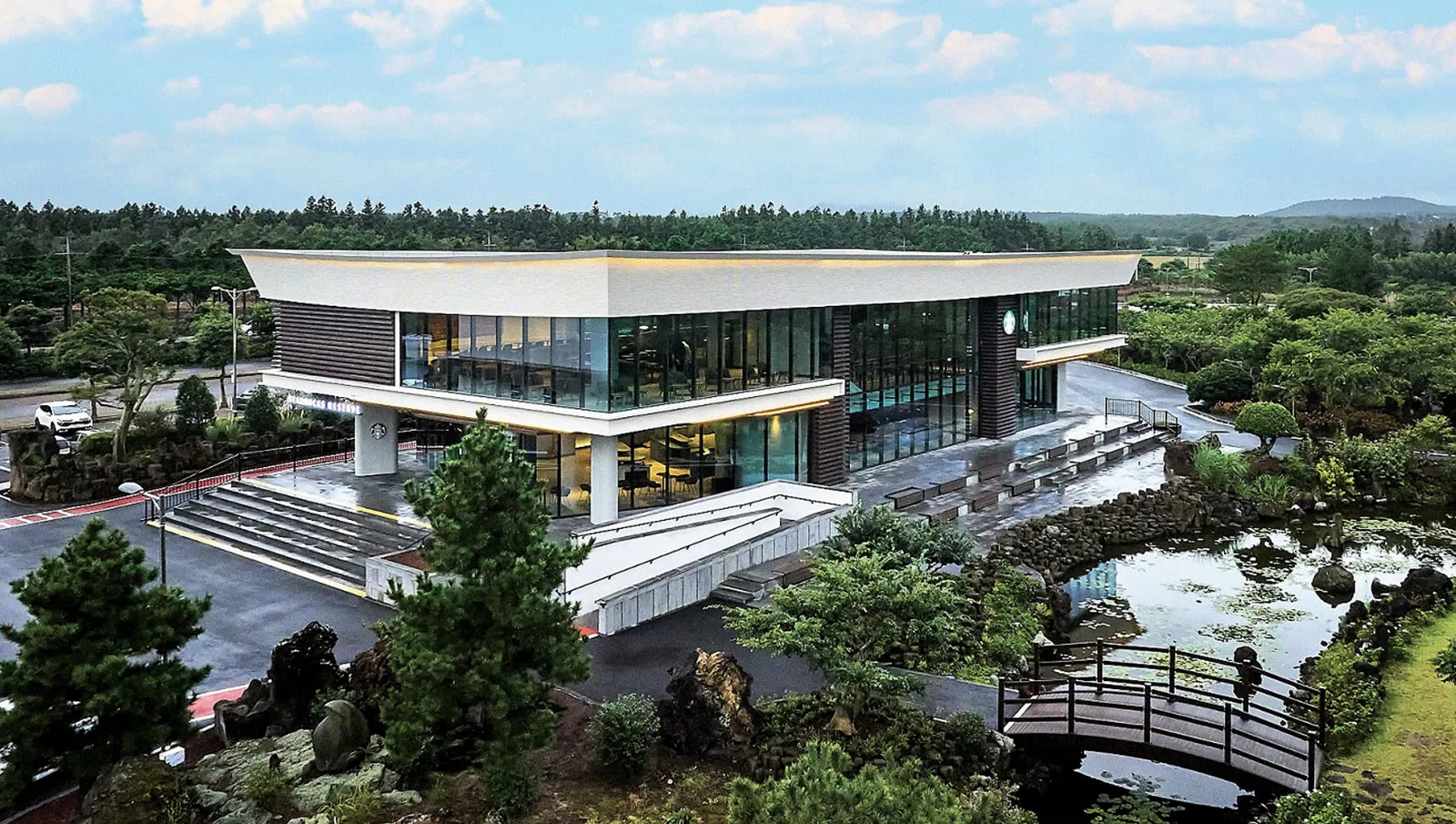
The American coffee brand Starbucks operates various stores in Korea. This store is the “Starbucks Jeju Songdangpark R” in the town of Gujwa-eup in Jeju City, Jeju Island. © SHINSEGAE GROUP NEWSROOM.
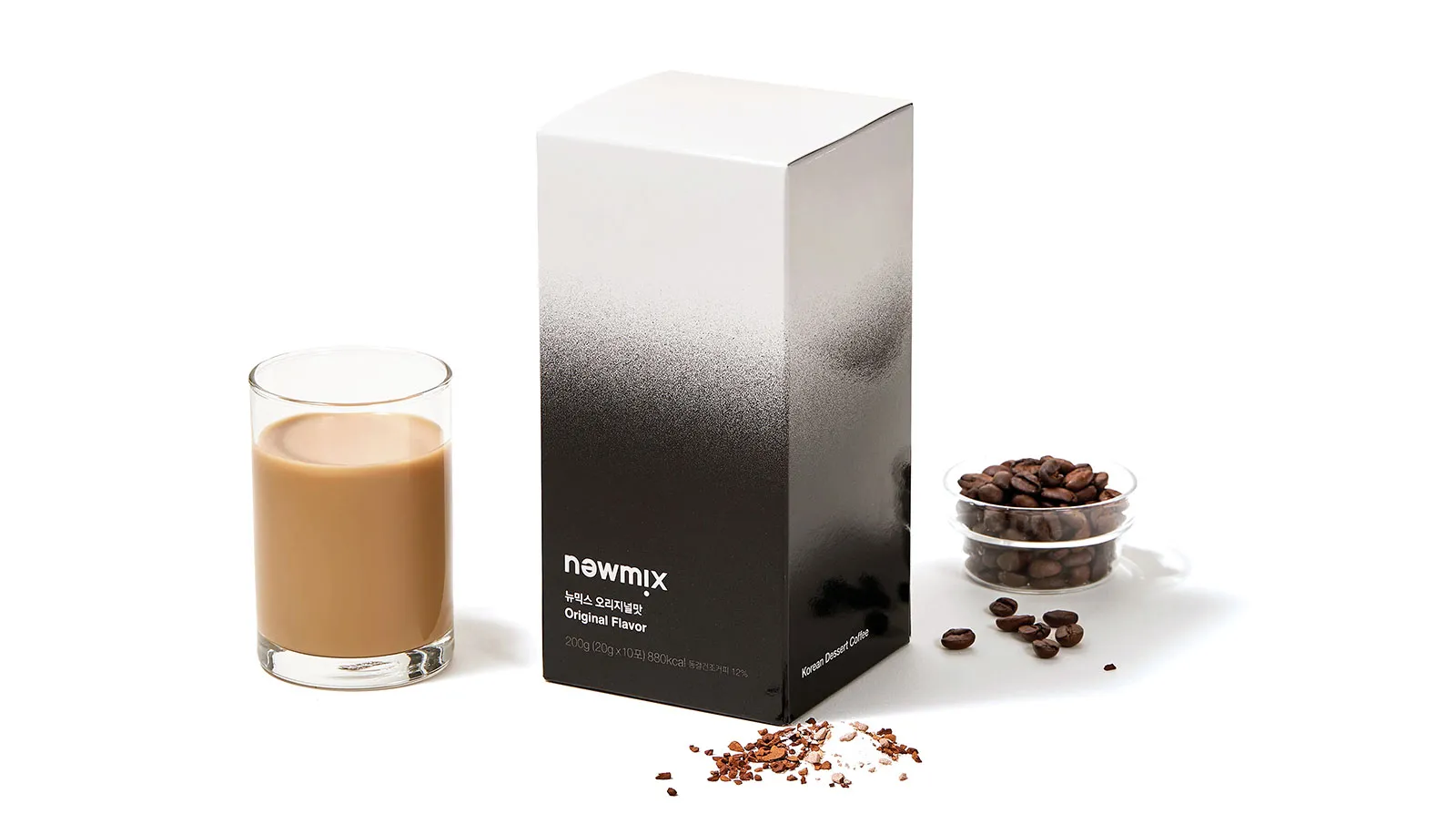
Newmix, a reinterpretation of the traditional coffee mix long enjoyed by Koreans, is popular as a souvenir for visitors to Korea. © Newmix.
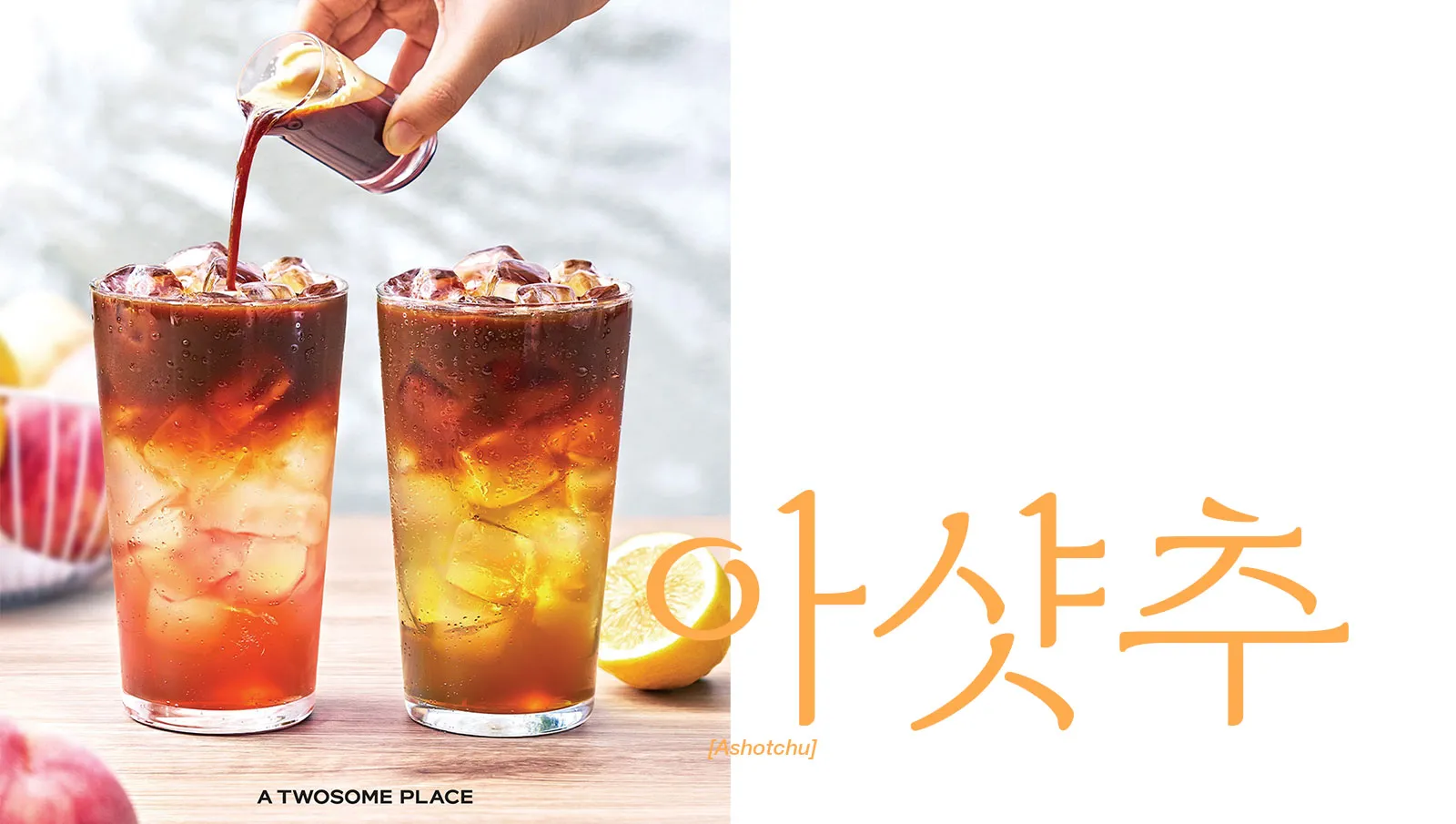
“Ashotchu” is a shortened term referring to iced tea with an added espresso shot, and is one of the café menu items commonly found in Korea. A Twosome Place, a Korean premium dessert café brand, has introduced “Ashotchu,” featuring espresso shots added to various iced tea options. © A Twosome Place.
The Next Chapter of Korean Coffee Goes Global
Assessments of Korea’s robust coffee market have influenced the overseas expansion strategies of leading coffee brands. The prevailing belief is that if you can satisfy Korean consumers, you’ve established sufficient grounds to enter other Asian countries and the Middle East. For instance, after opening its first store in Seoul in 2019, the American coffee company Blue Bottle subsequently expanded to Hong Kong and China. Korean coffee brands are also actively expanding overseas. Recently, low-cost coffee brands offering large quantities at reasonable prices have been well-received after entering Japan and other Asian countries, touting value for money and visually striking signature menu items.
Korea’s coffee industry is now preparing to meet a new generation. Health is the most important keyword among them. The era of being intoxicated by caffeine to extract maximum productivity is fading, replaced by an age of preference where people choose decaf coffee with alternative milk lattes. Cafés that once rapidly chased ever-changing trends are evolving beyond being simple spaces to becoming platforms. They are stopping points for running crews or stages hosting cultural activities like book readings and listening to music. Events promoting fashion brands and games are also held at cafés. Cafés have become content-generating brands in their own right—and as K-content grows in global popularity, some have leaned into this by weaving traditional elements into their spaces and drinks or reinterpreting them with a refined aesthetic sensibility.
At the APEC CEO Summit held in Gyeongju, Gyeongsangbuk-do Province, in October 2025, BTS leader RM, who delivered the keynote speech, compared K-pop to bibimbap. “K-pop utilizes Korea’s unique aesthetics, emotions and production systems while not rejecting Western music like hip-hop,” he said. “Like bibimbap, it mixes all these elements with a unique identity to create something new, interesting and fresh.” Korea’s coffee industry has grown based on its own consumption culture while never hesitating to embrace Western culture. Korea’s coffee industry, which has achieved rapid, compressed growth while maintaining its unique identity, will continue to evolve as a pillar of K-culture, much as K-pop has done before it.
Writer. Cho Wonjin (Beirut)
Cho writes with the goal of drawing more people into the beautiful world of coffee. He regularly contributes articles about coffee to various online and offline media. He has also served as a moderator at major coffee events. Cho has published books ranging from stories of coffee industry workers to Korea Specialty Coffee Guide, a guidebook introducing Korea’s outstanding coffee culture to the world.
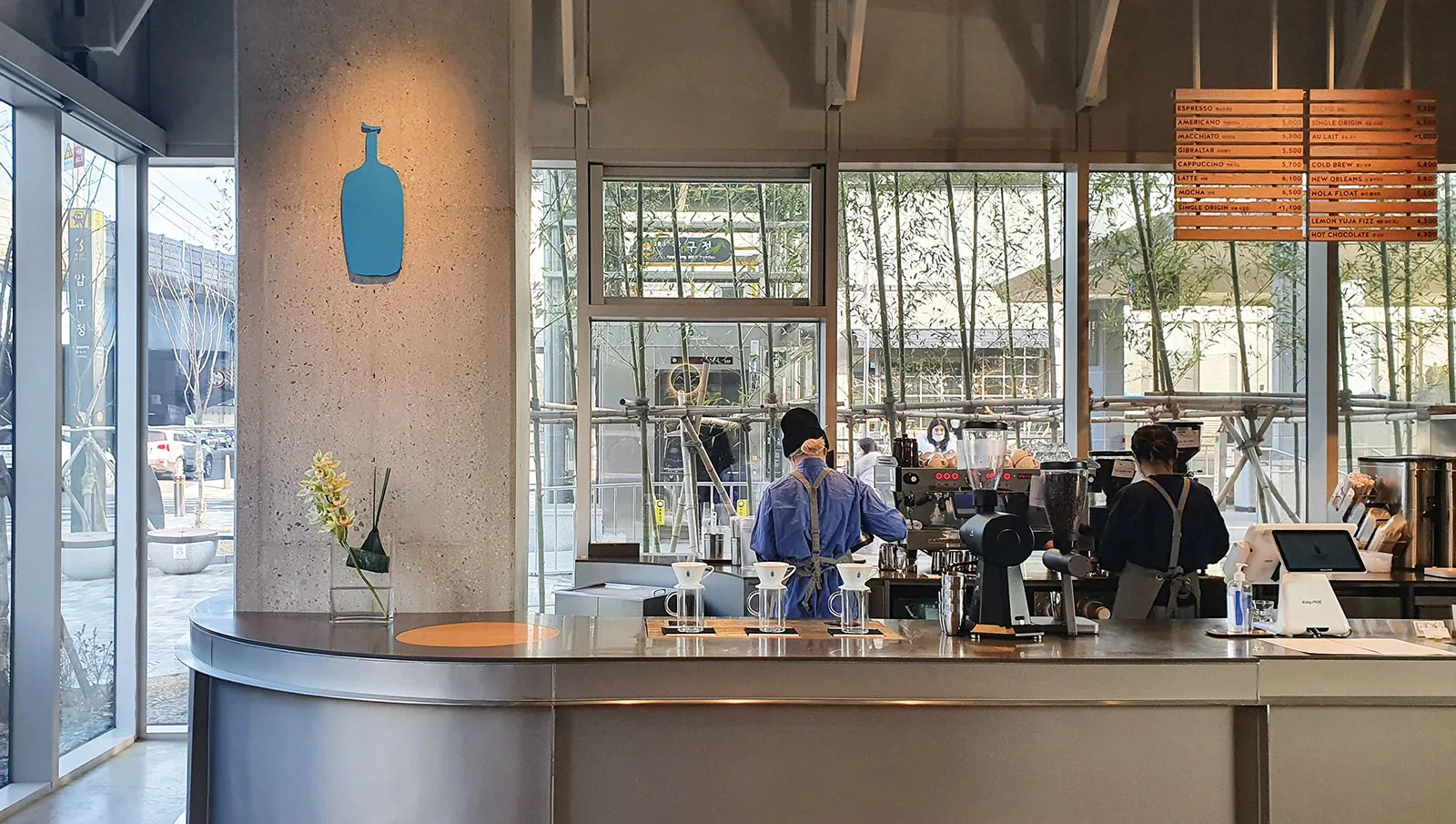
Blue Bottle, the American specialty coffee brand, launched in Korea in 2019. Its stores blend minimalist design with Korean spatial aesthetics, expanding Korea’s specialty coffee culture. © Shutterstock.
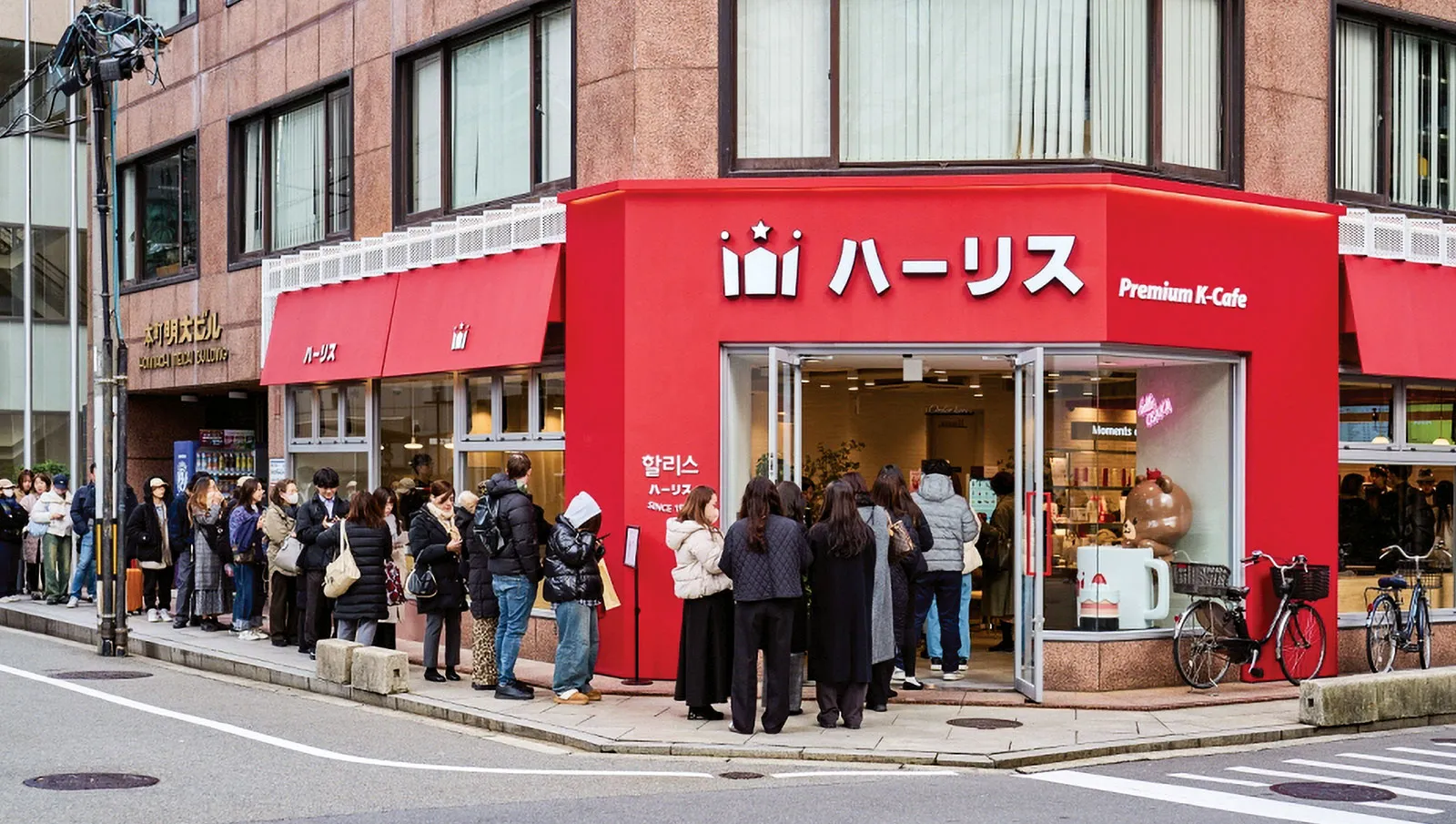
The Korean coffee brand HOLLYS has opened its second Japanese store in Honmachi, Osaka. The café draws attention from local consumers by offering its signature menu items, along with selections made with Korean ingredients. © HOLLYS.