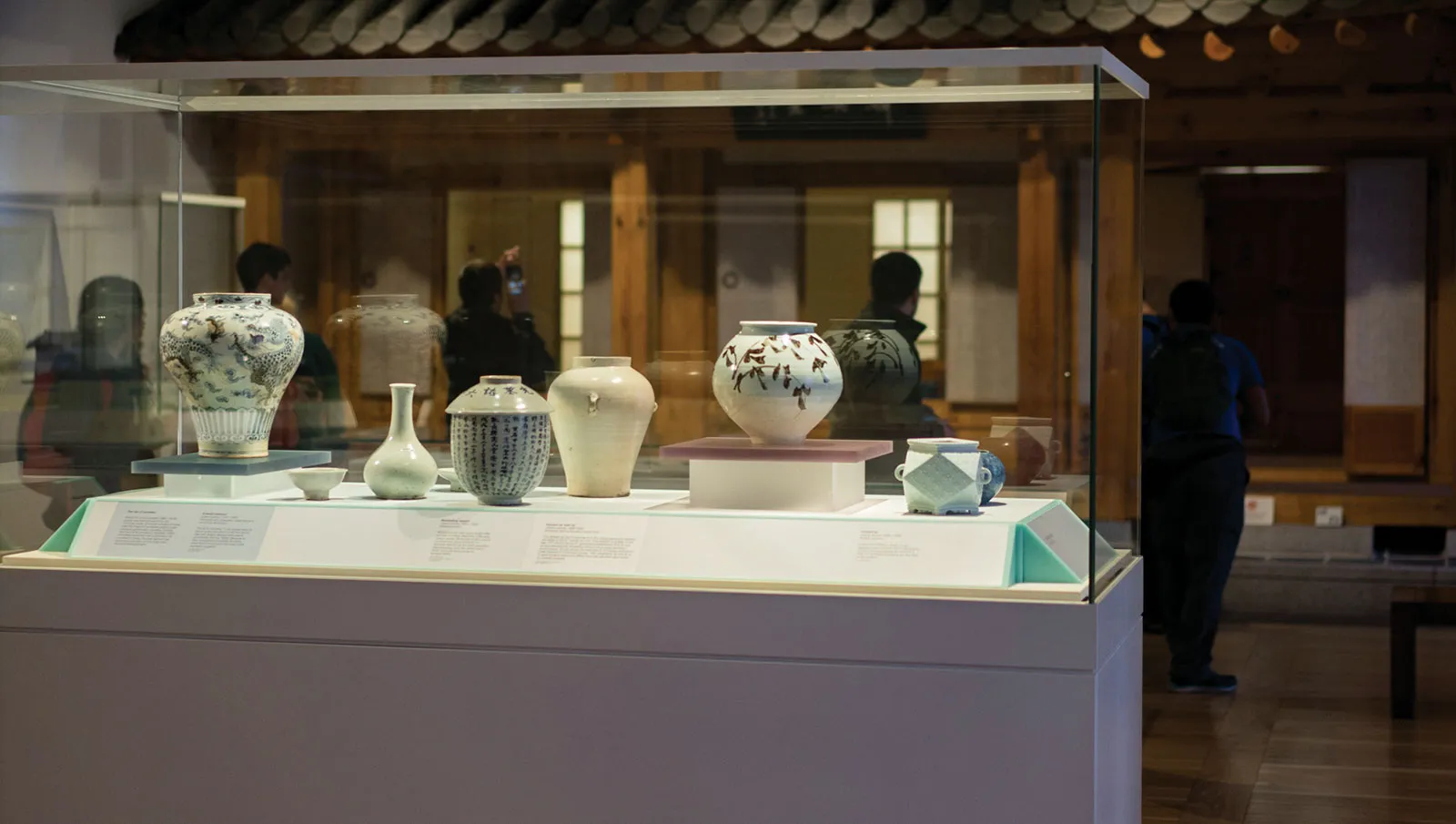
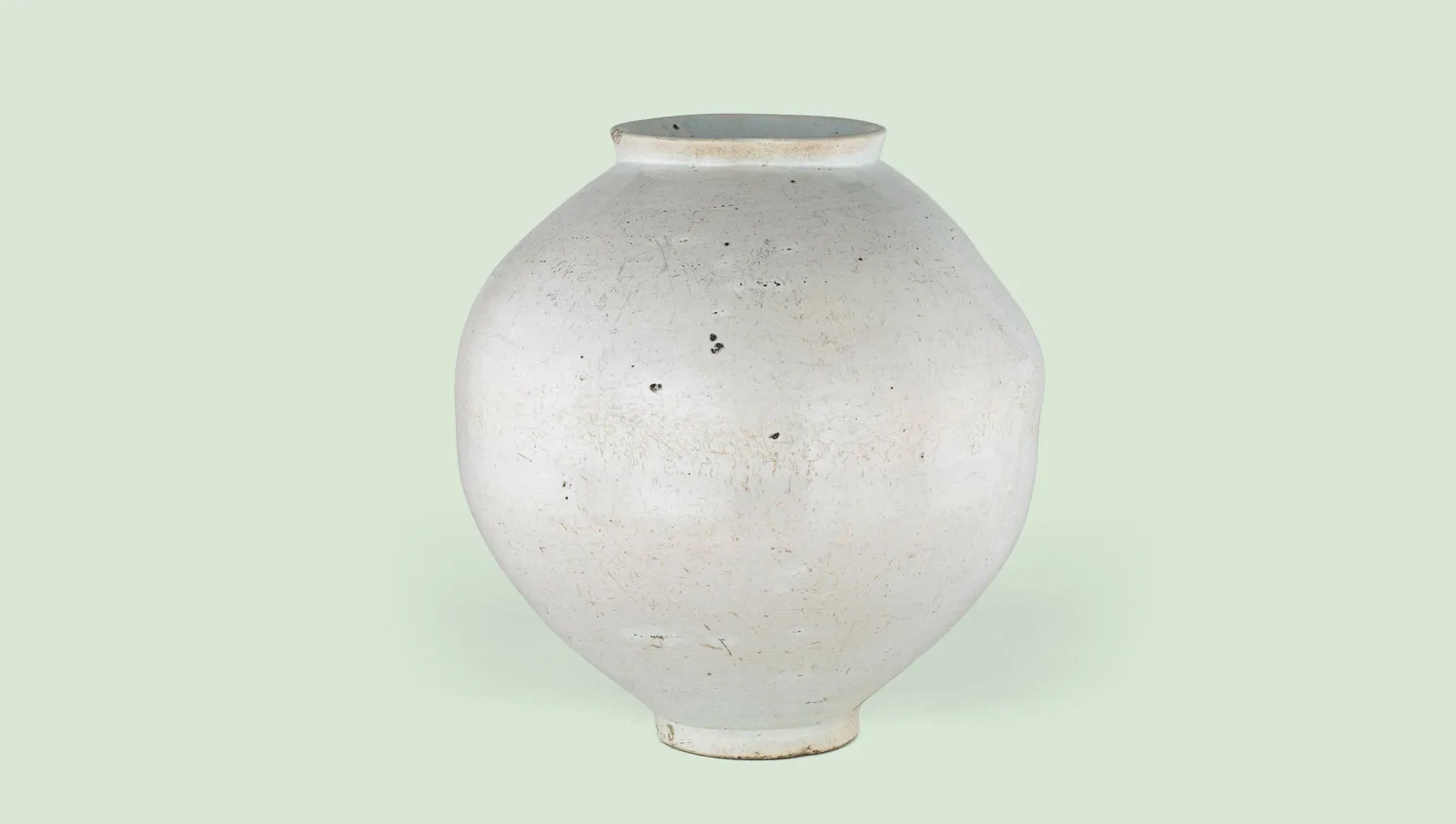
The British Museum is one of the world’s three largest museums, and houses over 8 million artifacts. The museum’s Room 67 is dedicated to artifacts from Korea. In this room sits a jar that glows softly, like the moon on a dark night. It’s so large that even if you spread both arms wide to embrace it, your hands wouldn’t go around it completely. The surface is covered with clear, pale-white glaze, and the exterior shows traces of time. However, there are no patterns or paintings whatsoever. While it boasts beautiful curves overall, it isn’t perfectly symmetrical. An indented line runs through the center where the top and bottom join, yet there’s no attempt to completely hide that mark. There’s a beauty that could only come from something uncontrived.
The original owner of this artifact was Bernard Leach, called the father of British pottery. He was a figure who introduced to British ceramics—which had mainly focused on production through specialized systems—the attempt to create works as an individual artist imbued with artistic spirit. When he visited Korea in 1935, he purchased this large, asymmetrical moon jar at an antique shop. Though the moon jar’s original purpose was to store jangajji (pickled vegetables), to him it was artistic inspiration and treasure alike. He once called this moon jar “a piece of happiness.”
The moon jar he so cherished was passed to his friend, potter Lucie Rie, when World War II began. When London faced German air raids, Bernard Leach, concerned about the moon jar’s potential damage, sent it to Lucie Rie with a letter requesting she keep it safe. The moon jar, delivered to Lucie Rie in 1943, appeared in her portrait photos and pictures of her at work, was kept in her studio for 50 years, and was donated to the British Museum when the Korea Gallery was established in 2000.
Why were Bernard Leach and Lucie Rie captivated by the moon jar? Because the moon jar embodies Korean philosophy and aesthetic sensibility while possessing a “uniqueness” unseen in other countries. Moon jars were made during the Joseon Dynasty in the 17th-18th centuries and are based on Confucianism, the ideology of Joseon. At the time, Joseon, founded on Confucian principles, pursued simplicity and naturalness. This spirit seemed to settle in the hearts of potters as well. This work, crafted like joining two large bowls together, was very large, and during the joining and firing process, one side of the body would often collapse or sag, resulting in asymmetry. However, potters viewed this form as natural and departed from pursuing formality based on “perfect symmetry.” As a result, we can find in moon jars the charms that symbolize keywords of Korean beauty: “generosity,” “purity,” “naturalness” and “honesty.”
While other neighboring countries at that time also made jars and white porcelain, they didn’t create white porcelain in the form of moon jars. This is why the philosophy and uniqueness contained in moon jars shine even brighter. Today, judging by how they serve as motifs for world-renowned artists and K-pop artists alike and continue to be reborn in new forms, their influence is immeasurable. From this perspective, it is understandable that distinguished figures from neighboring countries—such as Japanese art critic Yanagi Soetsu, as well as Bernard Leach and Lucie Rie—have expressed deep admiration for the moon jar.
A White Moon That
Captivates the Heart
The British Museum
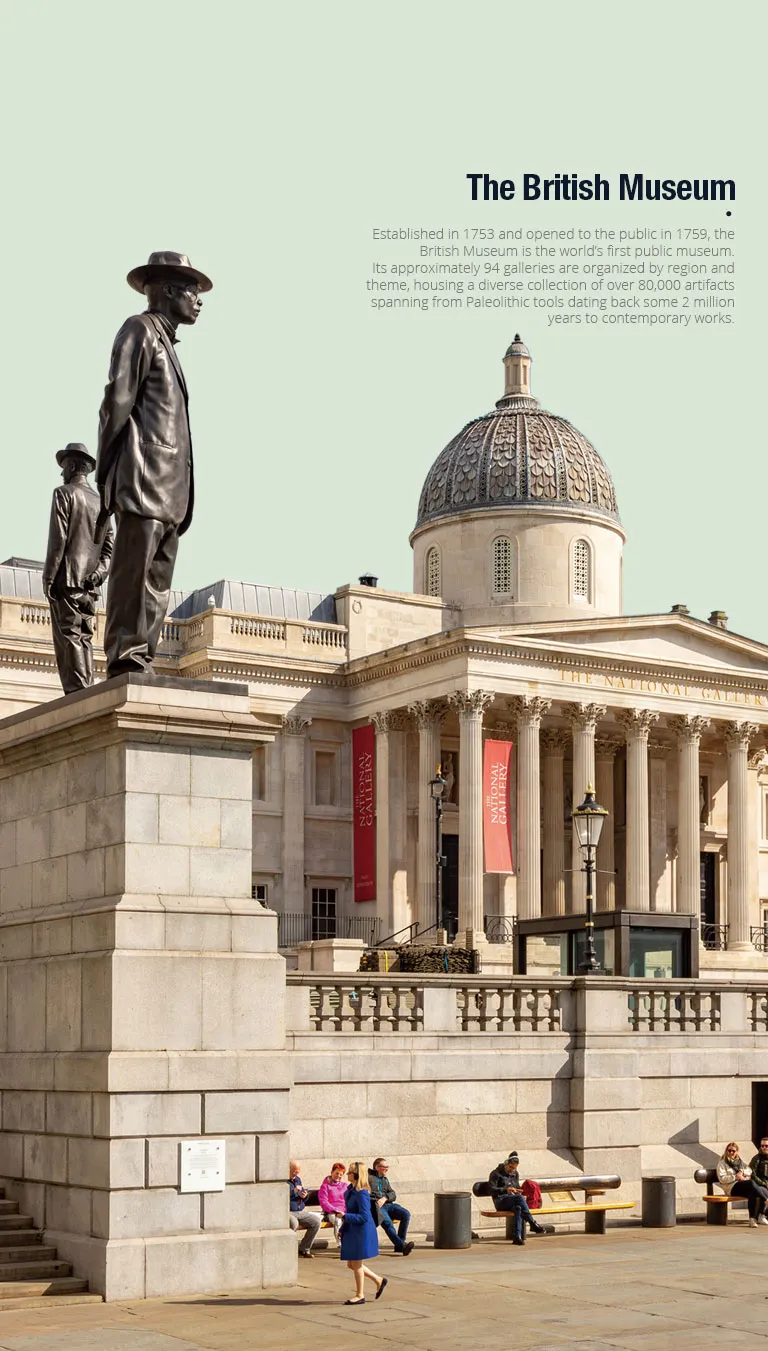
The British Museum was established in 1753 and is the world’s oldest national public museum. It houses one of the largest collections of artifacts in the world. Its galleries bring together works that transcend time and borders. Among them is a remarkable piece that captivates viewers at first sight: the moon jar (dal hangari).
A Jar Resembling the Moon
Korea Unfolds Anew in London
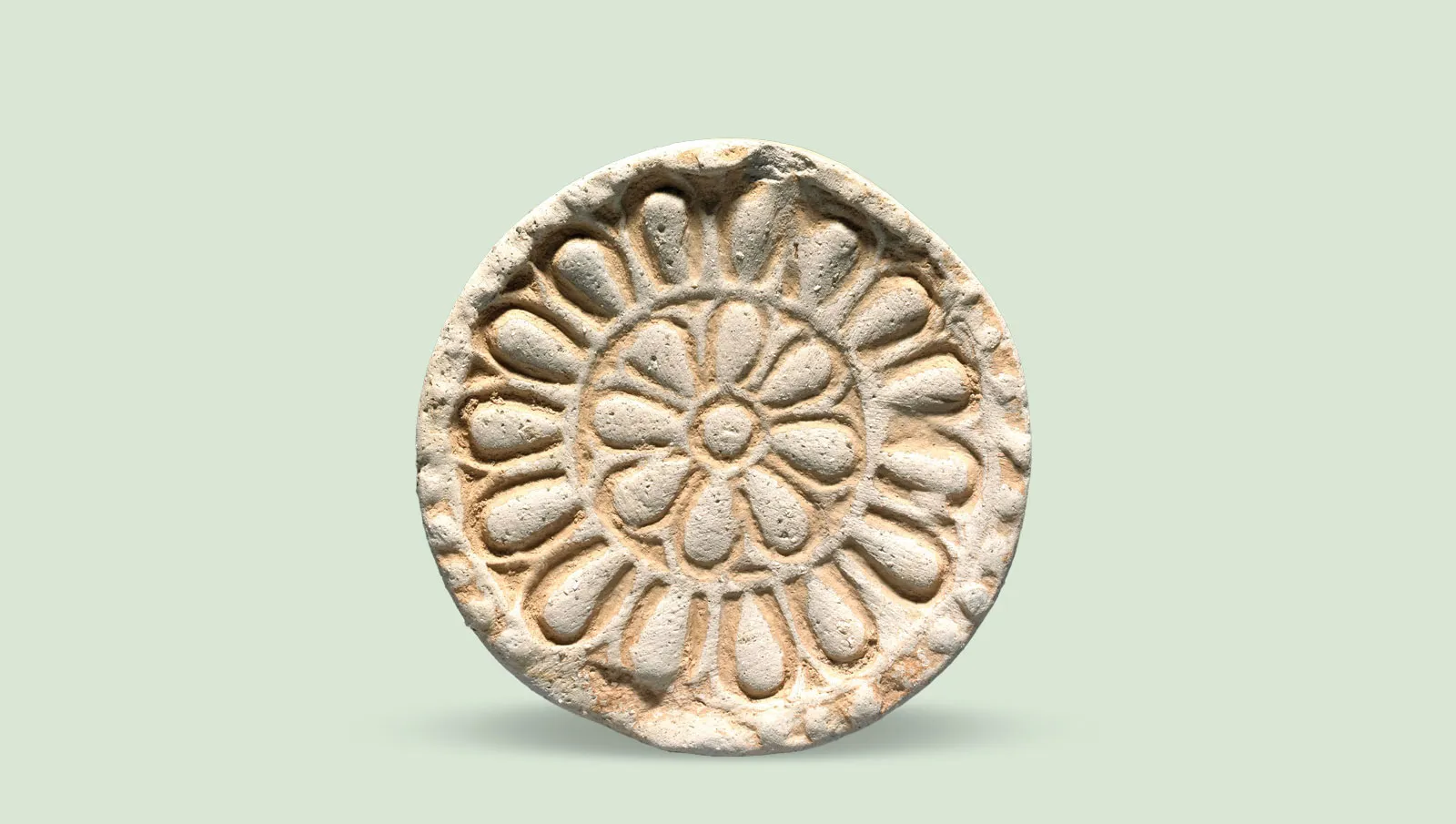
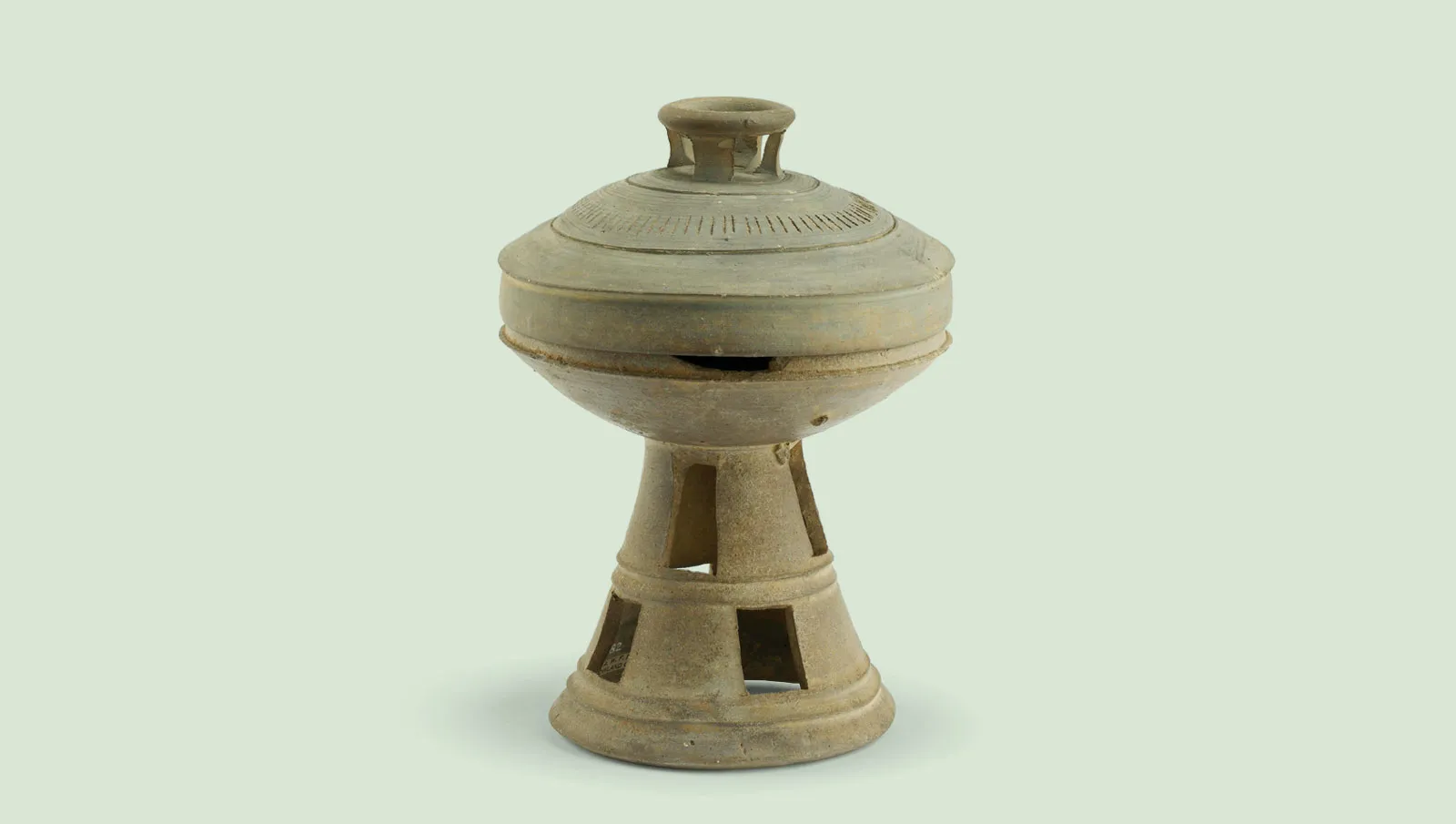
While the moon jar is one of the British Museum’s signature exhibits, it’s not the only thing worth seeing. When the museum was first established, various figures—missionaries, diplomats, collectors, artists—donated Korean items, along with works the museum collected itself, plus recent modern and contemporary works, propaganda materials, and various records. In fact, the British Museum holds about 4,000 Korean cultural properties, and the Korea Gallery currently displays some of these, welcoming visitors with their magnificence.
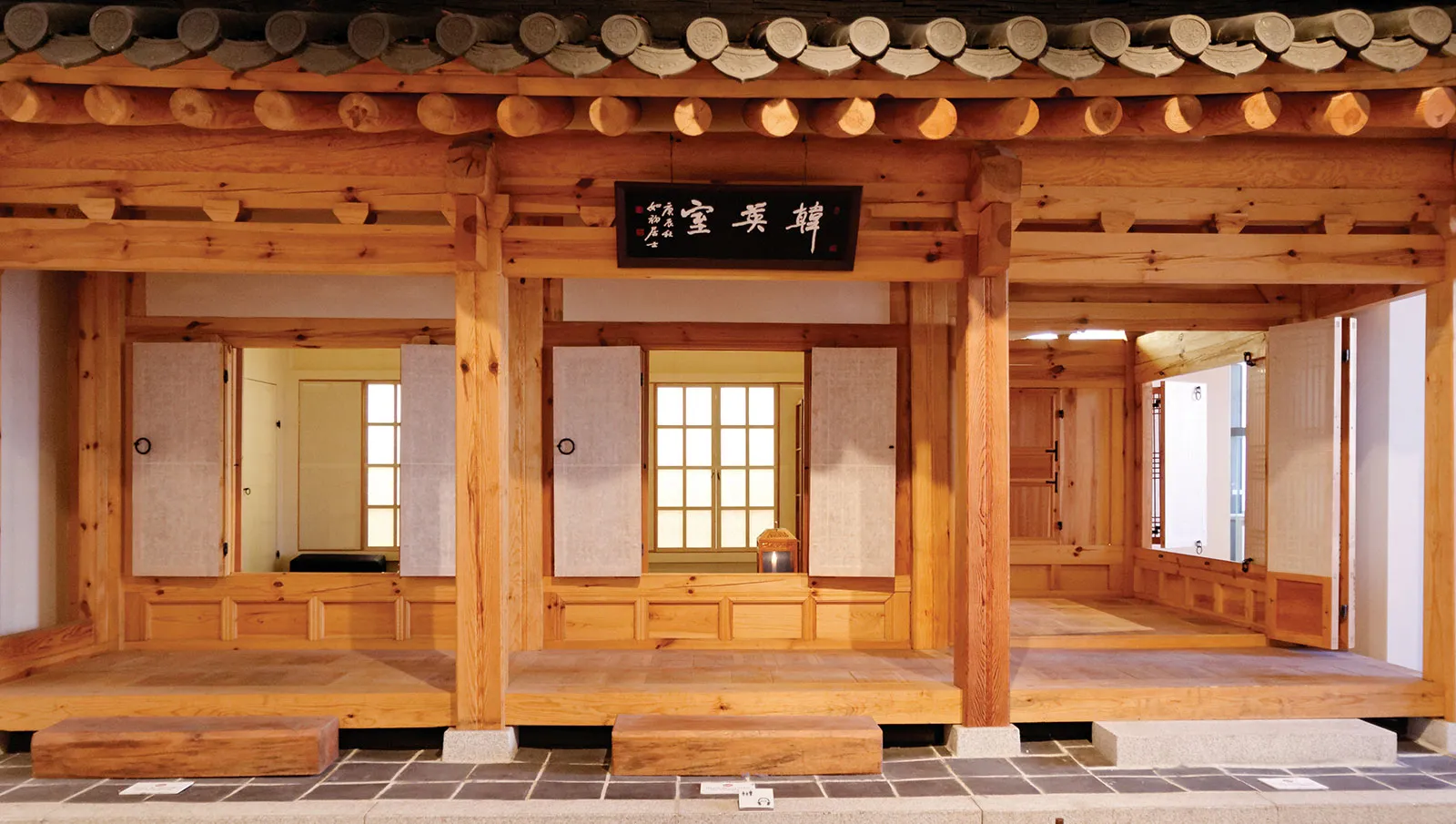
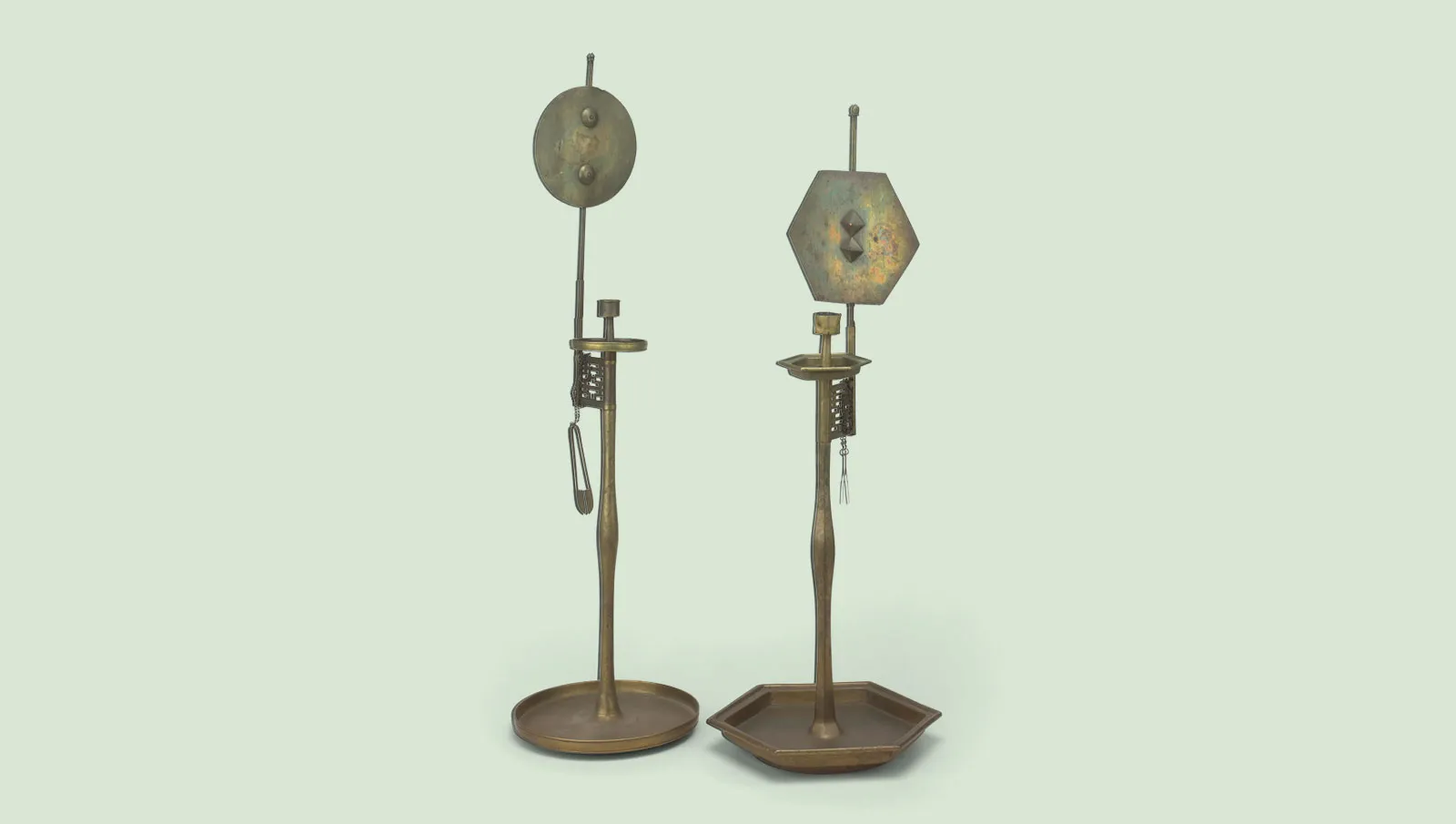
Among these, the gallery features a special area called the Sarangbang, a full-scale recreation of a house where a 19th-century yangban (noble) lived. Complete with maru (floor), daetdol (terrace stone) and giwajibung (tiled roof), it’s as if they transported an entire building from a traditional Korean village. Indeed, the Sarangbang was built in the 2000s by Korean Hanok (traditional houses) craftsmen. This, too, serves as part of the exhibition, with artifacts arranged inside the Sarangbang so visitors can understand the context of how these objects were used.
Beyond collecting and displaying artifacts, the British Museum continuously collaborates with Korean institutions to introduce Korean culture to the world. In 2014, it partnered with the Ministry of Culture, Sports and Tourism to establish the first dedicated Korean curator position, adding expertise to exhibition planning. In 2023, the special exhibition “Moon Jar: The Untold Story” significantly enhanced global awareness of the unique cultural value of moon jars. Additionally, following the establishment of a 10-year partnership with the Korean Cultural Centre UK in 2021, the institution has consistently delivered Korea-related exhibitions, lectures, workshops and cultural events. In February 2026, in partnership with the London Korean School, they hosted traditional Korean games such as yutnori and ttakjichigi, and offered sweets like yakgwa and desserts made with Korean ingredients, giving visitors a taste of Korea in Britain.
Through its exhibitions, the British Museum facilitates cultural exchange between Korea and Britain, introducing Korean heritage to a global audience. Located in central London, the museum offers visitors an opportunity to experience Korea’s distinctive culture and explore diverse dimensions of human civilization.