Throughout January and February, cold winds blow fiercely with frequent snow. The longing for spring’s warmth to softly soothe the heart grows even stronger. With a desire to breathe vitality into life, it is time to board a train with bicycles in tow, heading to Gwangyang, a city in southern Korea.
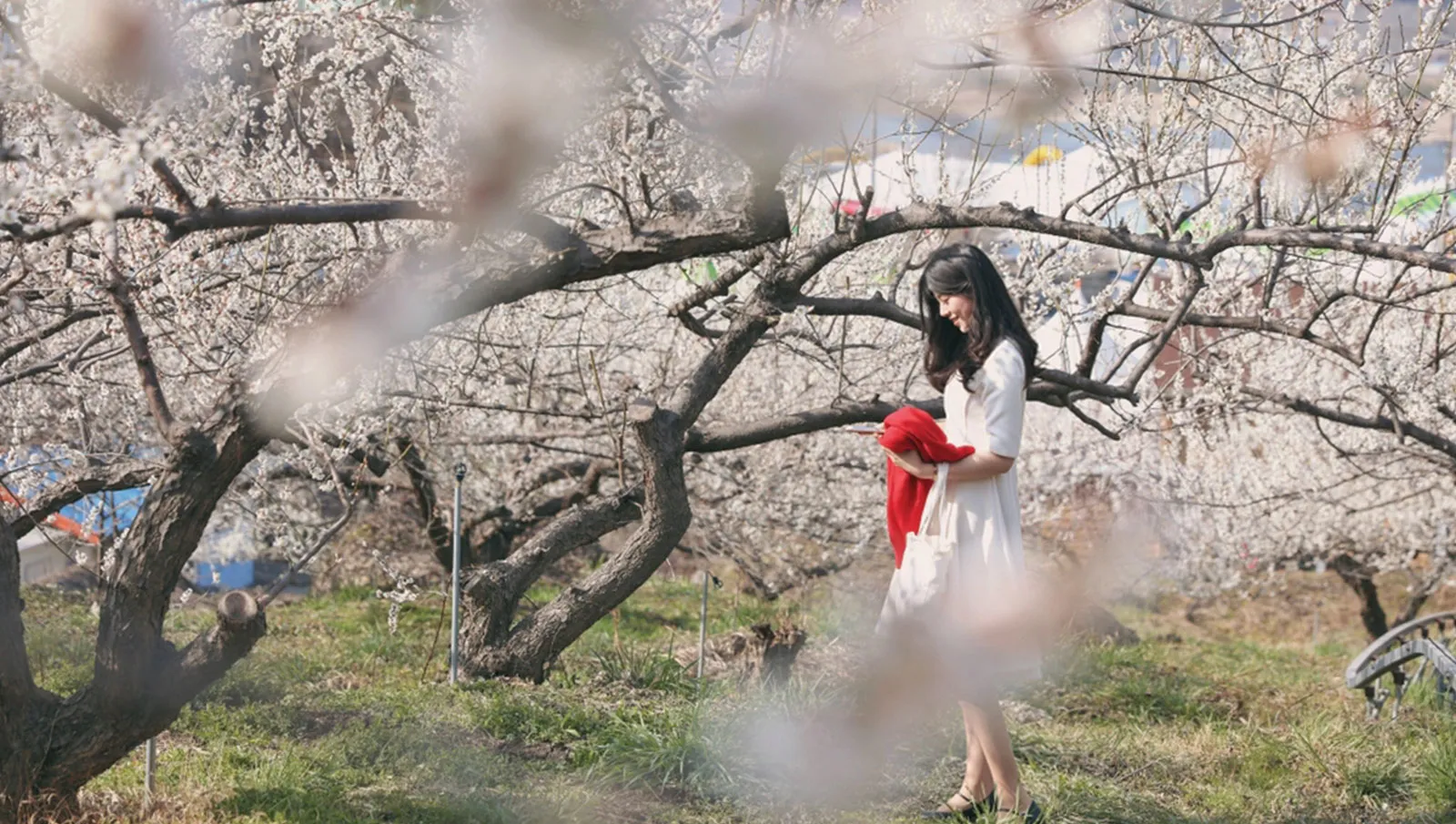
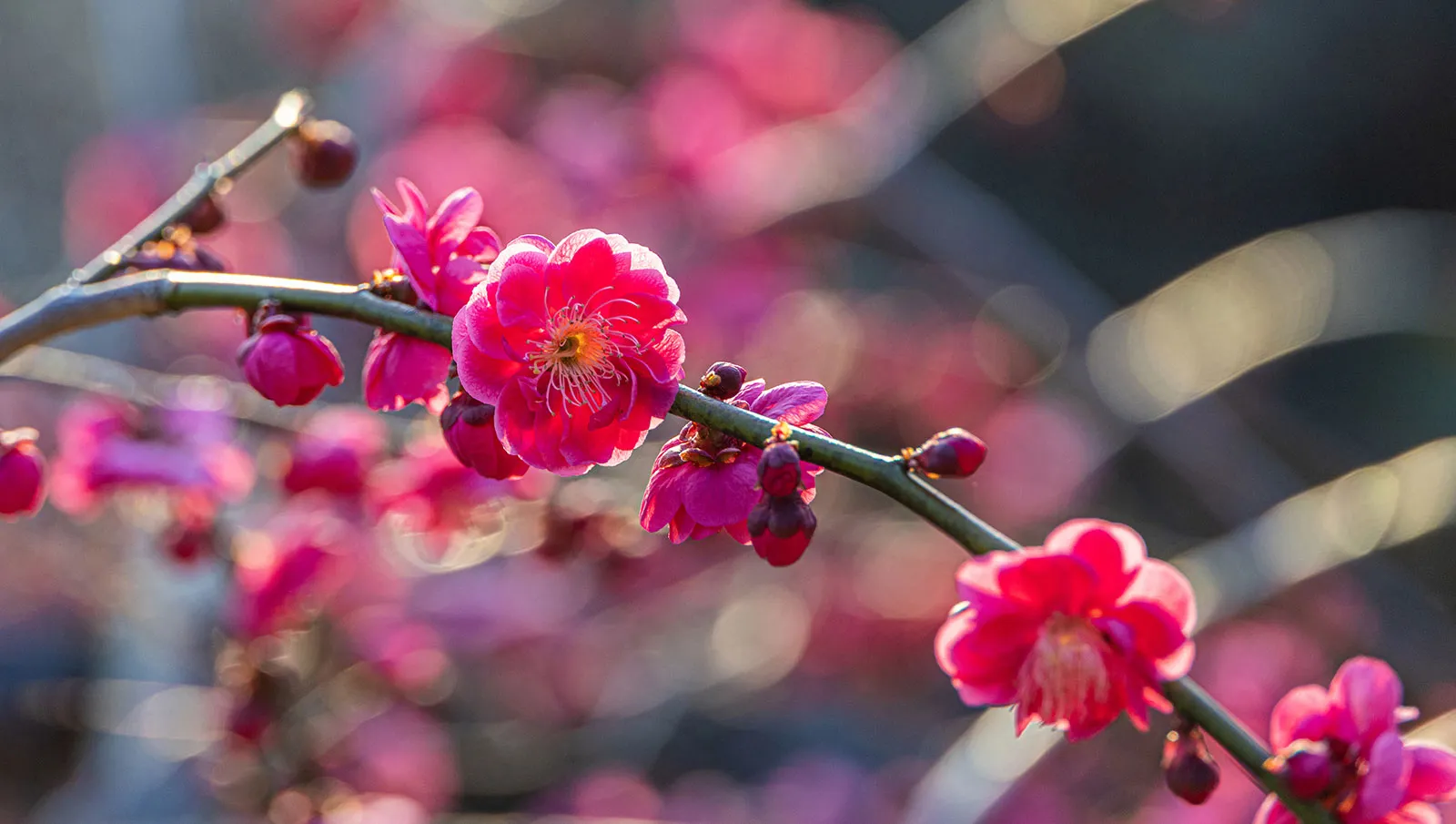
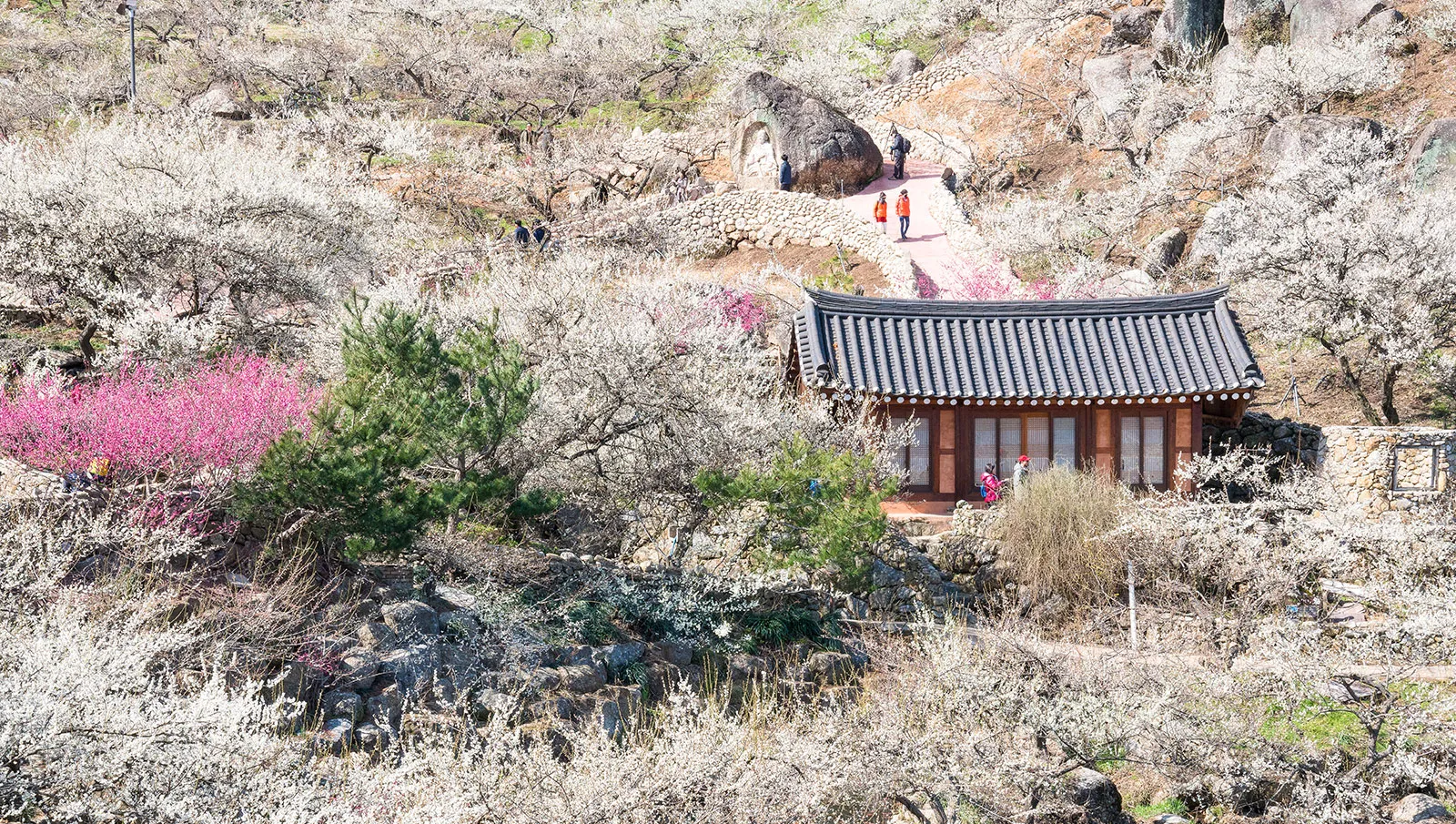
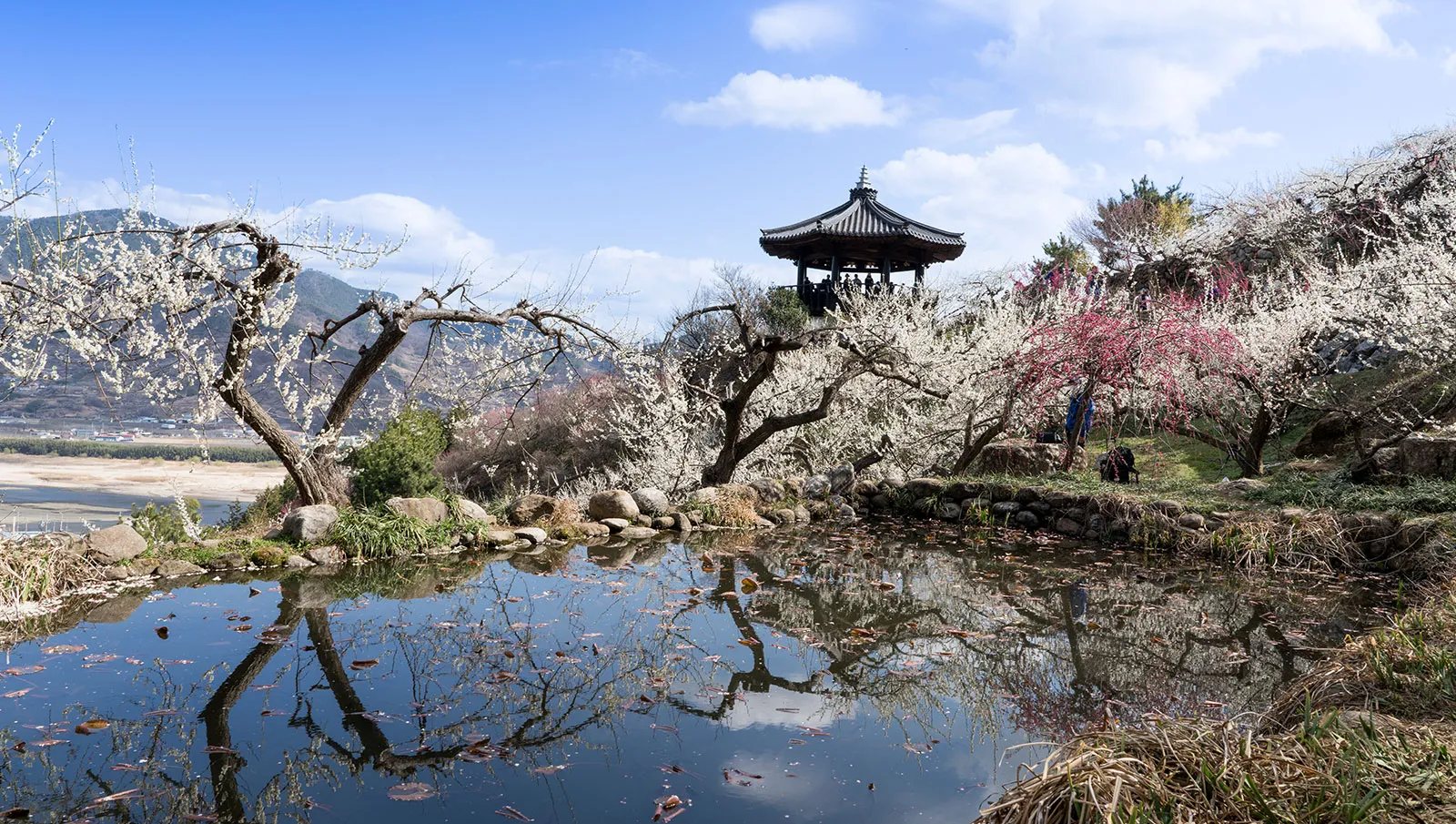
Stepping off at Gwangyang Station, you can immediately sense the distinctive warmth of a southern coastal city. While you could head straight to the sea, you make your way to Maehwa Village instead. Set along the Seomjingang River and home to some 100,000 plum trees, the village is the orchard of a Korea Grand Master of Traditional Food. It opens to the public for only about ten days during the Gwangyang Maehwa Festival in mid-March, making the anticipation all the greater. Upon arriving at Maehwa Village, a white world unfolds like a winter landscape enjoyed in spring. Red plum blossoms bursting into bloom here and there, along with wildflowers like wild chrysanthemums, quietly announce that this scenery does not belong to winter. Delicate plum blossoms mingle with colorful spring flowers in an endless expanse. The plum blossoms bathed in sunlight seem to emit their own luminous glow. The moist scent of earth, pale green new shoots and the subtle fragrance of flowers spreading through the air stimulate the senses.
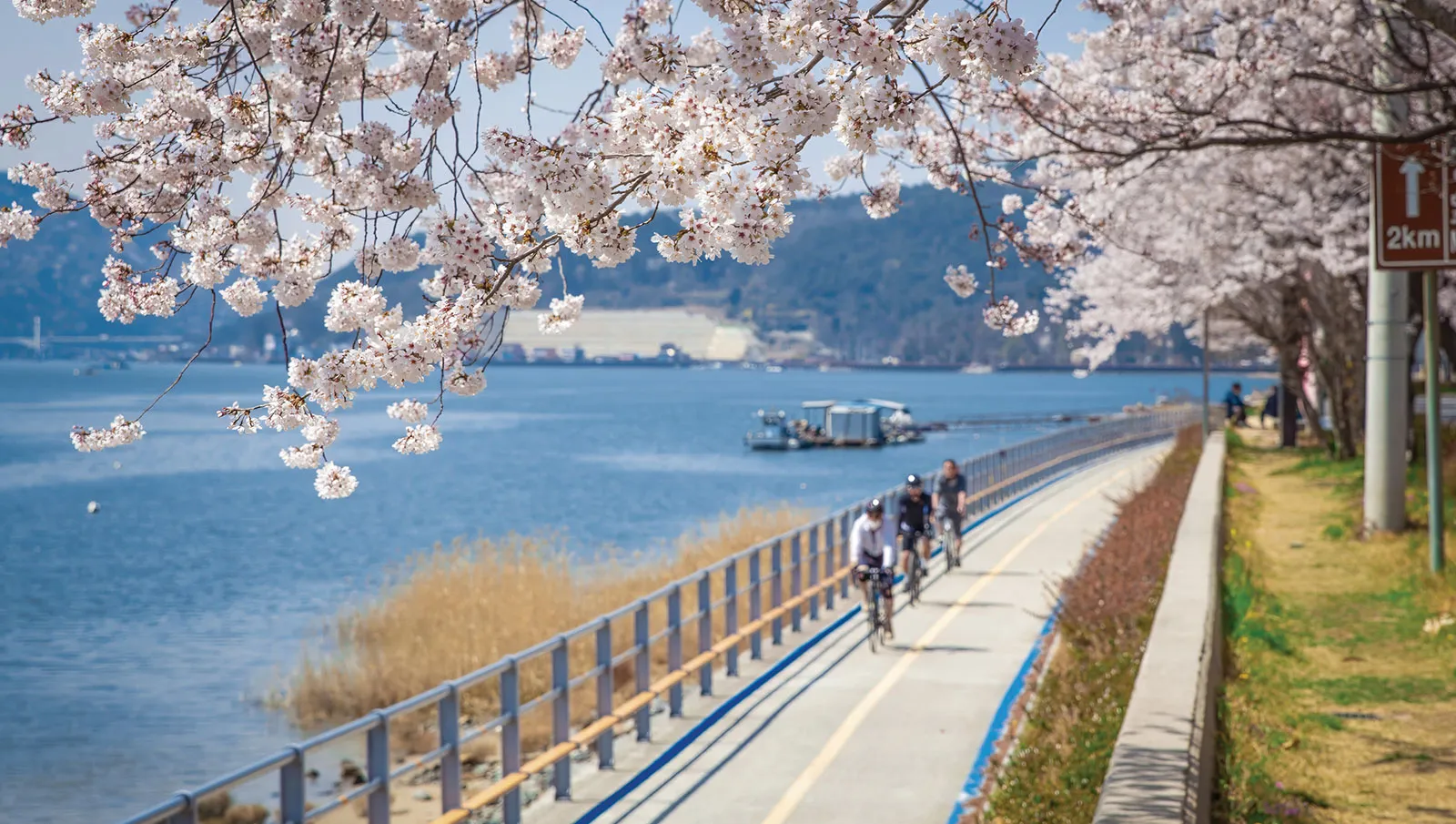
Leaving the orchard, travelers mount their bicycles again. From Maehwa Village to Baealdo Beach Park on Gwangyang’s coast, the route follows a part of Korea’s signature cross-country cycling courses. Cherry blossoms planted along the roadside scatter in the breeze, while the Seomjingang River flows gently alongside. As the embrace of the Seomjingang River gradually becomes as generous as the sea itself, travelers reach Mangdeok Port. There is an old wooden house that brought “Sky, Wind and Stars,” the signature poetry collection beloved by Koreans and written by poet Yun Dong-ju, into the world. Inside, the poet’s handwritten manuscripts and the story behind this house are arranged like a small exhibition. In 1941, Yun Dong-ju’s attempt to publish his poetry collection was thwarted by Japanese censorship. He entrusted the manuscript to a friend, and only years later, in 1948, did the collection finally make its way into the world. It would be no exaggeration to call this place the second birthplace of poetry that has moved countless hearts. Carrying gratitude and a bittersweet feeling, it is time to move a bit farther.
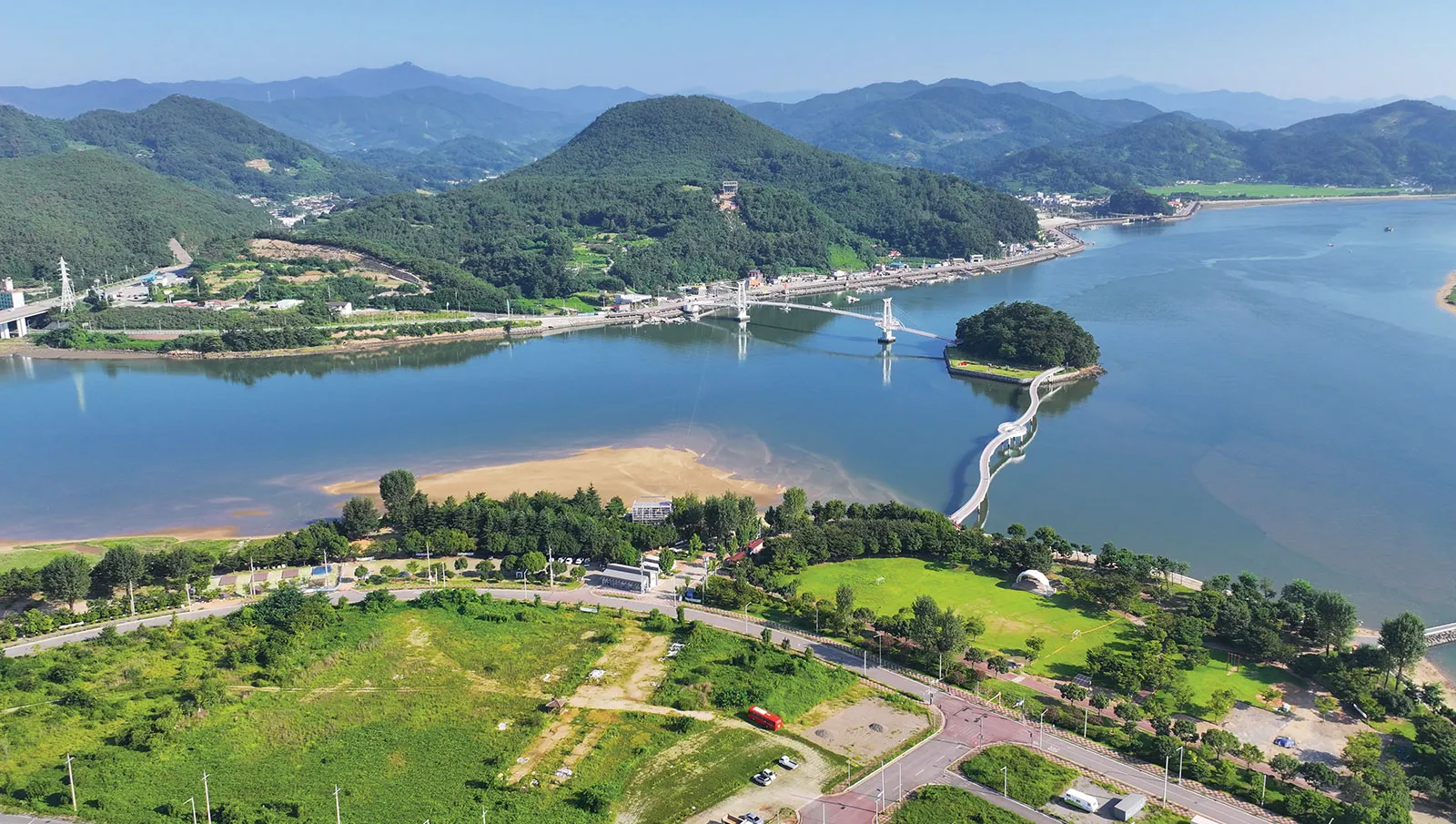
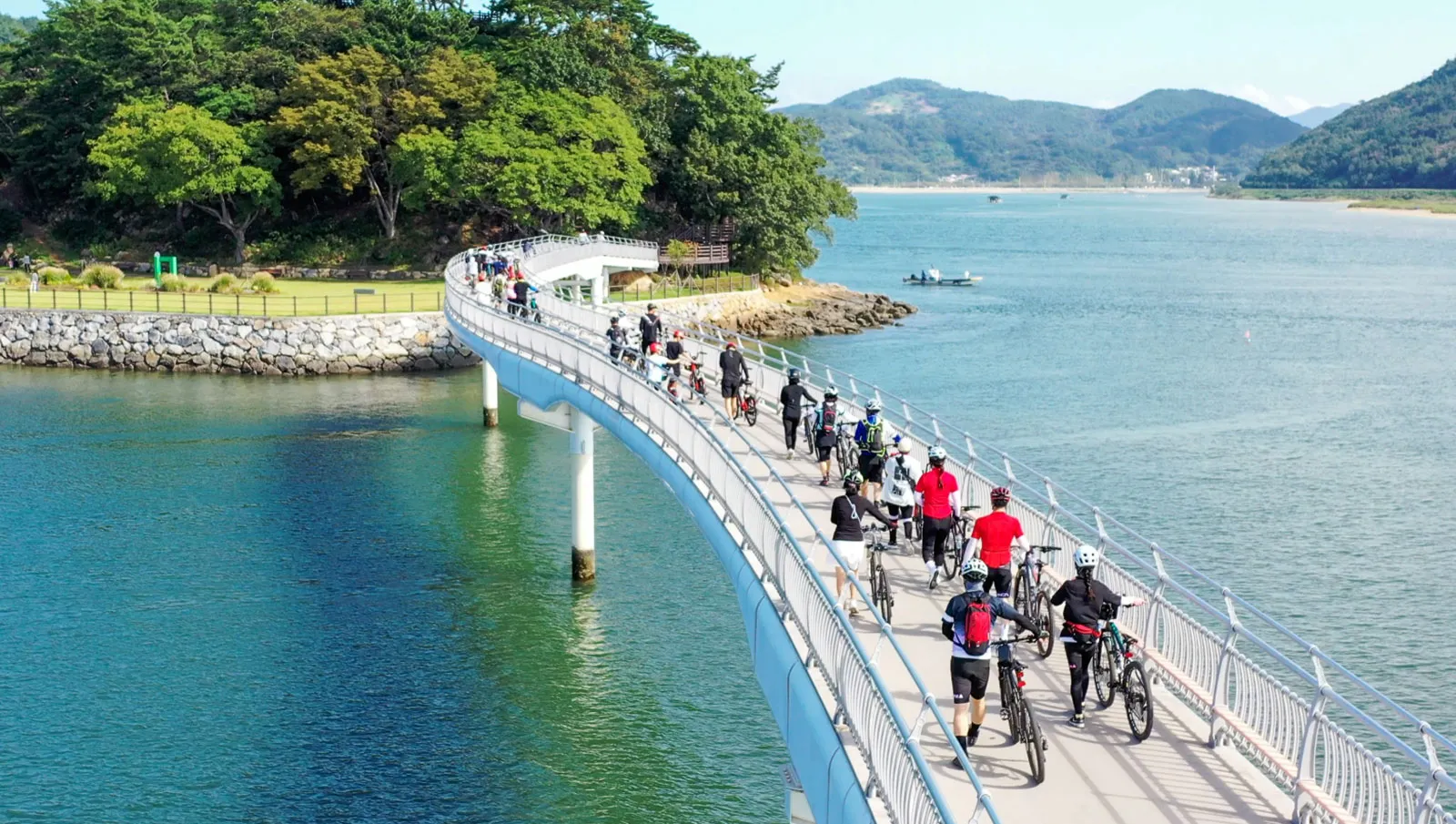
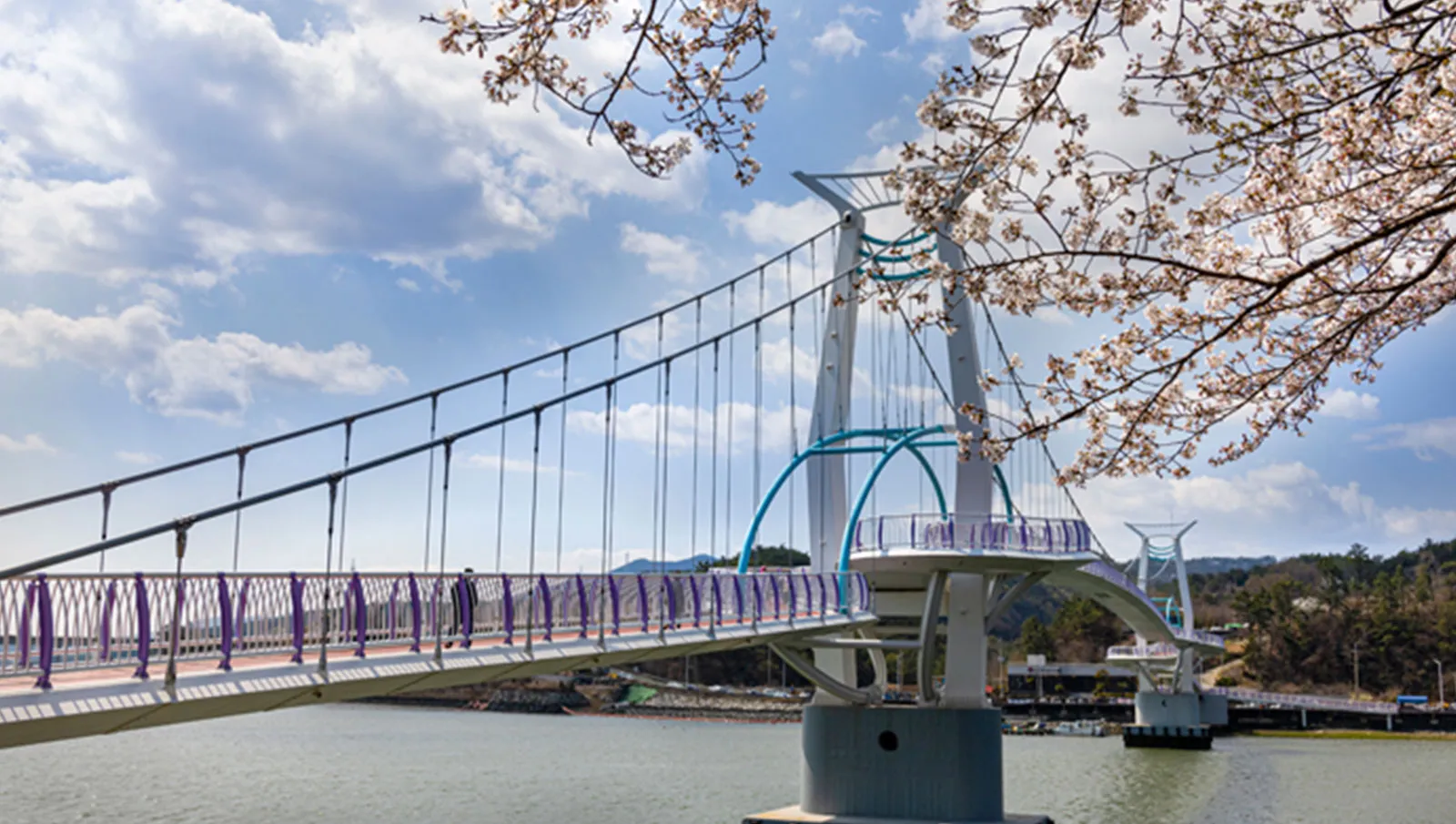
At the point where the mainland section of the Seomjingang River bicycle course ends, the rivers representing the Jeolla and Gyeongsang provinces meet the sea. In the middle of it all, Baealdo Island floats serenely. A bridge connecting Mangdeok Port to the north and the waterfront park to the south spans across Baealdo Island. Dismounting bicycles and walking onto Baealdo Island, you can find green grass and photo zones.
Crossing another bridge into Baealdo Beach Park, it is time to unfold chairs. A calm sandy beach, a well-maintained walking path, people absorbed in ocean fishing. Peaceful time flows as if briefly separated from the world. Surely this is the kind of scenery people call an earthly paradise.
A Greeting from Spring
Gwangyang

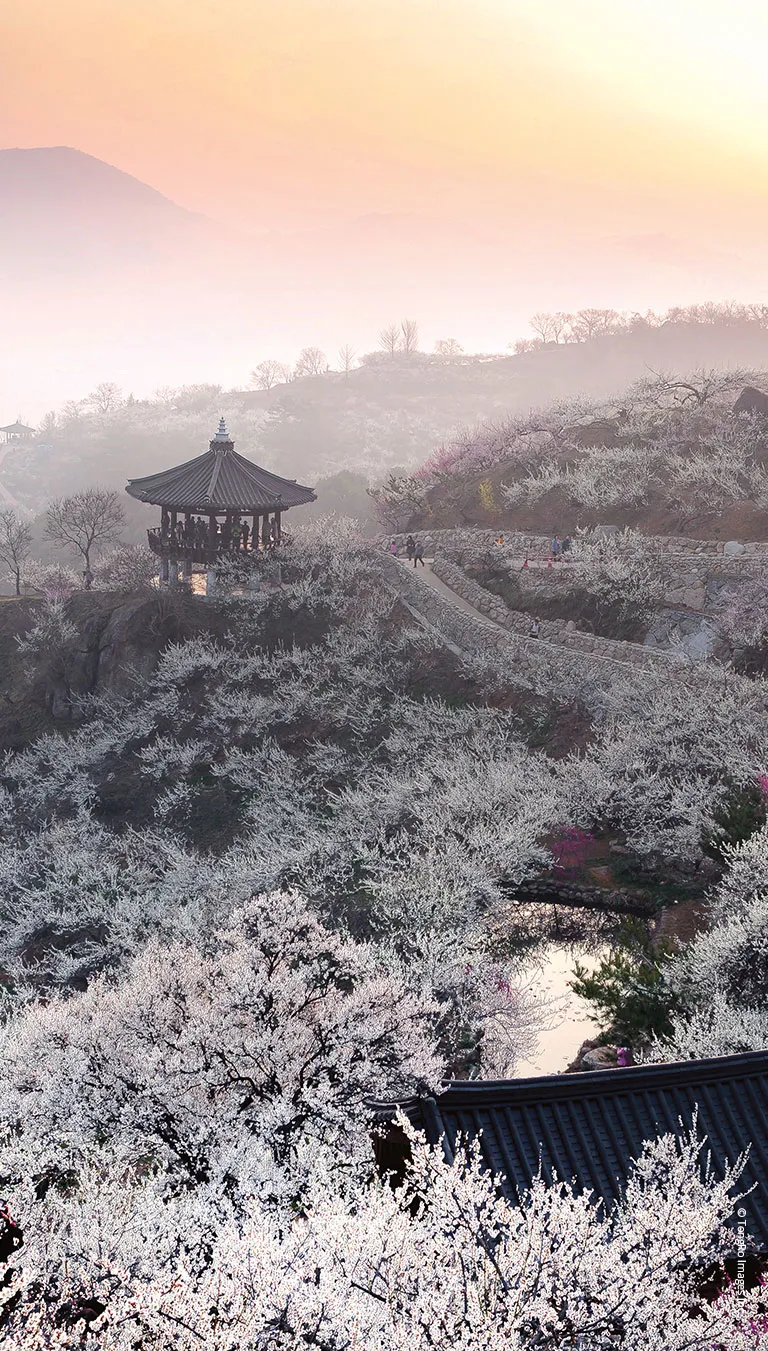
The season when life sprouts anew in forests and fields that have endured a long winter is approaching. Longing for the freshness of spring and the vitality it brings, travelers set out in search of the season rather than waiting for it to arrive. In the end, they find the spring they’ve been missing in Gwangyang, Jeollanam-do Province.
A Floral Welcome, Spring’s Celebration
From Appetite to Afterglow
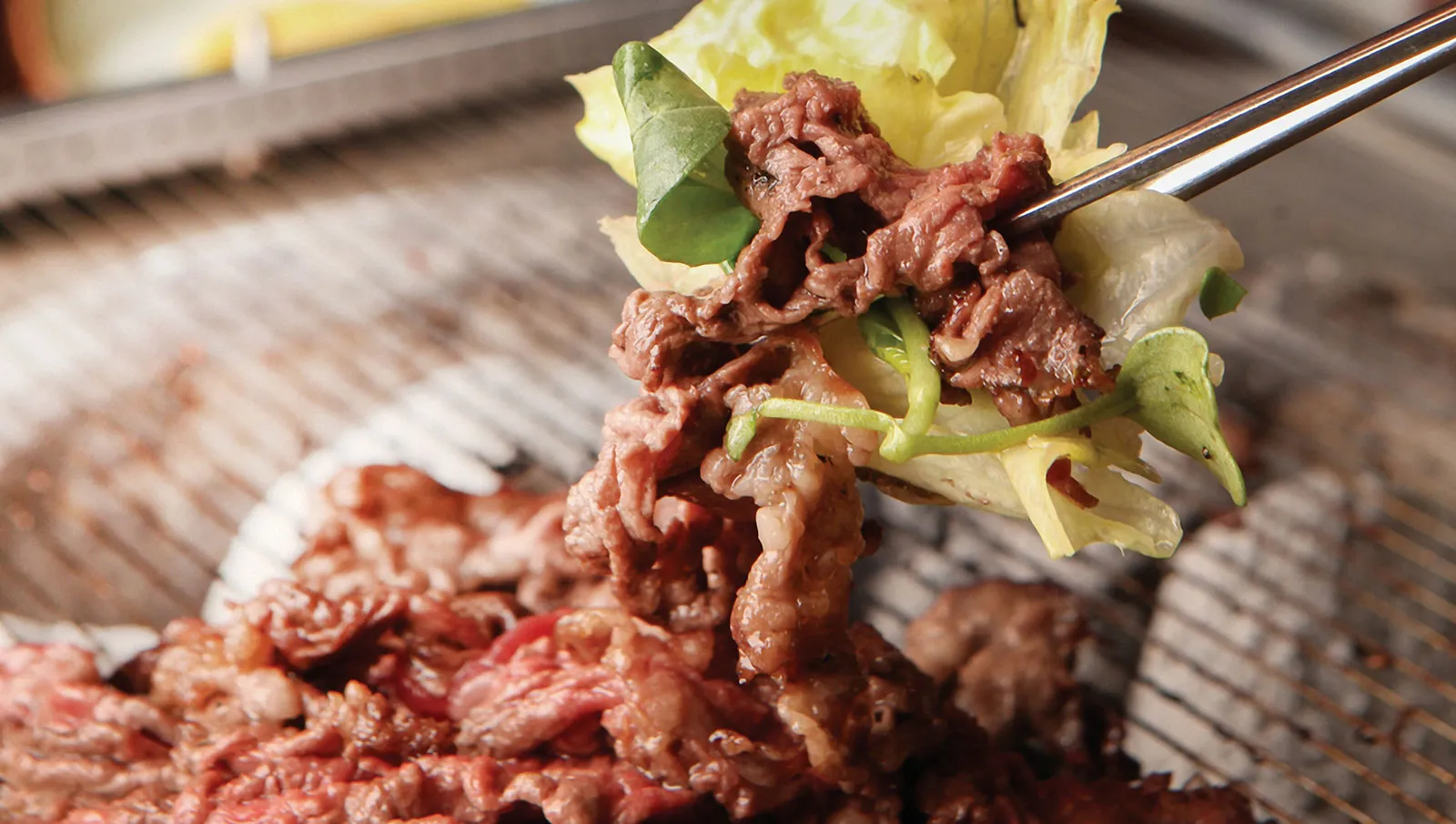
When evening approaches, you can head to downtown Gwangyang to explore the street famous for bulgogi (barbecued beef) specialties. While bulgogi is usually eaten with broth or grilled until crispy, Gwangyang bulgogi is grilled on a copper grate placed over well-heated charcoal.
Entering the street, a sweet aroma stimulates the nose. Upon entering a restaurant and placing an order, red-hot charcoal and thinly sliced beef arrive together. The moment the meat is placed on the grate, the sound and the aroma of seasoning meeting fire alone build anticipation. Placing a piece in the mouth, juices spread abundantly, while the charcoal scent distinctly elevates the meat’s savoriness and the seasoning’s sweetness. Multiple layers of flavor overlap in a single piece. The aftertaste lingers with each chew.
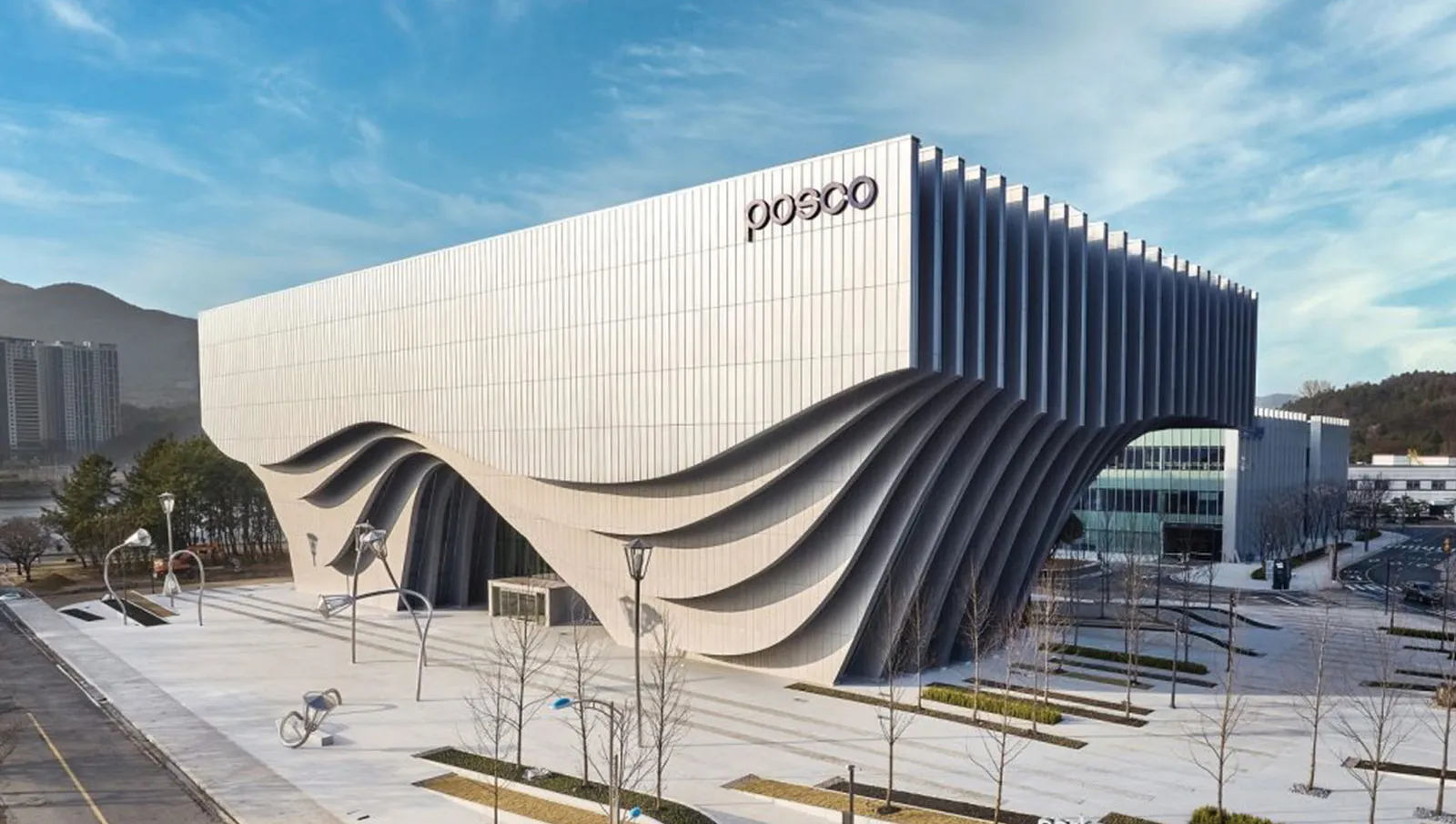
As the meal concludes, the sky gradually reddens. Now it’s time to meet another face of Gwangyang: the sea. Upon reaching Gwangyang Bay, an entirely different landscape unfolds. Towering cranes, various vessels and densely packed containers in the port scenery convey the city’s vitality. This landscape was born as Gwangyang became a “steel city” following the establishment of POSCO, one of Korea’s leading steelmakers, in the city.
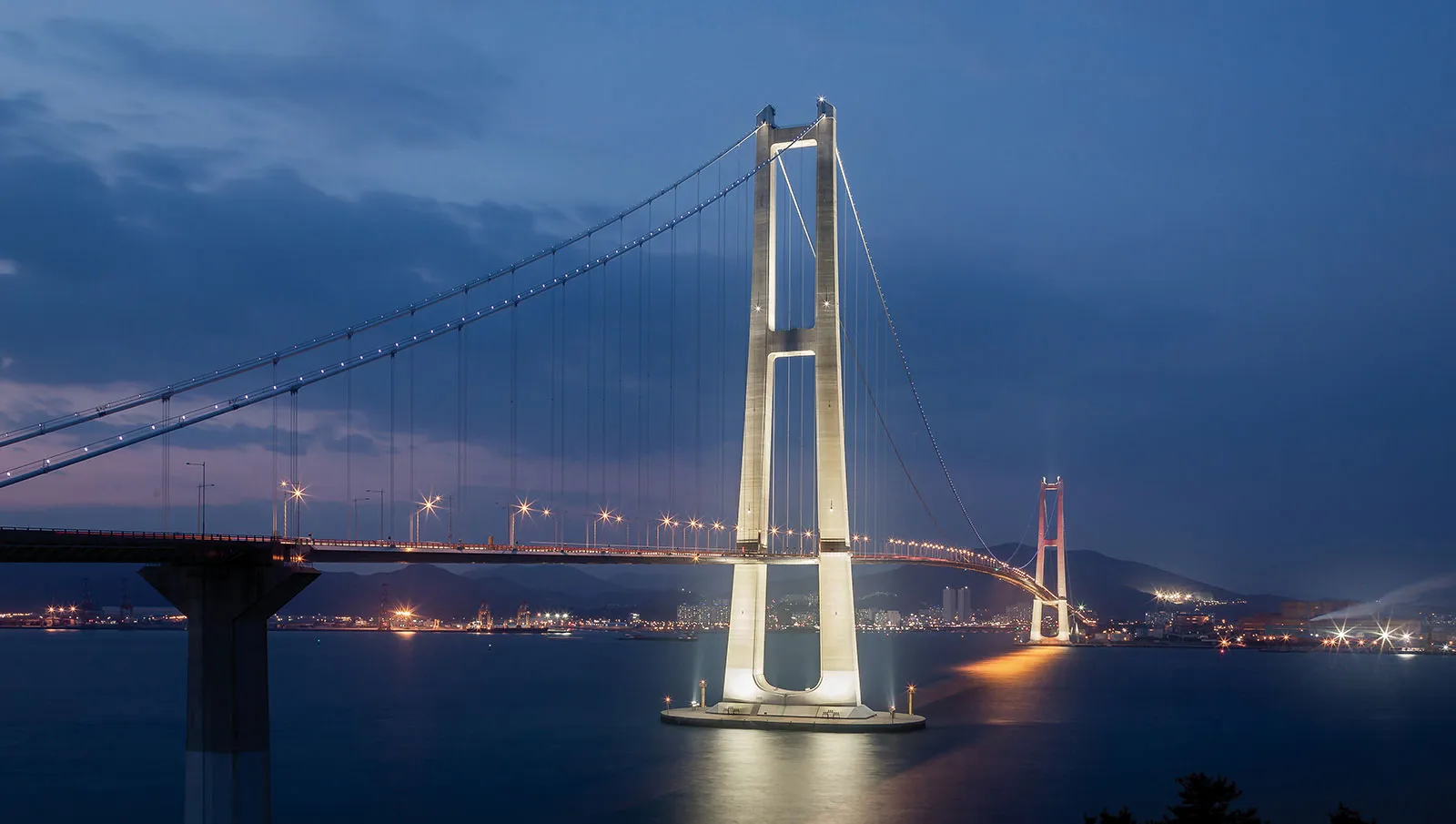
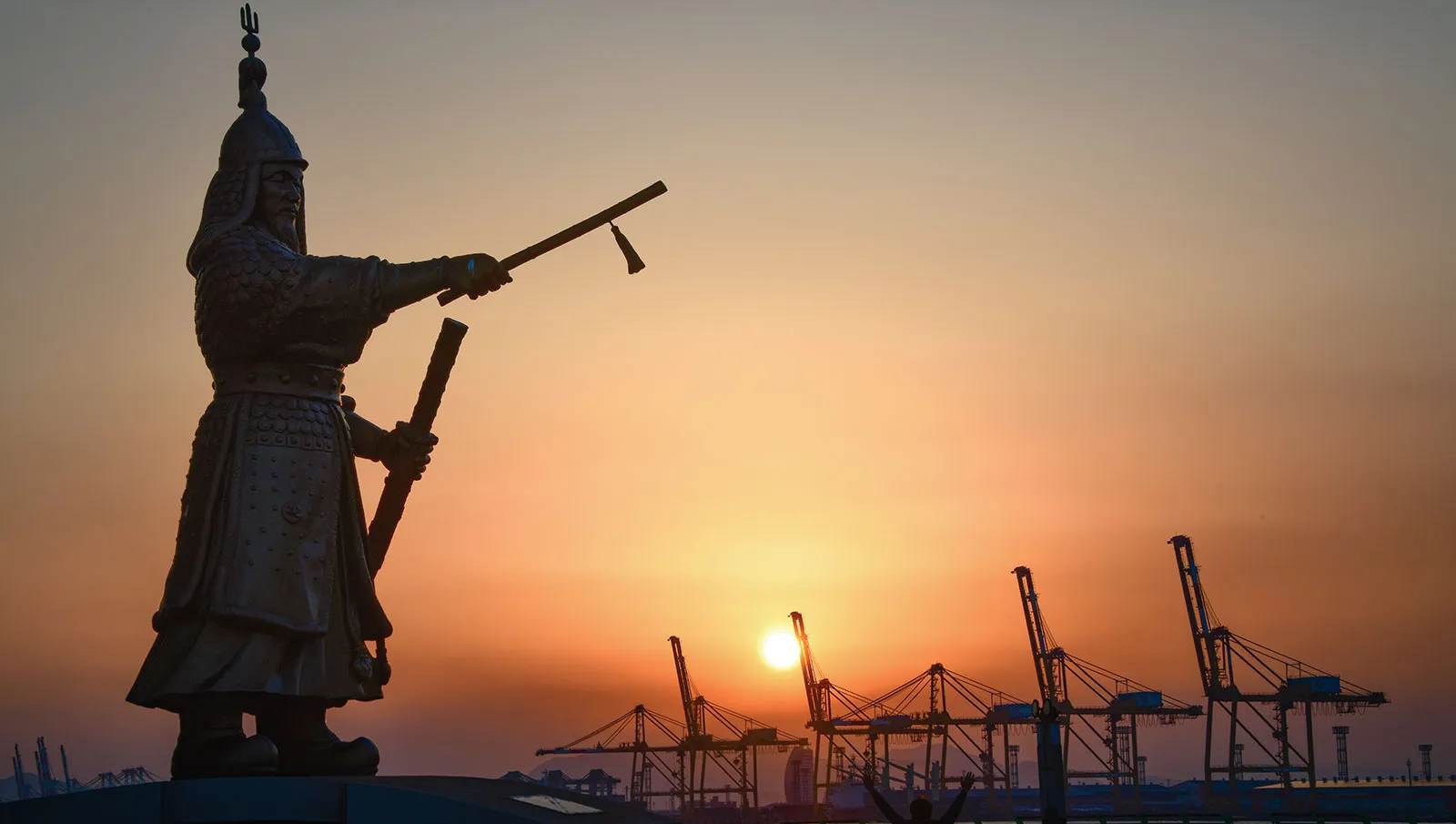
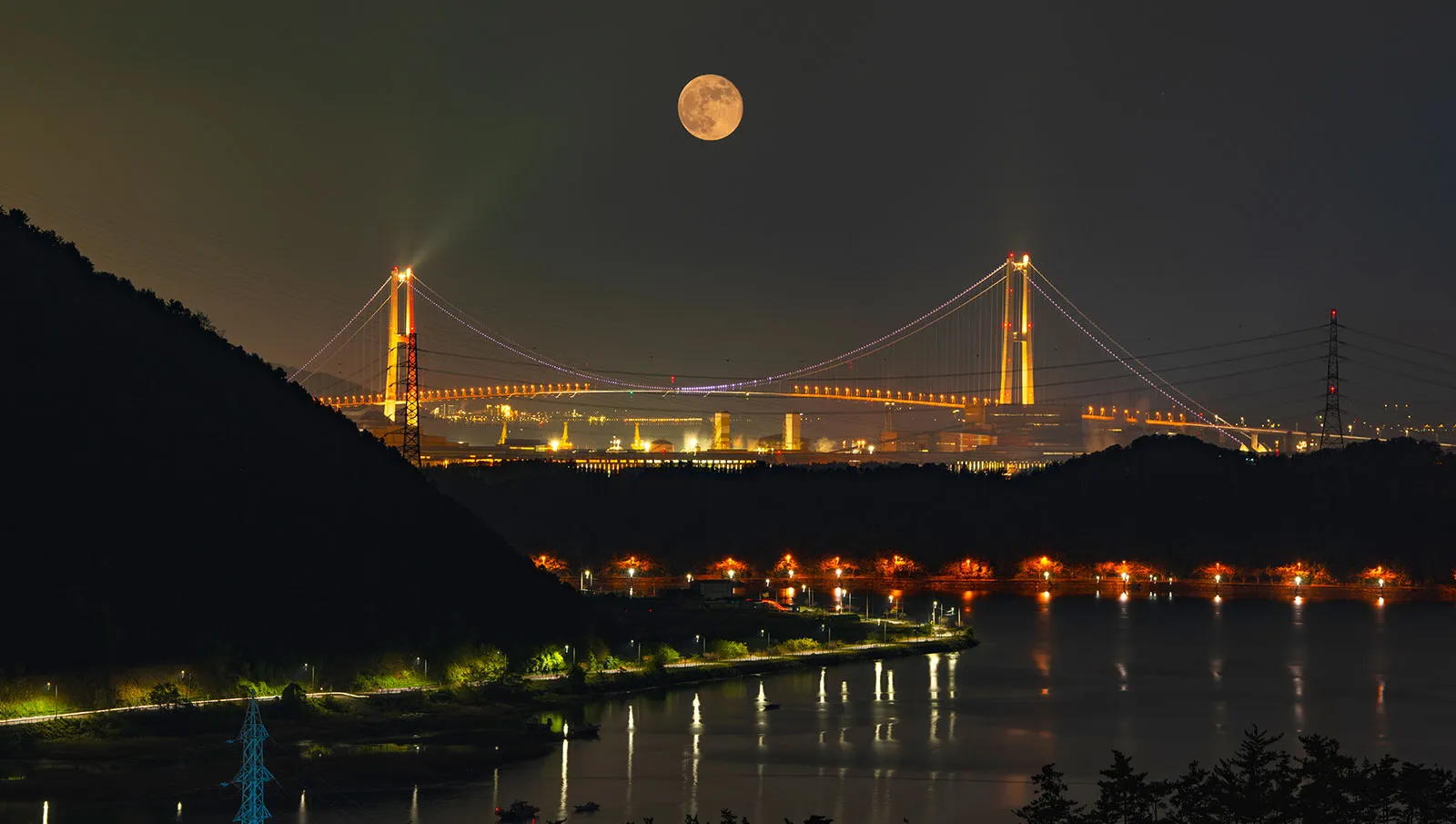
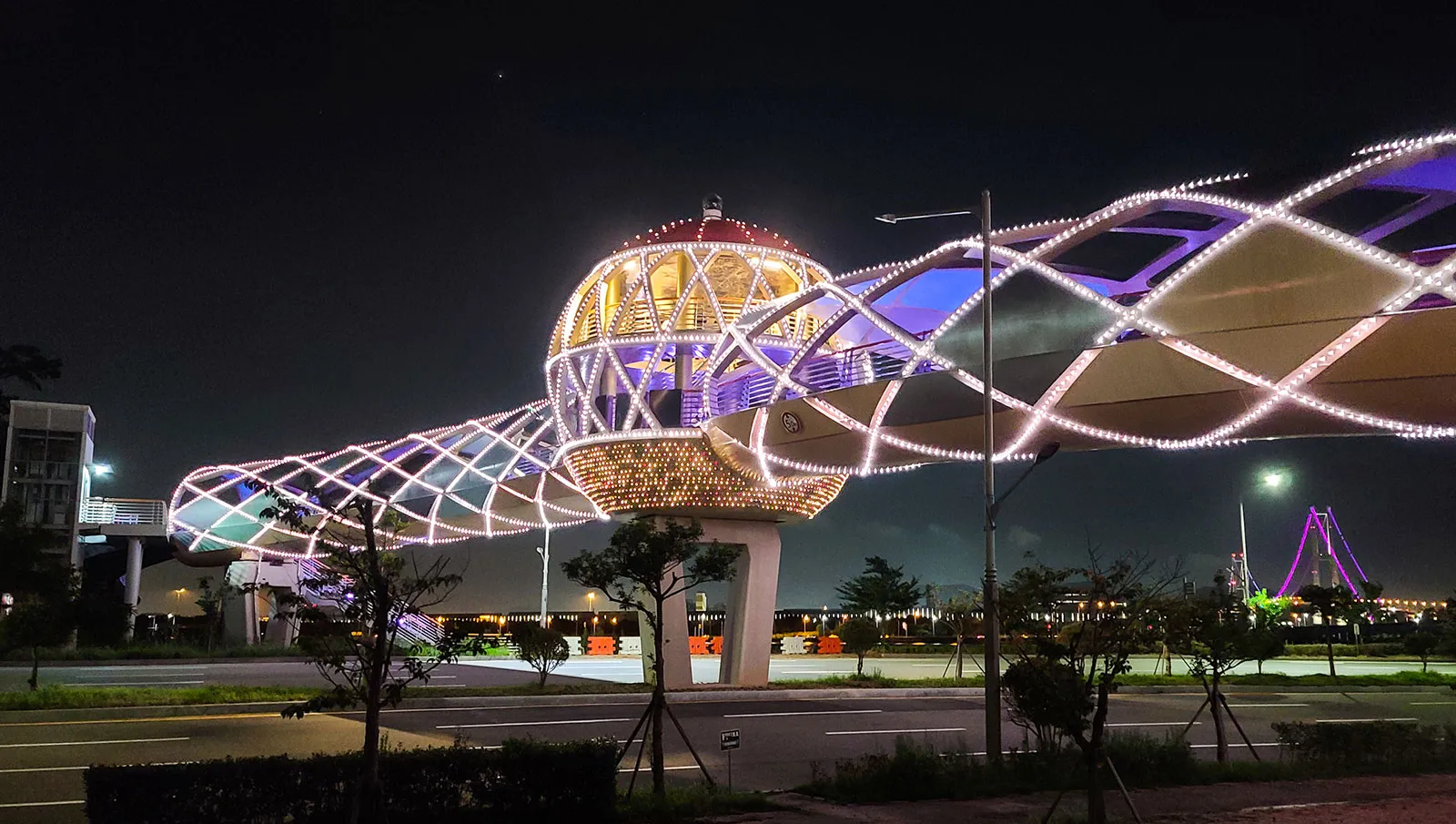
As the sun slowly sets, it is time to move to Haeoruem Overpass near Yi Sun-sin Bridge. Proximity to the bridge allows visitors to appreciate Korea’s longest suspension bridge. At the end of the bridge stands a massive statue of Admiral Yi Sun-sin, as if guarding this city. This is also the site where the admiral died in the Battle of Noryang (1598) during the Imjin Waeran, or the Japanese invasions of Korea in the late 16th century. The bridge and statue appear as symbols carrying on his spirit.
Moving to the overpass, it is now time to wait for night. As darkness descends, the lights of the bridge, steel mill and cars traveling the roads complete a scene on a black canvas. The landscapes encountered during the day overlap, leaving another impression. This city, which simultaneously embraces urban vitality and pastoral charm, has the power to make visitors want to return. Every moment feels like a scene from a movie. At the journey’s end, it is possible to describe the city of Gwangyang this way: an unforgettable place that unfolded enchanting moments like the spring we’ve all been waiting for.
Festival
Gwangyang Maehwa Festival
The Gwangyang Maehwa Festival, marking spring, lasts ten days from mid to late March. This year’s 25th festival begins on March 13 because the plum blossoms are blooming later than usual.
The theme for this event is “Plum Blossoms, Blooming in the Light That Never Fades Through All Four Seasons,” featuring media art, traditional arts, and various experiential programs. Particularly noteworthy are a special exhibition by Gwangyang-born folk painting artist Hyocheon Eom Jae-kwon, and works by eight renowned Korean media artists including Lee Lee-nam, Bang Woo-song and KUNAM Collective.
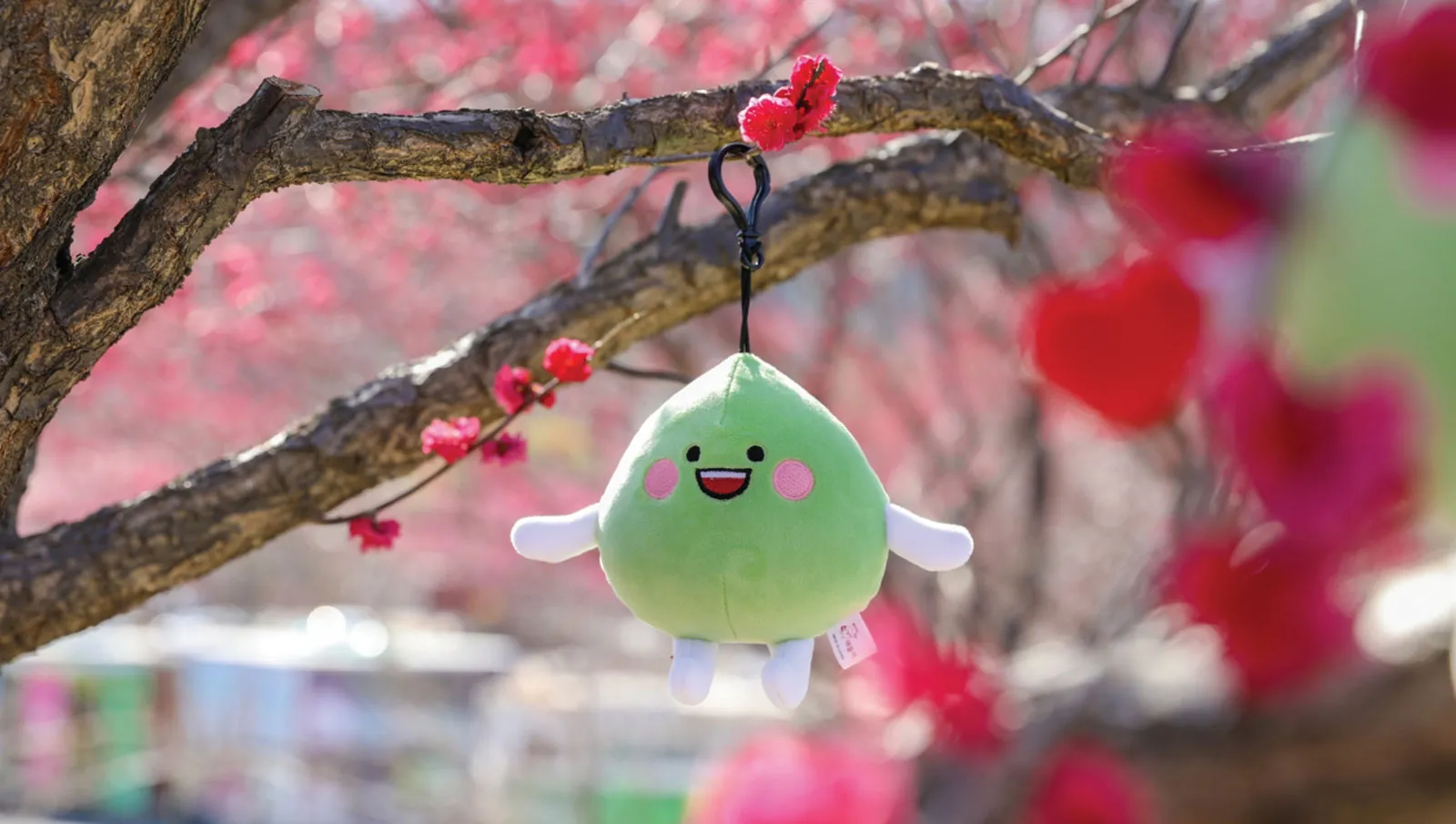
Additionally, there will be concerts by Korea Creative Arts High School, a Maedol-i (the official Gwangyang City character) goods shop, a stamp tour and food booths operated by residents from twelve villages featuring Gwangyang specialties such as plum highball, bulgogi lunch boxes and seaweed soup.
During the festival period, visitors can enjoy free access to Baegunsan Mountain Natural Recreational Forest, the Gwangyang zip-wire and camping sites at Geumcheon Valley, Gubongsan Mountain and Baealdo Island.
Shuttle buses will operate between event parking lots and the main venue. Admission is KRW 6,000 for adults and KRW 5,000 for youths, but admission fees are refunded as local gift certificates that can be used at the festival grounds and various locations throughout Gwangyang.

- March 13 - 22, 2026
- Jimak 1-gil, Daap-myeon, Gwangyang, Jeollanam-do Province