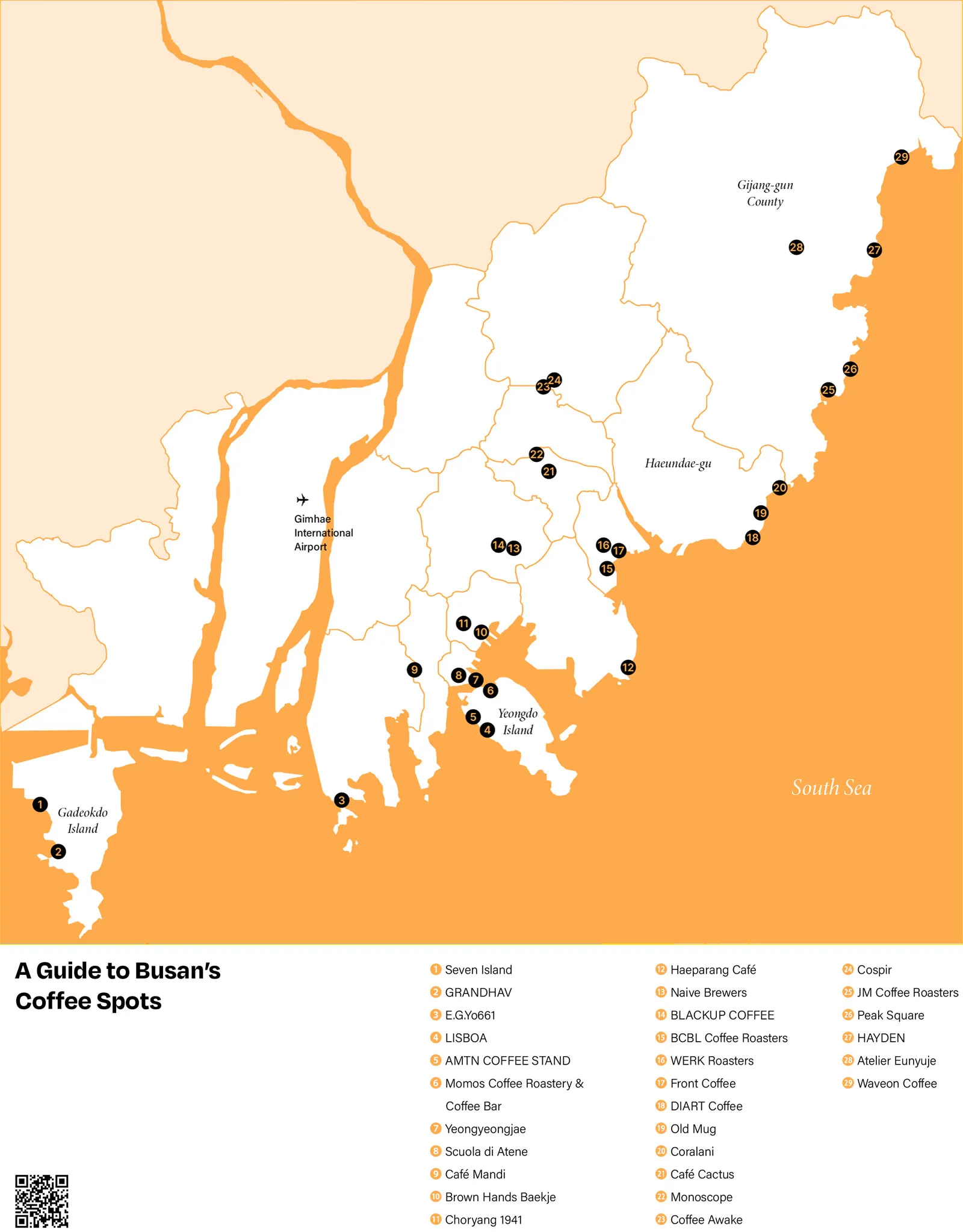
More than 90% of green and roasted coffee beans entering Korea are imported through the Port of Busan. Combined with its status as the world’s second-largest transshipment port and a growing number of roasteries and independent cafés, Busan has earned the title of “coffee city.”
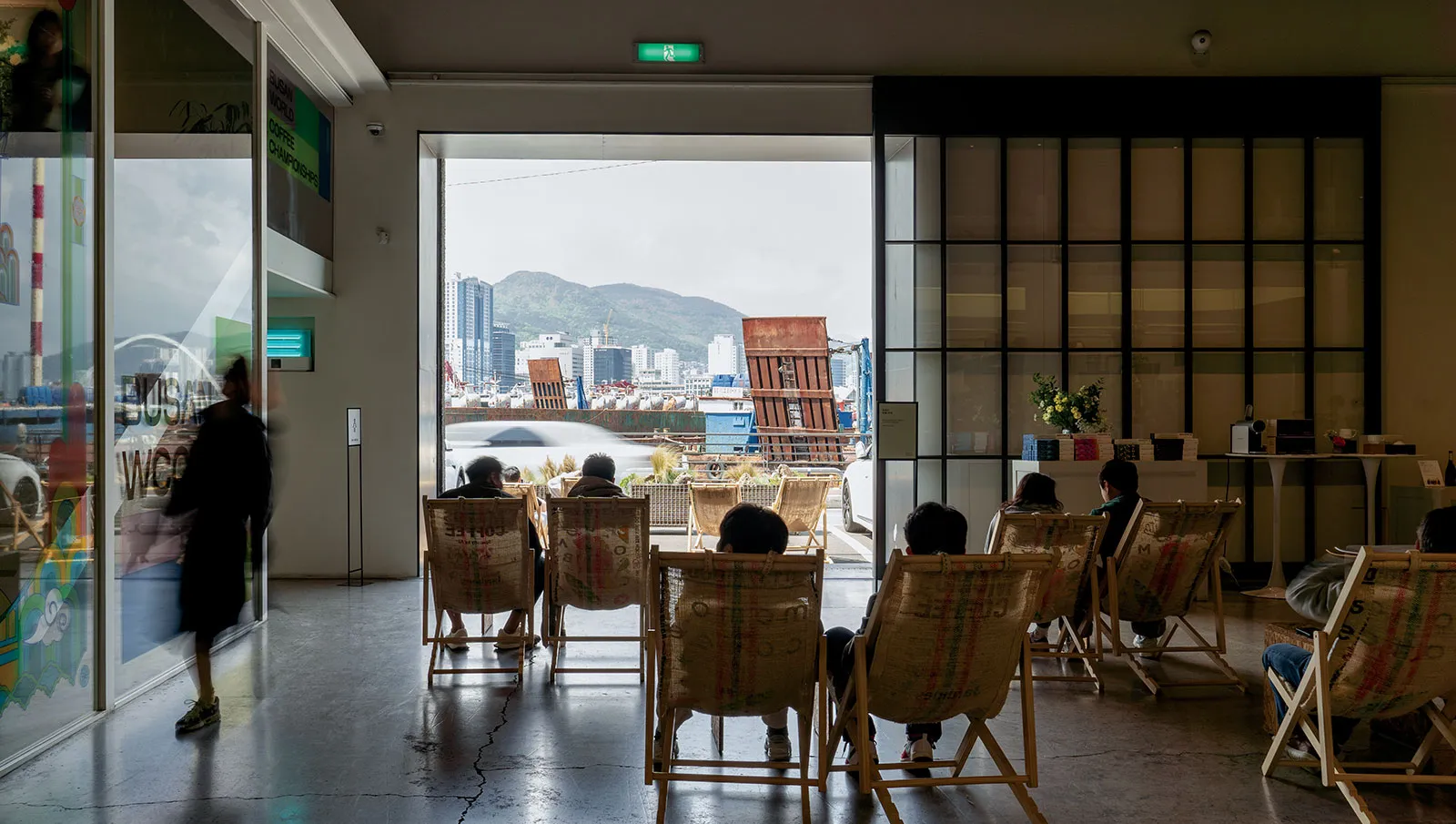
Starting from Busan Station and crossing the Busan Bridge, you can look down at the North Port Phase 1 redevelopment zone (the former Central Pier and Piers 1 through 4). Once defined by container logistics, the area is now being reimagined around passenger, cruise and urban regeneration functions. Old wharf warehouses have been converted for new uses, and Momos Coffee is one such space, redesigned as a complex that combines a roastery, coffee bar, educational facilities and experiential programs.
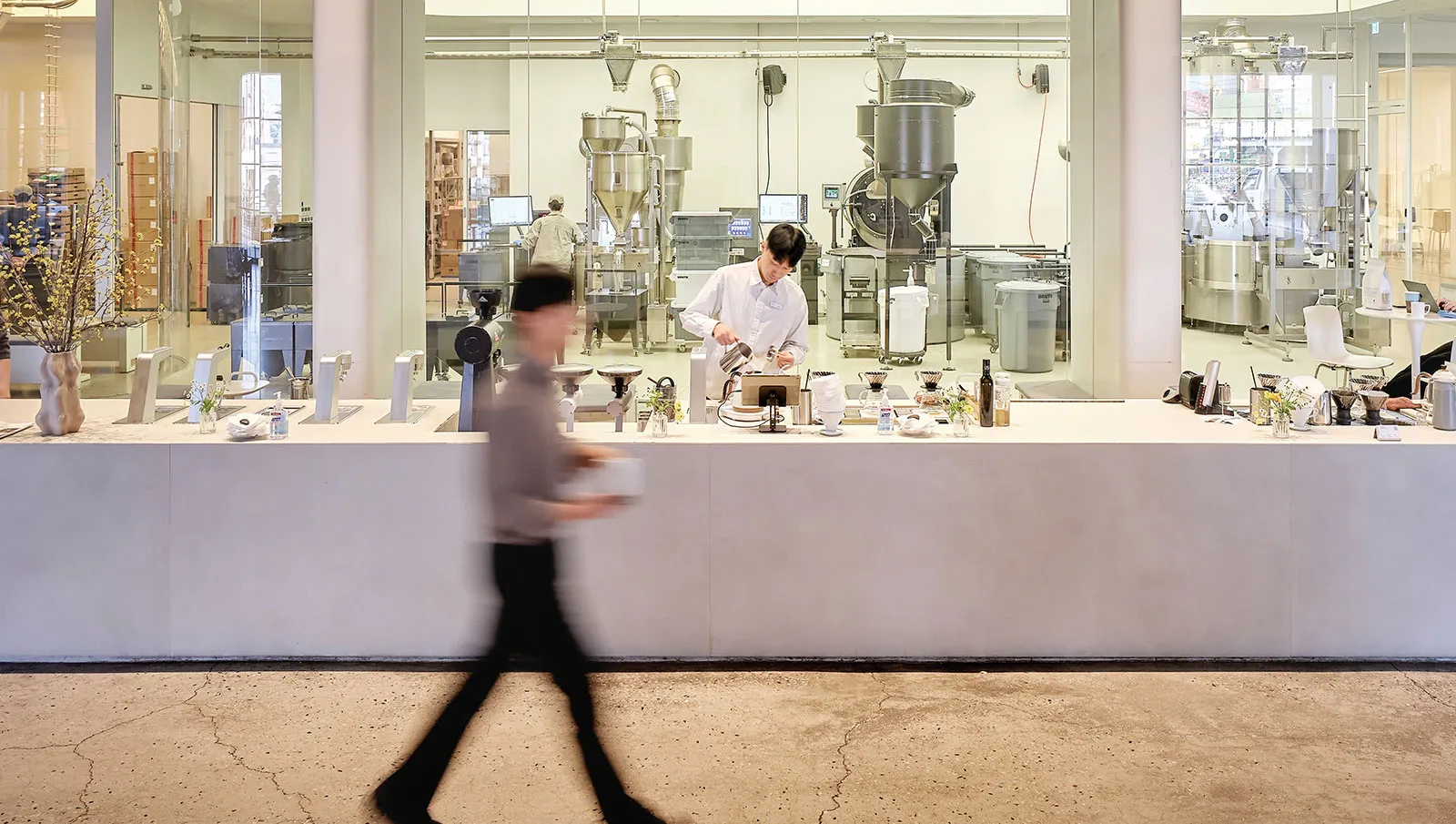
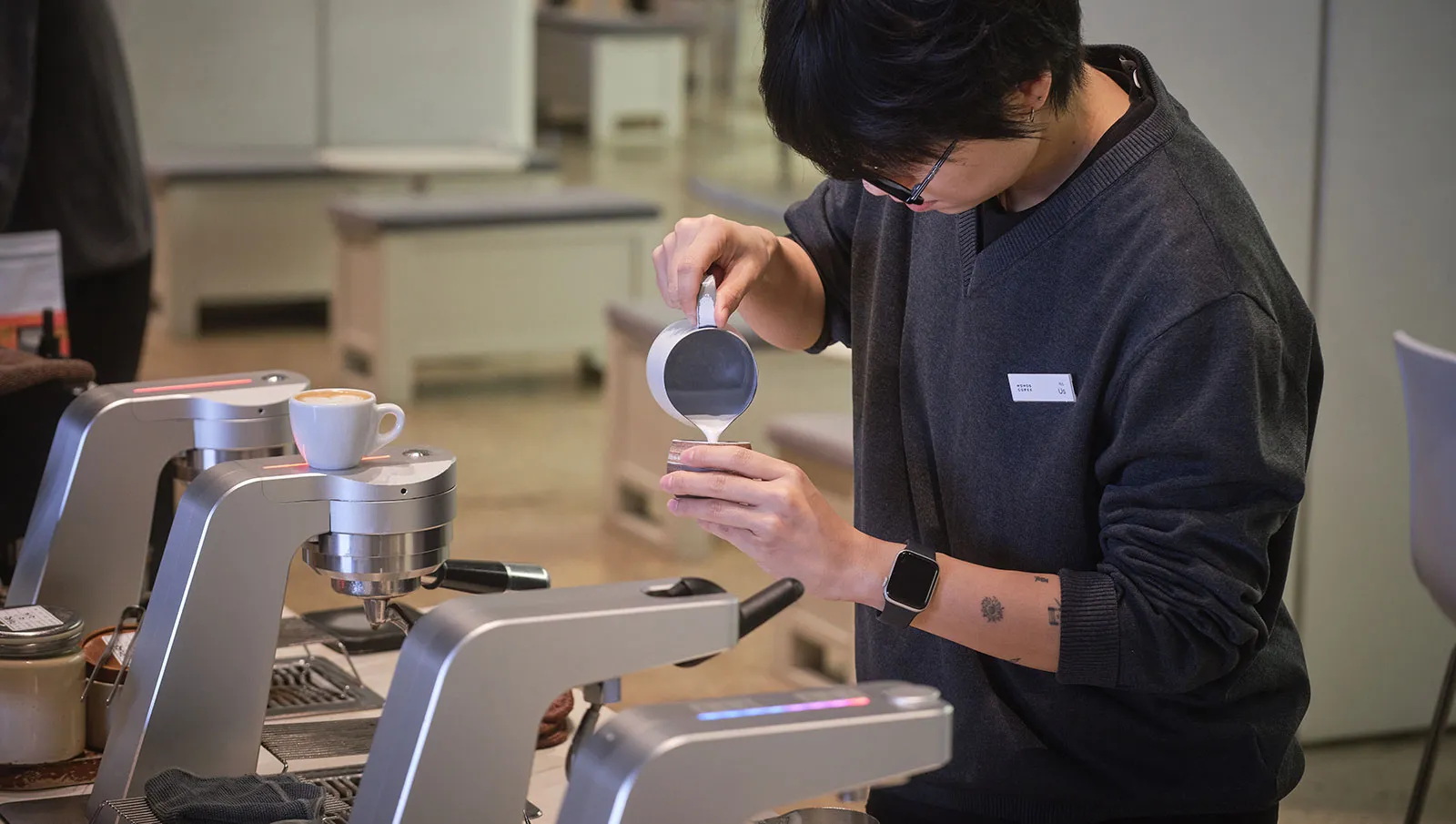
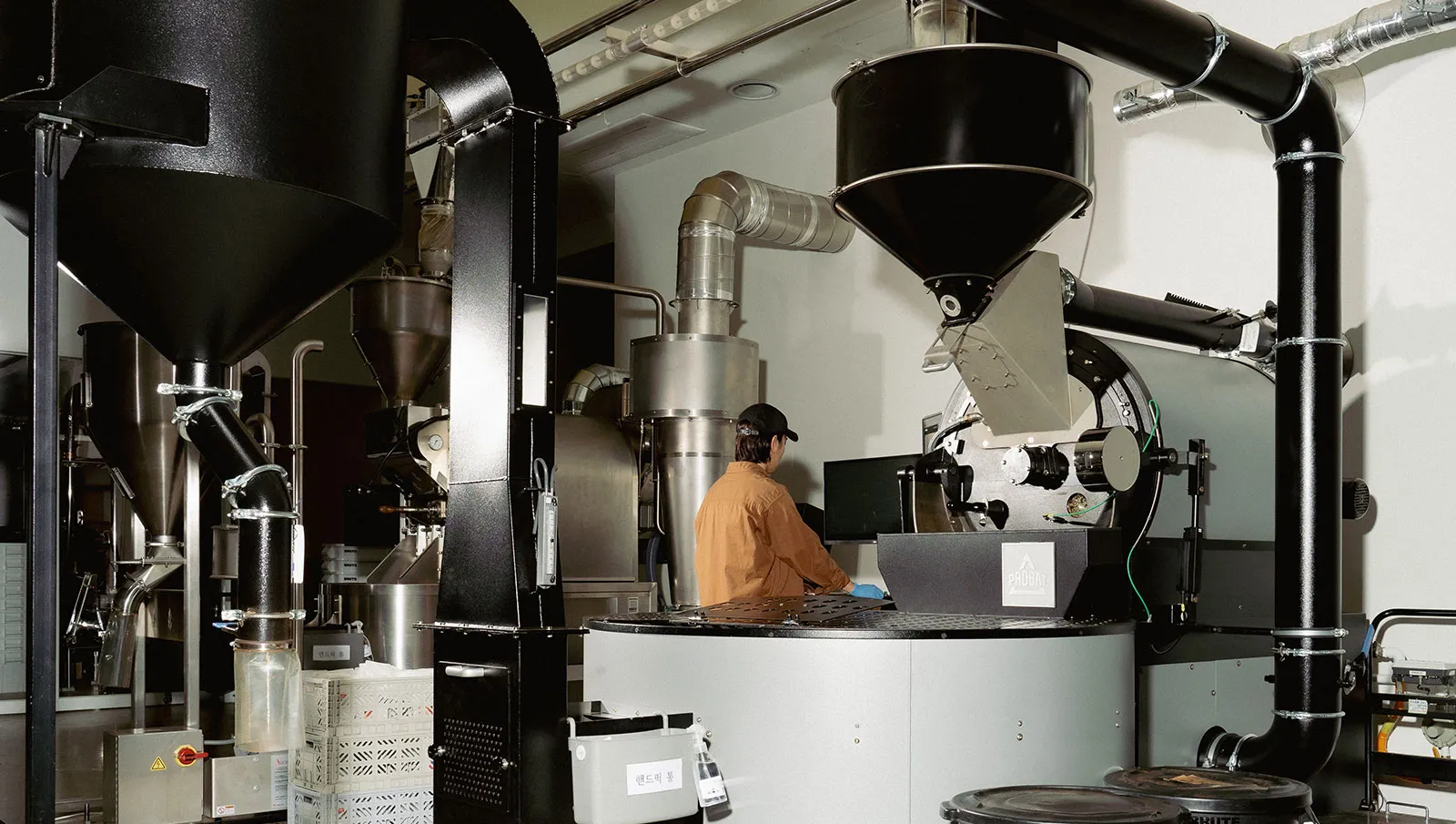
The space features high ceilings, wide open areas and large windows that open generously toward the sea. Inside the bar area, roasting machines are running, while baristas on one side focus intently on extraction. Customers can sit along the extended bar seating and watch the entire process: how their coffee is ground, how it meets water and how the aroma rises.
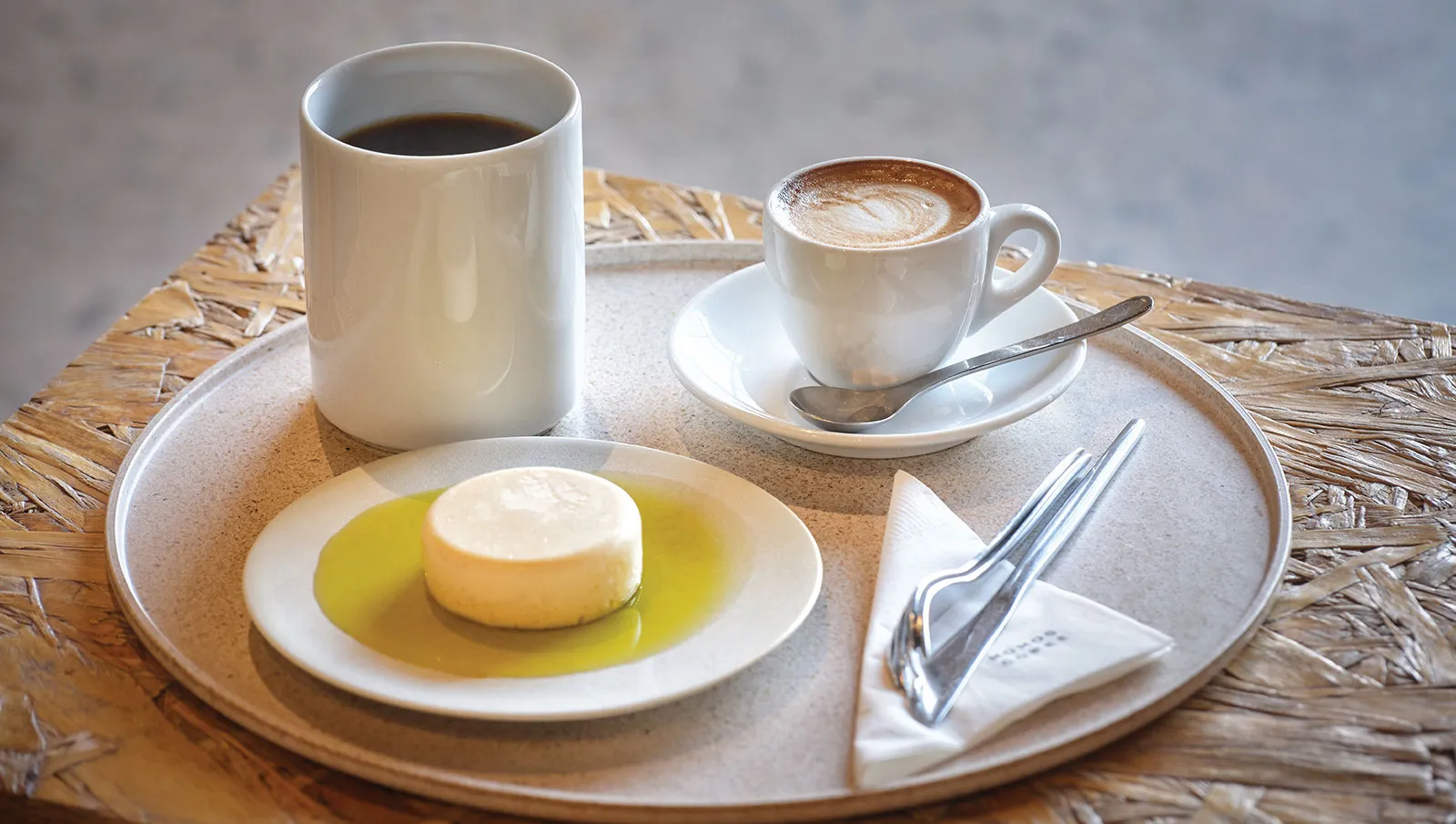
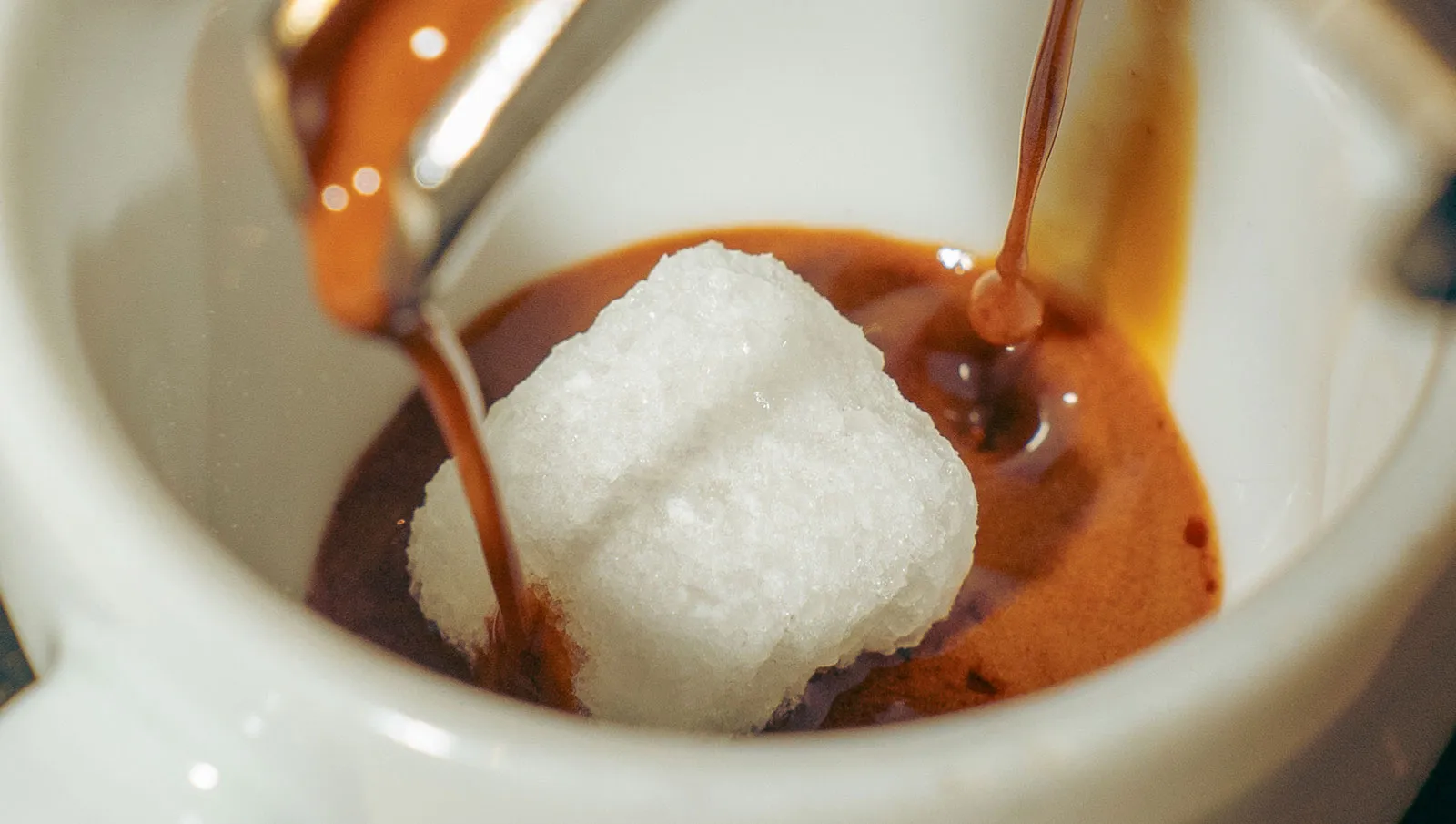
After some deliberation, the Momos Candy was the clear choice. This creative beverage blends orange zest and Earl Grey notes, offering a unique experience where the brightness of citrus layers over the fragrance of black tea on an espresso base. Sipping this drink against the backdrop of the sea, with ships and cranes visible through the glass, it feels as though the air of the port city and the aroma of coffee touch your tongue simultaneously.
What makes this place impressive is the experience of “watching coffee.” Coffee sorting, roasting and extraction unfold throughout the space, and customers naturally follow and enjoy the flow. Simply observing a barista carefully adjusting water temperature and extraction time transforms the space itself into a sensory journey. A cup of coffee at Momos is a kind of declaration, showcasing the level of technique and taste that the city of Busan possesses.
A Coffee Journey
Busan

Steam rising from a cup, delicate aromas, stillness within modern architecture, harbor views, the leisure that comes with the sea—all of these elements contribute to the rich narrative of coffee you can experience in Busan.
09:00
Momos Coffee Yeongdo
Roastery & Coffee Bar

11:00
Brown Hands Baekje
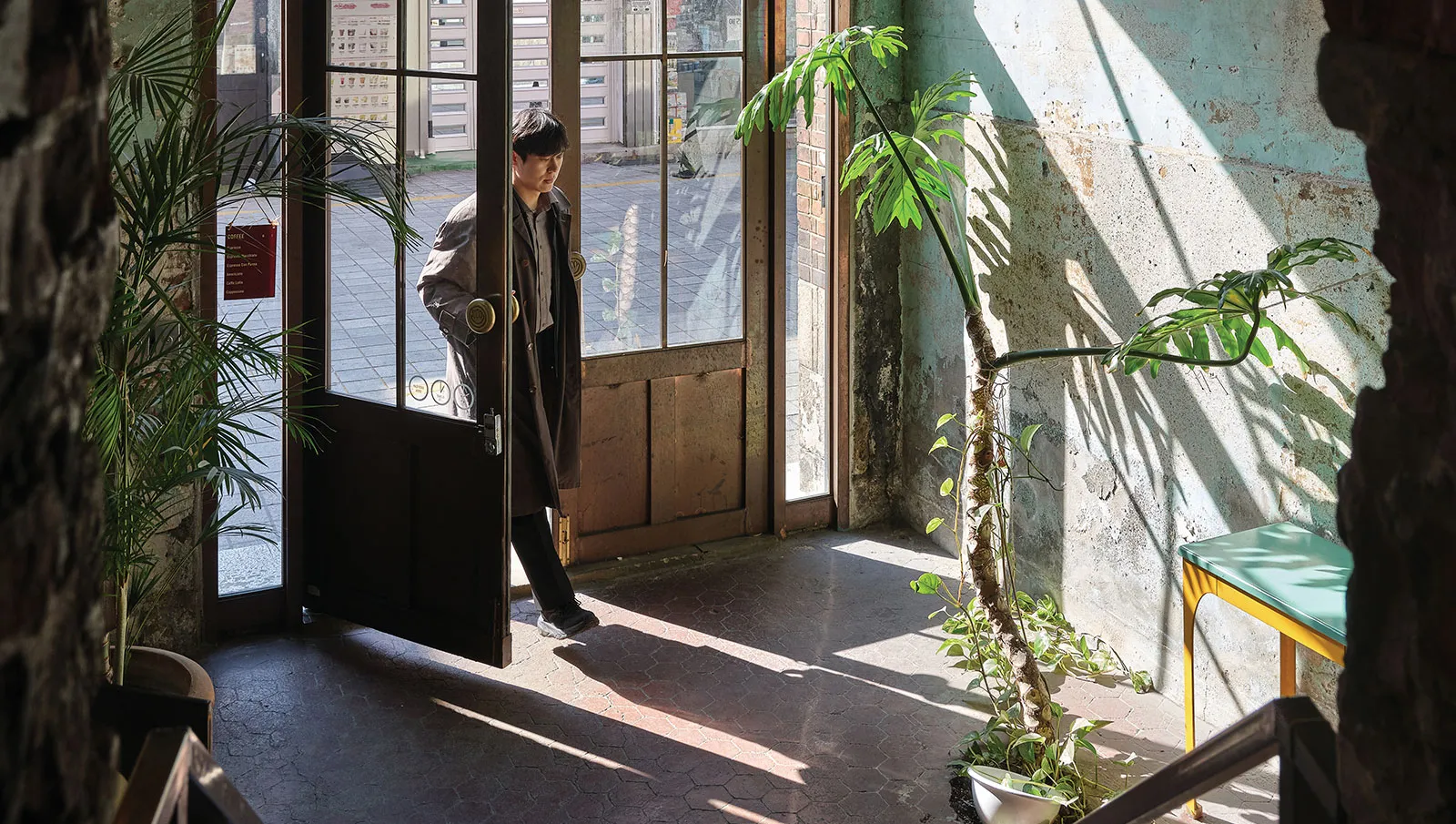
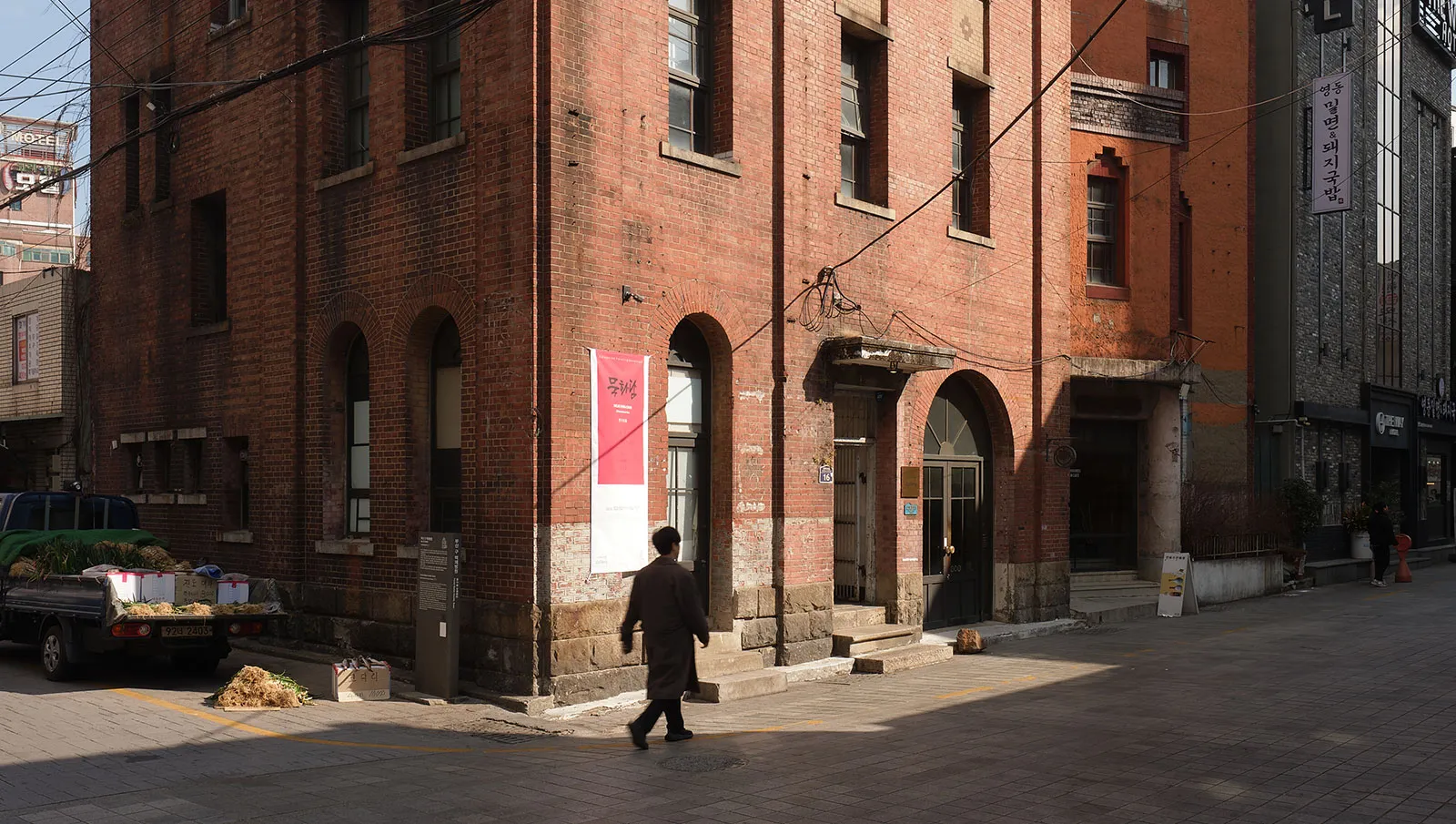
The next destination was Brown Hands Baekje, once featured by The New York Times as one of three must-visit places in Busan. Rather than “entering a café,” it feels more accurate to say you’re “going to experience the history of modern architecture.” The building that houses Brown Hands Baekje was originally Busan’s first modern private general hospital, built in the 1920s. After the hospital closed in 1932, the hospital became a Chinese restaurant, quarters for Japanese military officers, Busan Security Command headquarters after liberation, and finally a wedding hall in 1953, reflecting its complex century-long history.
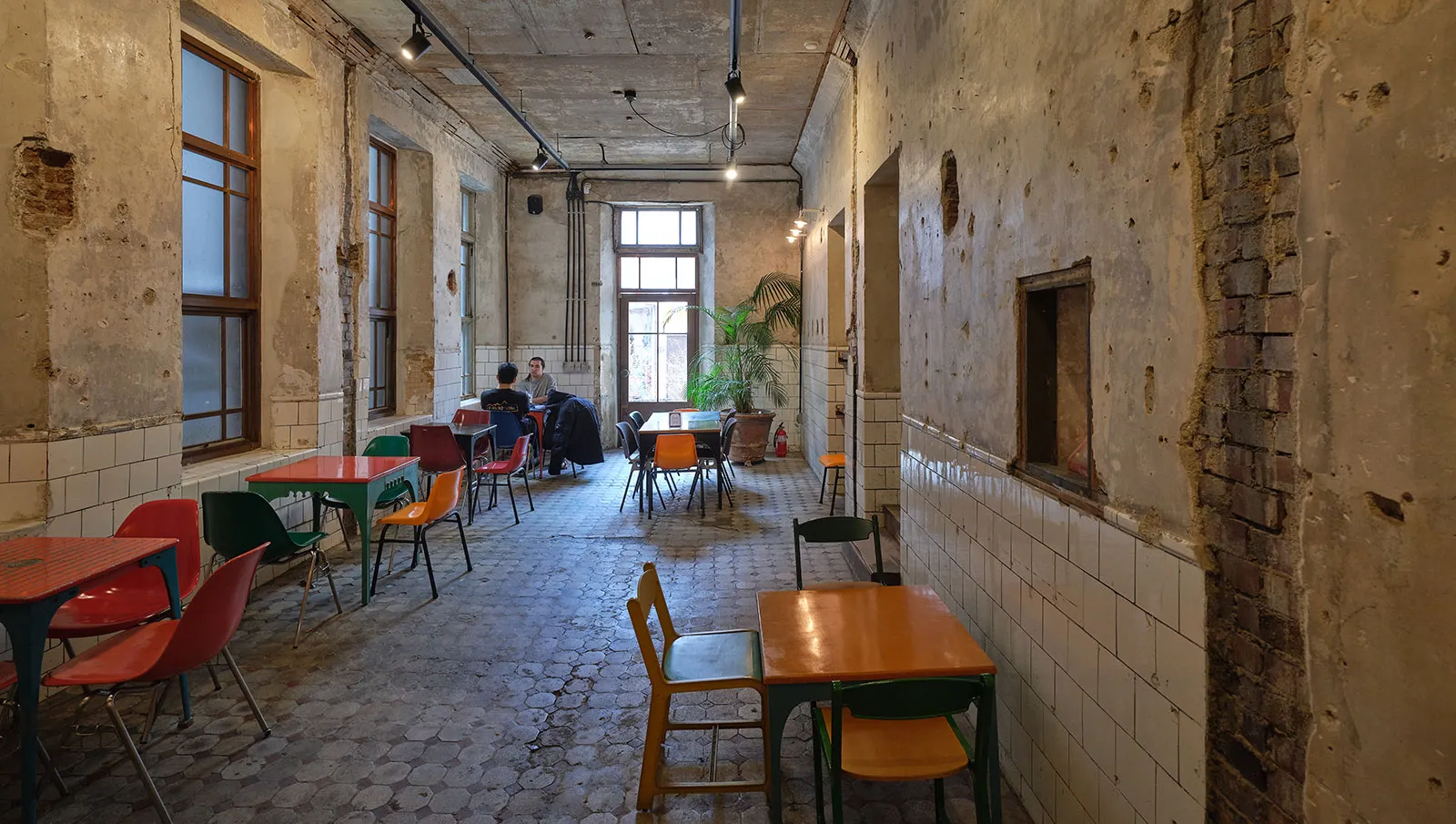
Entering through the first-floor entrance, visitors notice the old bricks, high ceilings, worn stairs and window frames. The space clearly retains memories from its hospital days, but instead of the cold imagery of a medical ward, visitors feel the warmth and quietness characteristic of old brick buildings.
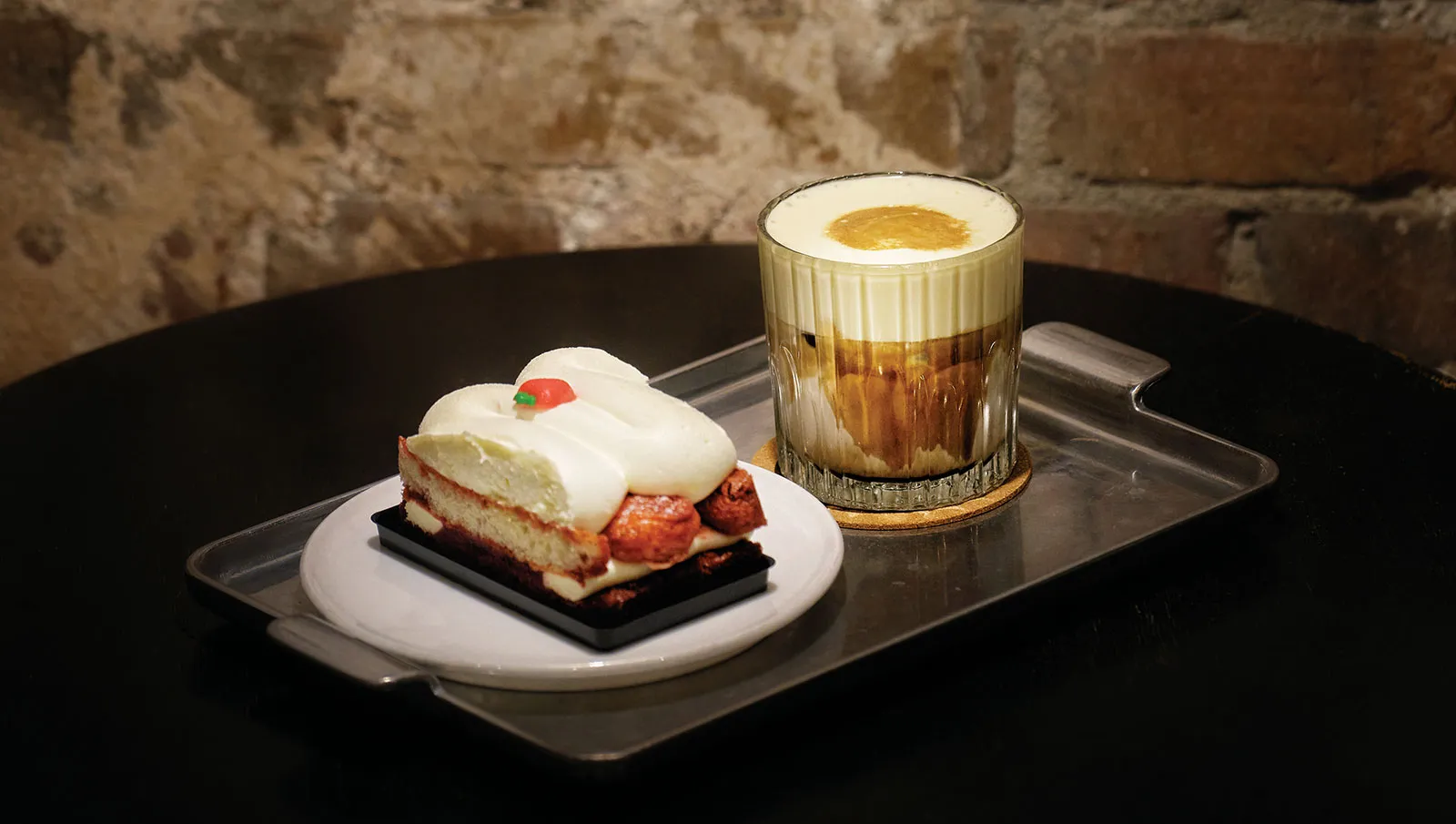
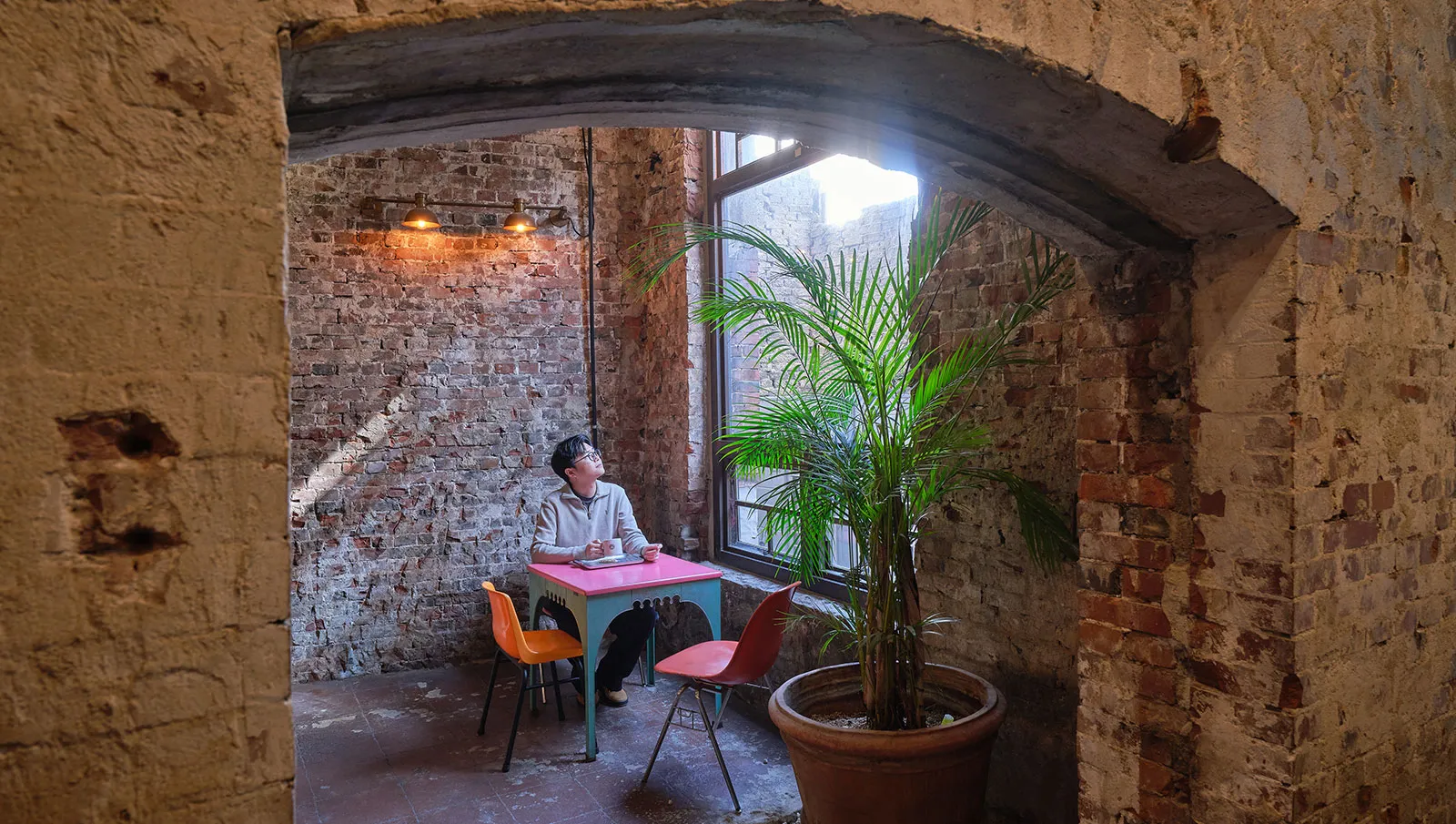
Sitting by the window with a Brown Latte, visitors can watch light filter through the old bricks while sipping from a clear glass. The space offers a distinctive sense of connection to the past, as if the building itself is sharing its story.
Enjoying sophisticated coffee and sweet desserts together in a space where old history resides, visitors find that coffee at Brown Hands Baekje is not merely a beverage but a medium for time travel. It fully recharges visitors and gives them the energy to continue exploring.
14:00
Cospir
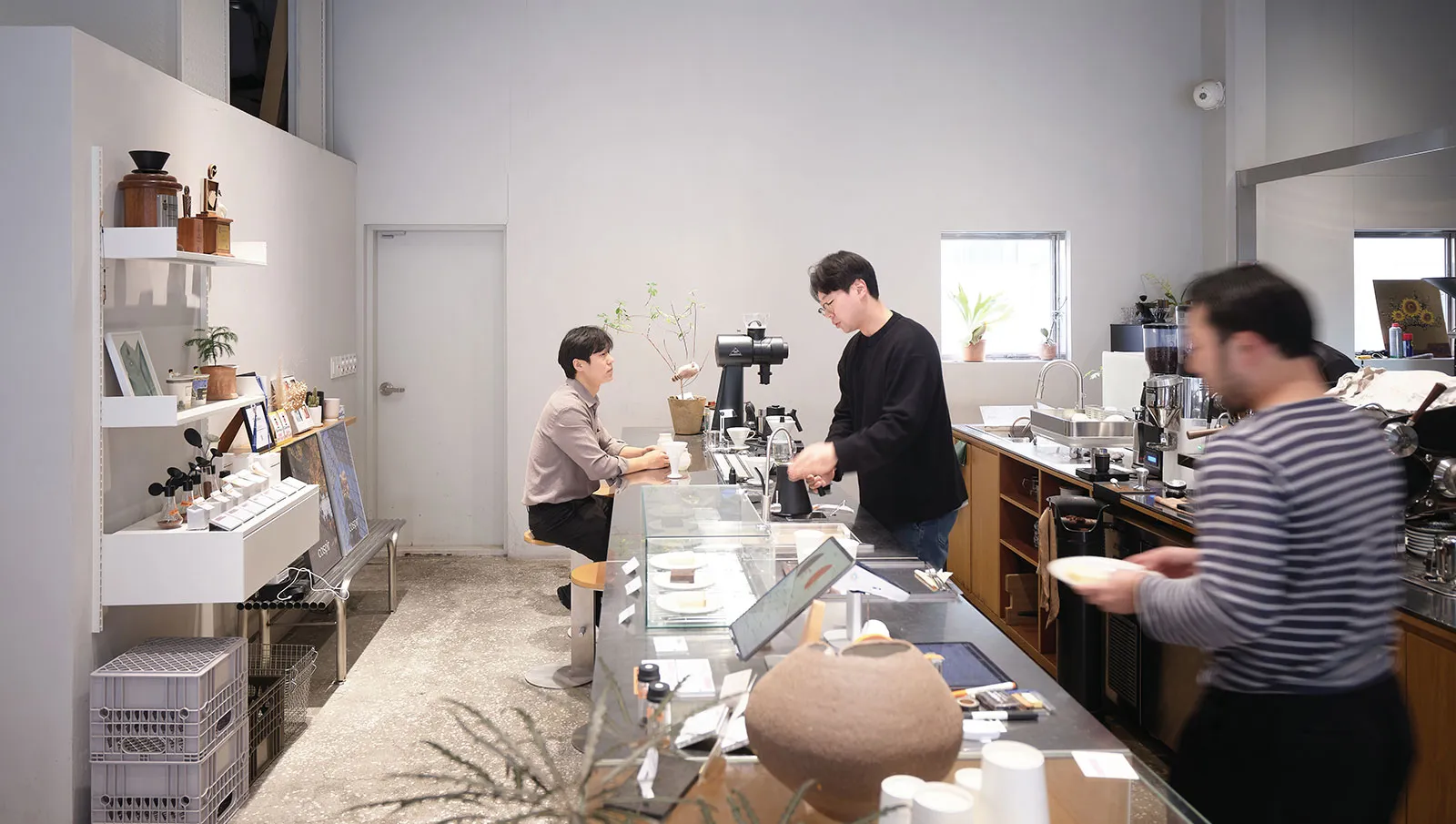
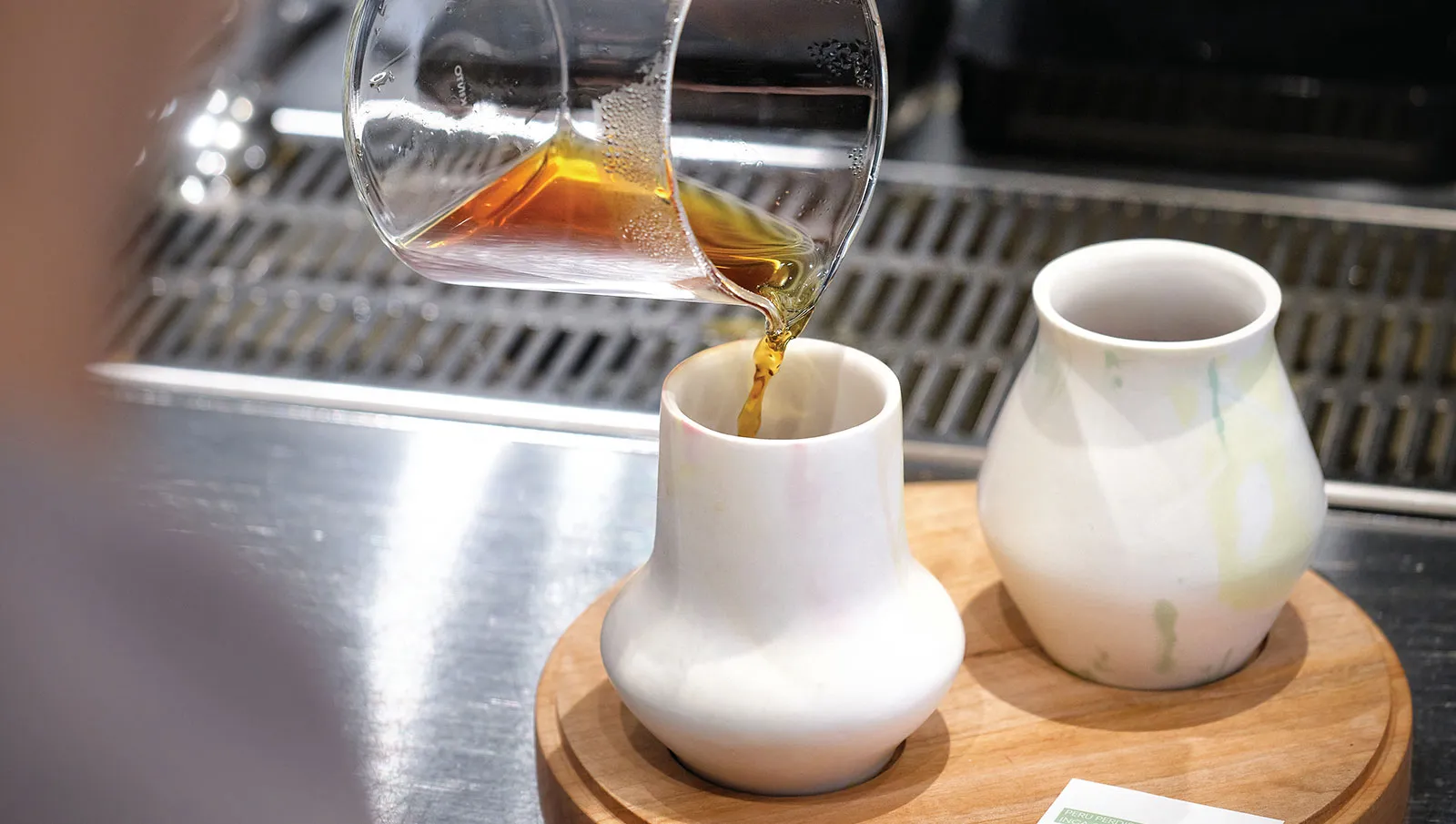
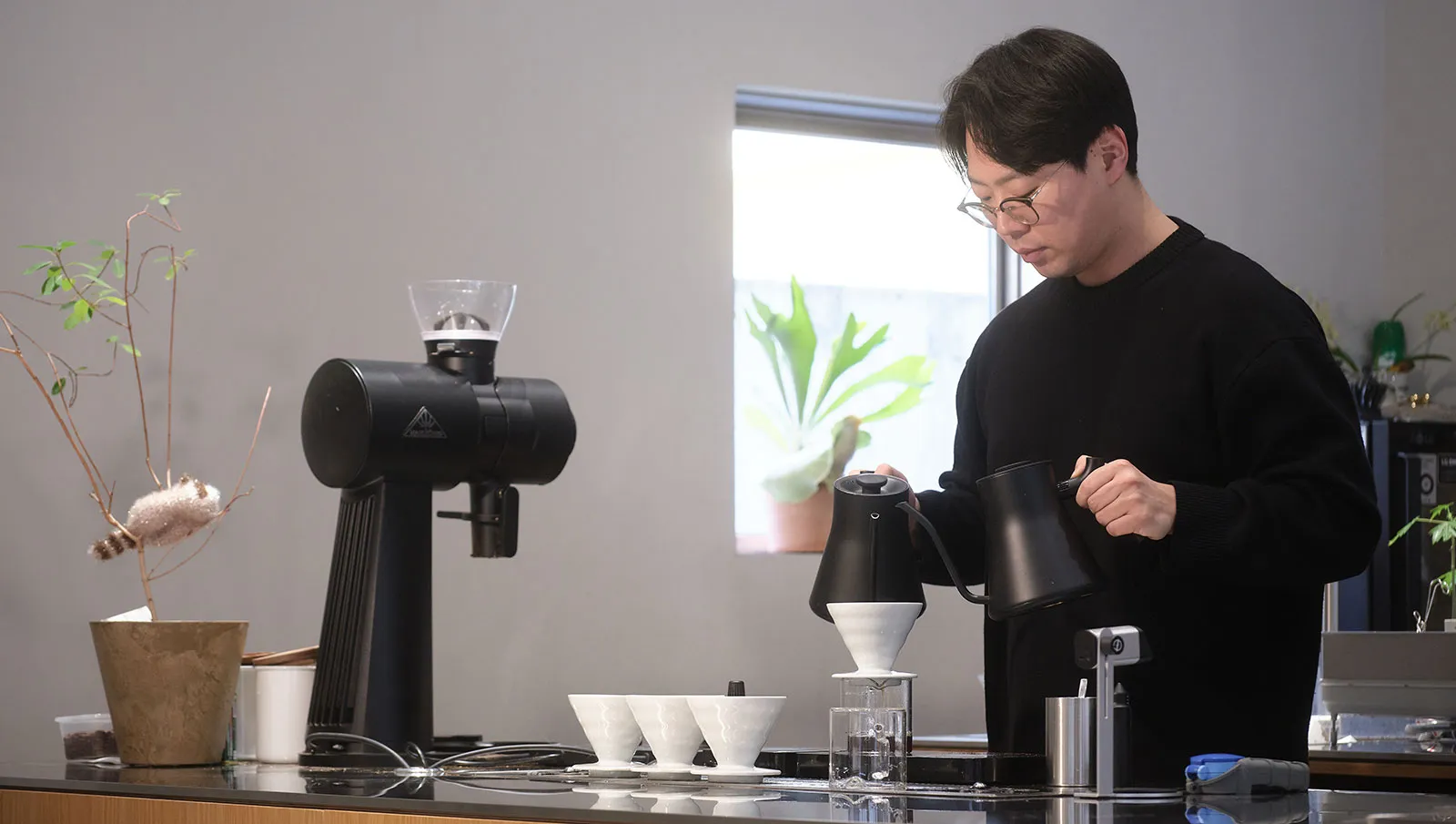
Located in an alley near Busan National University Station, Cospir is a small, dense space focused solely on coffee. There are about 40 seats, and the best spot is undoubtedly the bar table, where guests can watch the barista’s brewing directly. Distinctive ceramic cups, resembling martini glasses, are reserved for guests seated at the bar.
Opened four years ago by Jung Hyeong-yong, the 2019 Korea Brewers Cup Champion and national team barista, this café covers a broad spectrum from espresso-based drinks to brewed coffee. The baristas provide concise but clear explanations of each season’s various bean origins, processing methods, acidity directions and flavor notes. Two types of in-house crafted ceramic cups, designed to better capture sweetness and aroma, greatly enhance the coffee experience.
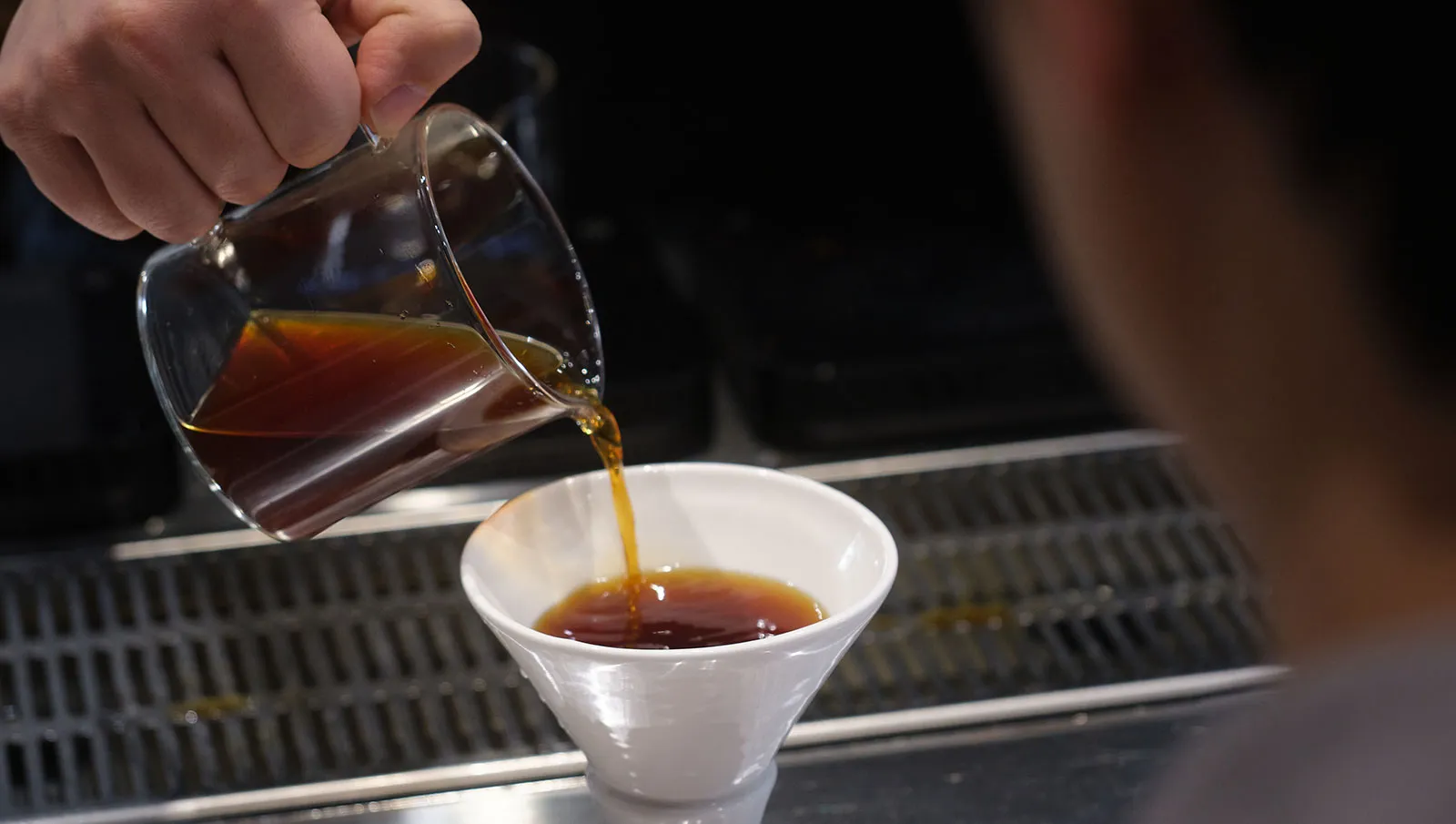
One can try the Peru Cusco Perdido Por Las Flores Inca Geisha, SL9 Washed. This smoothly brewed coffee, reminiscent of a fragrant cup of tea, gently passes through the nose and throat, elegantly enveloping the entire body. Other customers also savor their time, gazing at their cups while taking in the aroma.
Here, a cup of coffee becomes an invitation to slow down—to notice subtle shifts in acidity, sweetness and temperature. When you want to momentarily disconnect from the city’s noise, a cup of brewed coffee at Cospir becomes a substantial pause button.
16:30
Waveon Coffee
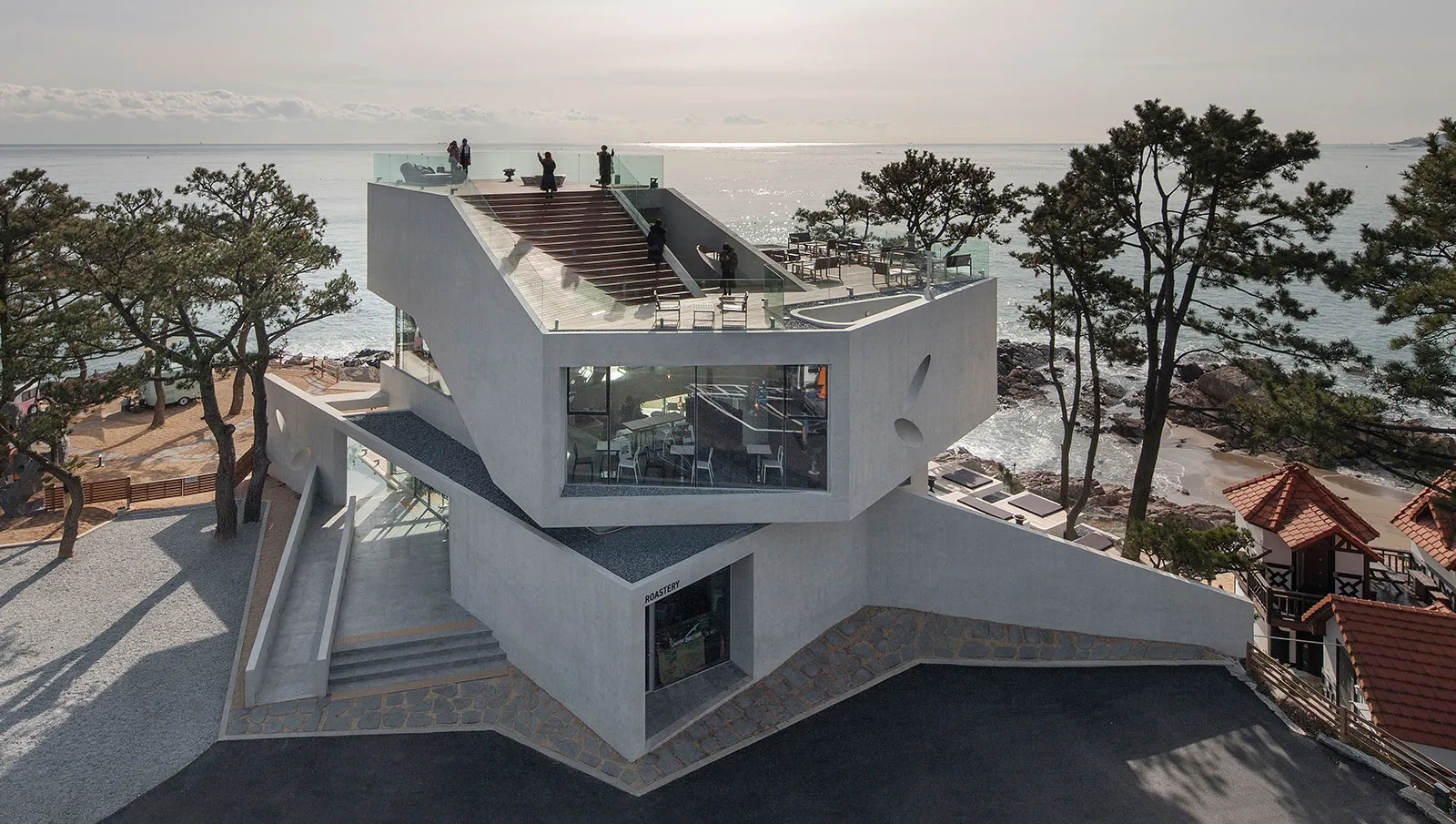
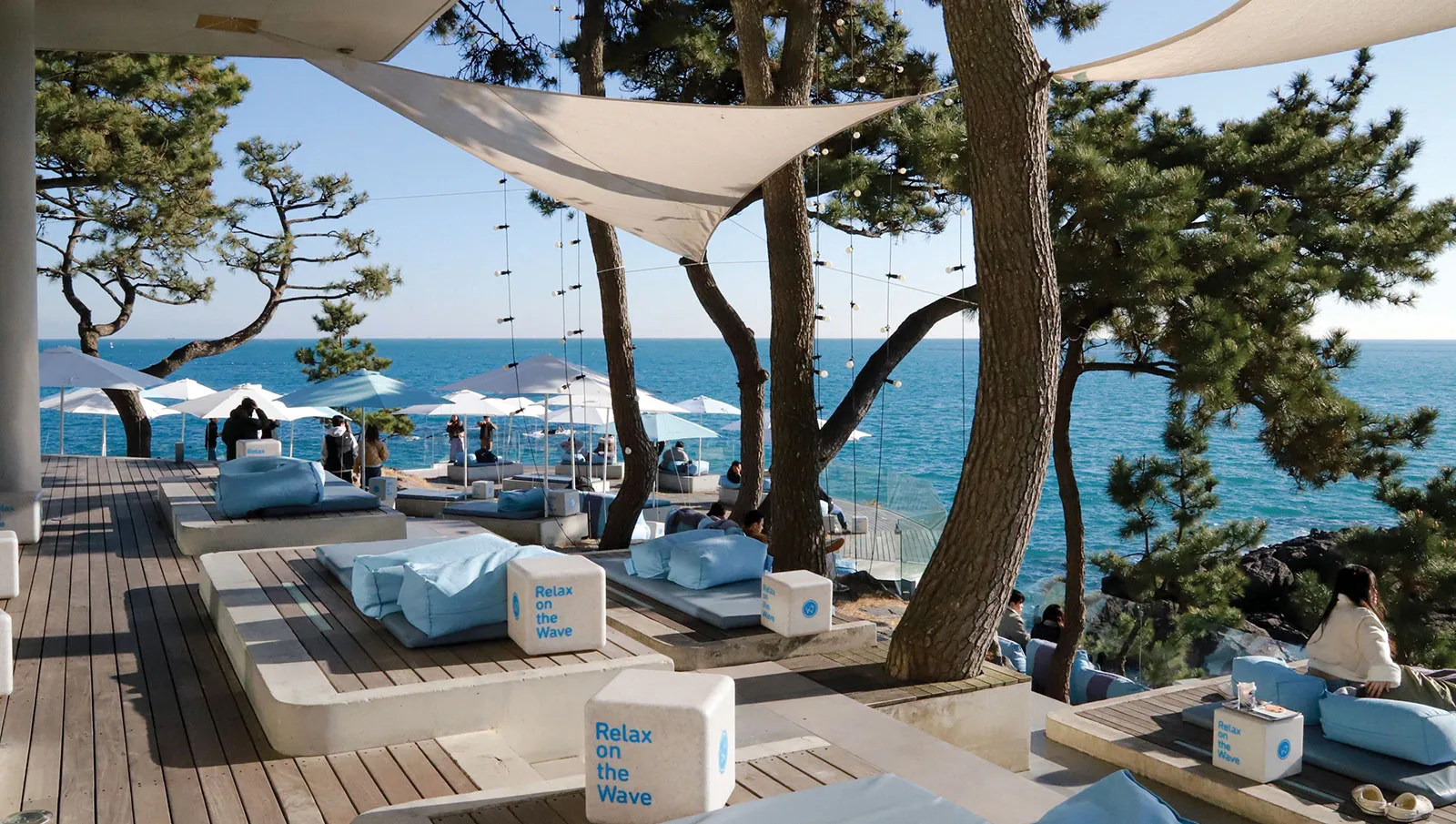
The final stop of the Busan coffee journey leaves the city center and heads back to the coastline. At Haemaji-ro in Gijang-gun County, white architecture, terraces, blue beanbags and shade structures unfold in tiers, opening toward the sea. Waveon Coffee is renowned for its expansive ocean views and architectural design.
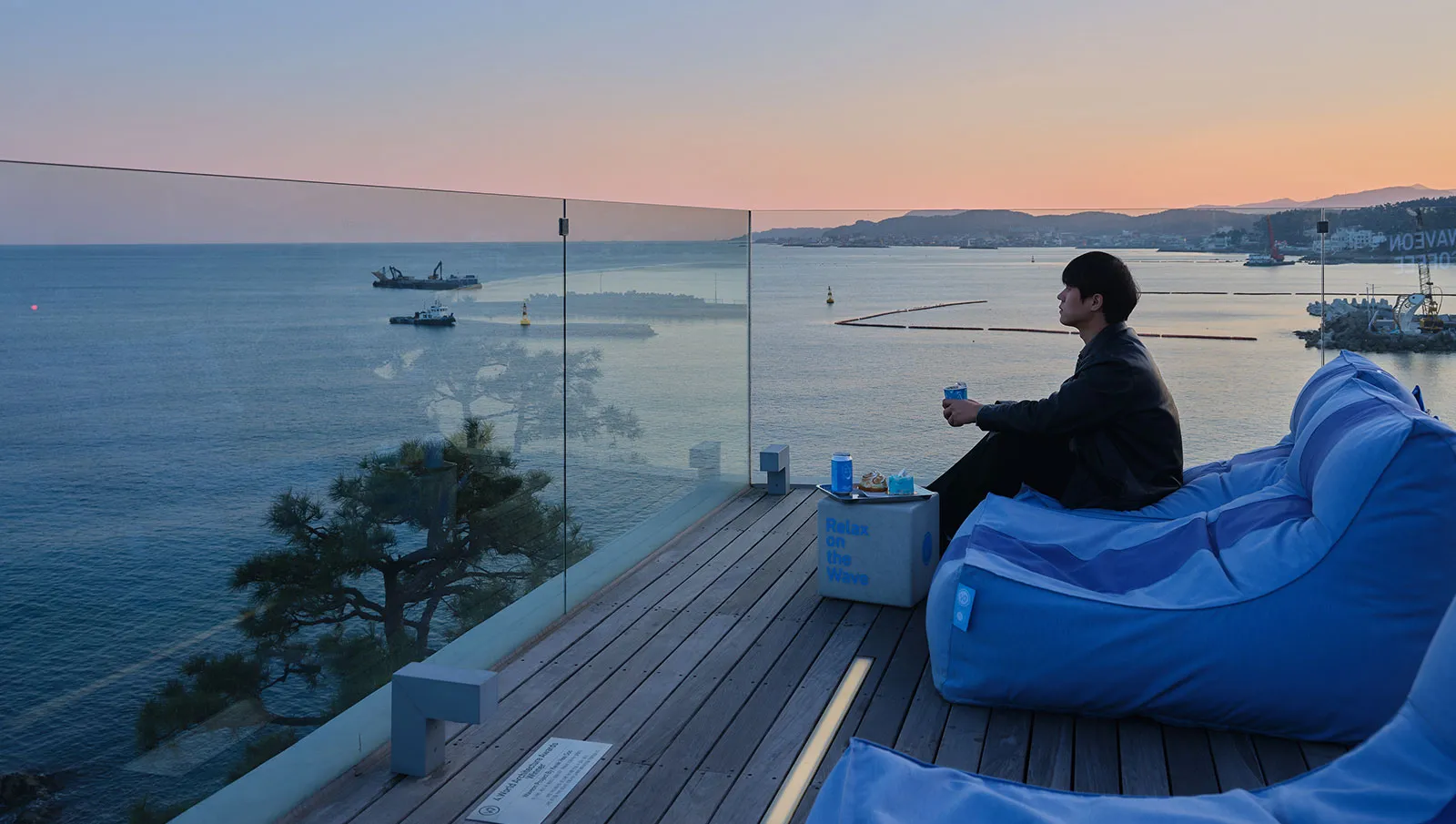
From indoor seating to terraces to outdoor spaces with beanbags, the place fills with people taking photos and waiting for sunset. Some call it a “wave-gazing spot,” a place perfect for letting time drift by while watching the waves without a thought.
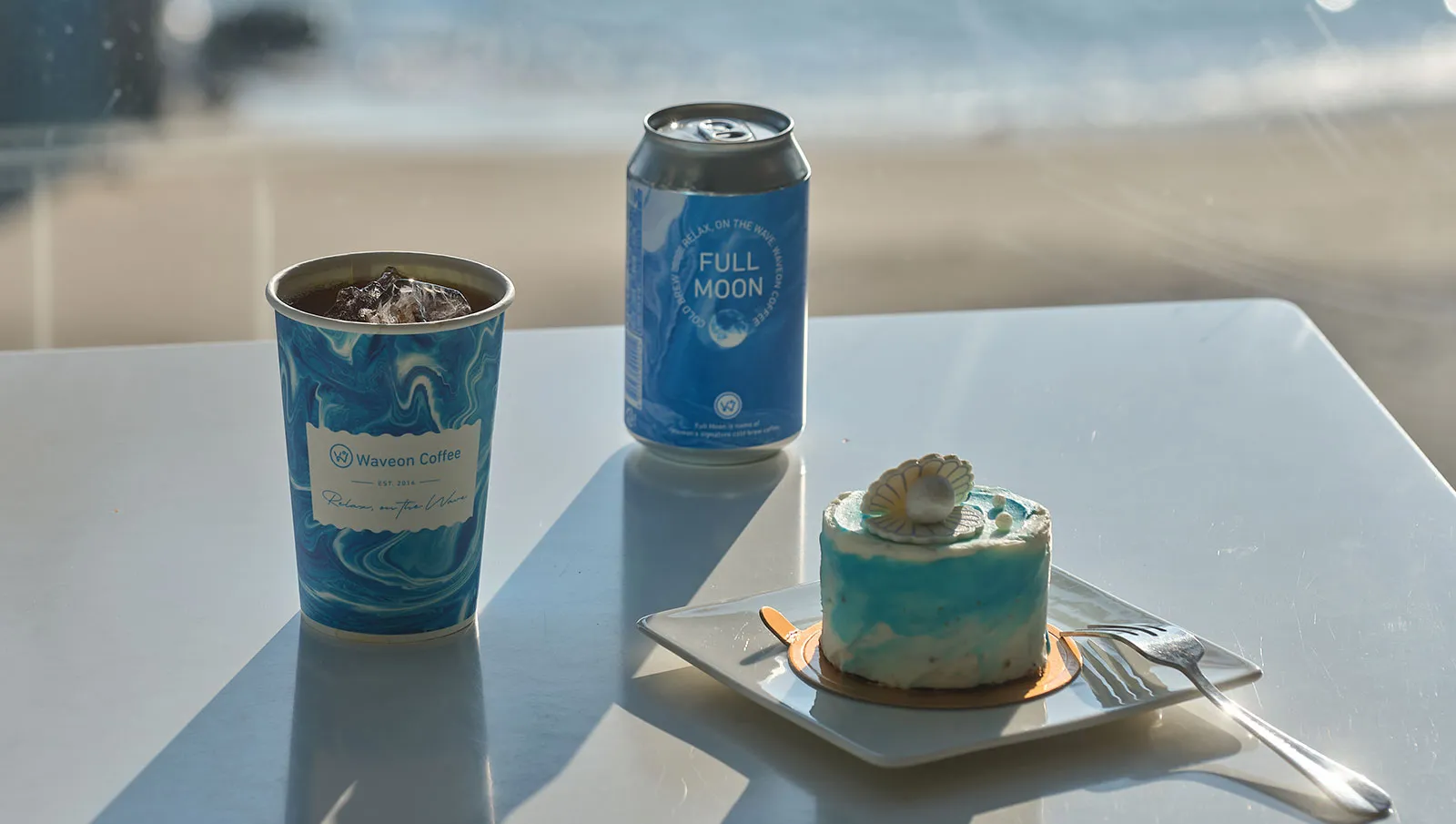
Visitors can enjoy canned cold brew Full Moon Coffee, a cup of drip coffee, and the signature cake, Blue Ocean Wave. The sweetness of blueberries combines with cream cheese to create undeniable deliciousness, while the color captures the blue sea itself, pleasing the eyes as well.
As shadows lengthen across the building’s walls and over the beanbags, each cup savored in Busan throughout the day becomes linked in recollection. From sipping a latte in sleek architecture, to tasting coffee crafted by a national champion, to enjoying gallery-like cafés and seaside views, each cup in Busan marks a unique journey.