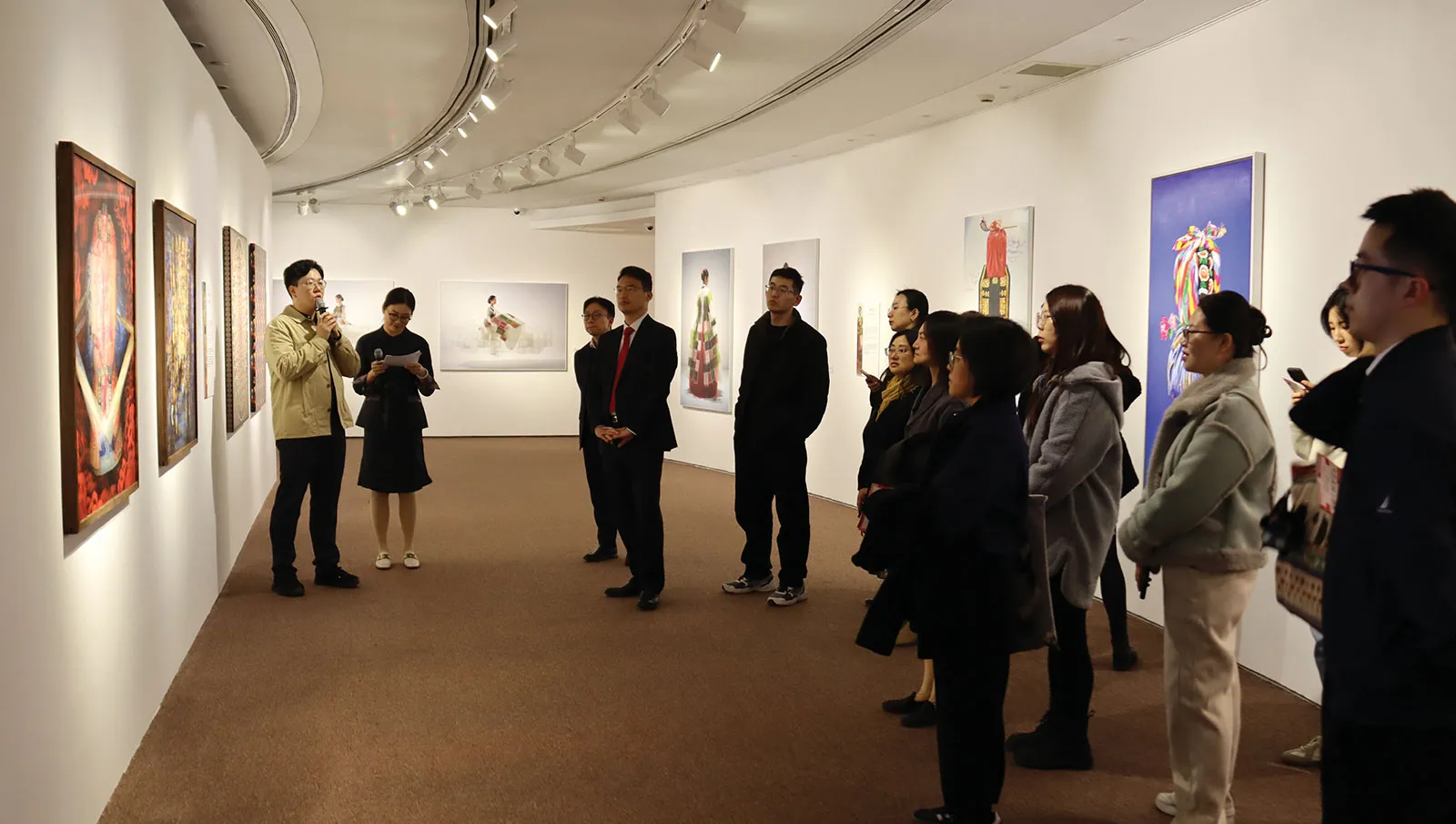
Korean media content—including K-pop and K-dramas—has inspired people around the world to take an interest in Hanbok. While Korea’s traditional costume has eye-popping visual features that distinguish it from other countries’ attire, a closer look unveils a fascinating degree of cultural depth. Since Hanbok has been part of Koreans’ lives for thousands of years, it reflects both their aesthetics and history.
These values are in the spotlight at “Hanbok Reborn as Art” at the Korean Cultural Center (KCC) in Shanghai, an exhibition that introduces Hanbok’s artistry to a local audience. Held in collaboration with Korea’s Savina Museum of Contemporary Art, this exhibition will be held in KCC Shanghai’s third-floor gallery through Feb. 28.
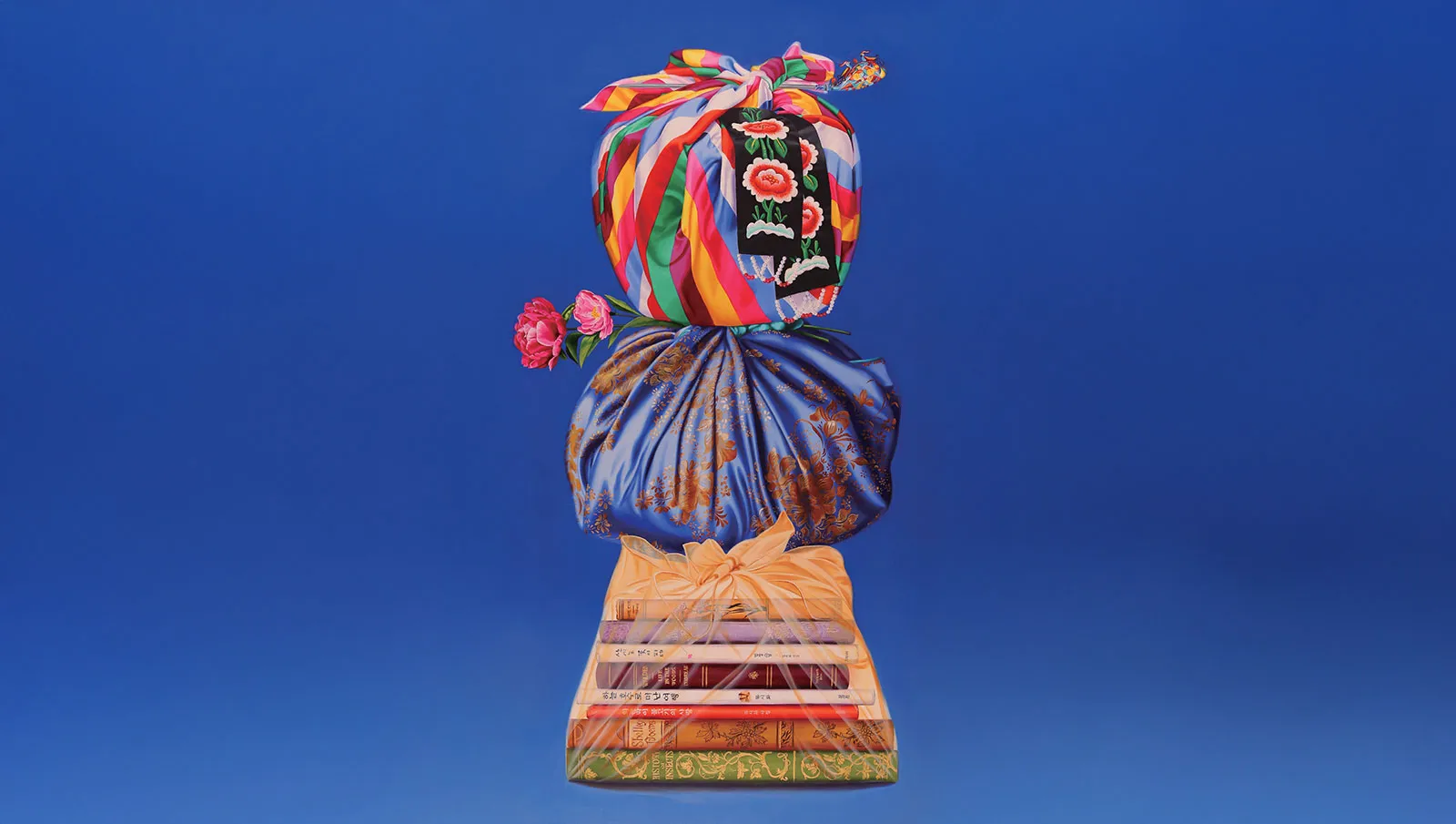
The exhibition highlights how Hanbok is not just a clothing style but a critical cultural heritage embodying the history, philosophy and aesthetics of the Korean nation. A key observation here is that Hanbok, as Koreans’ constant companion over the centuries, has developed in manifold ways with the changing times. Hanbok’s properties are interpreted through the eyes of contemporary artists who explore the novel artistic values and potential discovered through the convergence of the traditional and modern.
Today’s Hanbok,
Woven from Tradition and Art
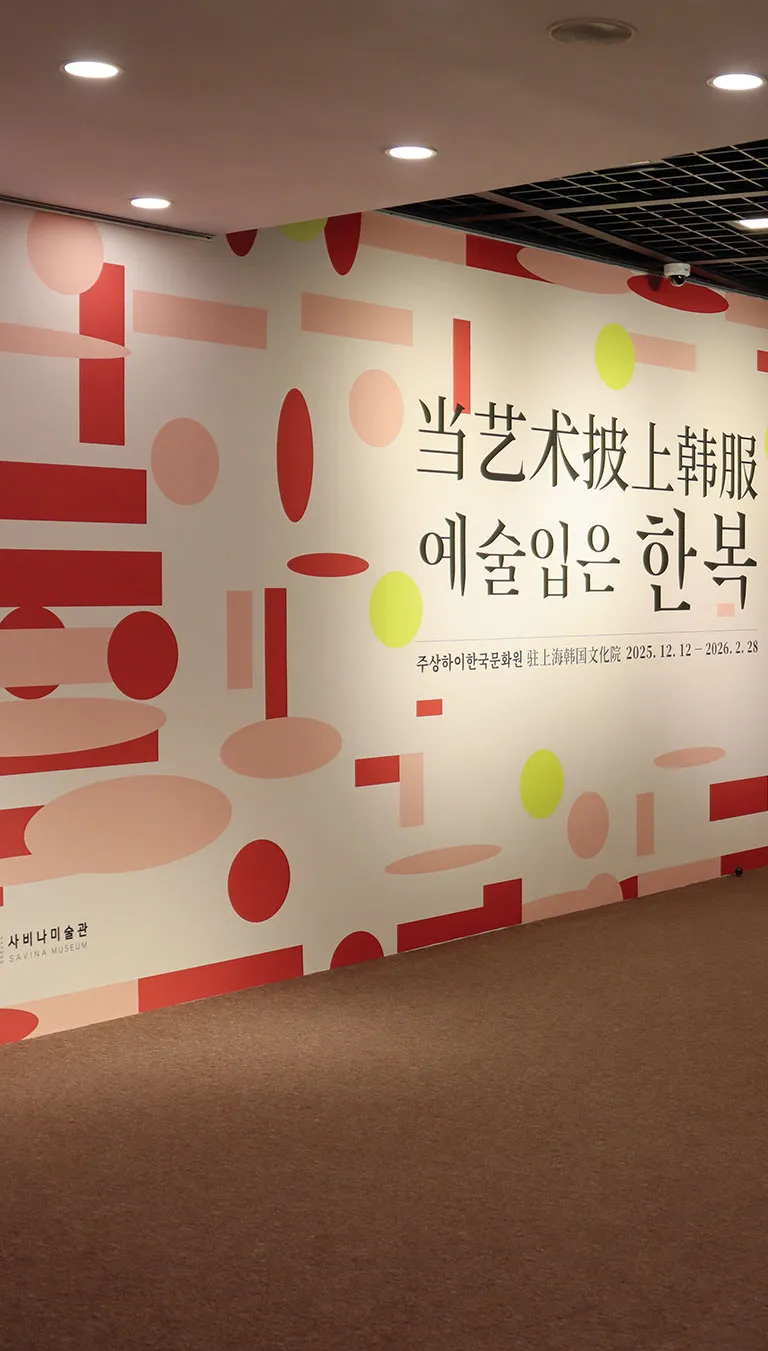
Hanbok, Korea’s age-old traditional costume, and the rich history and values it represents, are on display at the Korean Cultural Center (KCC) in Shanghai. This exhibition reminds viewers that tradition is the bridge between past and present and illustrates how Hanbok has surmounted sartorial boundaries to enter the domain of art.

KCC Shanghai
(021) 5108-3533
s.kocenter@qq.com
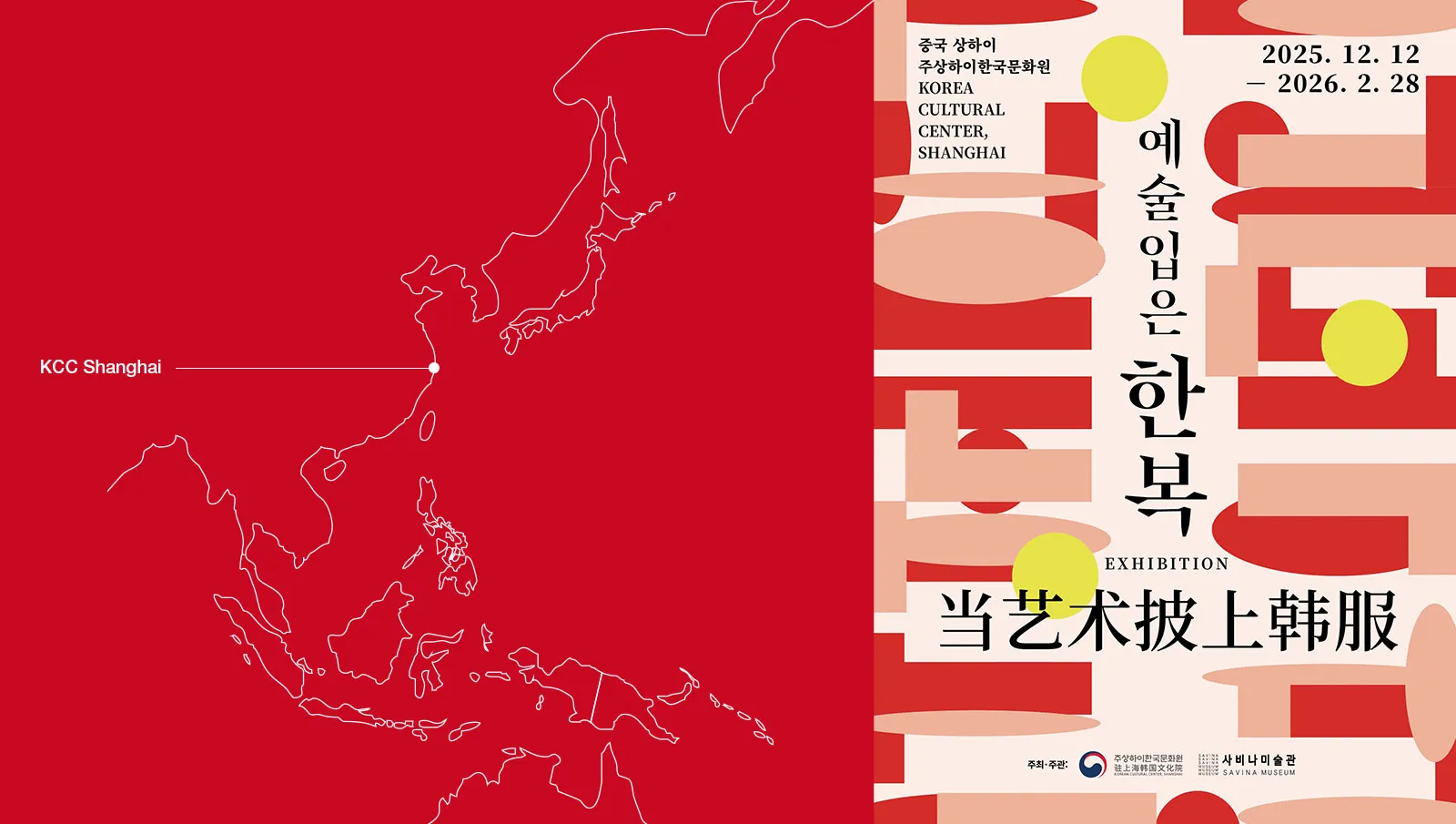
This exhibition introduces 12 Korean contemporary artists presenting a total of 28 pieces on the theme of Hanbok. These artists work in a variety of media: Kim Si Hyun, Jung Hai Yun and Yang Dae Won in painting; Lee Jung-geun in photography; Kim Chang Kyum, Lee Lee Nam, Chae Jin Sook and IUM in media art; and Lee Don Ah in lenticular art (visual artwork that is altered or enhanced with a 3D effect through a special lens). Also showing are video pieces by Ji-Oh Choi and Lee Jong Ho, items of clothing by Lee Bong Lee and installation art by Lee Seol.
This isn’t the first time KCC Shanghai has hosted an exhibition about a given tradition that explores the value, artistry, and depth of the underlying culture. The artistic exchange exhibition “Clothing Becomes Art” held from Oct. 31, 2025, to Jan. 25, 2026, introduced 57 artistic costumes from Korea and China. The center also explored Korean traditional music in partnership with Korea’s National Gugak Center, the Korea National University of Arts and the Shanghai Conservatory of Music. As the latest installment in KCC Shanghai’s popular series of tradition-oriented art events, the latest exhibition is sure to impress visitors with a lesser-known aspect of Korea’s cultural heritage.
Tradition need not be stuck in the past—it can be read anew through the lens of the present. “Hanbok Reborn as Art” sets out to demonstrate that potential with impeccable taste. The aesthetic and spirit of Hanbok and contemporary artists’ range of interpretations will help visitors discover another side of Korean culture.
Mini Interview

Han Sang Ik
Q — Although the exhibition presents Hanbok from innovative perspectives, are there any works that focus on the intrinsic appeal of the garment itself?
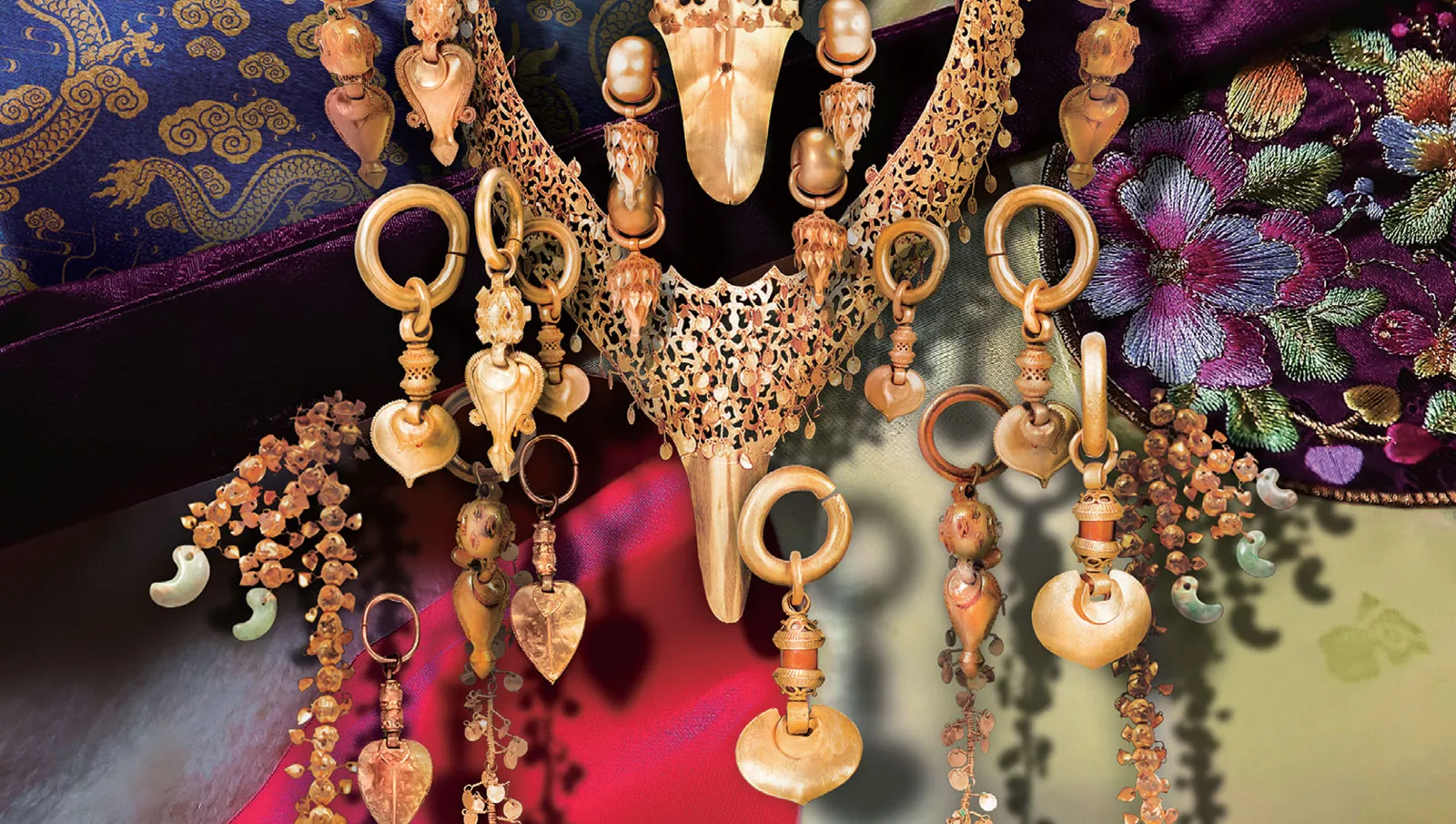
Lee Bong Lee, one of the artists in the exhibition, is first and foremost a Hanbok artisan. She makes Hanbok based on traditional methods. In fact, she has studied the Hanbok production methods described in historical texts and applies those methods when making Hanbok pieces once worn in the royal court. She says she’s also practicing ancient needlework techniques.
In that respect, visitors who are interested in traditional ways of making Hanbok and Hanbok’s charm per se are recommended to look at Lee’s work. The pieces currently on display are ordinary costumes once worn by women of the court. The embroidery on those outfits was not worked by machine, but was hand-stitched by the artist using silken thread.
Q — You noted that Hanbok is reinterpreted through a modern lens in this exhibition. Are there any works that incorporate AI or other advanced technologies?
As a matter of fact, there are. Media artists Lee Jung Geun and Chae Jin Sook both used AI in their work. But that said, their training data and areas of application are completely different, which makes it interesting to compare their respective work.
For starters, the Hanbok examined by Lee Jung Geun is the kind worn in traditional dances. That’s the sort of Hanbok people often encounter in concerts and other events. Lee photographed people doing traditional dances and trained AI with those photographs to create a pattern. Interestingly, the artist used his own face on all the people created in the process. The pattern illustrates the beauty of Hanbok’s sweeping curves and bold colors. So one of the distinctive features of this artwork is its focus on the aesthetic details that can be appreciated in Hanbok.
In contrast, Chae Jin Sook explains that she trained AI on women wearing Hanbok. But as part of the training, she also used fabric cubes. That allowed her to generate Hanbok pieces where the silhouette is derived from blocky fabric. There’s some fascinating thinking behind these pieces. Hanbok is known for being roomy—the clothing itself takes up a lot of space. Chae was exploring other ways of expressing that sense of space when she noticed the spatial implications of a cube. The Hanbok images Chae generated represent clothing we could never see in reality. At the same time, that gets us thinking about Hanbok’s limitless potential for expansion in the future.
*This interview is based on a tour script provided by Han Sang Ik, the curator of the exhibition.