WHERE CREATIVITY THRIVES
for Netflix’s “Kpop Demon Hunters,”
held in Seongsu-dong,
Seongdong-gu District, Seoul, in December 2025.
The video is AI-created from a photograph
courtesy of bemyfriends.


Cover Story 1


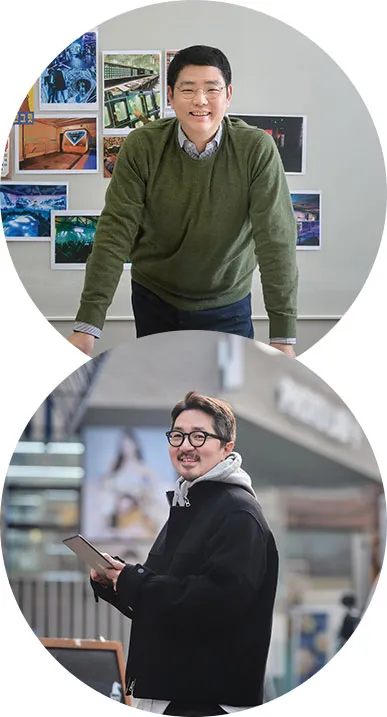
Lee Tae-young
CEO of OOB Company
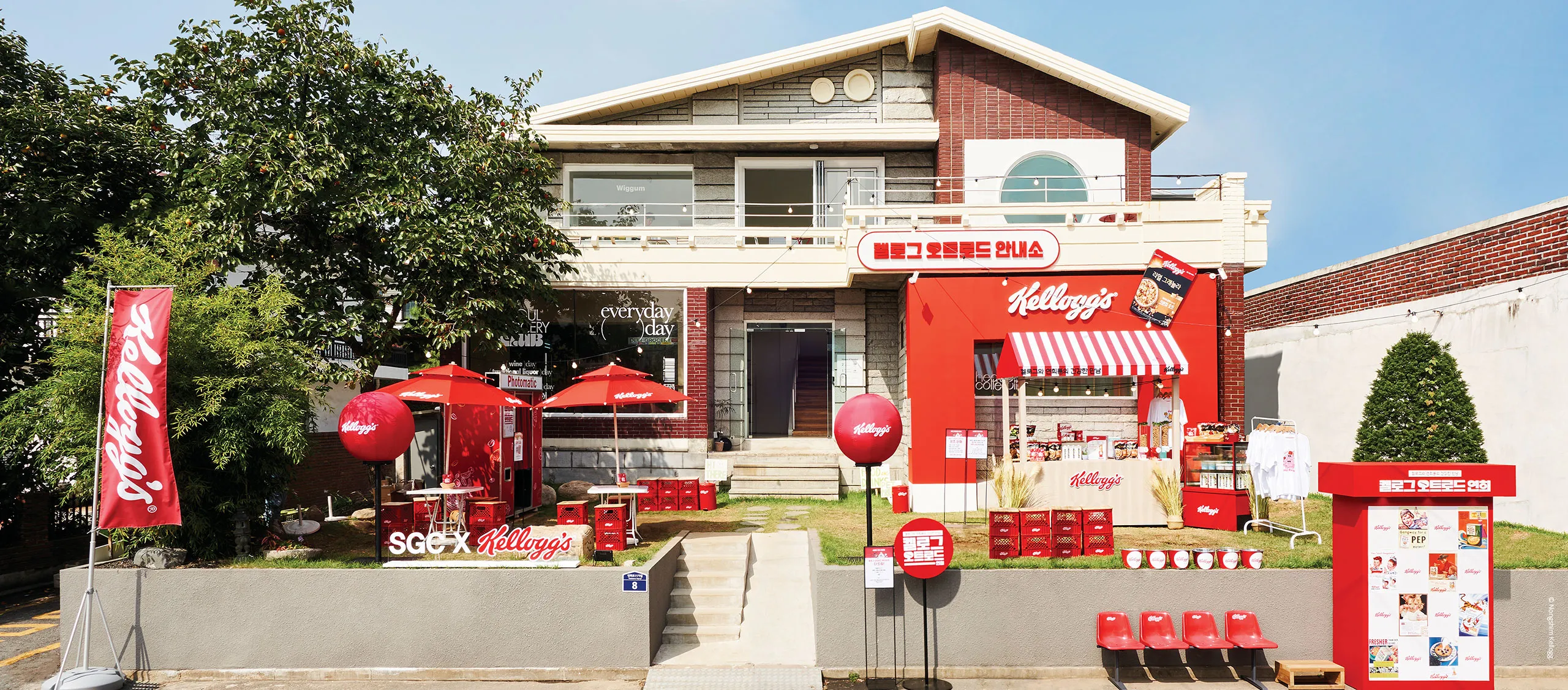
At the forefront of Korea’s pop-up store culture stands OOB Company. The name derives from “out of the box,” and the spaces they design always break free from conventional frameworks. From pre-pop-up digital content to the entire offline space, every moment consumers encounter a brand connects them to one unified experience. For OOB, a pop-up store is not simply a space, but the creation of a brand’s world and the path leading toward it.
Lee Jae-sun
CEO of Country Citizen
“How can we introduce these charming regions to more people?” Country Citizen has focused on the potential of local areas, connecting regions and cities through pop-up stores. They take the messages from regions and institutions that might feel distant, add narrative and trend appeal, and transform local areas into spaces for new experiences. Through their work, local areas reconnect with people.
Go to article
Cover Story 3
The animated film “Kpop Demon Hunters” has garnered attention for its dynamic and detailed portrayal of Korea’s diverse culture. The meticulous details woven throughout the work have earned viewer acclaim, with food scenes particularly standing out as elements demonstrating a nuanced understanding of Korean culture. Among these, scenes featuring gukbap (rice soup), particularly seolleongtang (ox bone soup), distinctly capture Korean sentiments surrounding this dish, creating especially memorable moments.
Go to article
Food on Screen
Local Escape
Heritage Abroad
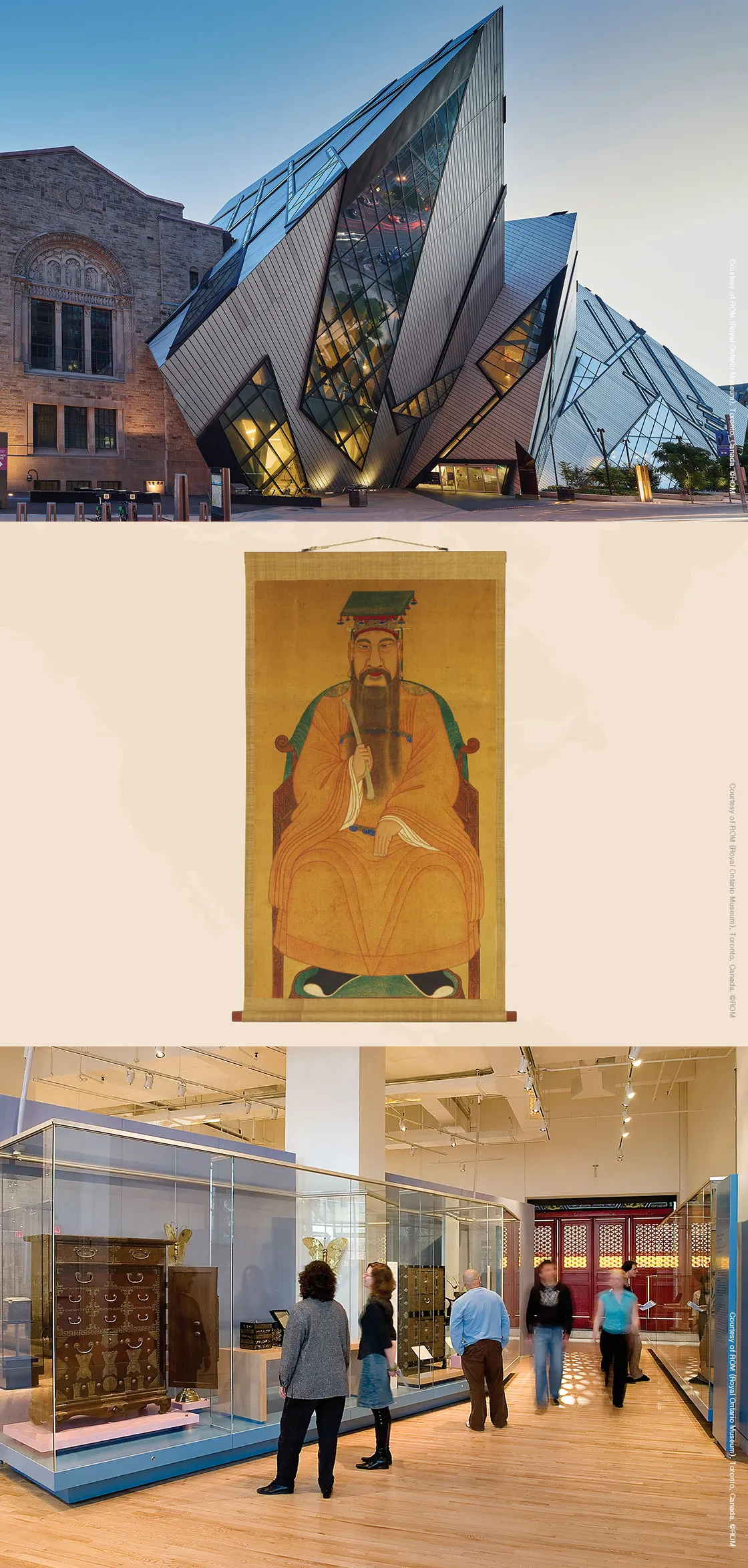
At the Royal Ontario Museum in the heart of downtown Toronto, Canada,
Korean history from thousands of years BCE to the modern era
has been carefully preserved. Among these treasures,
paintings displayed in one gallery still vividly unfold the aspirations and
landscapes of Koreans from centuries past.