Korea’s retail industry continuously stimulates consumers’ senses with fascinating and diverse pop-up stores. According to a marketing firm’s pop-up trend analysis report, over 3,077 pop-up stores opened in Seoul’s major districts in 2025 alone—a 79% increase from 2024.
Every day, an average of ten brands, large and small, open pop-up stores ranging from single-day events to exhibitions lasting 60 days or more, sending consumers a clear signal: “Come experience our brands.” The pop-up stores draw not only local consumers but also individual travelers and tour groups, transforming the stores from mere retail events into a form of urban tourism content.
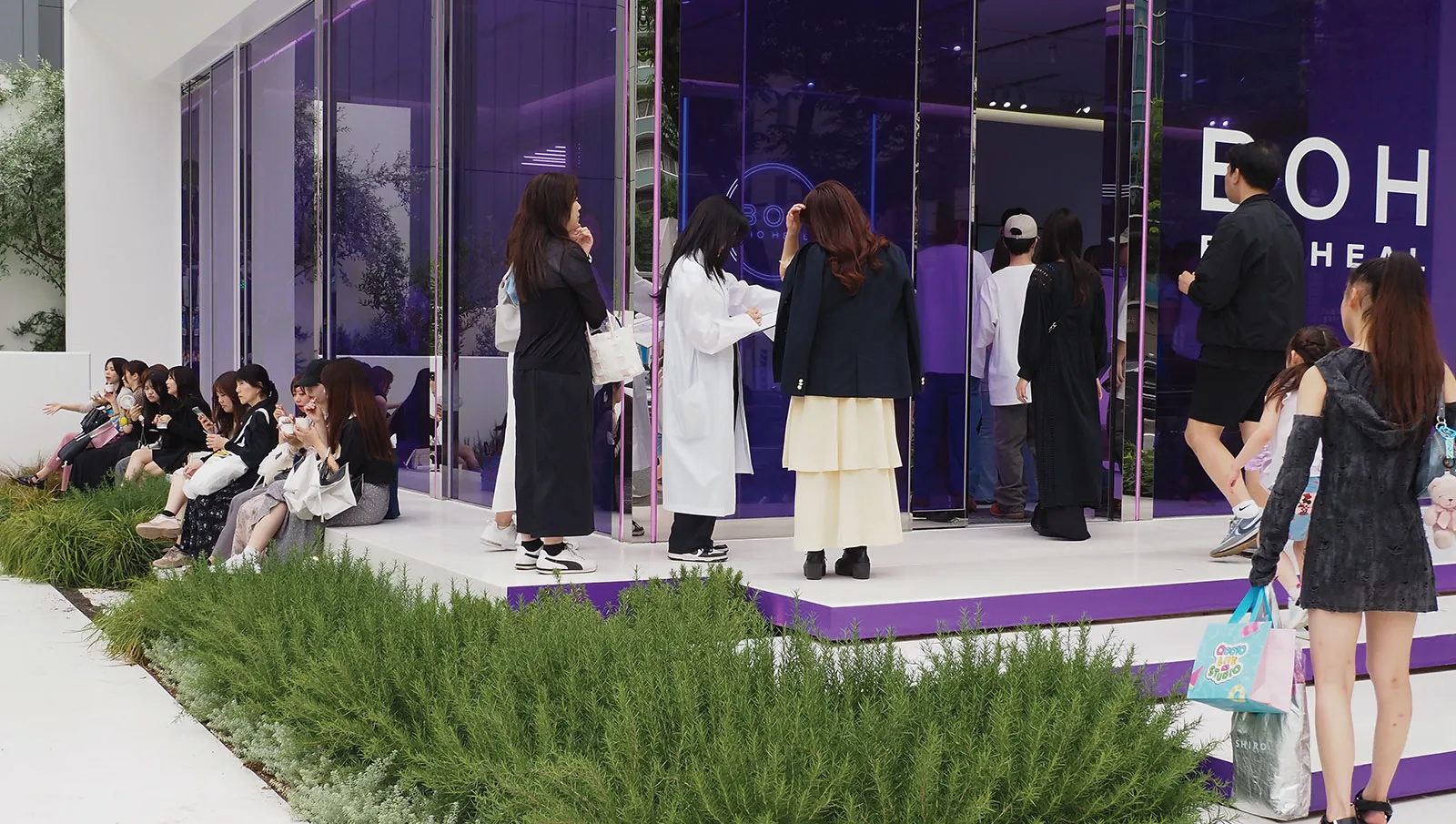
Visit Seoul’s hottest neighborhoods—Seongsu-dong, Itaewon-dong, Hongdae area, Dosan Park—and you’ll find brands weaving current trends and forward-looking messages into every corner of their spaces. Fandom-driven consumers wait in long lines, treating even the wait itself as an expression of their devotion.
Pop-up Nation:
Korea’s Retail Revolution
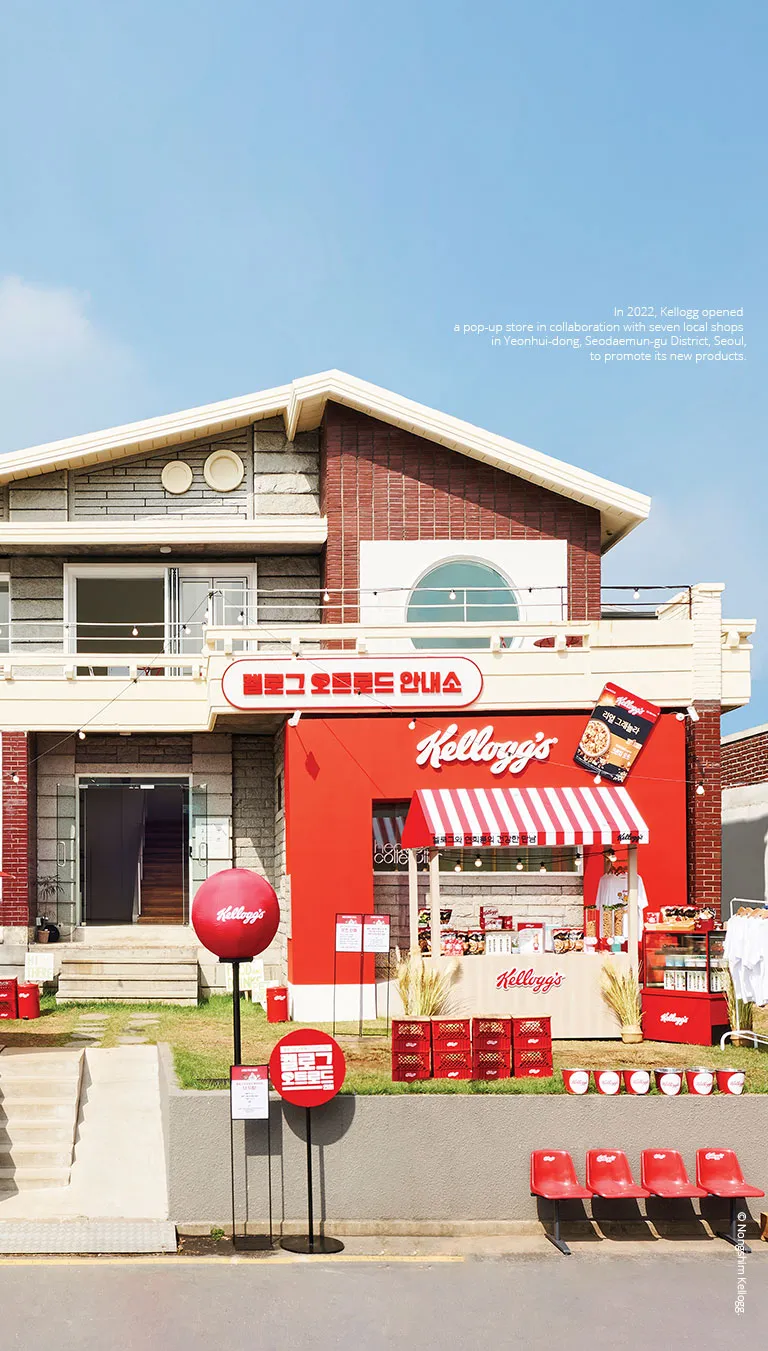
The rise of pop-up stores isn’t just a retail trend—it’s the result of structural changes driven by the online-centered economy. In a market dominated by online platforms, physical retail has been redefined: no longer a space for routine consumption, offline spaces must now offer compelling reasons to visit. Korean pop-up stores have responded to this shift faster than most, prioritizing content and experience over sales, and creating a new retail language that connects cities, tourism, culture and fandom.
Pop-up Paradise
The Evolution of Pop-up Stores
So why do consumers form long queues in the sweltering heat of summer and bitter cold of winter, in an era when even a single toothpick can be delivered online? The answer is simple: products can be shipped, but experiences must be encountered in person.
Korea’s retail industry has zeroed in on this consumer-driven desire. By concentrating limited, tangible products and experiences that can’t be seen or touched elsewhere, pop-up stores have evolved beyond simple sales venues into central stages for branding and marketing. What was once a supplementary sales tool has inverted the traditional relationship—now brands develop dedicated products specifically for their pop-up stores.
While pop-up stores are a current retail phenomenon, they’re also a future-oriented format. Like Korea’s traditional five-day markets or Europe’s Christmas markets, pop-up stores have existed for ages, but their language and form evolve with the times. However, we shouldn’t forget that today’s pop-up boom stems from the shock initiated online—the so-called “Amazoned” phenomenon.
The emergence of powerful platforms has transformed physical stores into spaces visited only “when there’s a specific reason to go,” and only retailers capable of creating those reasons have survived. Online dominance is both the direct cause of pop-up popularity and the driving force that pushed offline retail to find new solutions.
Another crucial shift is the transformation of communication culture. The mass media era has faded, replaced by an age where every individual and brand has their own channel—an “era of universal content.” While online shopping has created extraordinarily fragmented routes to everyday goods, the stage for the experience economy remains firmly offline. Consequently, hybrid online-offline models have naturally taken root.
The disappearance of neighborhood supermarkets, the decline of franchise stores lacking merchandising competitiveness and the closure of small department store branches once considered invincible—all starkly illustrate this disruption. Against this backdrop, The Hyundai Seoul has presented a new survival strategy for department stores, attracting young consumers by hosting approximately 400 pop-up stores annually since its opening.
K-pop-up Stores
So what makes Korean pop-up stores different?
The United States and Europe, with their long retail histories, haven’t strayed far from department store and shopping mall-centric structures. Japan’s dense distribution channels have similarly limited explosive growth in new formats or pop-up stores, though luxury brands have maintained steady pop-up presences in department stores and premium outlets.
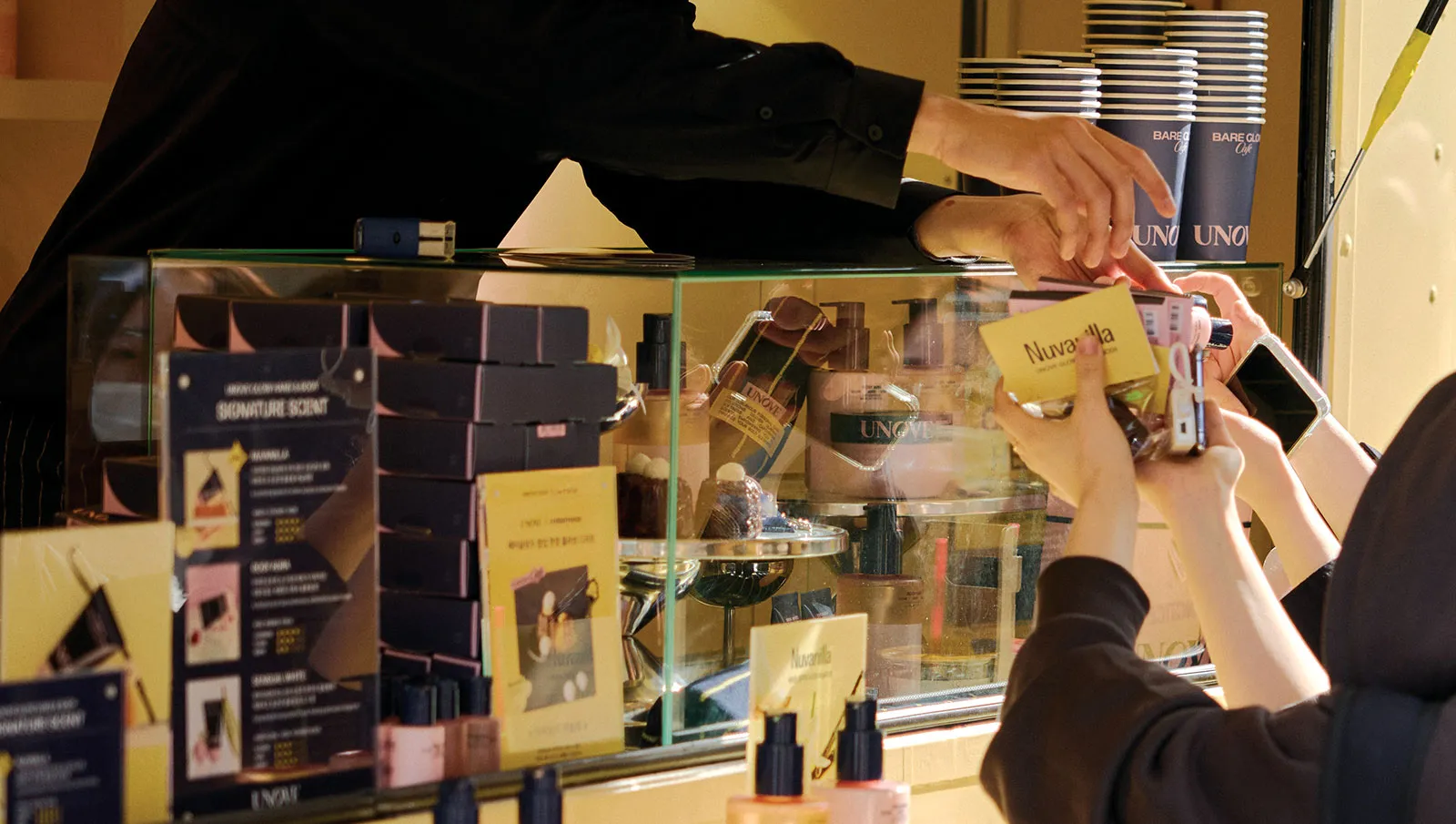
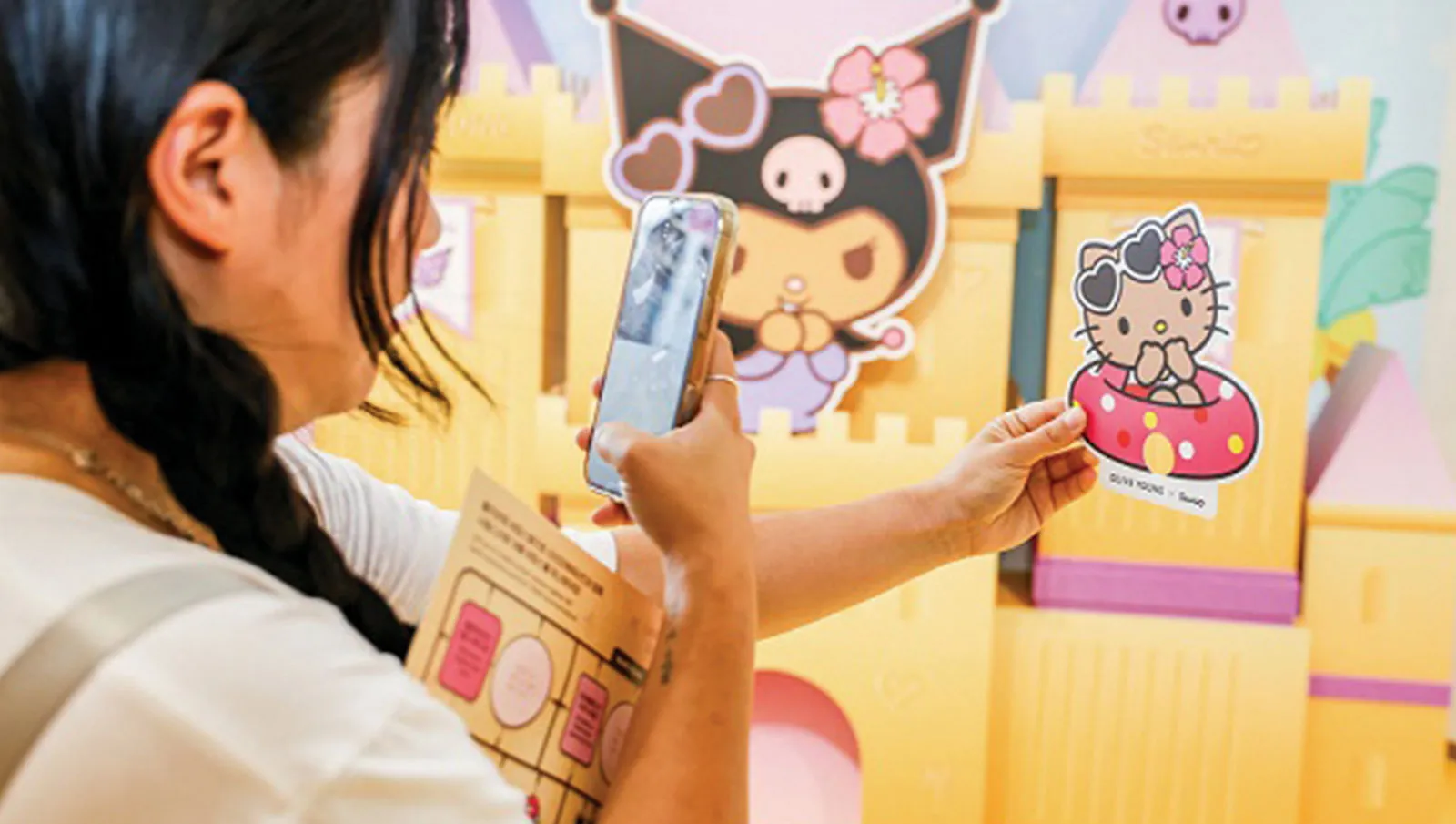
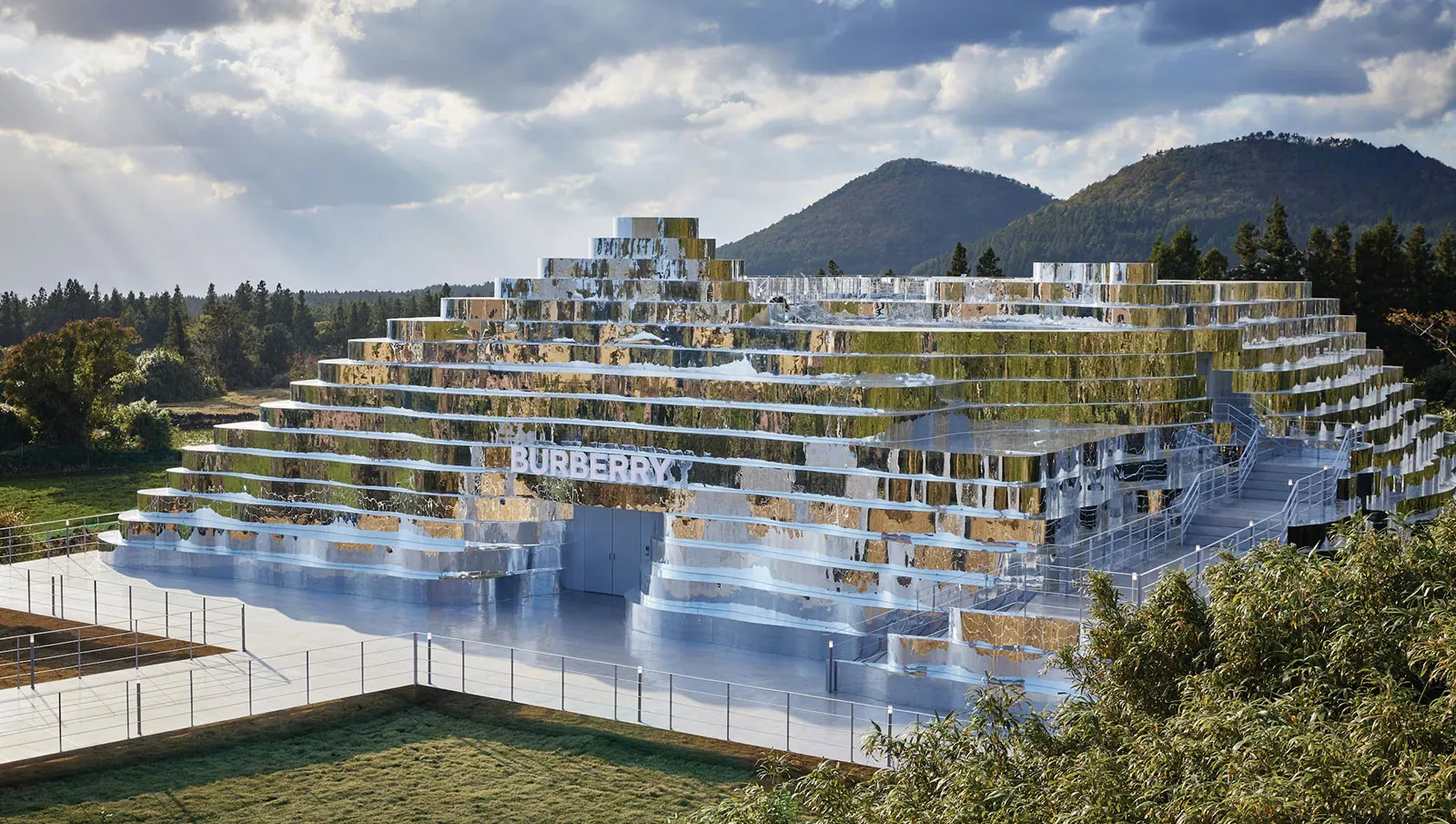
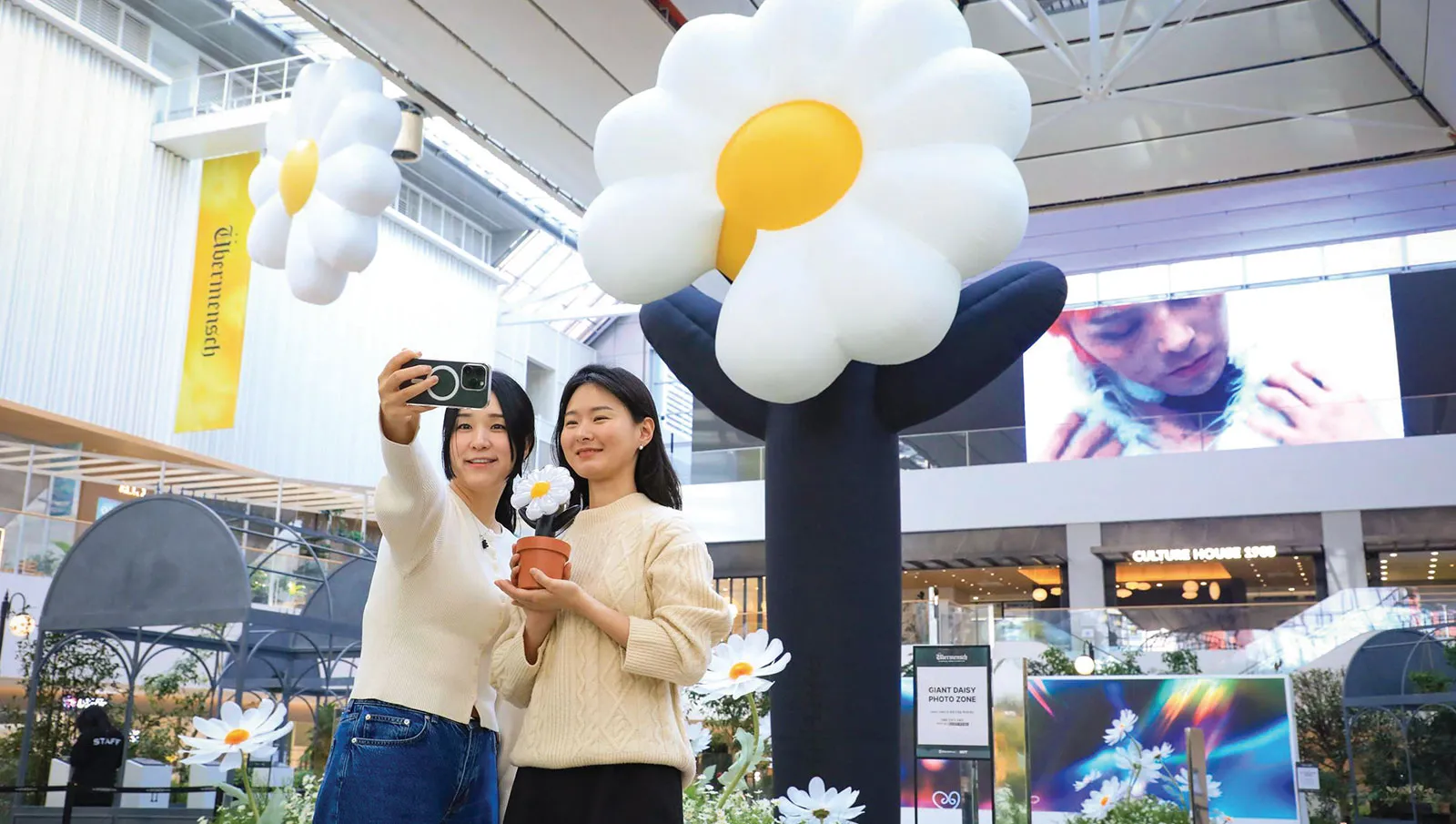
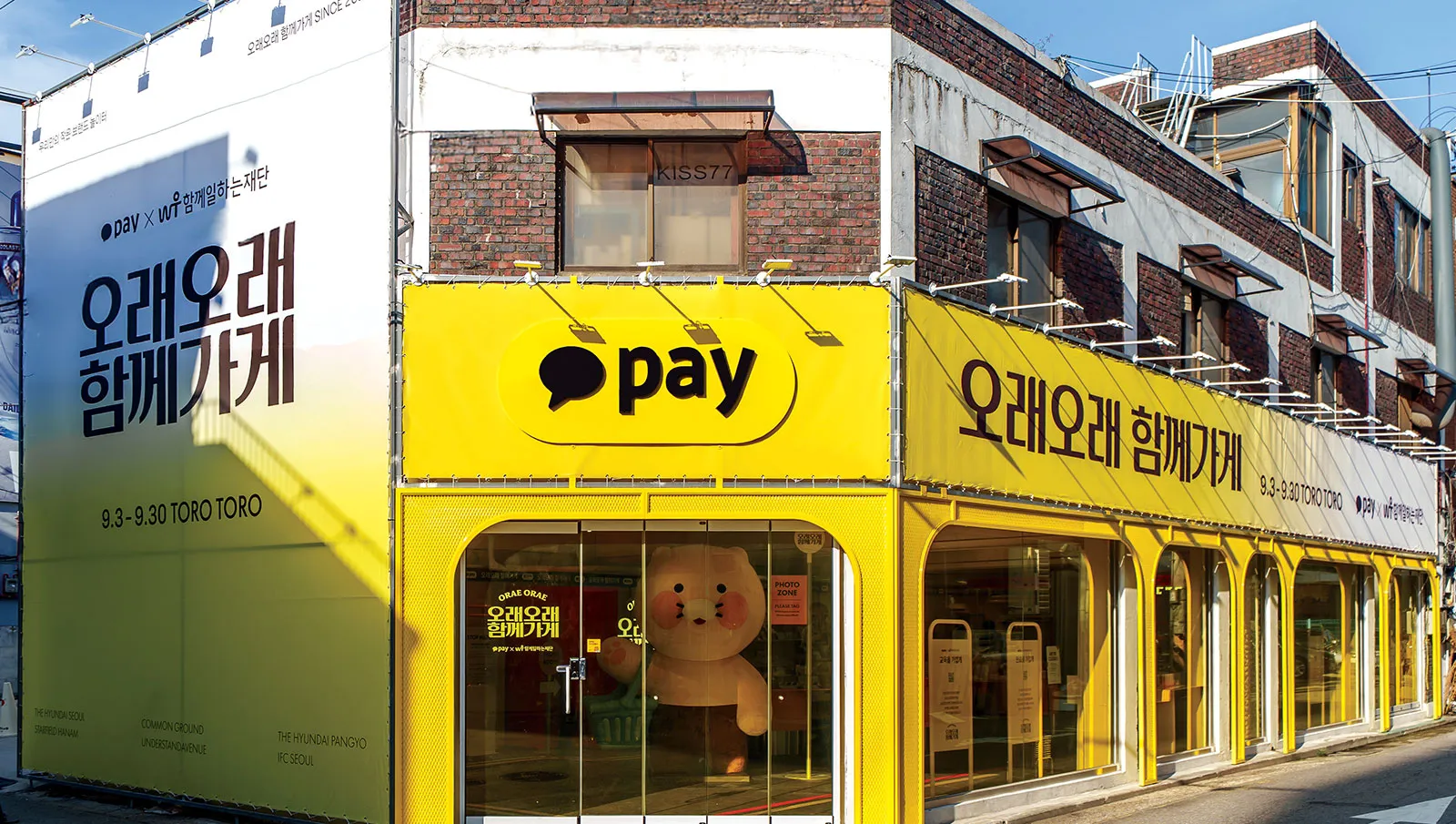
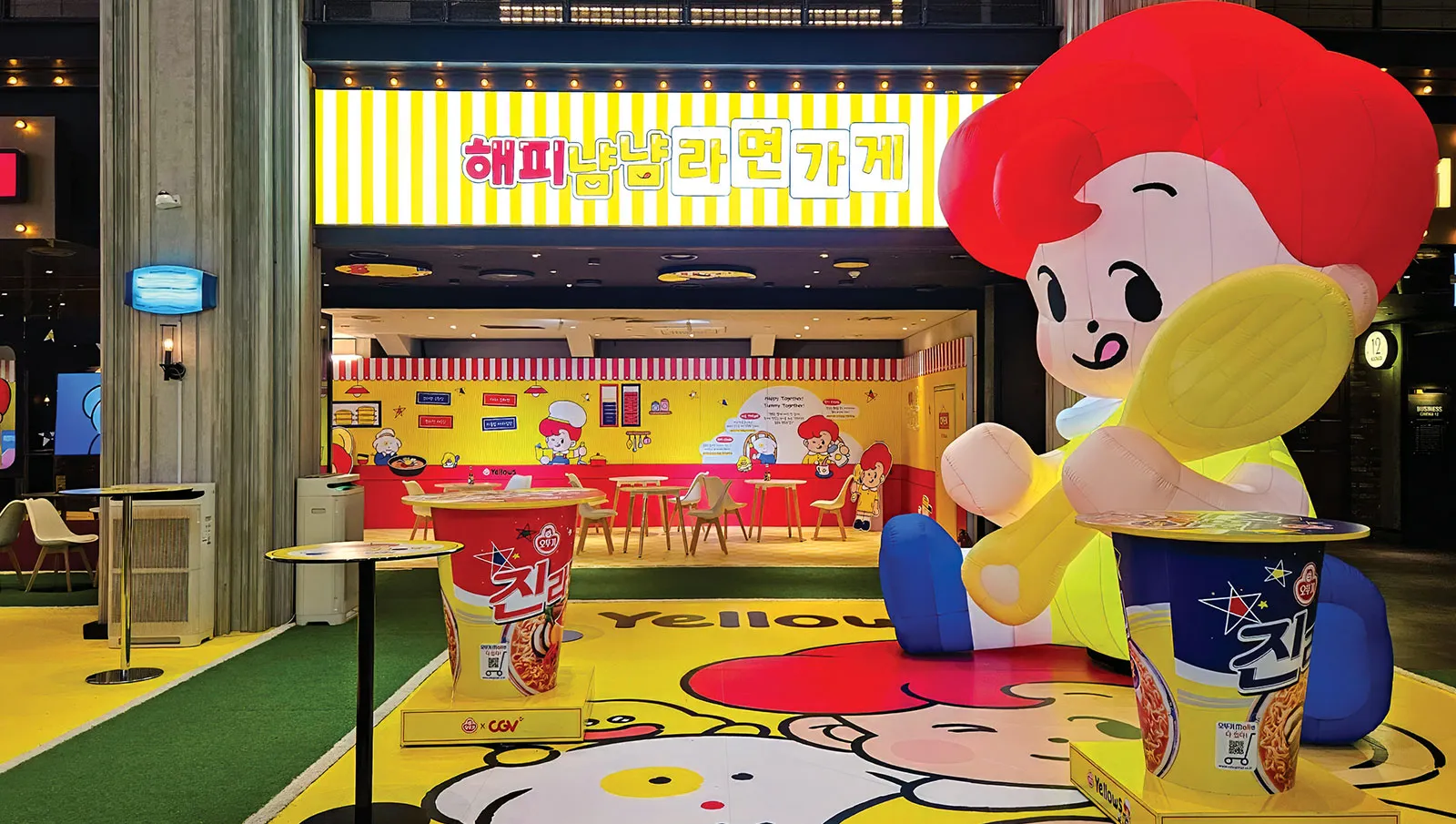
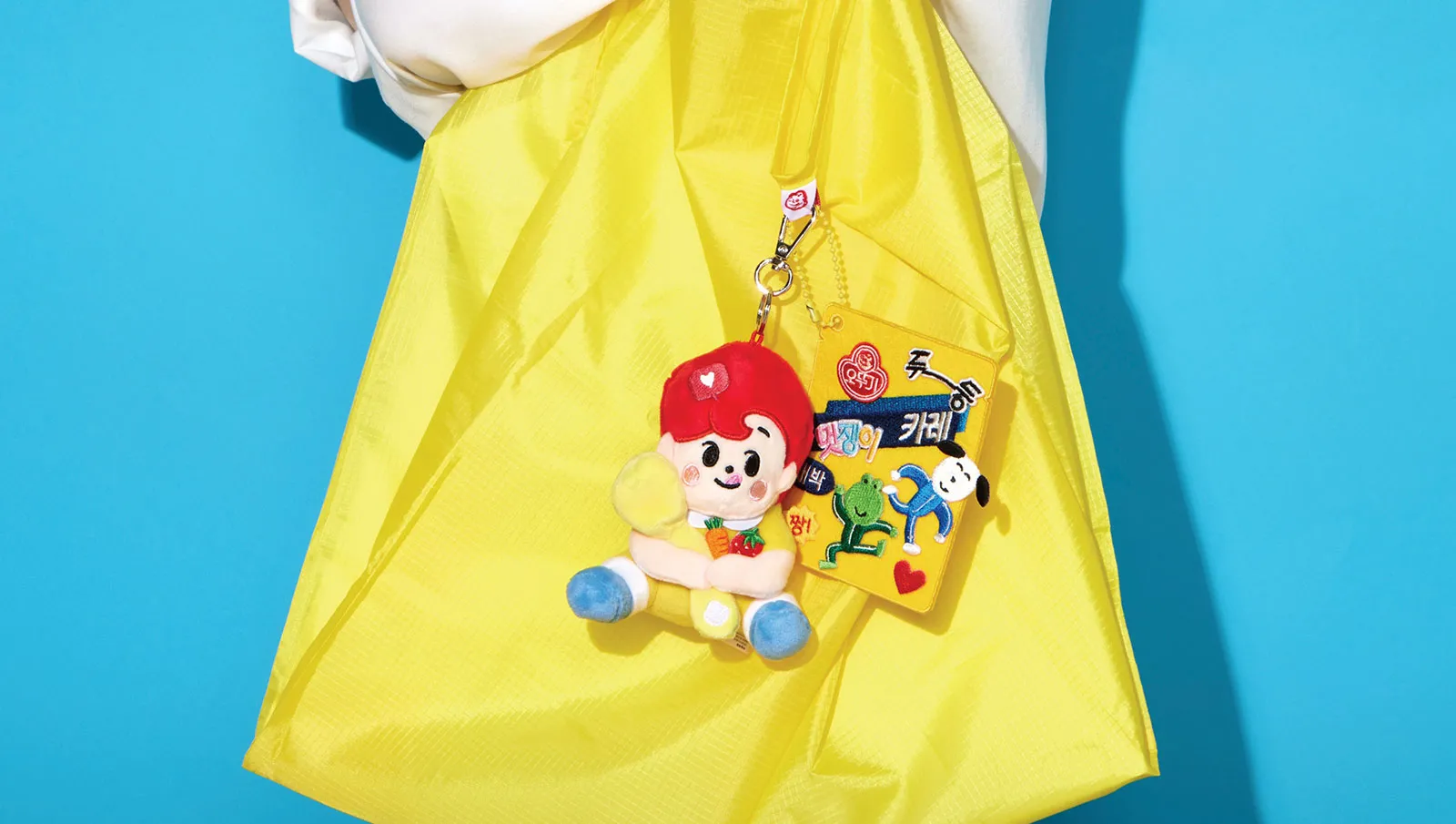
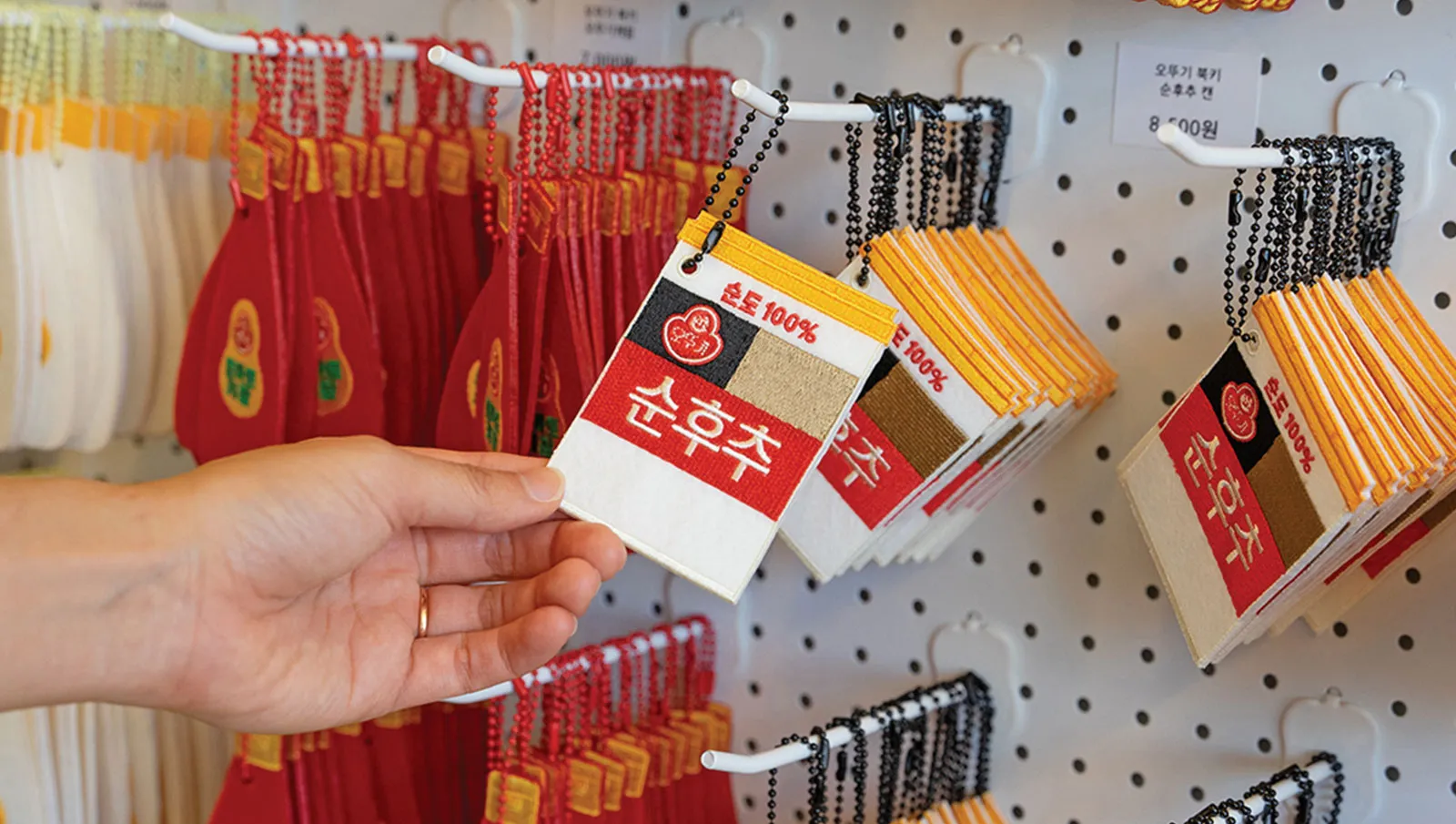
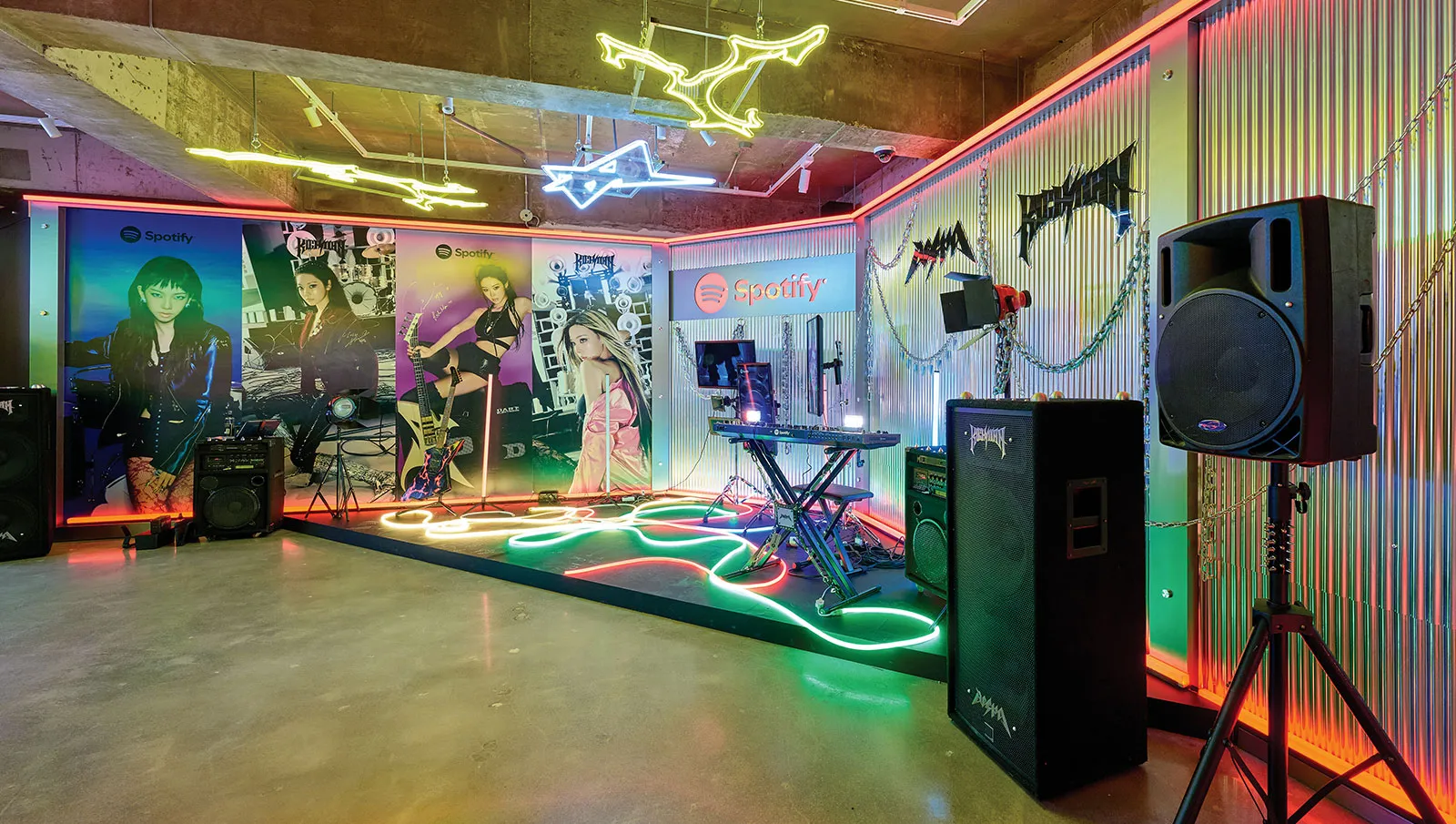
Korean pop-up stores differentiate themselves by prioritizing content over sales. They’re rich in visual and interactive elements, using cutting-edge IT devices to communicate with consumers in real-time, intensifying the depth of experience. Adding events featuring famous idols and models, pop-up stores have evolved into comprehensive content platforms. A soju (clear liquor) brand creates tavern-themed experiences; a ramyeon (instant noodles) brand lets visitors create their own custom packs; a small accessories brand partners with a senior welfare cooperative to sell goods made by elderly women. Rather than simply saying “Our brand is great,” they adopt a communication-focused approach: “Let’s interact and create experiences together.”
Another uniquely Korean characteristic is the organic formation of pop-up clusters in areas like Seongsu-dong and Hannam-dong—not just temporary stores in existing spaces, but self-generated pop-up districts. Seongsu, despite being a business district, has become a pop-up mecca due to its industrial heritage. Brands like Gentle Monster and ADERERROR designed their flagship stores like pop-ups, leaving powerful first impressions that propelled them to global brand status.
IICOMBINED, which operates Gentle Monster and TEMBURINS, transformed its newly opened headquarters into a pop-up-style destination, drawing diverse crowds of visitors from both Korea and abroad.
This high-density experiential design has raised Korean consumer expectations even higher, creating a virtuous cycle that elevates pop-up store standards. While this may create barriers for small brands, support from public institutions and associations to enhance content competitiveness can help mitigate this issue.
Will Pop-up Popularity Continue?
The most fundamental cause of the pop-up boom is the collapse of traditional offline stores. Ironically, retail’s survival strategy lies in the very spirit of pop-ups: flexibility and experimentation.
Pop-up stores once carried the image of clearance outlets, but now they’ve become prime dating destinations and tourist attractions in Seongsu, one of Seoul’s trendiest neighborhoods. While this growth has faced no significant slowdown in recent years, Seongsu itself is experiencing the growing pains of gentrification.
For Seongsu to maintain its distinct identity from other hot spots, it must remain both “trendy” and “everyday”—comfortable for all generations, not just a specific demographic. This requires large corporations’ investment and support working in tandem with small brands’ distinctive content strategies.
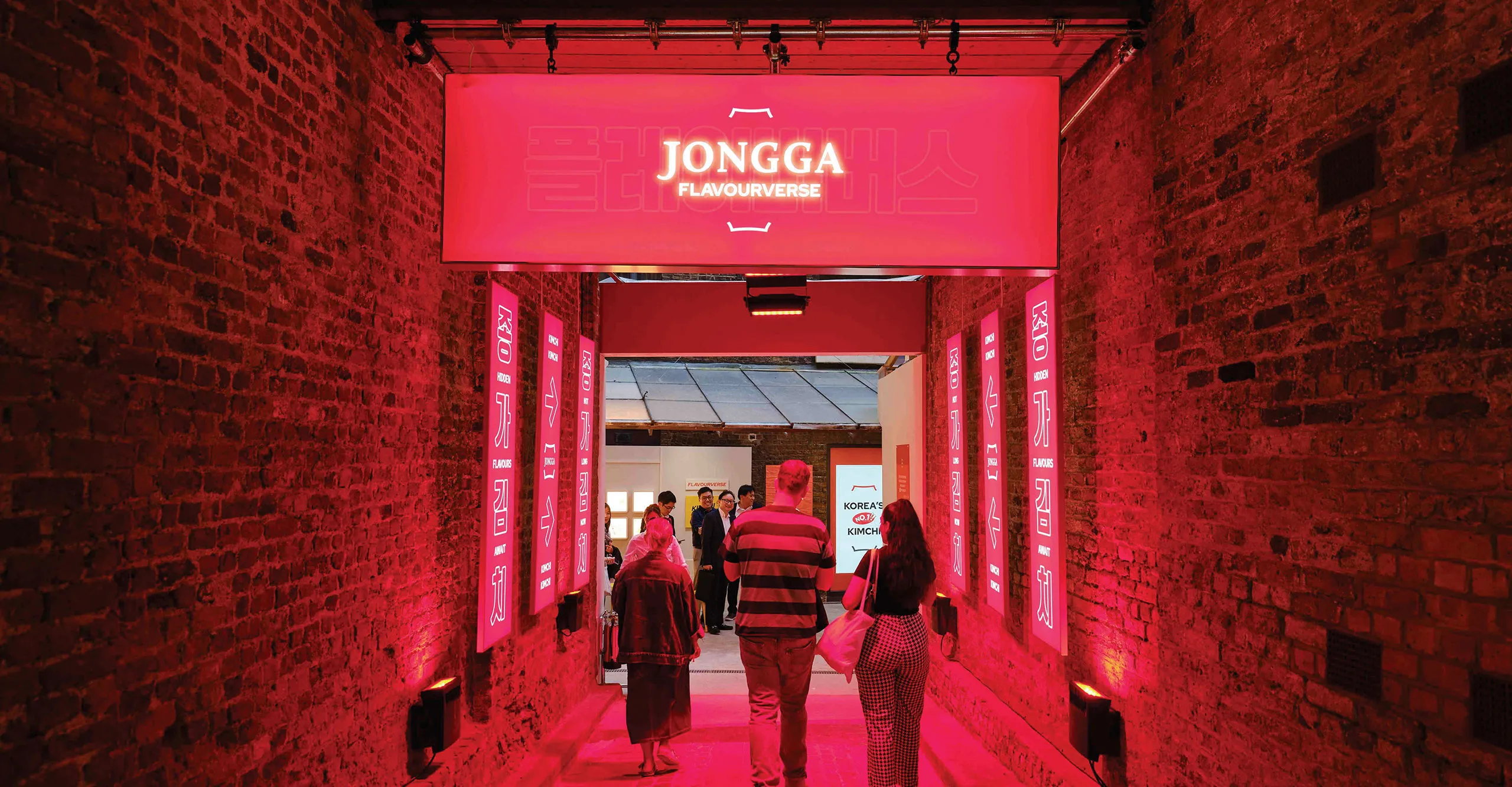
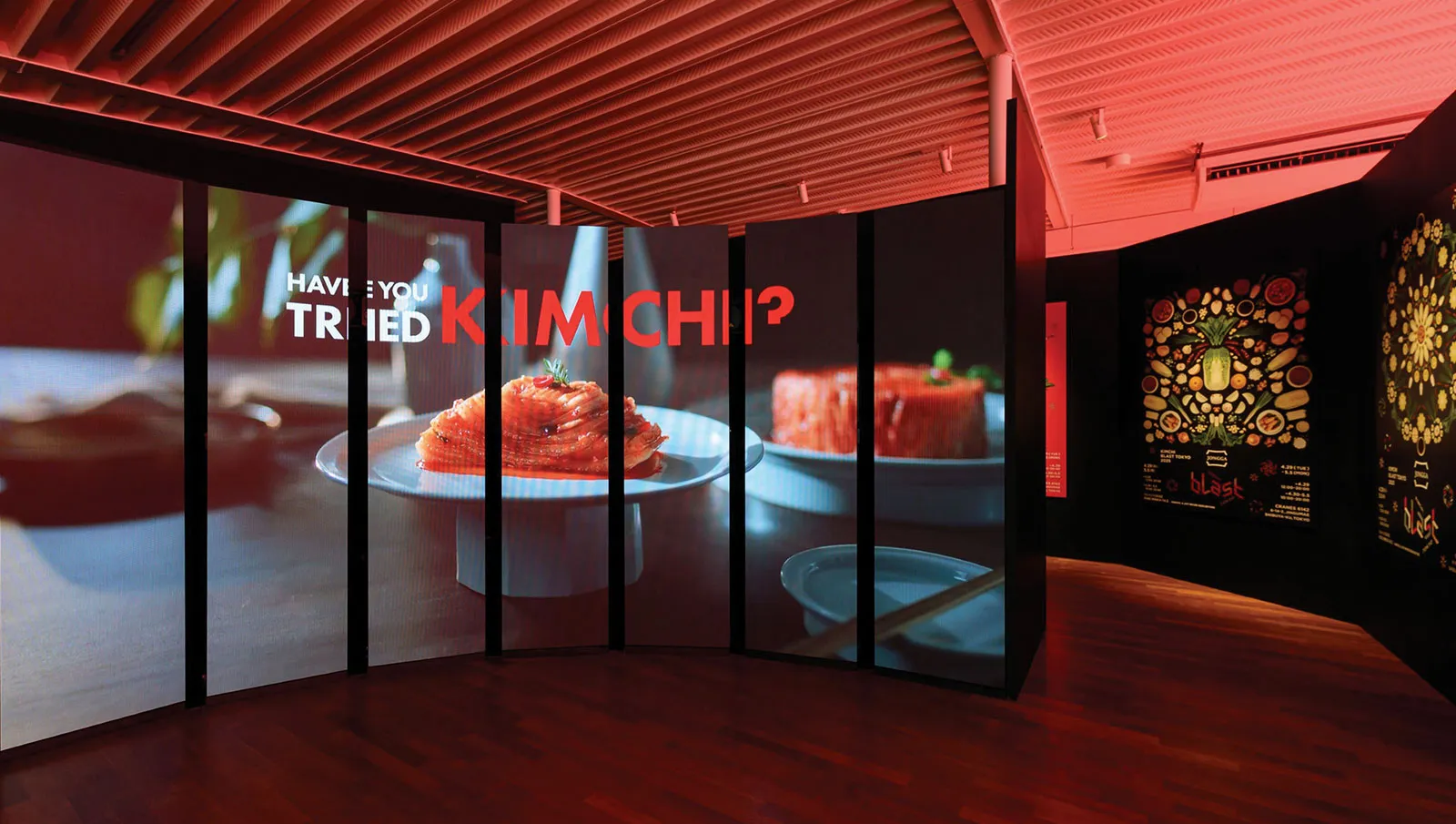
The popularity of Korean-style pop-up stores has been confirmed through some brands’ overseas expansions. Daesang Jongga opened Korea’s first kimchi pop-up store domestically, then launched a large-scale pop-up in Tokyo’s Shibuya, demonstrating the format’s international potential.
Shinsegae International opened a pop-up in Singapore introducing beauty and fashion products, while MUSINSA has held annual pop-ups in Japan since 2021, growing to its largest scale in 2025 with over 80 participating brands.
Korea no longer has just one annual fashion show—it has pop-up store streets where fashion shows run 365 days a year. If Korean brands can leverage this foundation to create pop-ups with fresh ideas and expand them into global markets, creating a virtuous cycle, K-pop-up stores could advance globally alongside K-food, beauty, manufacturing and other industries.