
The Japan Folk Crafts Museum was founded on the mingei philosophy championed by the Japanese aesthetician and philosopher Yanagi Sōetsu, and its collection of everyday craft objects reflects that vision. Mingei—“folk craft”—refers to the beauty of utility found in the ordinary objects that common people used in their daily lives.
Yanagi was particularly drawn to the crafts of Joseon. “If asked which country produces the finest woodwork,” he once said, “I would say England in the West and Joseon in the East.” He went on to collect more than 400 examples of Korean lacquered woodcraft. Among the many wooden objects in the gallery, the soban was one he loved most deeply.
The soban, which is on non-permanent display at the museum, is a small table used to carry food or serve a single diner. Its structure is simple—a surface raised on legs—yet standing before one in the gallery, you sense something more than utility. This particular piece is called a Yeonnyeopgujokban: its name comes from the lotus-leaf shape of its tabletop and the dog-leg curve of its feet.
Joseon woodcraft avoids sharp angles where lines meet. Its forms are fundamentally rounded, yet they carry a clean, uncluttered impression. The legs of the soban start broad where they meet the underside of the top, tapering as they descend. The tips curl slightly upward, and the outward angle of the flare is precisely judged. The overall effect is soft and gently rounded, yet each line ends with a crisp, confident finish.
The chestnut tabletop has been lacquered for durability. Its surface, a deep reddish-black, is austere and spare. There is no decorative flourish—the beauty comes entirely from the form itself.
The Japan Folk Crafts Museum holds soban in a range of styles: one whose curves suggest wisteria climbing a trellis; another that forgoes slender legs in favor of broad panels forming an octagonal structure; and a quietly upright rectangular version. The same function, rendered in strikingly different moods.
Even so, it seems Yanagi was most captivated by the unadorned grace of the Yeonnyeopgujokban. He wrote of it that it “demonstrates the outstanding taste and skill in craft that the Korean people possess.”
The soban is remarkable, but the Joseon wood-craft surrounding it offers its own rewards. The sabangtakja, a shelving cabinet used by Joseon scholars, achieves its beauty through the balance of slender uprights and horizontal crosspieces. Its proportions are so well-judged that the piece makes any space feel open and uncluttered. Ornamentation is held in check, but the joinery betrays the hand of a true craftsman. There is something about its clean structure that feels almost contemporary.
Elsewhere in the gallery, objects from court and aristocratic use are on display. A lacquered box with mother-of-pearl inlay, made to hold a woman’s valuables, is engraved with delicate patterns of plum blossoms, bamboo and sunflowers—the whole thing resembling a miniature painting. A red lacquered box fitted with gilt metal hinges and decorative hardware, used for presenting offerings to the royal court, catches the eye with a richness that makes it look more like a decorative object than a functional one. Taken together, the gallery carries a current of Korean aesthetic sensibility expressed through an extraordinary range of forms and techniques.
Understated Elegance:
The Soban
The Japan Folk Crafts Museum
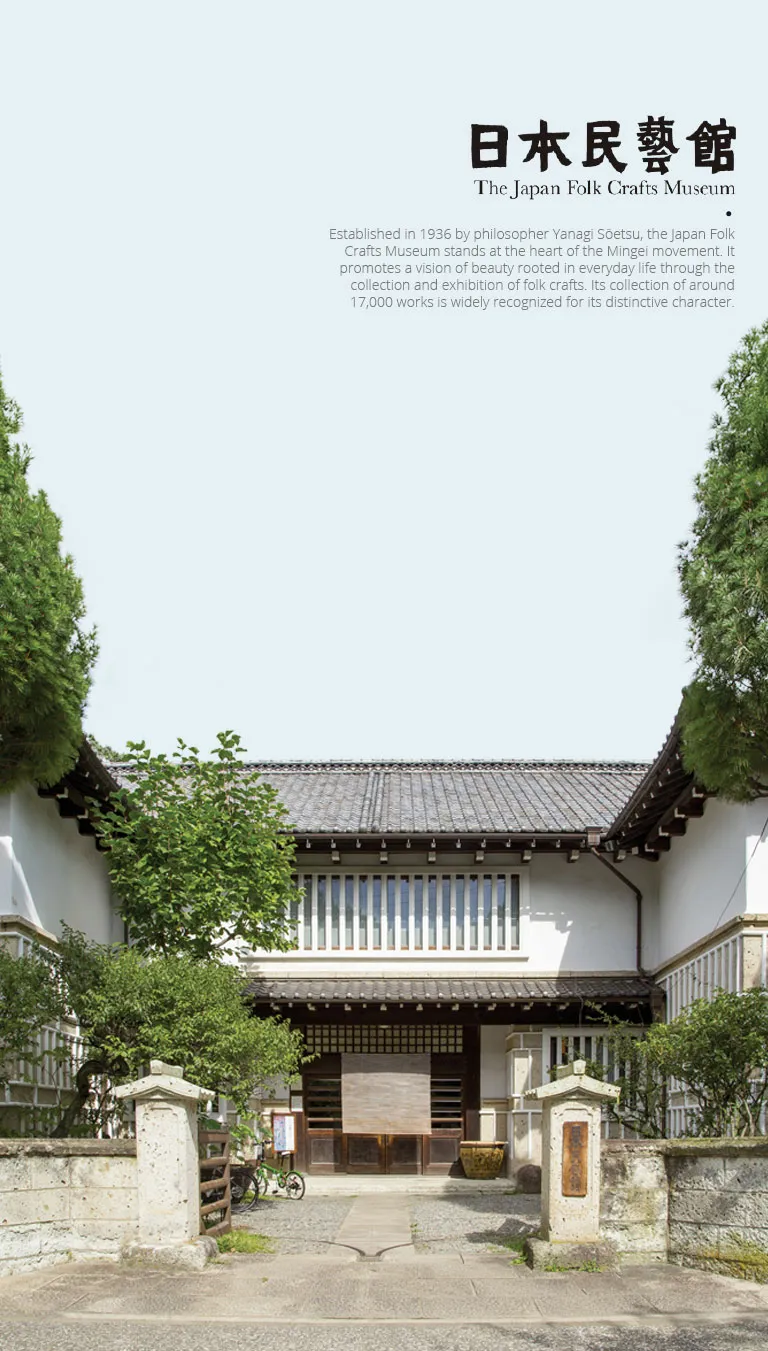
In a backstreet of Tokyo, a museum houses the handiwork of countless unnamed craftspeople gathered from around the world. This is the Japan Folk Crafts Museum. Step into one of its galleries and you’ll find wooden furniture, lacquered boxes and palm-sized objects bearing the distinctive aesthetic sensibility of Joseon Dynasty (1392-1910, Korea’s last and longest-lived imperial dynasty), arranged with quiet care. At the center of it all stands an object whose presence, though unassuming, is impossible to ignore. It is the soban—a small Korean dining table.
Beauty Carved from Wood
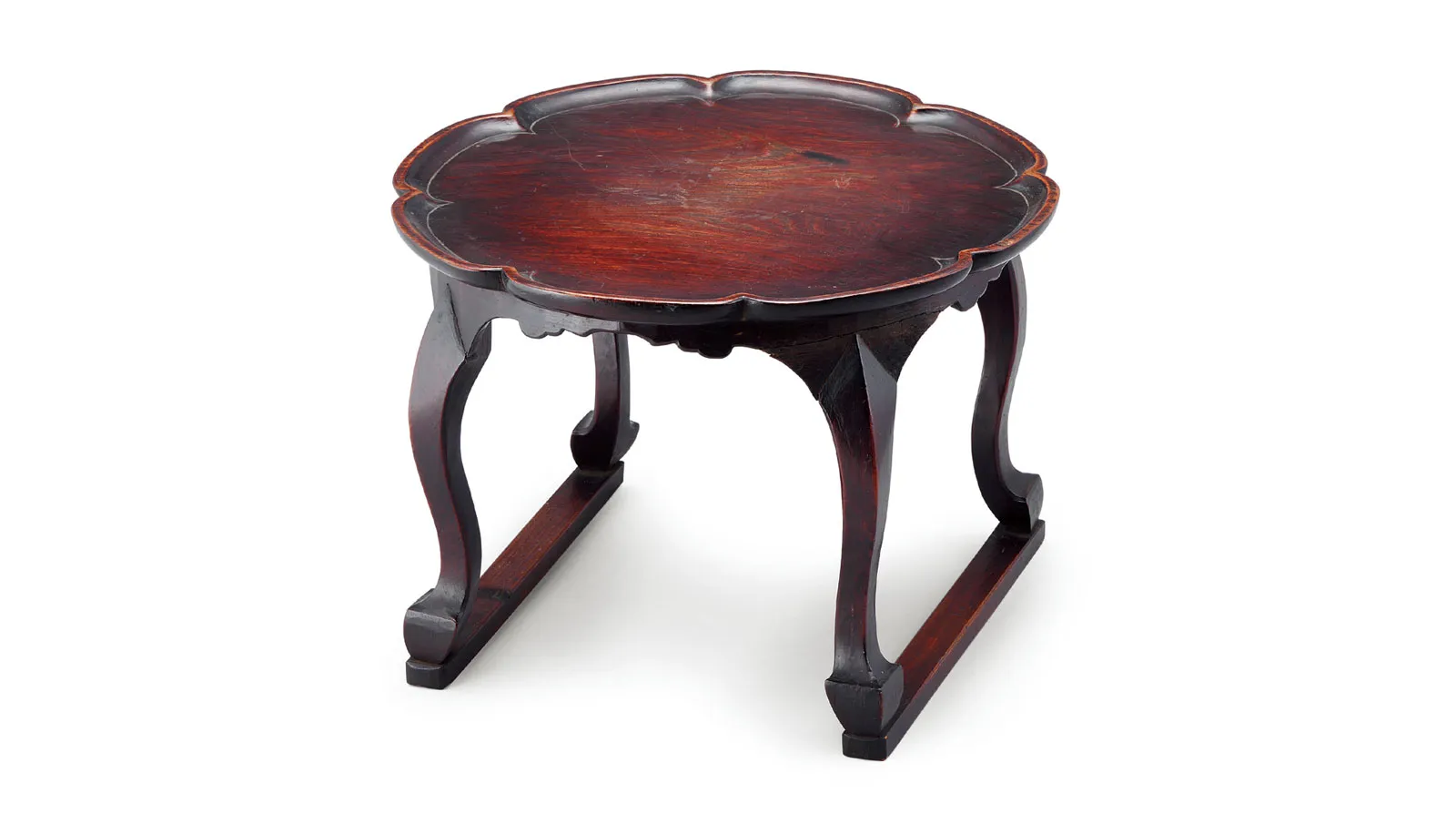
Wood, 19th century (Joseon Dynasty), diameter 40.5 cm, height 28.3 cm
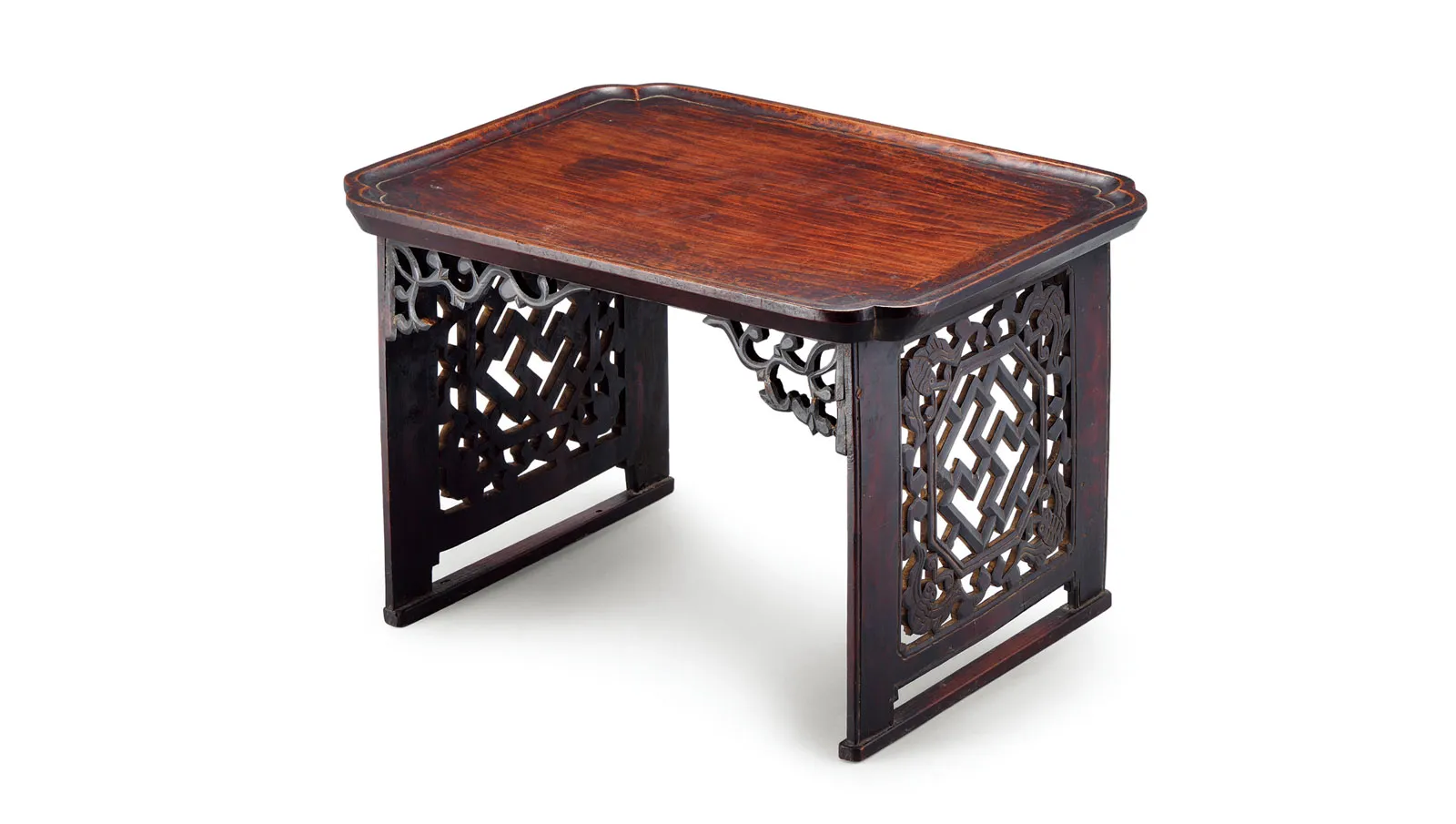
Wood, 18th century (Joseon Dynasty), width 48.0 cm, length 35.9 cm, height 31.0 cm
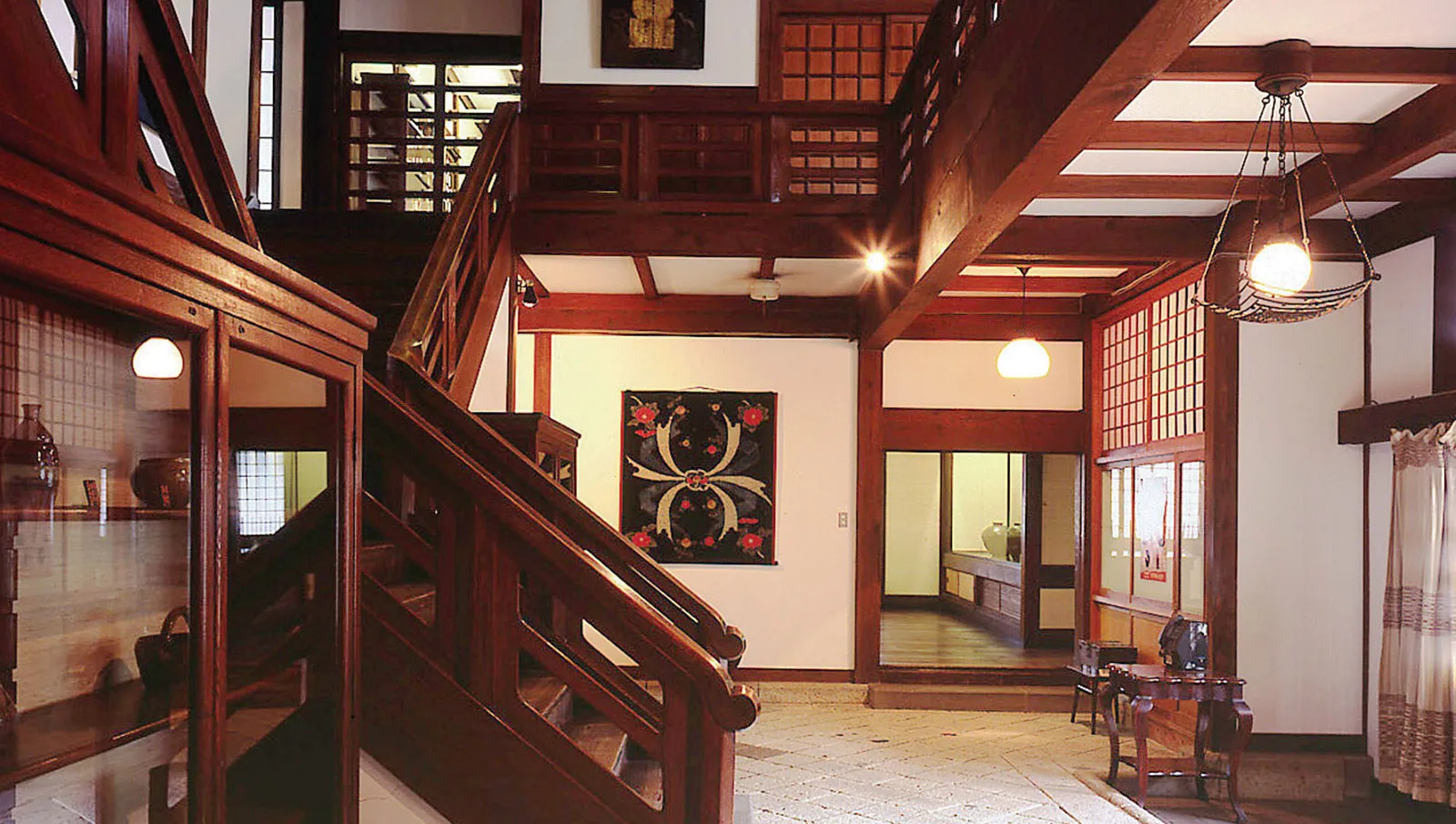
The Museum’s Origins and Korea
The Japan Folk Crafts Museum’s extensive holdings of Joseon craft objects are inseparable from the story of its founder, Yanagi Sōetsu.
Yanagi was trained as a philosopher, but his path changed the day an acquaintance gave him a small piece of Joseon white porcelain. The vessel—an 18th-century octagonal jar painted in blue with grasses and flowers—struck him with the force of a revelation. Its delicate, unaffected beauty captivated him completely, and from that moment he began collecting Korean ceramics and craft objects. Late in life, he would recall: “Coming to love the objects of Joseon was an experience that gave my life its direction.”
What followed was a sustained effort to document and preserve the arts of Korea. In 1921 he organized an exhibition of Korean art; the following year he published “Joseon and Its Arts,” introducing the value of Korean craft to a wider audience. In 1924, in the midst of the Japanese colonial period, he established the Korean Folk Arts Museum in Seoul dedicated to ensuring that the beauty of Joseon would not be erased. It operated until 1945, when the end of the colonial period brought its activities to a close.
These experiences led him to articulate a new aesthetic philosophy: the idea that beauty can be found in the everyday objects of ordinary people. This was the essence of mingei. The Japan Folk Crafts Museum was founded on that philosophy by Yanagi together with the ceramicists Hamada Shōji and Kawai Kanjirō, with the express purpose of revealing the beauty hidden in the work of anonymous craftspeople.
The museum today holds thousands of Joseon craft objects that Yanagi treasured, most of them made between the 17th and 19th centuries and ranging from ceramics and lacquered woodwork to paintings. A permanent gallery is dedicated to Korean craft, with a rotating selection of approximately 50 works on display at any given time.
Special exhibitions are mounted regularly. In 2024, a show titled “Yanagi Sōetsu and the Korean Folk Arts Museum” presented Joseon craft objects alongside related archival documents. Both 2023 and 2024 saw exhibitions comparing the lacquerwork traditions of Japan and the Korean peninsula. The Korean Cultural Centers in Osaka and Tokyo have also hosted exhibitions centered on pieces Yanagi collected during a 1937 journey through the Jeolla-do provinces of Korea.
Yanagi Sōetsu found beauty in a handful of ceramic vessels, and spent his life learning to see it in the objects of everyday existence. The Japan Folk Crafts Museum, where his eye for beauty and the craft traditions of Korea meet, continues to pass on that vision—quietly, and with genuine feeling.
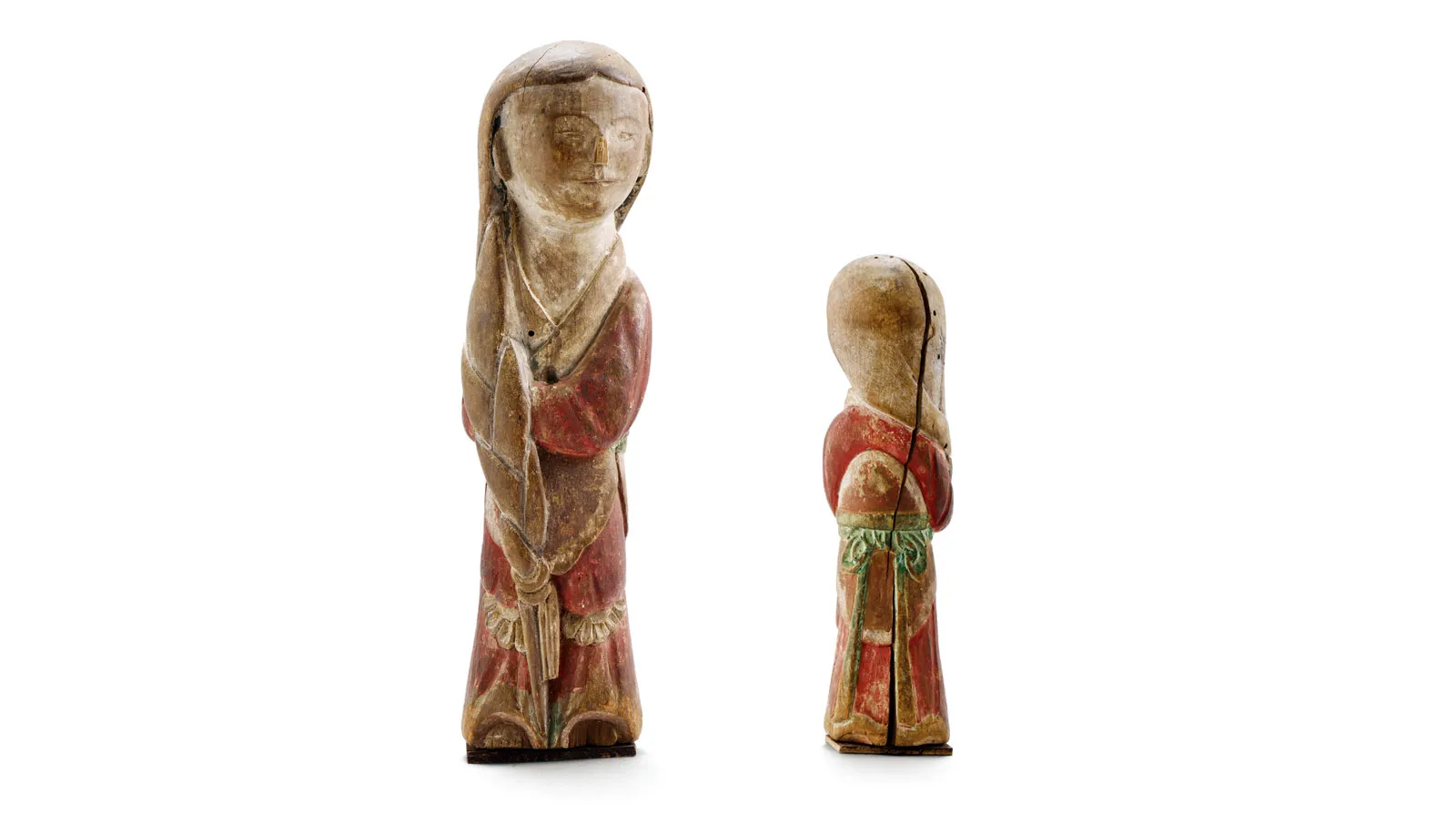
Wood, late Joseon Dynasty, height 27.5 cm, width 7.2 cm (shoulders), base width 6.9 cm, depth 7.3 cm
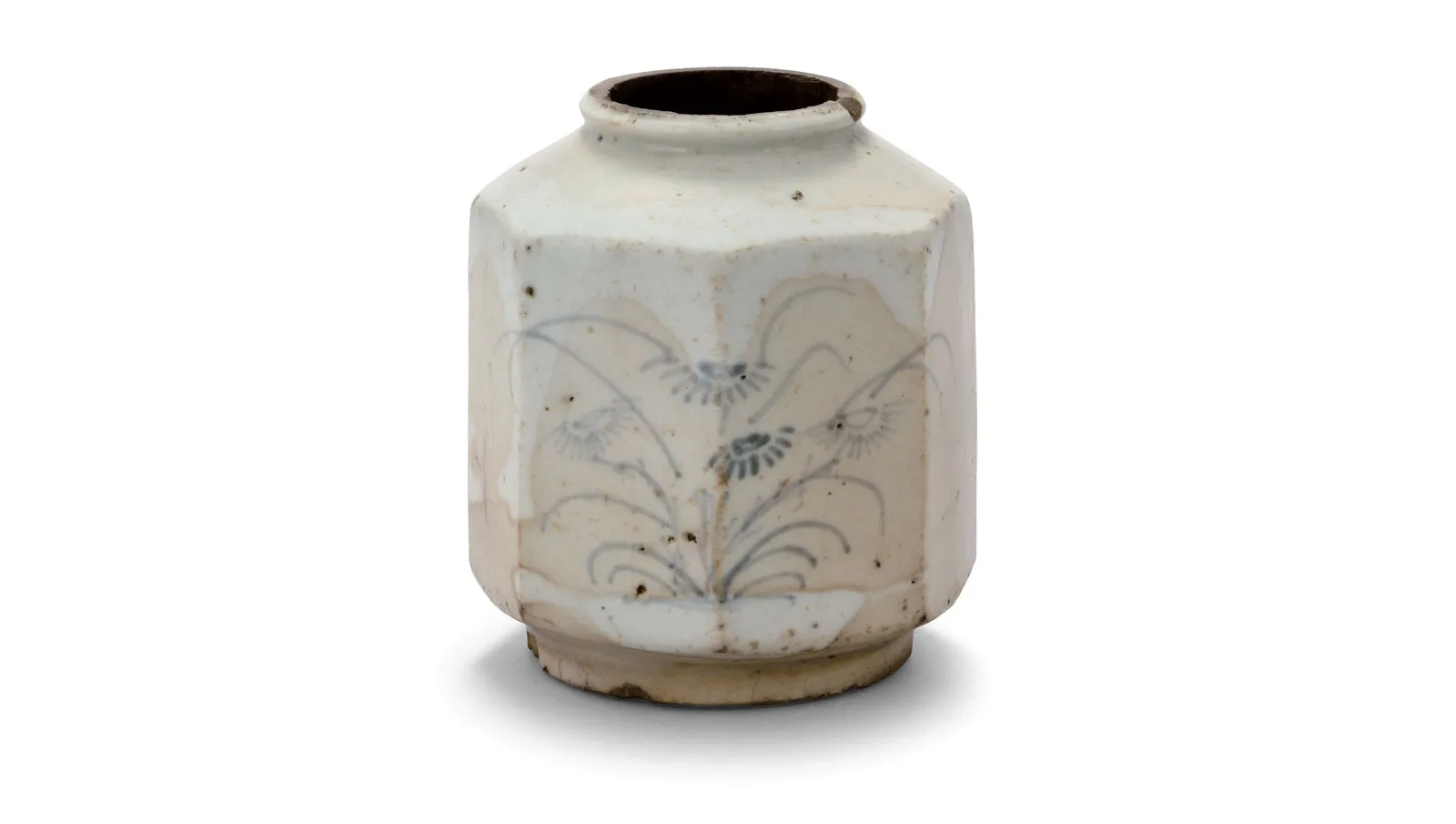
Porcelain, 18th century, height 12.8 cm, mouth diameter 5.9 cm, body diameter 11.3 cm, base diameter 8.3 cm