
Walk down any street in Korea and you’ll pass another convenience store before you’ve even finished the block. Frequented daily by people of all ages, they have quietly become the most familiar fixture in Korean life—and the numbers bear this out. According to data from the Ministry of Trade, Industry and Resources, the combined store count of Korea’s four major chains reached 53,266 as of the end of 2025, or roughly one store for every 900 people. Japan has approximately one per 2,300 people; the U.S., one per 2,500. The density here is in a league of its own.
That density has even given rise to new terms. One is pyeonsegwon (convenience store zone), modeled after yeoksegwon, the term for desirable residential areas near subway stations. The fact that the walking distance to the nearest convenience store has become a real consideration when choosing a home speaks volumes about how closely convenience store access is tied to quality of life.
The second is seulsegwon—a living zone you can navigate in slippers. At the heart of this slipper-friendly neighborhood is, again, the convenience store. Within that short radius, people can meet virtually all their daily needs: meals, over-the-counter medication, parcel pickup, utility bill payments and more. With their dense, ubiquitous presence, convenience stores have become the closest everyday anchor in Korean life.
Beyond the Corner Store:
How Korea Transformed Convenience Retail
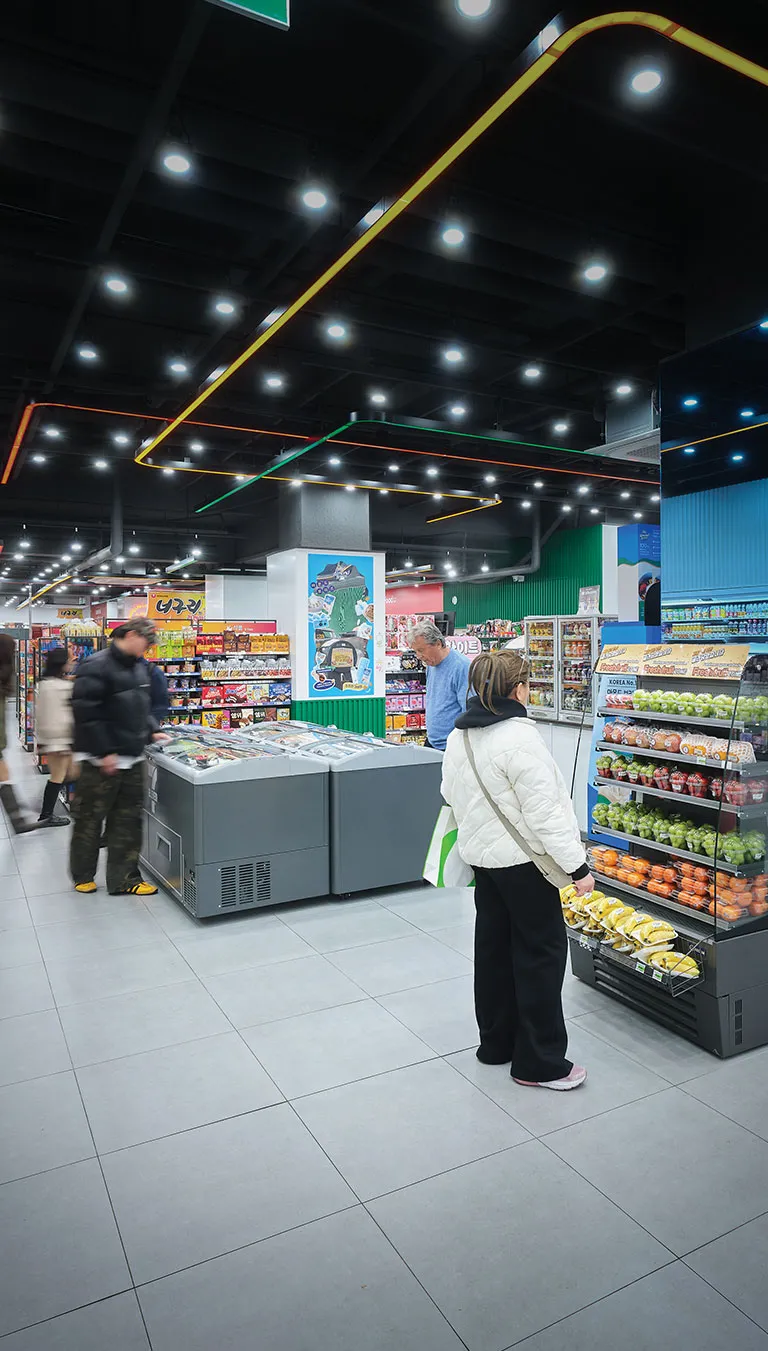
There’s a place Koreans gravitate toward without a second thought, whether they’re feeling peckish or need something in a pinch. That place is the convenience store, a modern neighborhood staple. Korea now ranks first in the world in convenience stores per capita, cementing its status as an undisputed “convenience store kingdom.” Korean convenience stores have evolved far beyond simple retail outlets into hubs of cutting-edge technology and trends, as well as multifaceted cultural spaces offering one-of-a-kind experiences.
The Convenience Store Kingdom
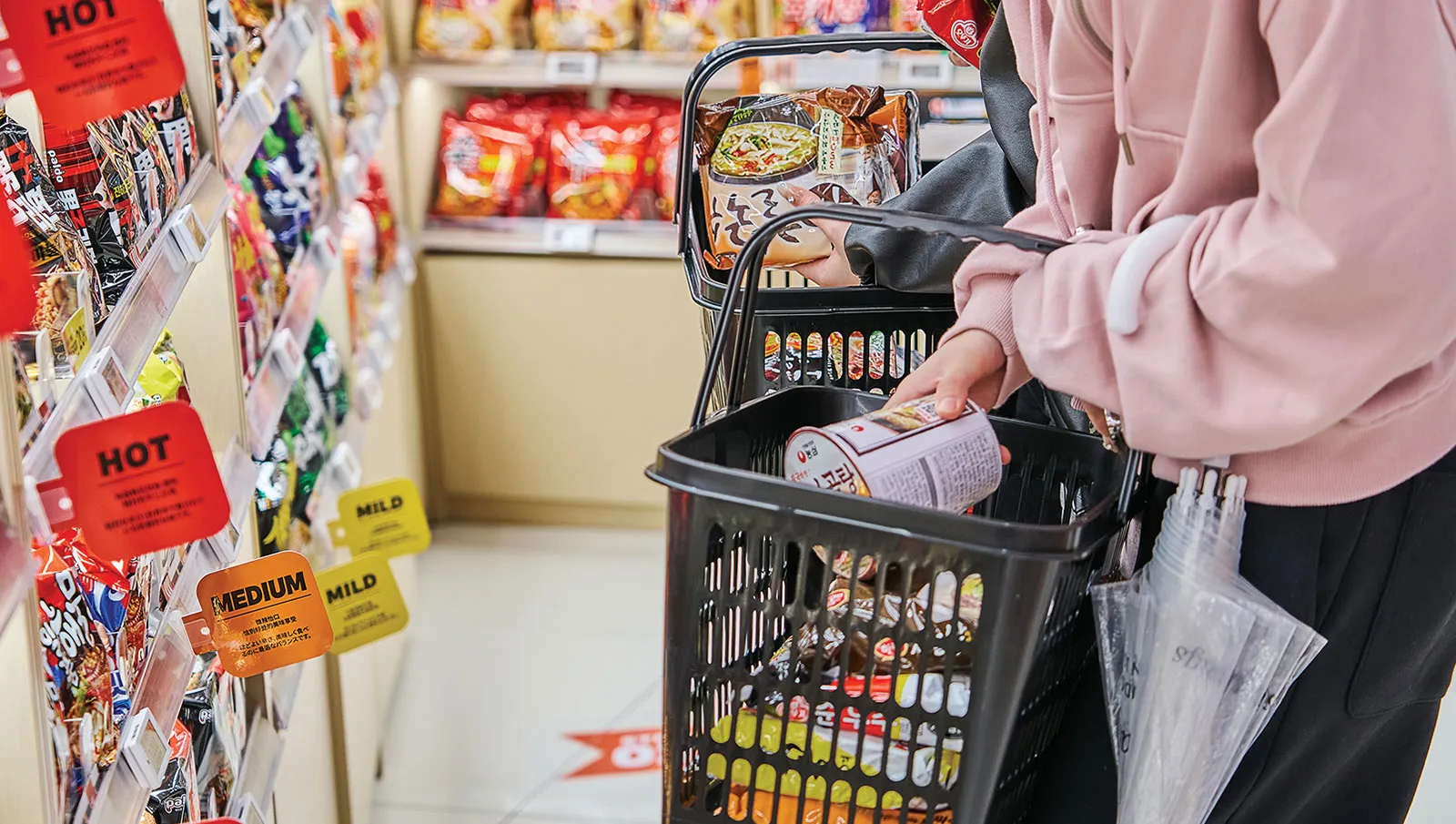
A Hub of Trends and Technology
K-convenience stores have evolved beyond simple retail into the frontlines of consumer trends and a testing ground for cutting-edge technology. So what is the distinctive appeal that has the rest of the world taking notice?
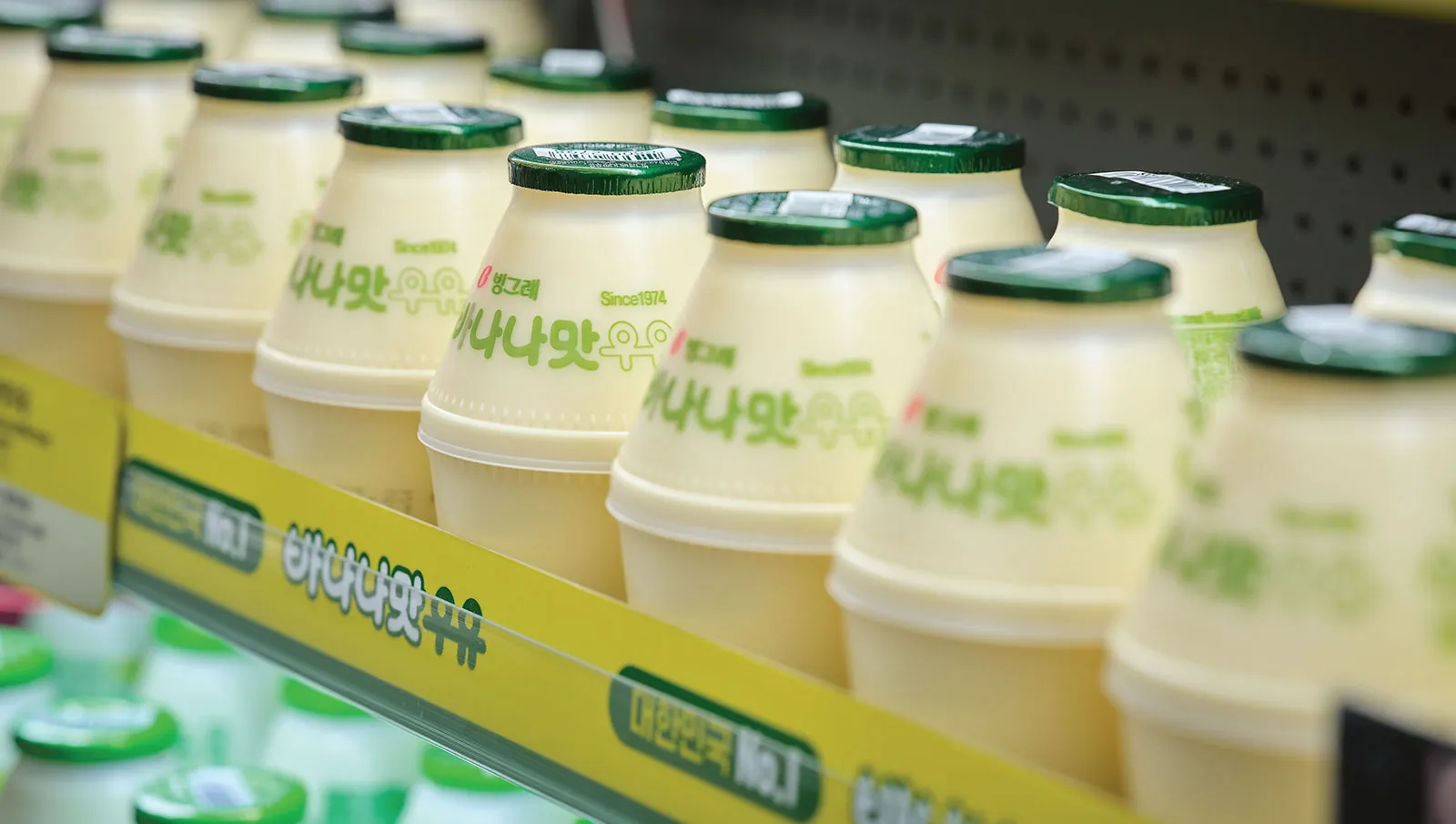
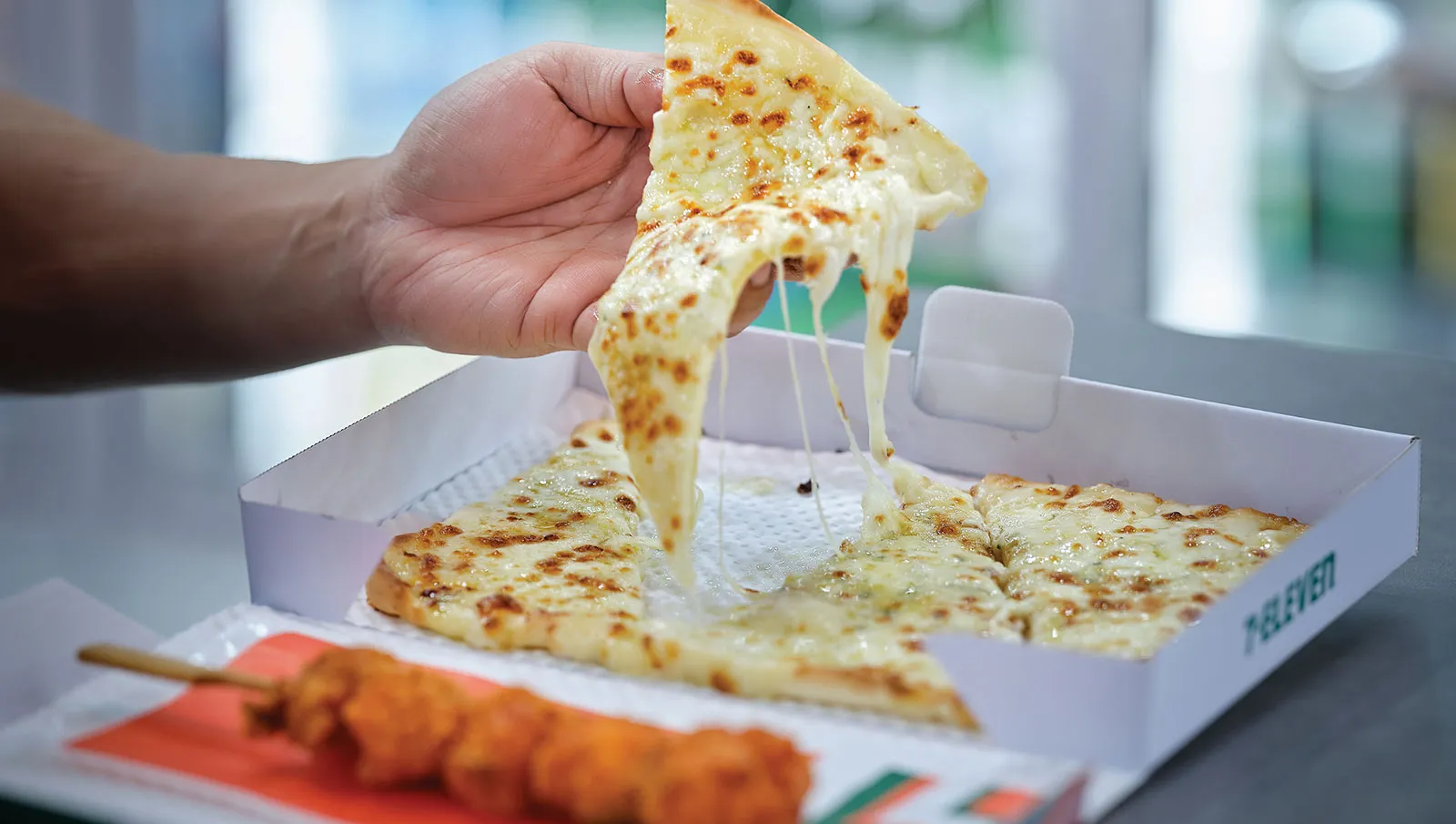
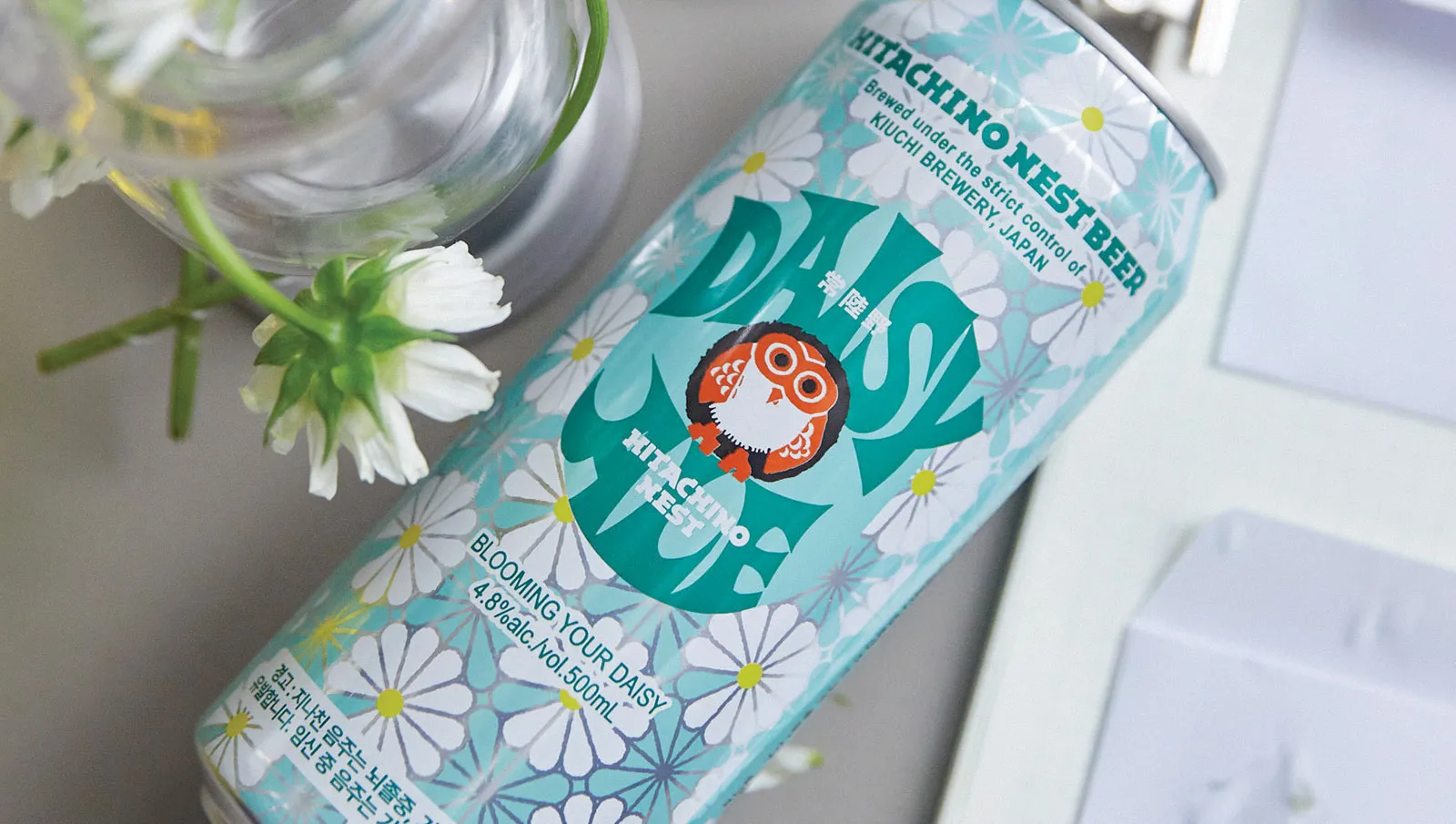
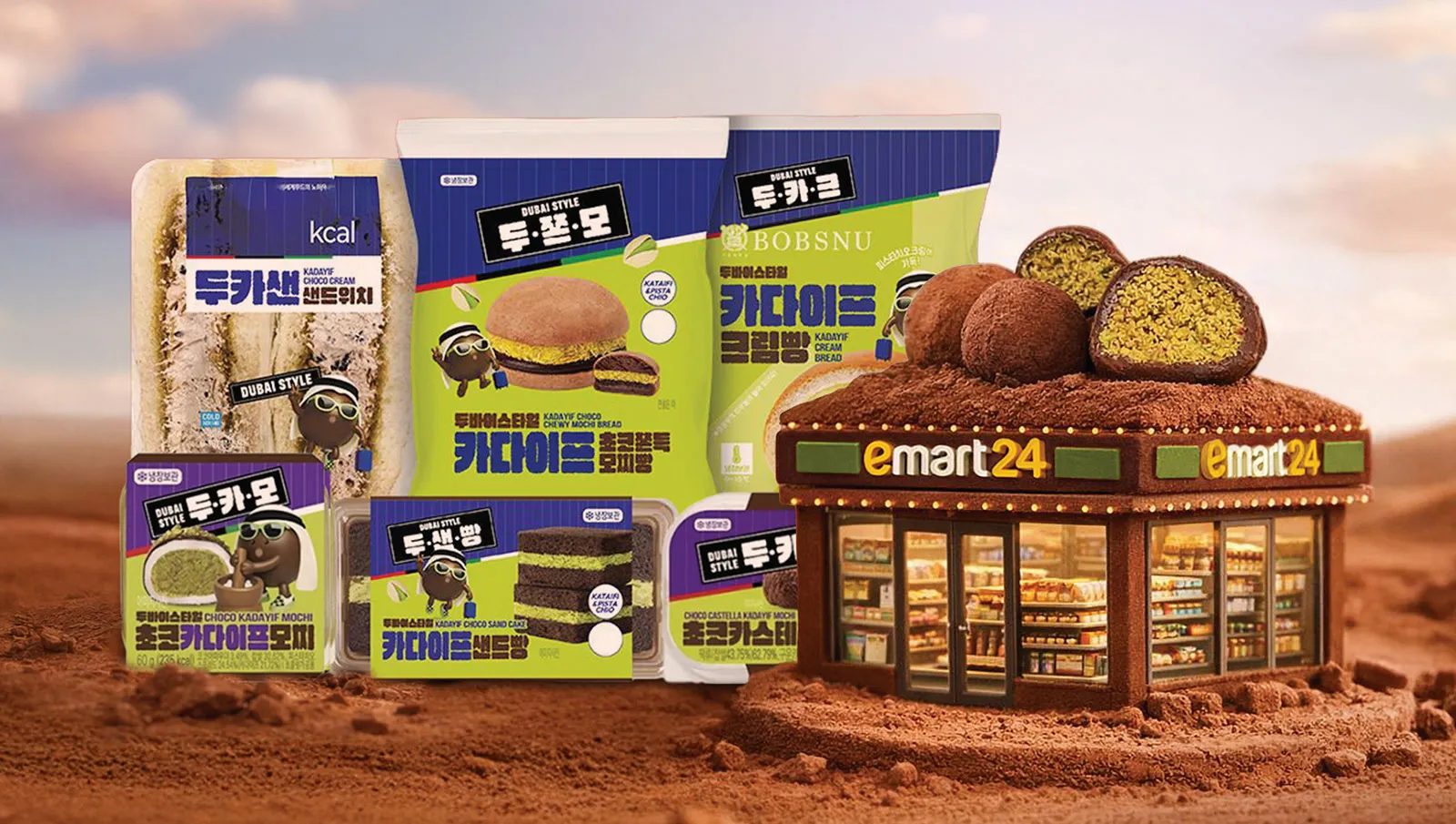
For one, no channel in retail reflects emerging trends faster. A steady rhythm of new product launches and events has positioned convenience stores as the first place consumers can get a feel for what’s new—and collaborations with popular restaurants and character IP have been especially effective at capturing younger shoppers. The industry has been doubling down on character-branded goods: milk featuring the character “Ganadi,” “Catch! Teenieping” snacks and “Koongya Restaurantz” breads. According to BGF Retail (which operates CU), the number of character collaboration products grew from around 50 in 2021 to over 370 in 2025—more than sevenfold—with related sales doubling every year.
Technology has pushed these stores well beyond the limitations of traditional brick-and-mortar retail, too. Each brand’s mobile app has evolved from a simple promotional tool into a practical shopping resource featuring real-time inventory checks and advance ordering, so customers can confirm stock or reserve items before making the trip. A survey by consumer data platform Opensurvey of 1,000 convenience store users found app installation rates of 55.3% for GS25’s “Our Neighborhood GS,” 47.5% for CU’s “Pocket CU,” 12.7% for 7-Eleven and 12.5% for emart24—all up year-on-year. Convenience store apps have clearly grown into genuine shopping tools that streamline the purchasing process, not merely channels for checking promotions.
Rediscovering the Convenience Store
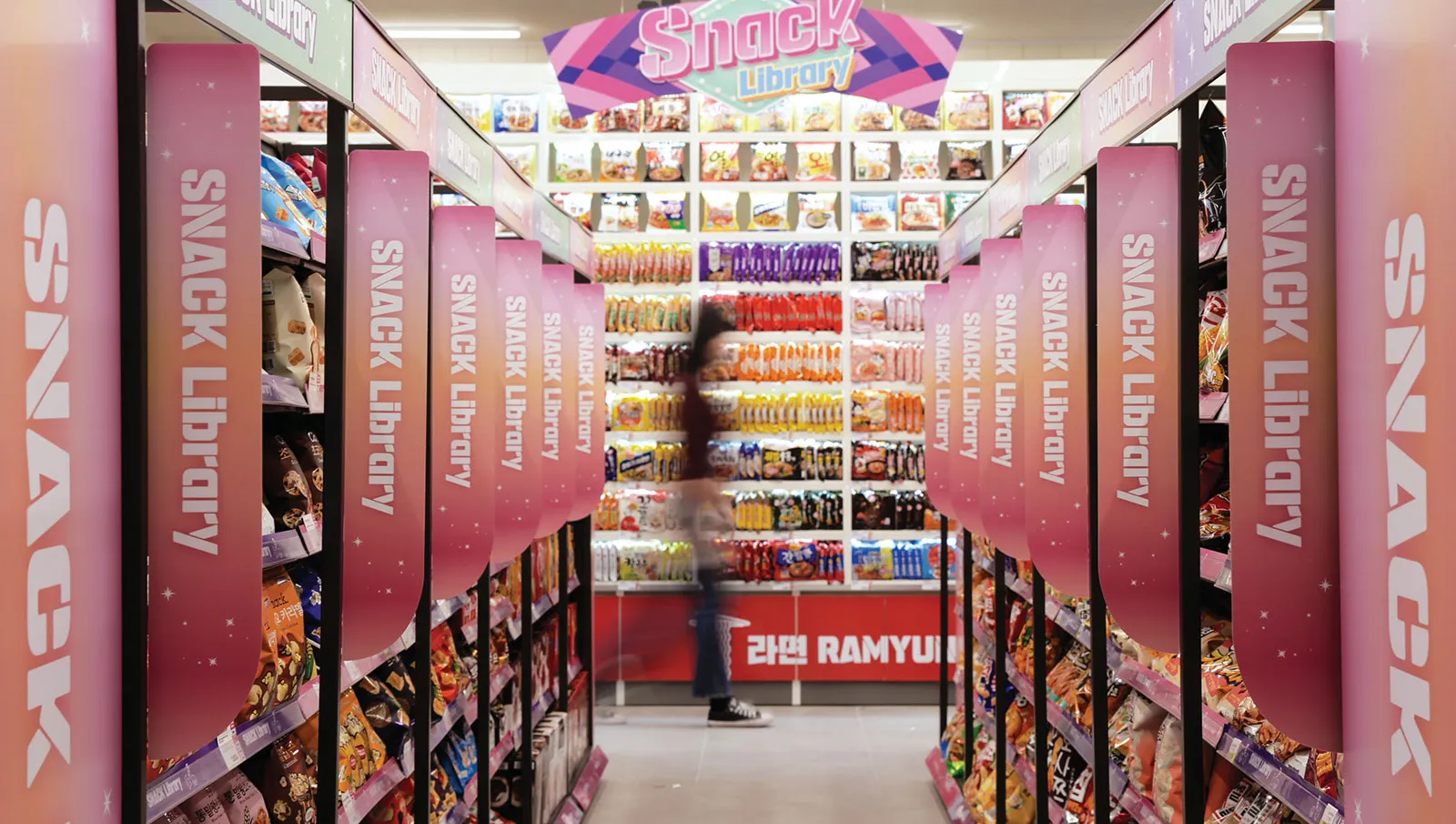
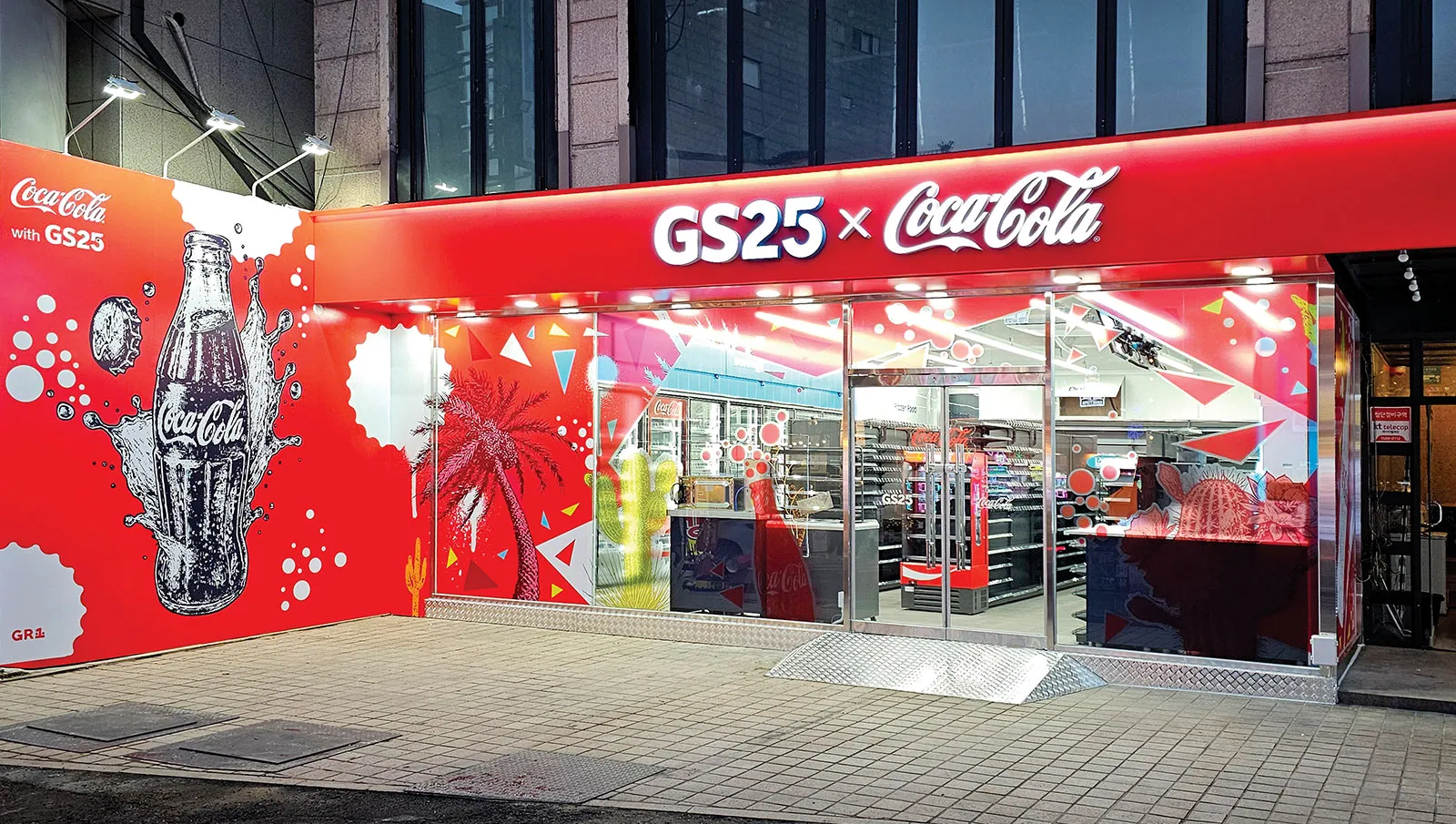
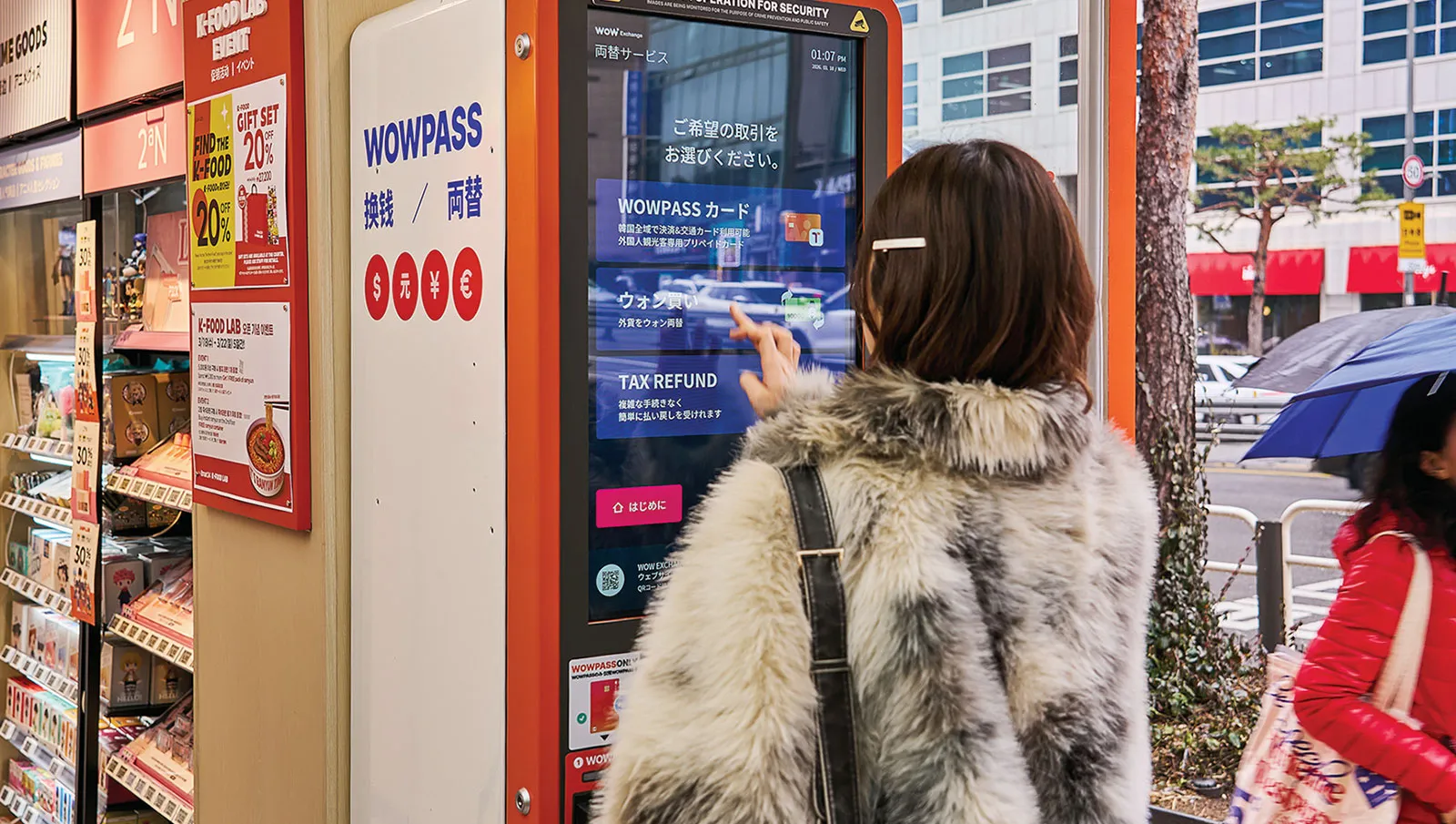
As the Korean market approaches saturation, major brands are moving faster on differentiation through specialty stores. The idea is to break away from the notion that all convenience stores are the same and turn the store itself into a destination. These specialty stores pick a concept suited to their neighborhood, make use of floor space 1.5 to 2 times that of a standard store, and offer a range of things to see and do—evolving into multifunctional cultural spaces where experience and content take center stage.
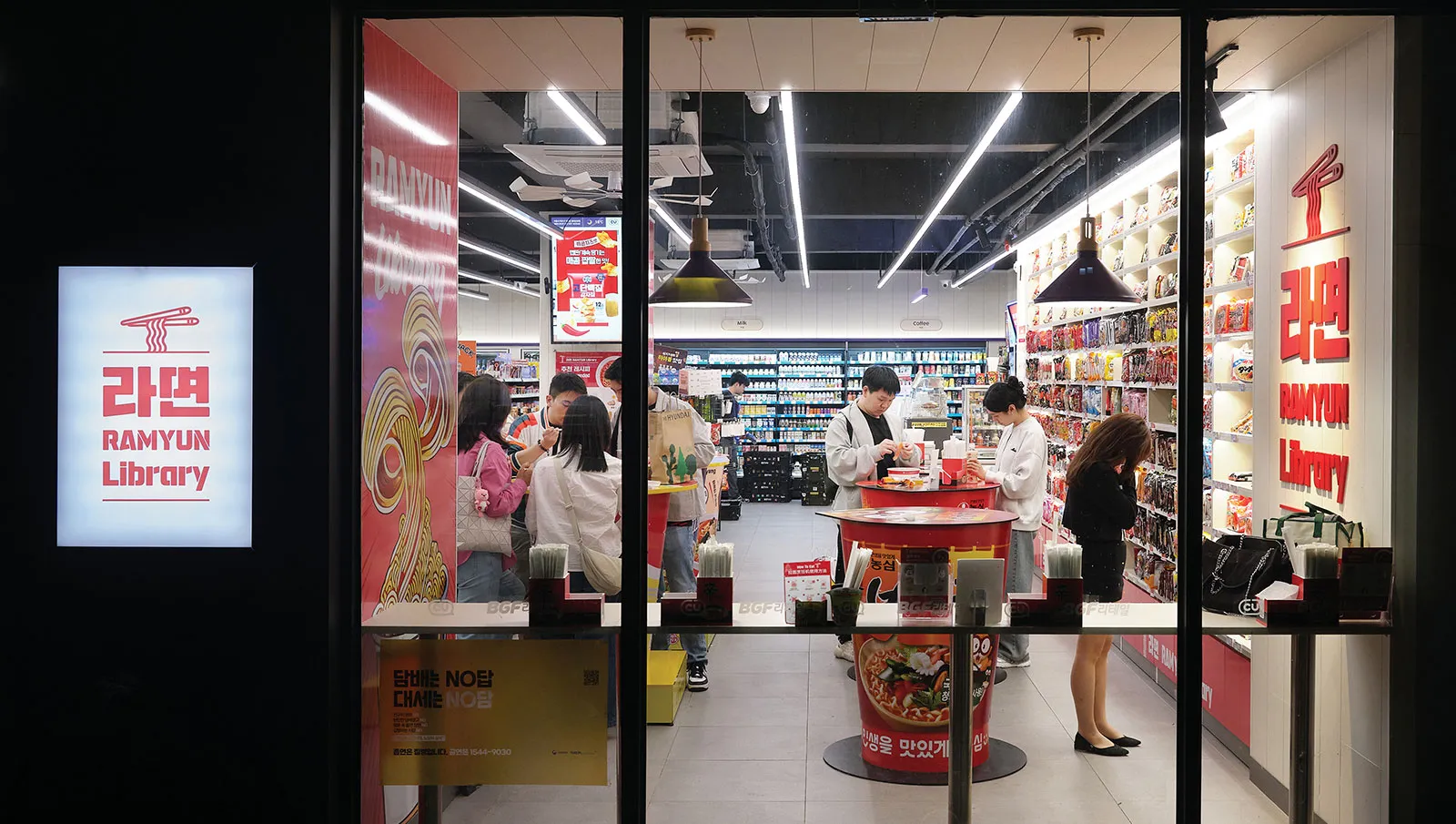
Emart24, for instance, opened an all-in-one store in Seoul’s trendy Seongsu-dong district, bringing together cosmetics, clothing and character goods under one roof, with a pop-up zone for cosmetics brands on one side and character toys and lifestyle goods popular with teens and twenty-somethings on the other. In Hongdae, a neighborhood that draws heavy foot traffic from international tourists, a “Ramyun Library” stocked with over 230 varieties of instant noodles became a minor sensation. Other concepts include sports-focused stores with lockers and changing rooms, and liquor stores that evoke a proper wine cellar—all designed to offer customers something visually engaging and genuinely distinctive.
A Neighborhood Safety Net
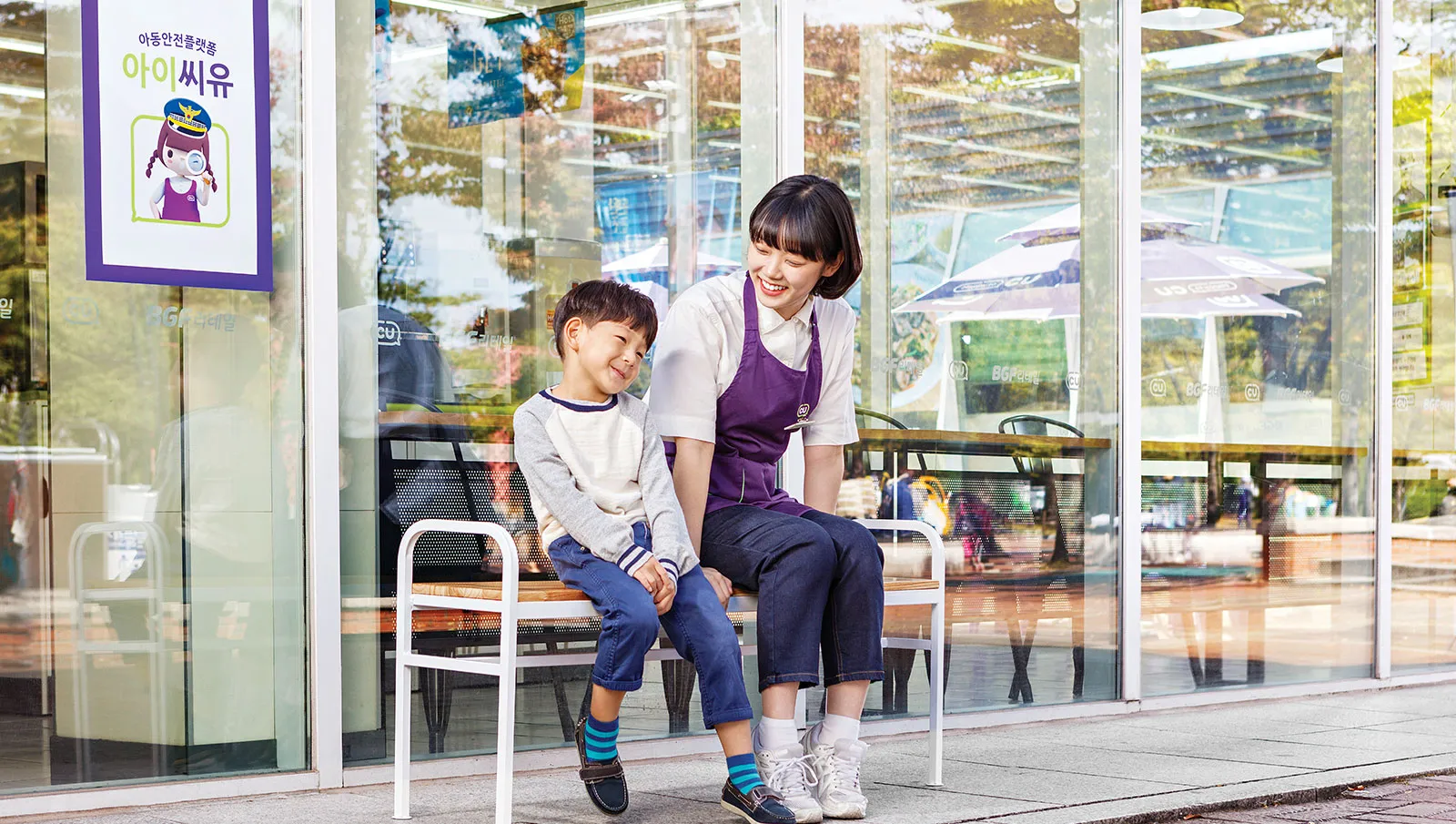
The role of convenience stores doesn’t stop at commerce. Their round-the-clock presence makes them natural pillars of community safety and welfare. CU has operated a missing persons prevention system called “I-CU” in partnership with the Korean National Police Agency since 2017; GS25 has built an emergency patient rescue system of its own. As traditional bank branches vanish from residential neighborhoods, convenience store ATMs have stepped in to fill the gap. Parcel pickup, utility bill payments and other everyday services have further cemented their role as genuine community partners.
Toward a Global Standard
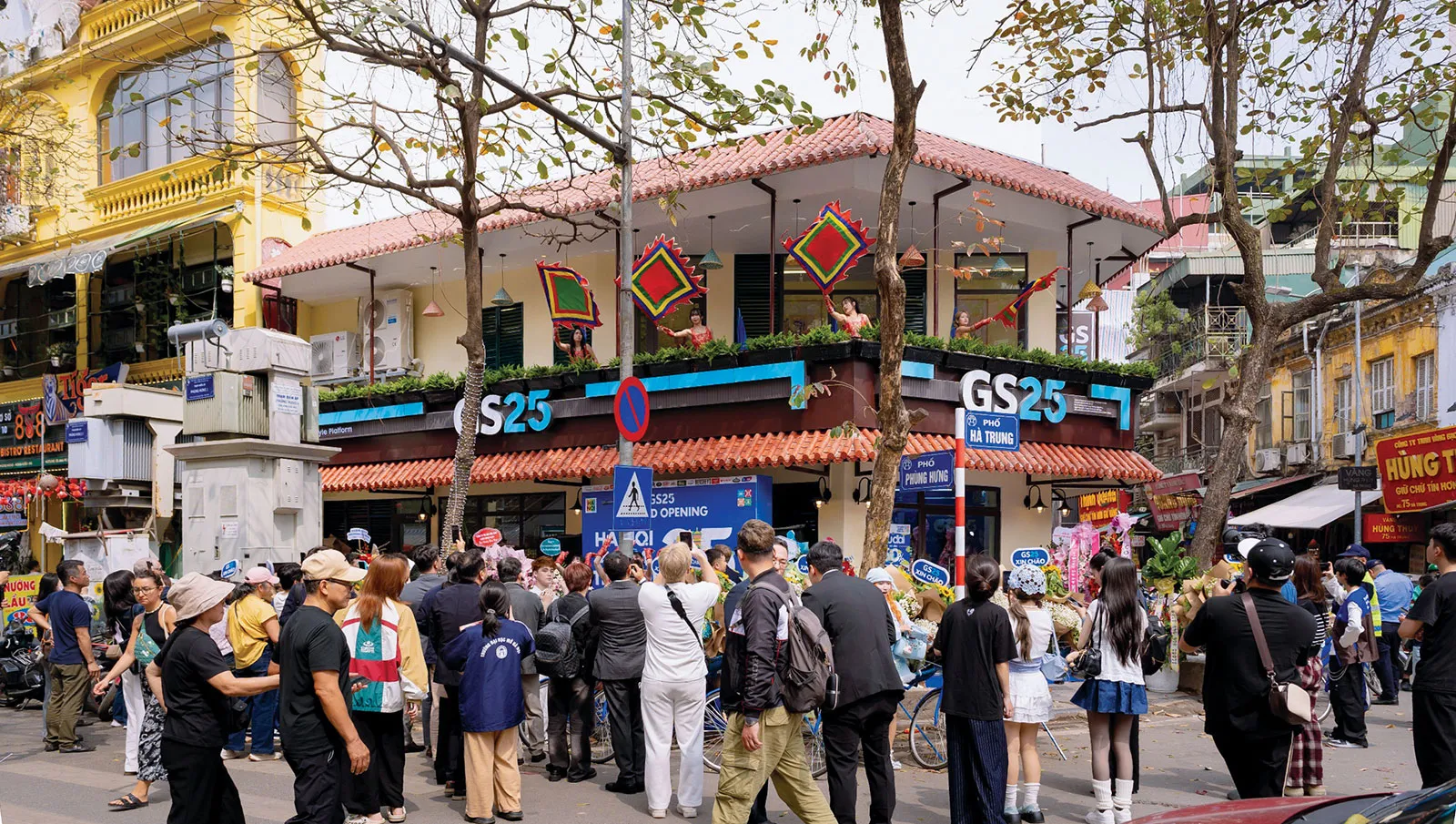
Building on this success, the “K-convenience store system” is now being exported—not merely as a way to stock Korean products on foreign shelves, but as a wholesale transplant of store design, operating systems and convenience store culture. International locations surpassed 1,500 as of 2025, and in countries like Mongolia and Vietnam, K-convenience stores have become beloved gathering spots where young locals go to experience Korean culture firsthand.
The trajectory is clear: Korean convenience stores are moving beyond an oversaturated domestic market to set a new global standard. The differentiation strategies and technological capabilities honed in one of the world’s most competitive retail environments are reshaping what convenience retail can look like—and K-convenience stores look set to become a fixture in the daily lives of people far beyond Korea’s borders.
Writer. Dahye Han
Han is a research fellow at the Consumer Trend Analysis Center of Trend Korea and co-author of the bestselling “Trend Korea” series. She holds a BA in Psychology from Seoul National University, where she also completed her master’s and doctoral studies in Consumer Studies. She conducts consumer trend and future strategy research for companies including Samsung, SK and LG, and has co-authored “K-Beauty Trends,” “Twenty-One Thirty-Nine” and the “Korea Food Service Industry Trends” series. She teaches at Seoul National University at both the undergraduate and graduate levels, appears regularly on KBS1 Radio, and delivers consumer trend-related lectures at a wide range of corporations.