Leaving Seoul behind, the journey to Gongju begins. Throughout the hour-and-a-half drive, the cloudless winter sky stretches clear and bright, while gray-brown trees stripped to their branches and brilliant white snow create a dazzling landscape.
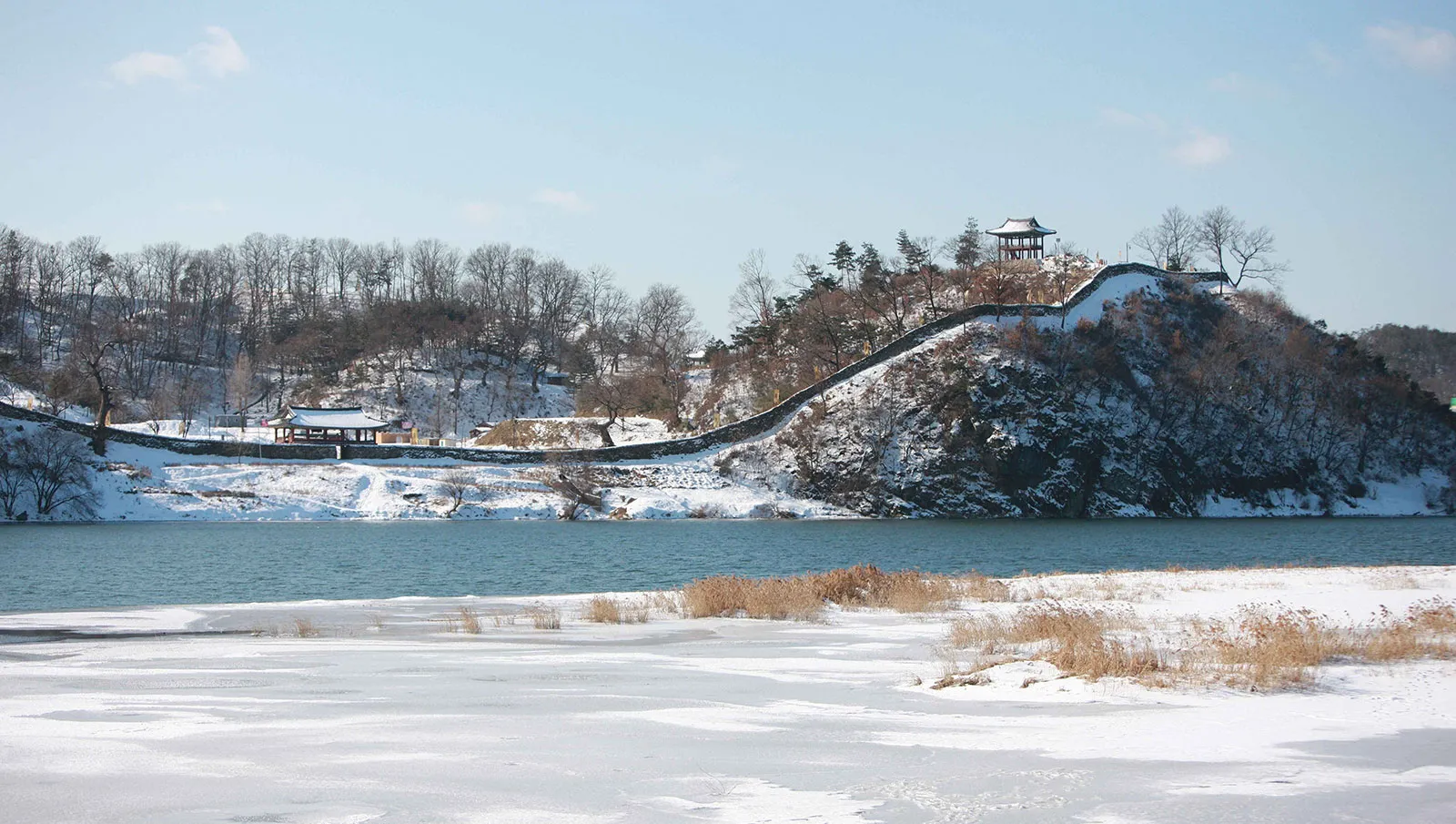
After getting off at Gongju Bus Terminal, travelers board a city bus heading straight into town. The route crosses a massive river toward the old downtown, and the sheer breadth of the waterway offers a liberating sense of openness after the confines of the highway. This is the Geumgang River—one of Korea’s three great rivers, the lifeblood that sustained the mighty Baekje Kingdom over 1,500 years ago. Beyond the river’s endless flow, mountains rise like folding screens. Suddenly, fortress walls cutting across the mountainside come into view.
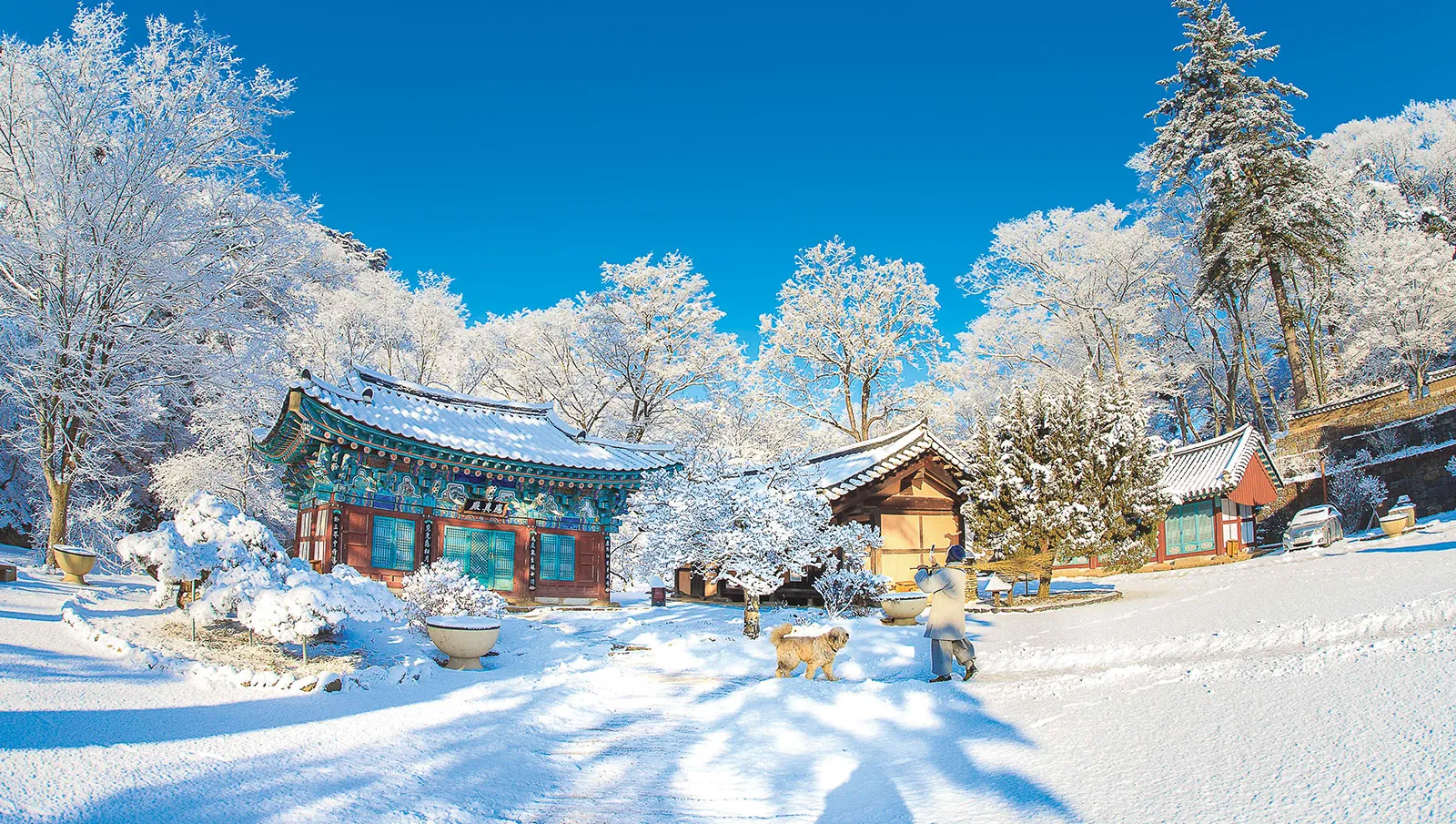
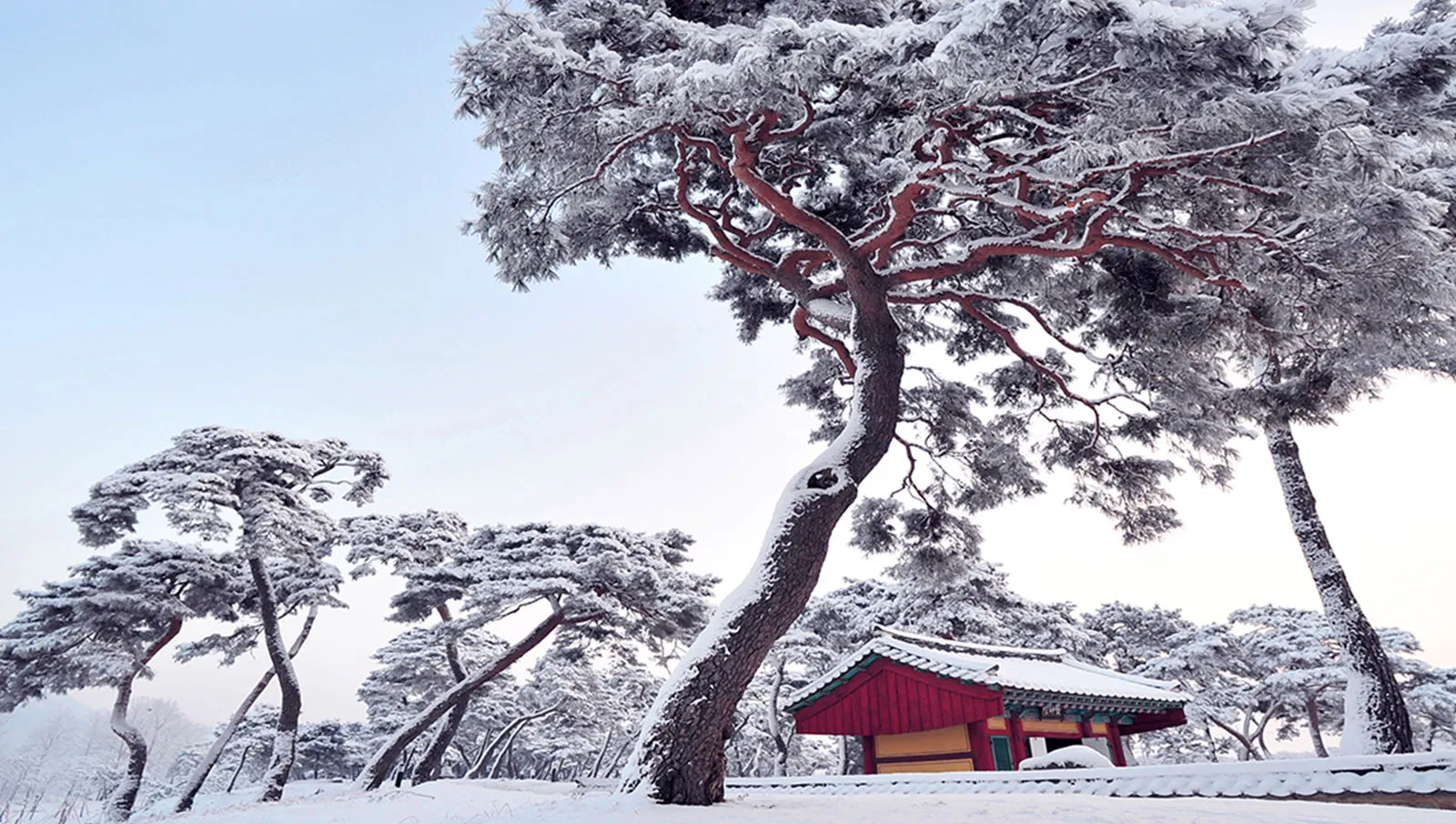
Getting off at the hub where tourist attractions converge—markets, cafes and dining streets—visitors find themselves face-to-face with the fortress gate spotted from across the river. This is Gongsanseong Fortress, the royal palace and defensive stronghold that protected the Baekje’s capital. Offering glimpses into late Baekje’s culture, it’s now part of a UNESCO World Heritage Site. Indeed, the ancient brick walls stretch impressively toward the Geumgang River, weathered by centuries.
Climbing the fortress walls reveals sweeping views of Gongju’s old downtown below, where buildings, cars and people look like miniature figurines. Inside the fortress grounds, wide plains and walking paths unfold alongside watchtowers. Here, archaeologists have unearthed some 70 tile-roofed structures along with roads, retaining walls and drainage systems. Walking further along the ramparts while imagining Baekje at the height of its prosperity, visitors soon encounter panoramic vistas of the vast Geumgang River and the distant cityscape beyond. Gazing at this breathtaking scene, one can’t help but wonder what thoughts filled the minds of Baekje’s kings as they surveyed their domain.
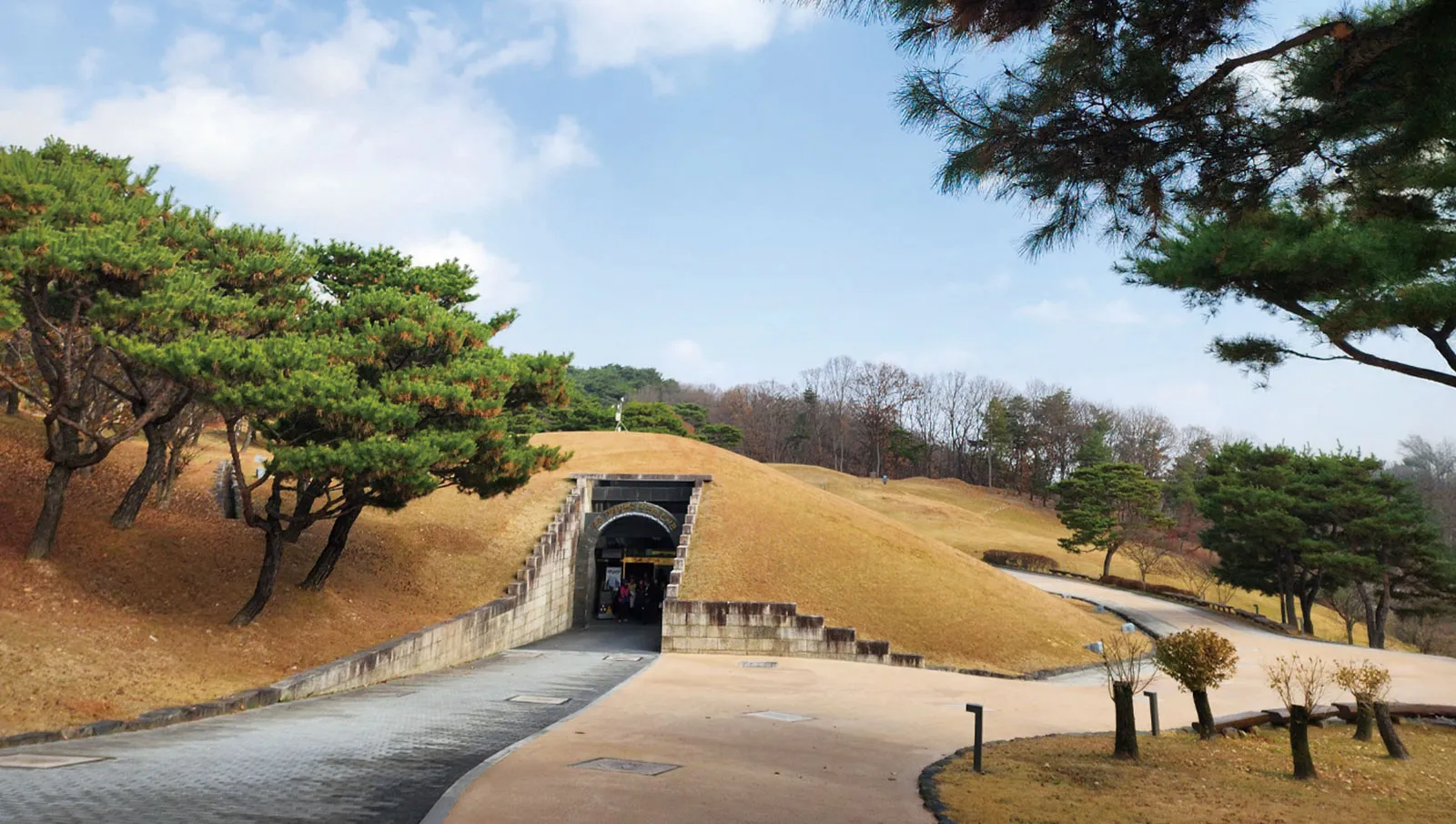
Seeking more memories of the Baekje era that Gongju preserves, the next stop is the Tomb of King Muryeong, part of the same heritage district. The gently rising burial mound sits bathed in generous winter sunlight, as if sleeping peacefully. Stepping inside reveals a large chamber, its walls completely covered in thin, flat stones. Though the space is empty, it immediately commands awe. The day this site—discovered during drainage construction—was confirmed as the tomb of King Muryeong and his queen, the monarchs who led Baekje’s renaissance, marked a watershed moment in Korean archaeology. The excavation of some 2,906 artifacts provided invaluable insights: written records revealed Baekje’s foreign relations, while the ornate jewelry of the king and queen illuminated the kingdom’s cultural and artistic achievements.
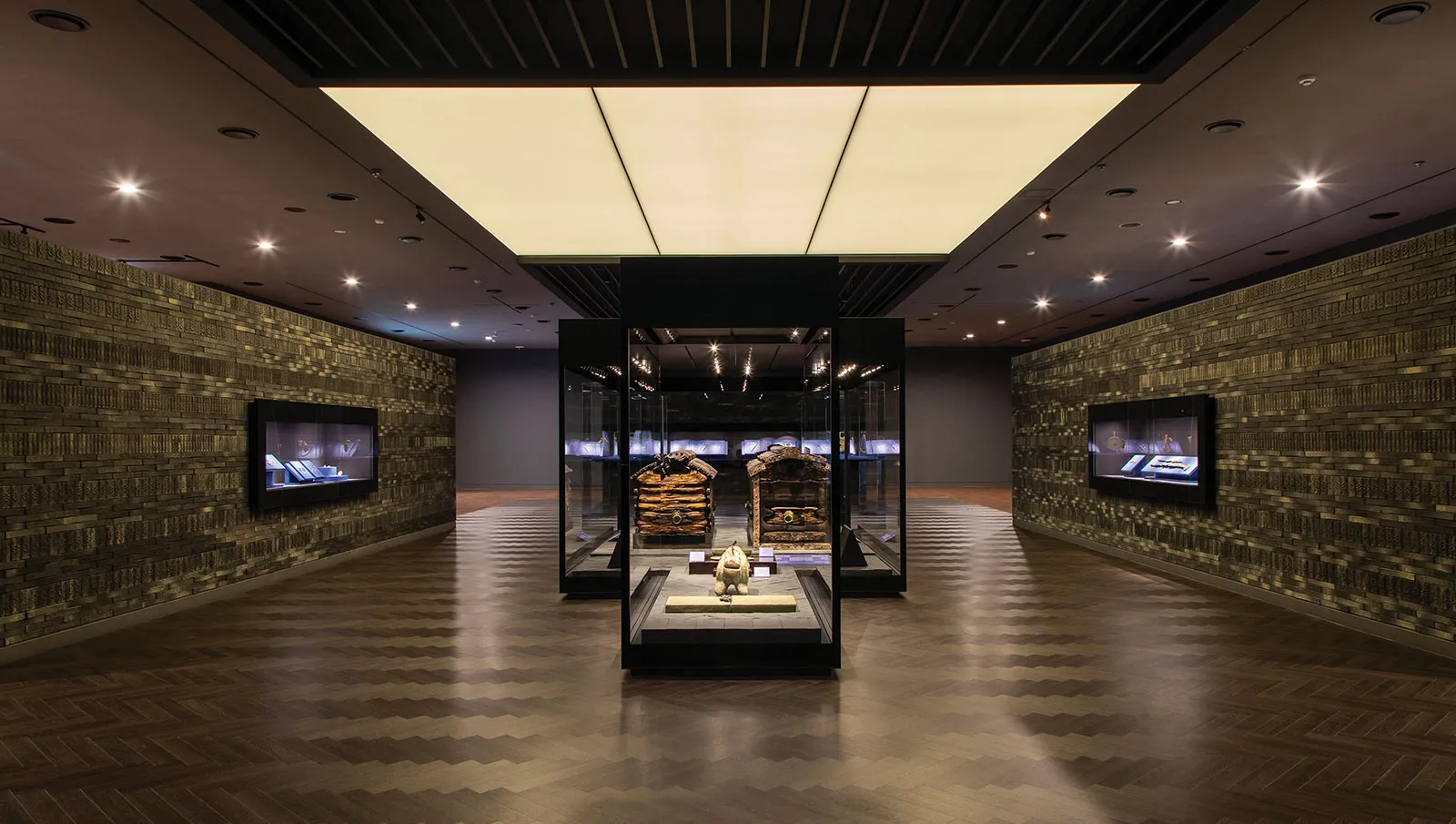
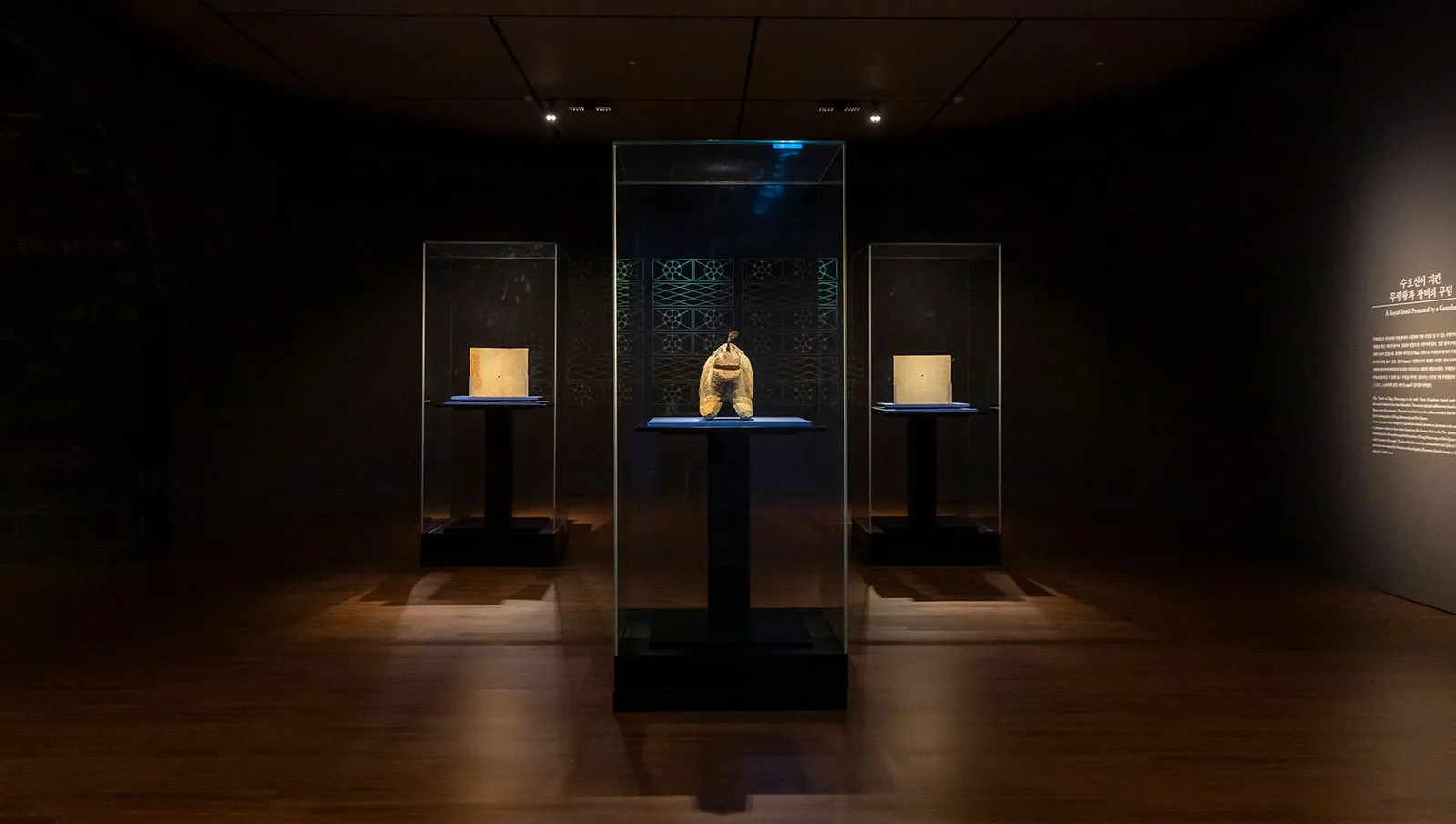
Where did these memories from another age end up? The answer lies at the adjacent Gongju National Museum. Upon entering the Ungjin Baekje Hall on the first floor, the tomb you just visited comes vividly back to life. In a display case matching the exact dimensions of the tomb’s floor, the wooden coffins of the king and queen rest in repose. Before them stand ritual vessels and jinmyosu—mythical guardian beasts—while surrounding displays showcase the gold ornaments that radiate Baekje’s sophisticated aesthetic sensibility and spirit. Knowing these treasures survived undisturbed by looters or vandals to reach visitors thousands of years later creates a profound sense of connection across time.
A Walk Through Timeless Heritage
Gongju

Gongju, a city where memories of the ancient Baekje Kingdom (18 BCE–660 CE) slumber, treasures depth over splendor and leisure over haste. As you wander its alleyways and riverside paths, the beauty of the city’s layered history quietly reveals itself. Following the trail of Gongju’s charms, even the coldness of winter begins to feel warm and welcoming.
Following the Path of History
Discovering Today’s Gongju
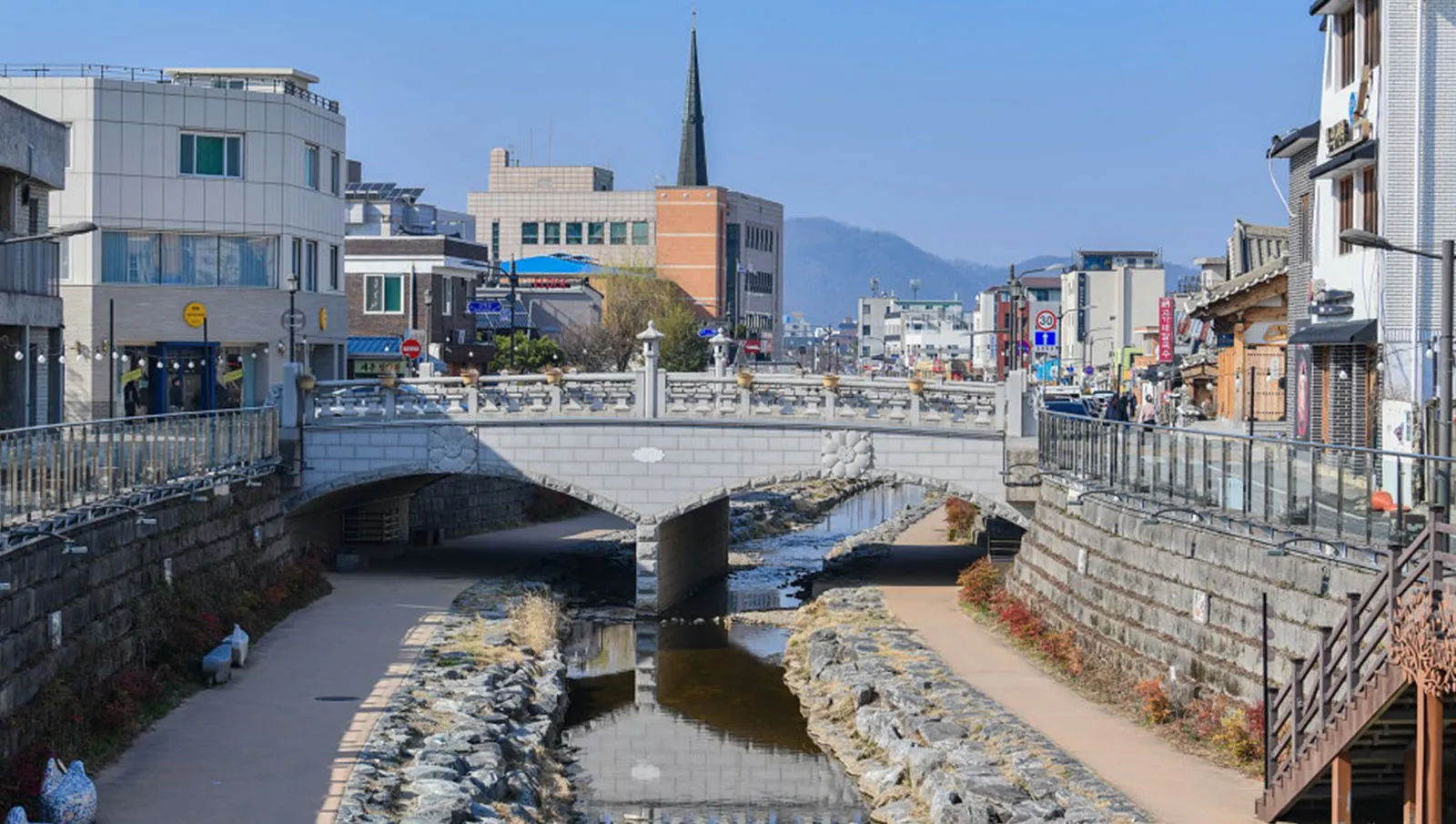
The present-day charms of Gongju prove just as captivating as its historical legacy. After completing this brief historical journey and heading back toward Gongsanseong Fortress, visitors encounter Jemincheon Stream, which cuts through the city from north to south. Walking paths line both banks, while homes, cafes, galleries and restaurants create Gongju’s characteristically cozy and welcoming atmosphere. The natural mingling of visitors and local residents creates layers of warmth that settle deep in the heart.
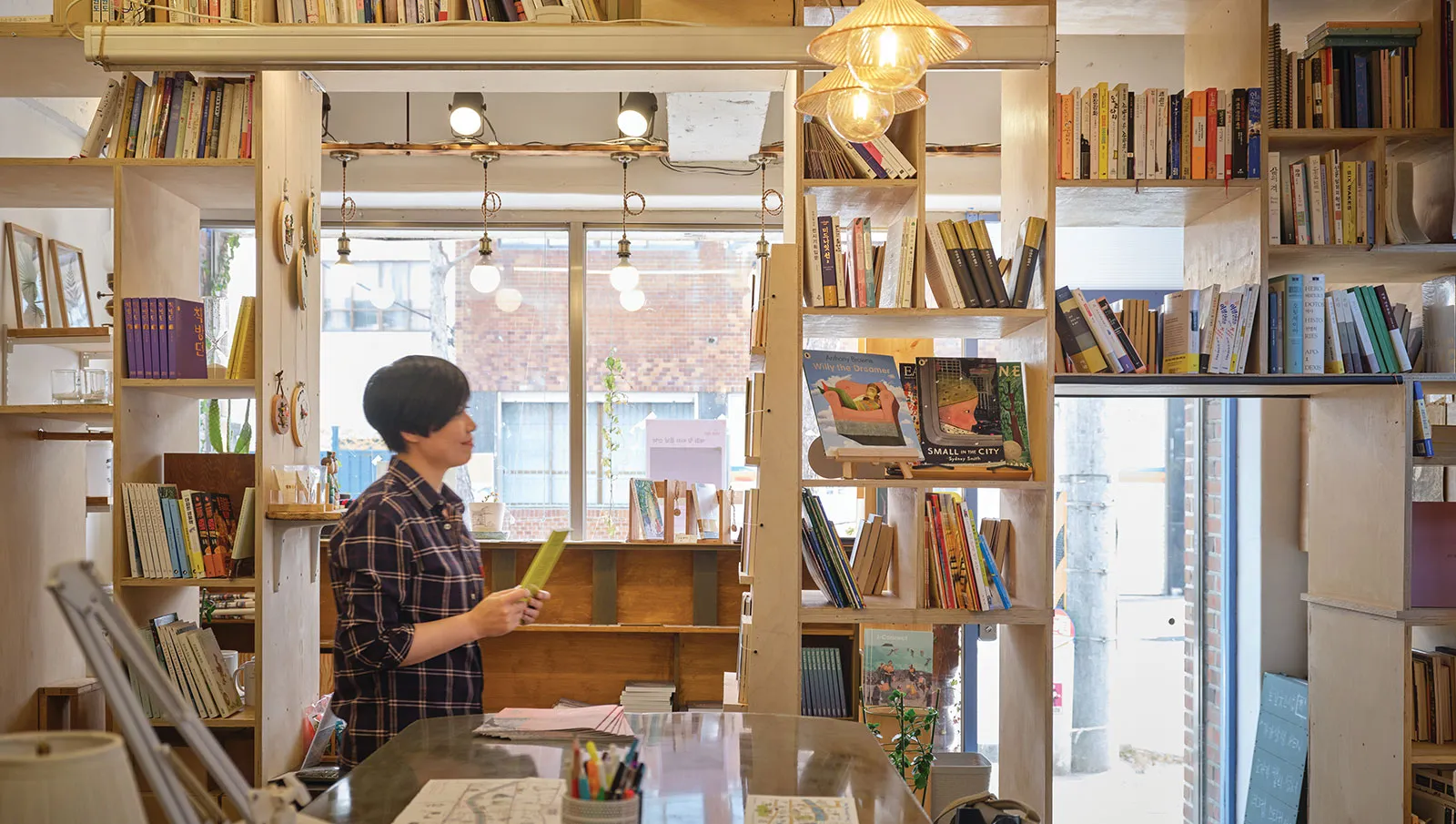
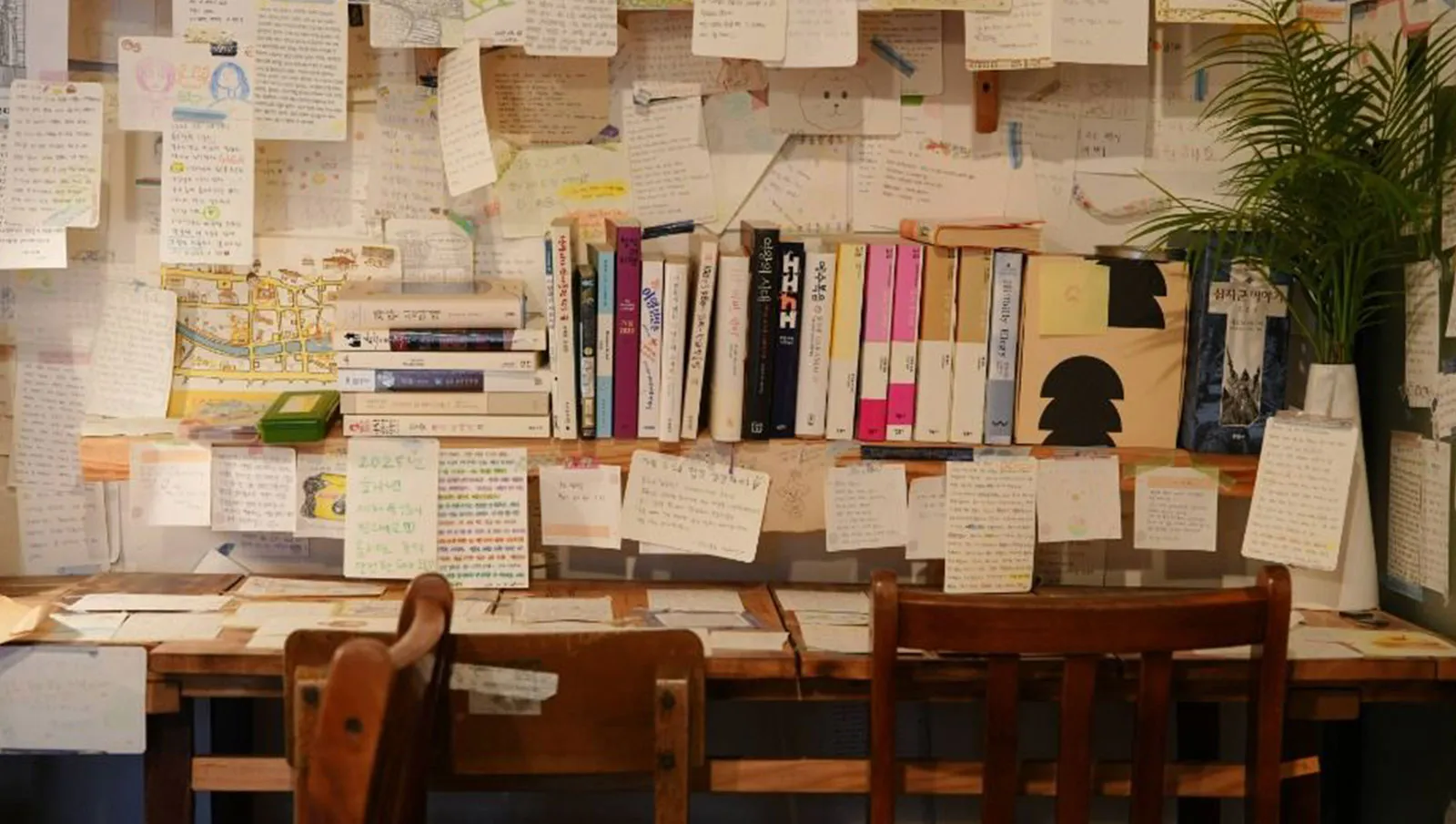
Quiet alleyways display murals and poetry, while turning down other lanes reveals small bookshops. These scenes emerged as Gongju became the base of operations for Ra Taejoo, one of Korea’s celebrated poets, leading to the establishment of various literature-related institutions and experience centers. Wandering these lanes, visitors might pause to savor a verse encountered by chance before stepping into a bookshop filled with travelers’ notes and memories. Peeking at the recollections others have left behind, then moving to another bookshop to mentally compare the two, the bookshop exploration continues. Eventually, emerging with a book that kept catching the eye, visitors add a literary fragrance to their Gongju memories.
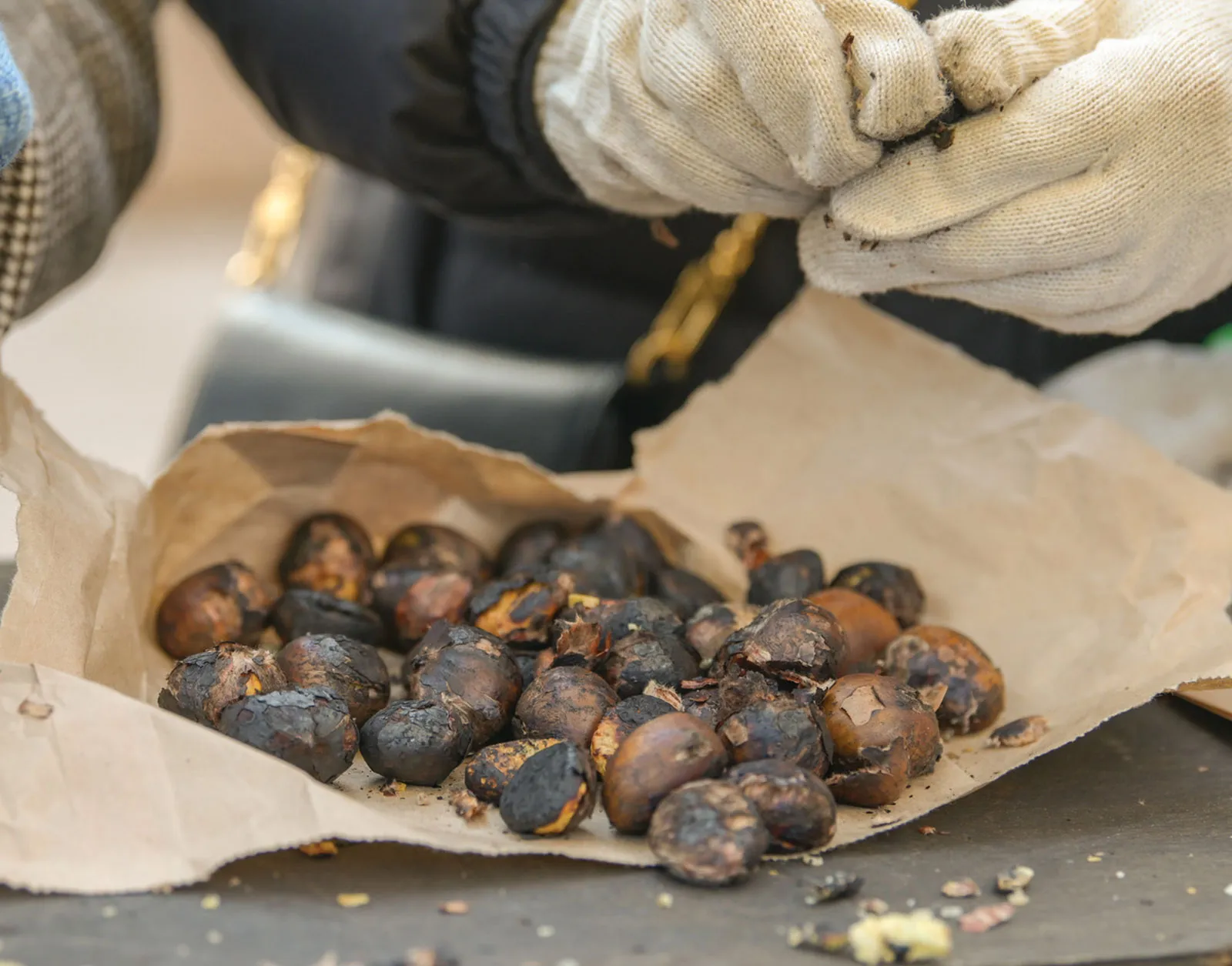
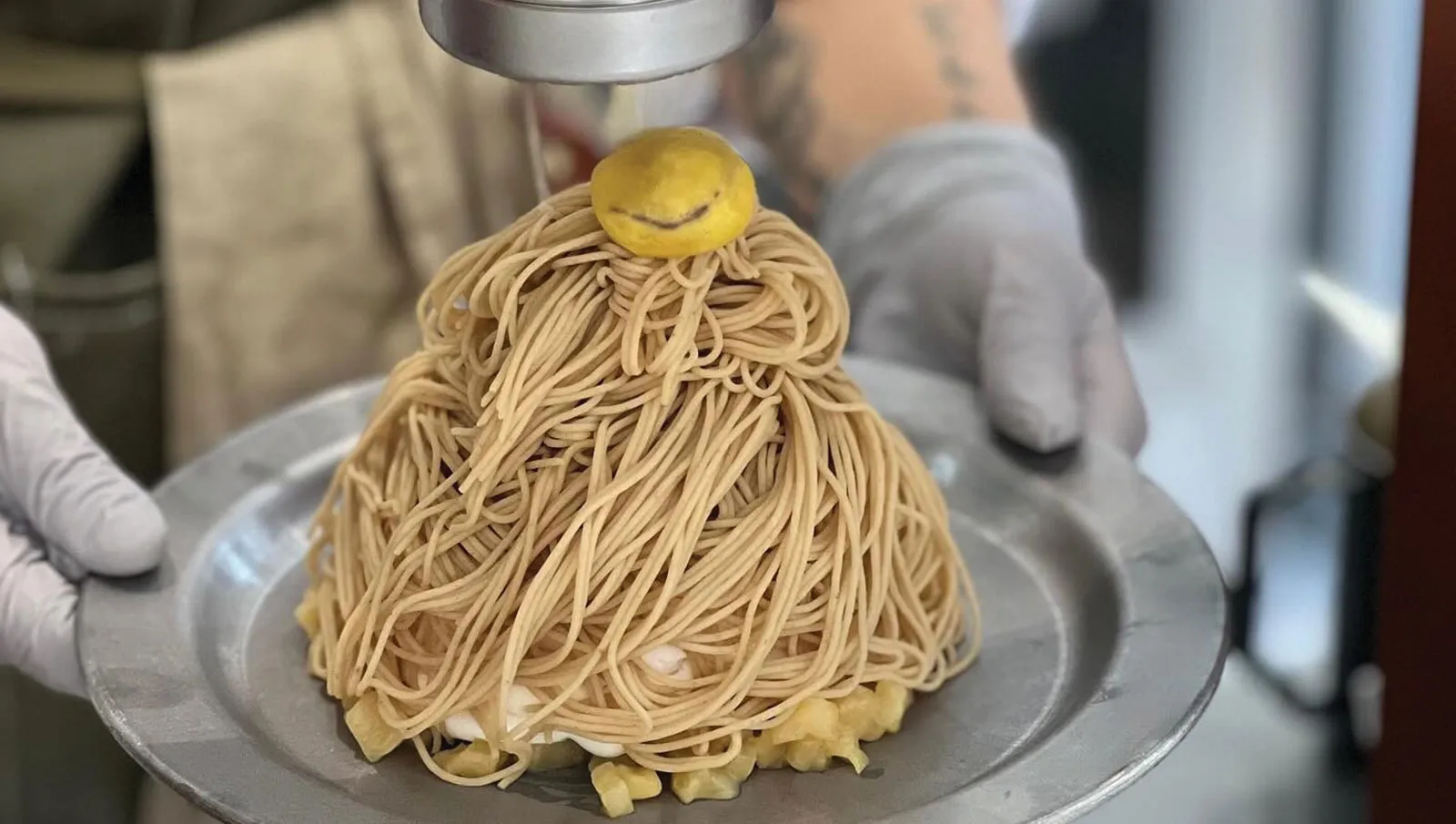
After visiting small galleries, workshops and trinket shops, walking nonstop brings a pressing need for rest. Entering a cozy cafe facing the stream, visitors are enveloped by the welcoming aroma of something sweet and nutty. Dormant appetites suddenly awaken and stretch. The menu overflows with chestnut cakes, baked goods, coffee, ice cream and more. Gongju is famous for its chestnuts, and year-round the city abounds with chestnut-based foods. From chestnut jelly, meat dishes, makgeolli (unrefined rice wine) and bibimbap (mixed rice with vegetables and meat) to tteok (rice cakes), ice cream, cookies and other small desserts—chestnuts appear everywhere. After careful deliberation, choosing the most tempting dessert, visitors settle in for a sweet interlude with their book.
On the journey home, replaying each moment spent in Gongju brings a renewed warmth to the heart. During this winter when breath turns white with each exhale, the time spent wandering endlessly through Gongju’s alleyways and the stories woven into them—too absorbed to notice the cold—feels precious beyond measure. Hoping the warmth of this winter day in Gongju will continue to heat the heart for a long time, the wait for the next season begins without impatience.
Festival
Sweet Times at the Winter Gongju Roasted Chestnut Festival
While visitors can find Gongju’s prized chestnuts at the Gongju Albam Center (Gongju Chestnut Center, which sells only local chestnuts), the fresh produce at Sanseong Market, and various restaurants and cafes throughout the city, there’s one special time each year dedicated to “playing with chestnuts”—the Winter Gongju Roasted Chestnut Festival held along the broad grounds by the Geumgang River.
The Winter Gongju Roasted Chestnut Festival, held annually in January or February, stands as Gongju’s premier winter celebration. True to its name, the festival offers programs centered on Gongju’s chestnuts that appeal to all ages.
Giant fire pits let visitors roast chestnuts themselves, while grill zones provide spaces to cook and eat chicken skewers and sausages. Hands-on workshops use chestnuts for crafts, and professional actors dressed as roasted chestnut vendors host impromptu games. Booths selling chestnut-related products fill the grounds, making this a festival worth visiting during any trip to Gongju.
The concurrent 2026 Korea Chestnut Industry Expo also offers enjoyable experiences. Though primarily a forum for discussing chestnut-related industries, it features tteok and bakery competitions highlighting chestnuts, cocktail shows using chestnut liquor and free tasting sessions.

- February 4–8, 2026
- Geumgang Singwan Park and Mireuseom Island surrounding area