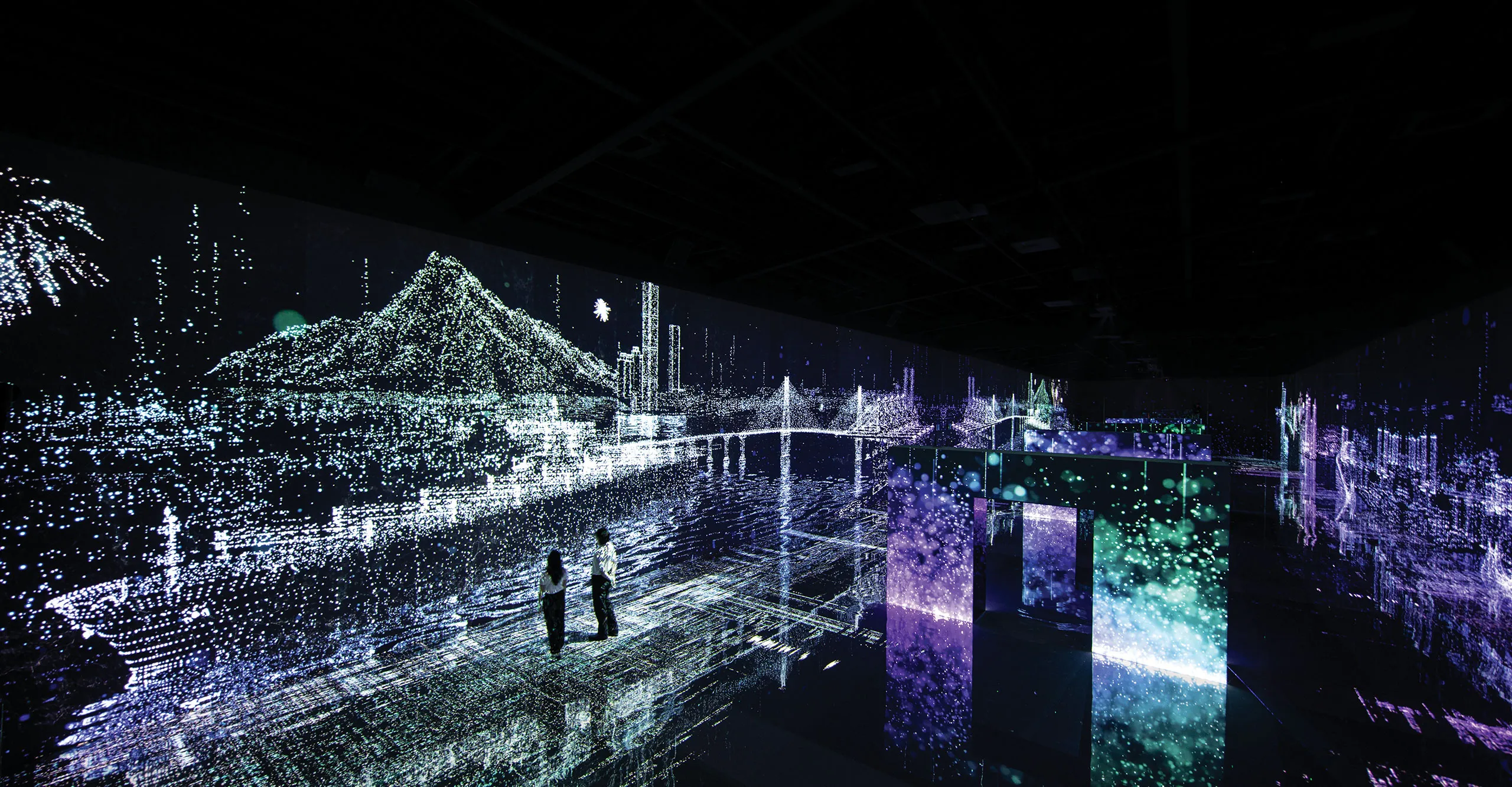
Picture yourself viewing art in a museum. Are you quietly contemplating works in the serene space of a white cube gallery? The reality of today’s museums looks quite different. Museums have become vibrant cultural spaces where trendy young people line up from early morning to experience and share their visits with others.
After the Philippe Parreno exhibition at the Leeum Museum of Art in 2024, the National Museum of Modern and Contemporary Art, Korea (MMCA) Seoul saw its Ron Mueck show draw over 500,000 visitors in just 90 days, averaging 5,590 people per day. Notably, 73% of attendees were in their 20s and 30s, reflecting a strong interest in museums among younger generations. The Australian hyperrealist sculptor attracted large audiences hoping to view 10 of his 48 known works assembled together. This overwhelming response led to catalogues and merchandise selling out rapidly, and MMCA’s membership numbers jumped to 70,000, a 4.5-fold increase compared to the previous year.
This phenomenon extends beyond blockbuster exhibitions. With 312 institutions nationwide participating in the Ministry of Culture, Sports and Tourism’s “Museum and Gallery Week,” museums have become cultural spaces people visit regularly. The pandemic’s restrictions on in-person viewing renewed appreciation for experiencing art firsthand, while social media’s culture of sharing exhibition experiences has established museum visits as a lifestyle choice that expresses cultural sensibility. Instagram overflows with hashtags like #museumtour and #exhibitionrecommendation, and exhibition spaces themselves are consumed as “experiential content.” While movie-going was Koreans’ primary cultural activity before the pandemic, exhibition attendance has now surpassed cinema visits.
From K-pop to K-museums:
Korea’s Cultural Evolution
Editor-in-chief of Monthly Art magazine
Museums in Korea have evolved beyond spaces for appreciating art and culture into trendsetting hubs of cultural consumption. Long queues for popular exhibitions and social media feeds flooded with museum selfies tell the story. This shift reflects changing post-pandemic consumption patterns, the rise of social media sharing culture and experiential content, and the explosive growth of K-culture. Today, Korean museums have become key platforms not just for viewing art, but for generating and spreading contemporary cultural trends.
K-museums:
A New Platform for K-culture
Architecture and Museums:
A Symbiotic Relationship
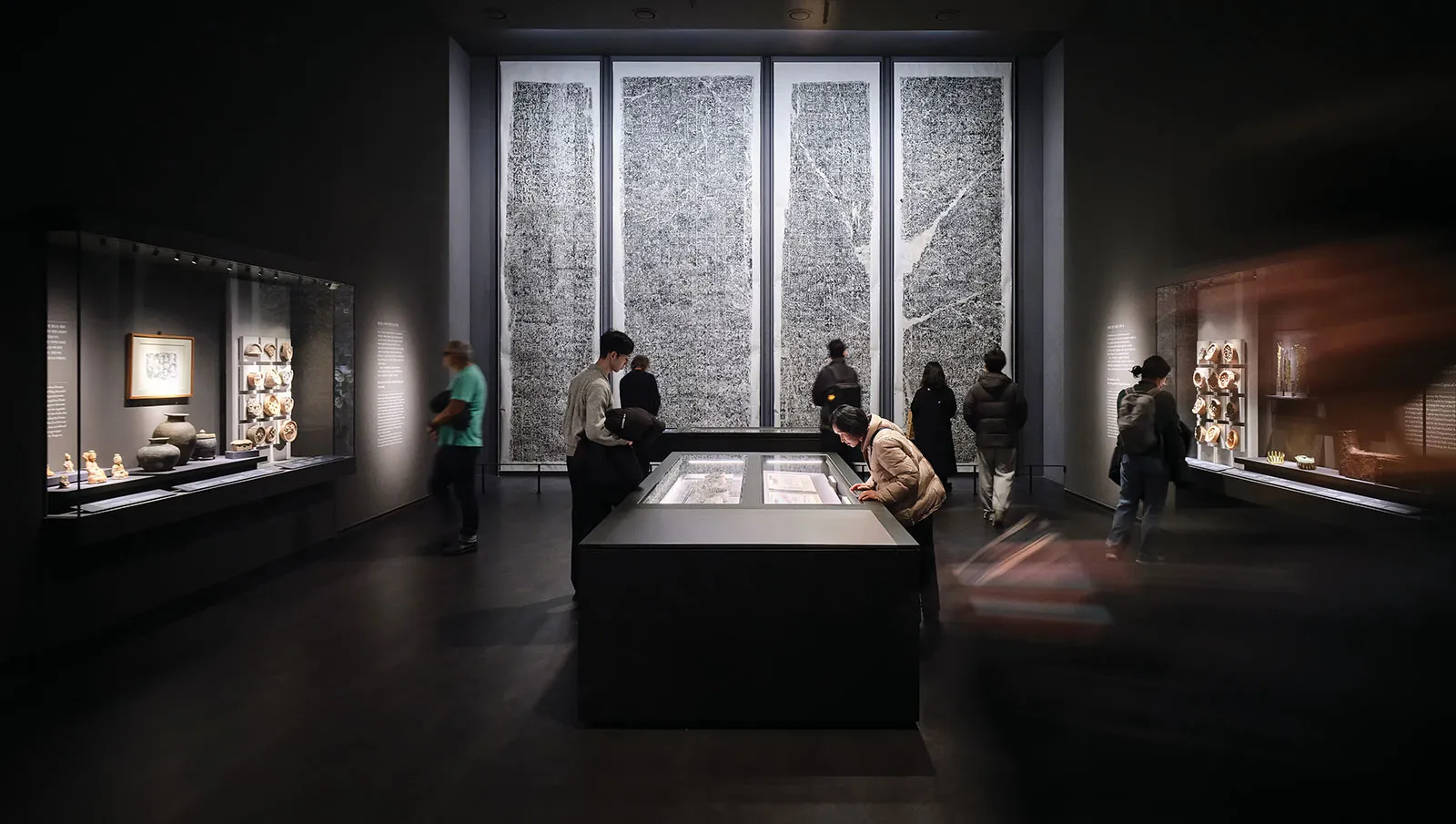
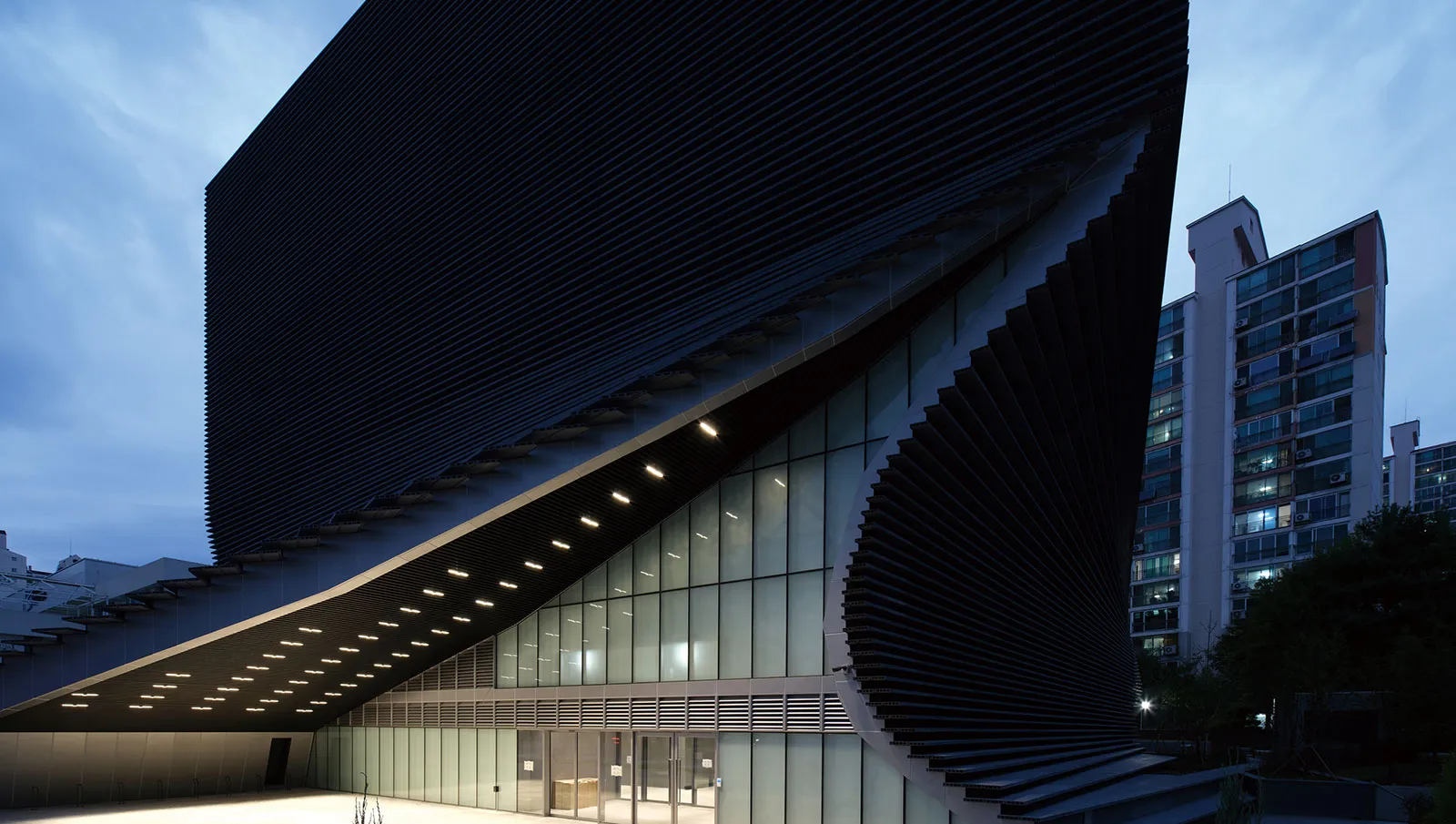
Architecture and space have also become major draws for museum visits. Iconic museums by world-renowned architects—such as Frank Gehry’s Guggenheim Bilbao, Jean Nouvel’s Louvre Abu Dhabi and Frank Lloyd Wright’s Guggenheim in New York—have become integral to the art experience itself. Similarly, Korean museums are gaining recognition for their distinctive architectural language.
The Seoul Museum of Craft Art transformed the old Pungmoon Girls’ High School building, centering its design around a 400-year-old ginkgo tree to preserve the land’s memory while bridging past and present. Futura Seoul, a futuristic art space nestled among Bukchon’s Hanok (traditional houses), won the 2025 Seoul Architecture Award Grand Prize for its bold fusion of tradition and modernity. With its white exterior and curved design, the building stands like a sculpture, creating visual contrast with its surroundings and offering a fresh visual experience.
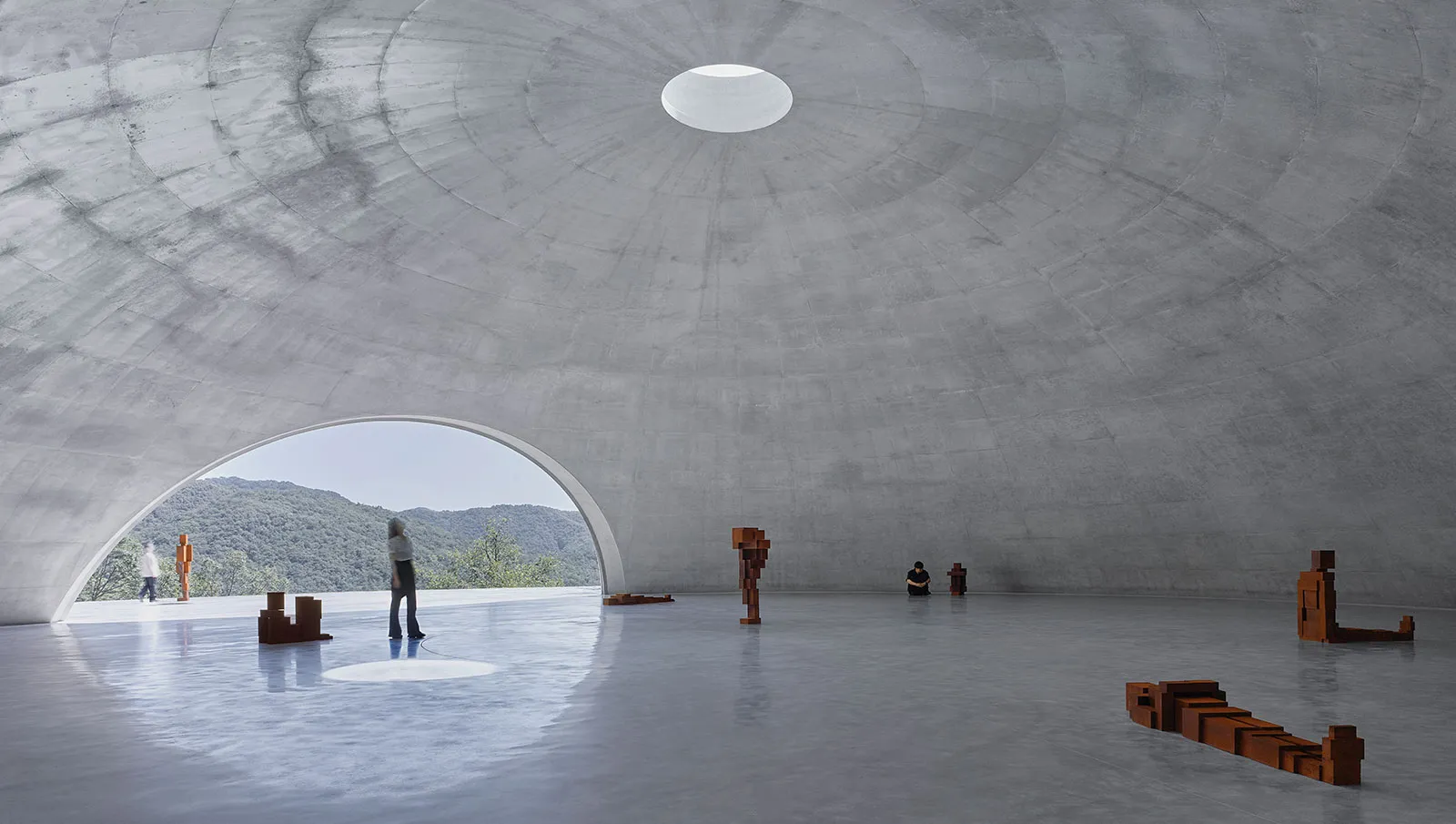
This trend is spreading beyond Seoul. Museum SAN, designed by Tadao Ando, sits 720 meters above sea level in Wonju, Gangwon-do Province, showcasing the harmony of architecture and art through exposed concrete and natural light. In June 2025, it unveiled the world’s first permanent Gormley gallery, “Ground,” created in collaboration with British sculptor Antony Gormley. The massive 25-meter-diameter dome features a circular skylight that illuminates steel human sculptures with changing natural light throughout the day, creating “site-specific art” where architecture, sculpture and nature breathe as one. The Gyeongju OAR Contemporary Art Museum, designed by architect Hyunjoon Yoo and located near burial mounds from the Silla Kingdom (57 BCE–935 CE), presents a “dialogue between tradition and modernity” as an “architecture embracing ancient tombs,” with frameless glass windows that reframe the burial mounds as panoramic paintings.
People often post photos of museum exteriors and interiors on social media before they even see the exhibitions, simply enjoying the spaces themselves. With renowned architects designing museums nationwide, these buildings have become important new landmarks in their regions.
Technology and Immersion: Changing Exhibition Formats
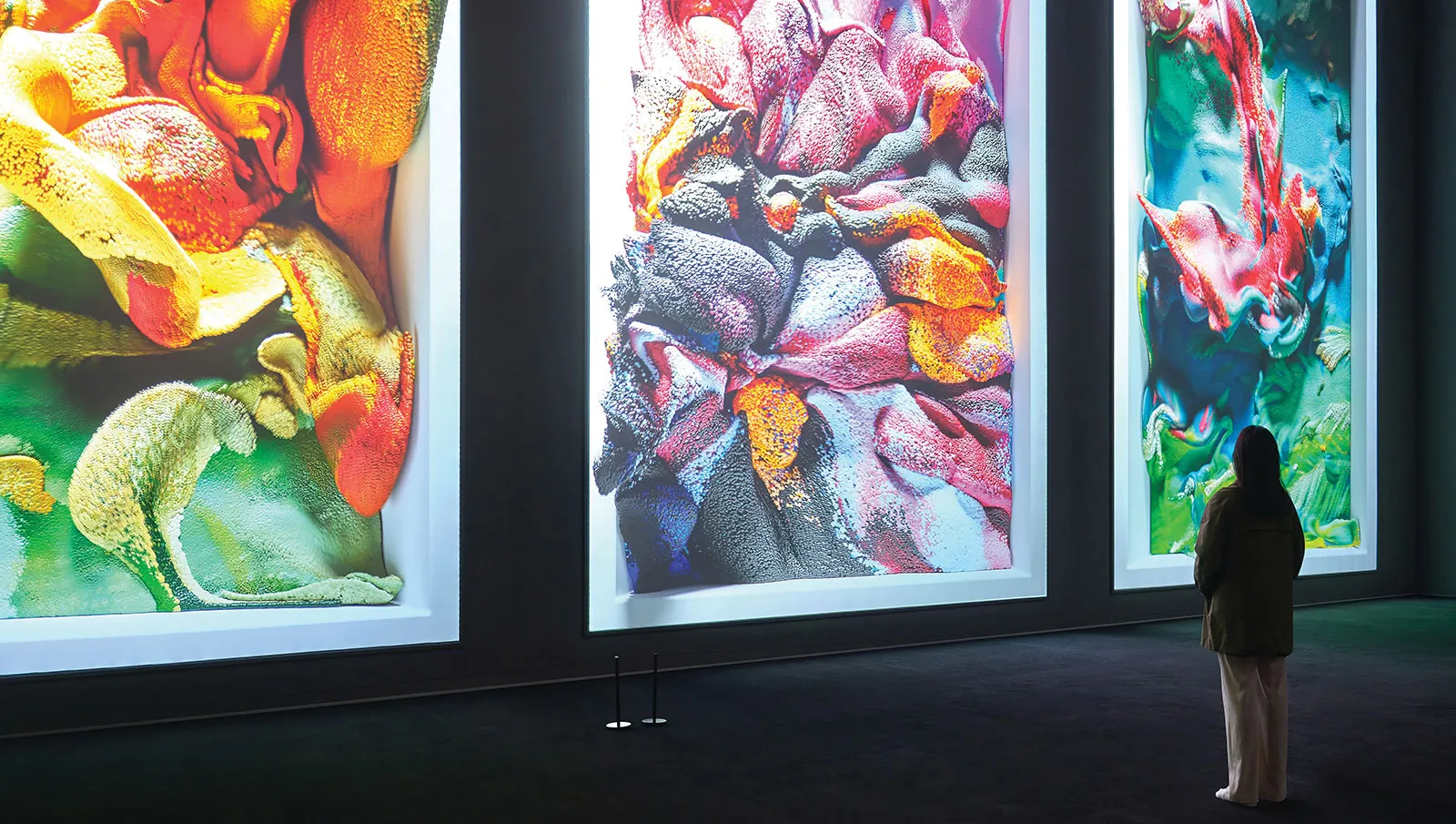
Exhibition content and formats are evolving rapidly. Immersive exhibitions using AI and interactive technology have become commonplace. Refik Anadol’s work in Futura Seoul’s opening exhibition used AI media art based on large-scale natural models, creating constantly transforming visual environments that drew visitors into a sensory realm where data and nature intersect.
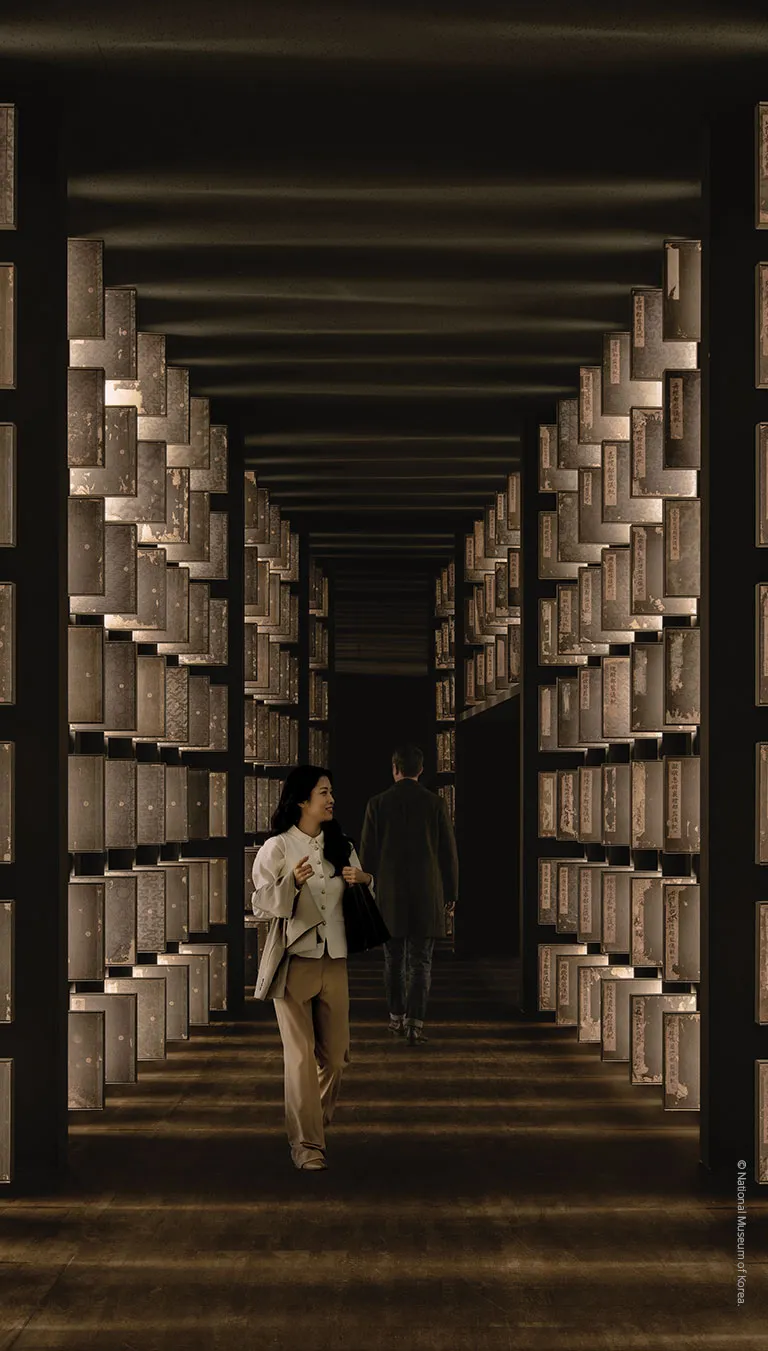
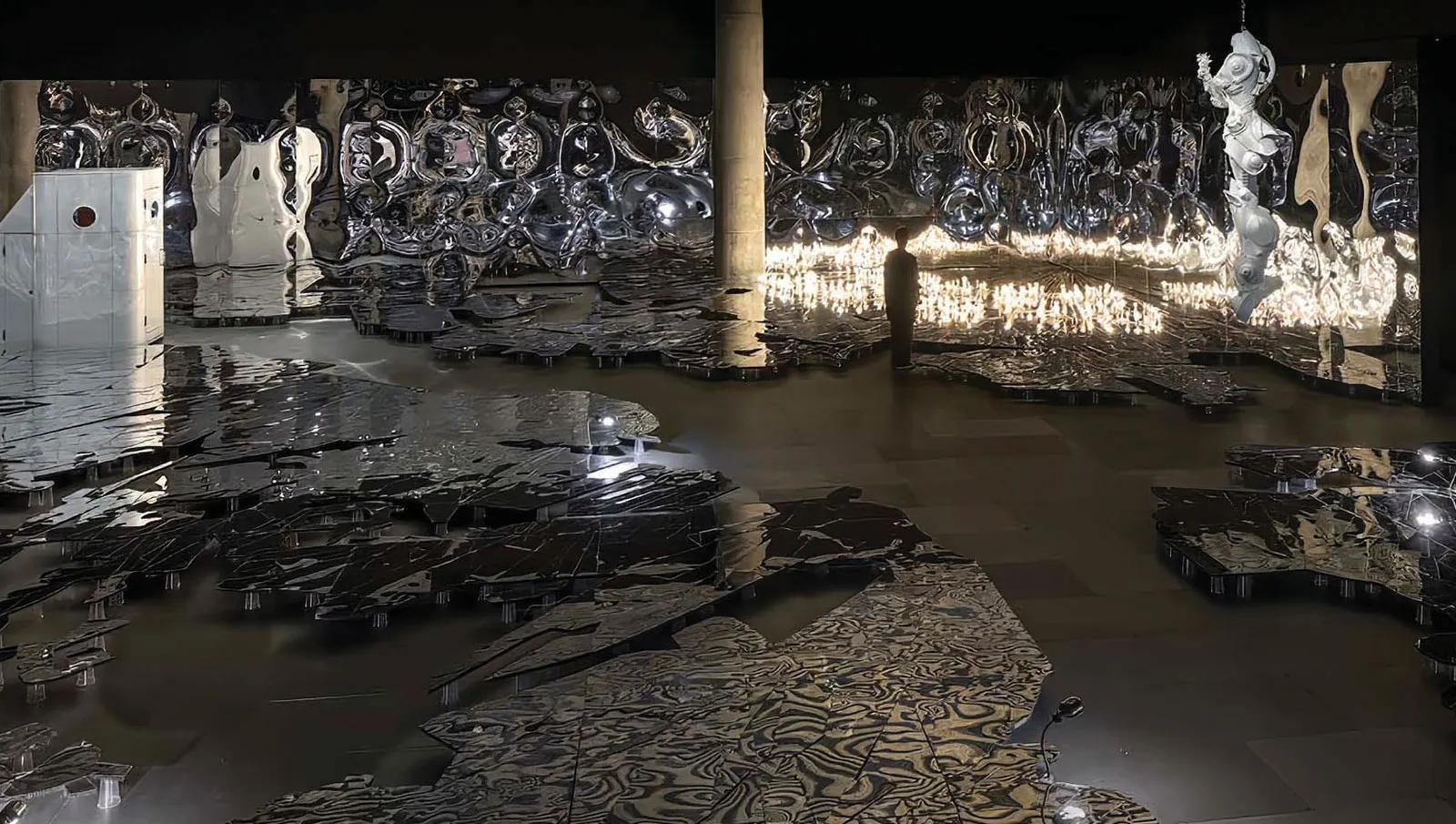
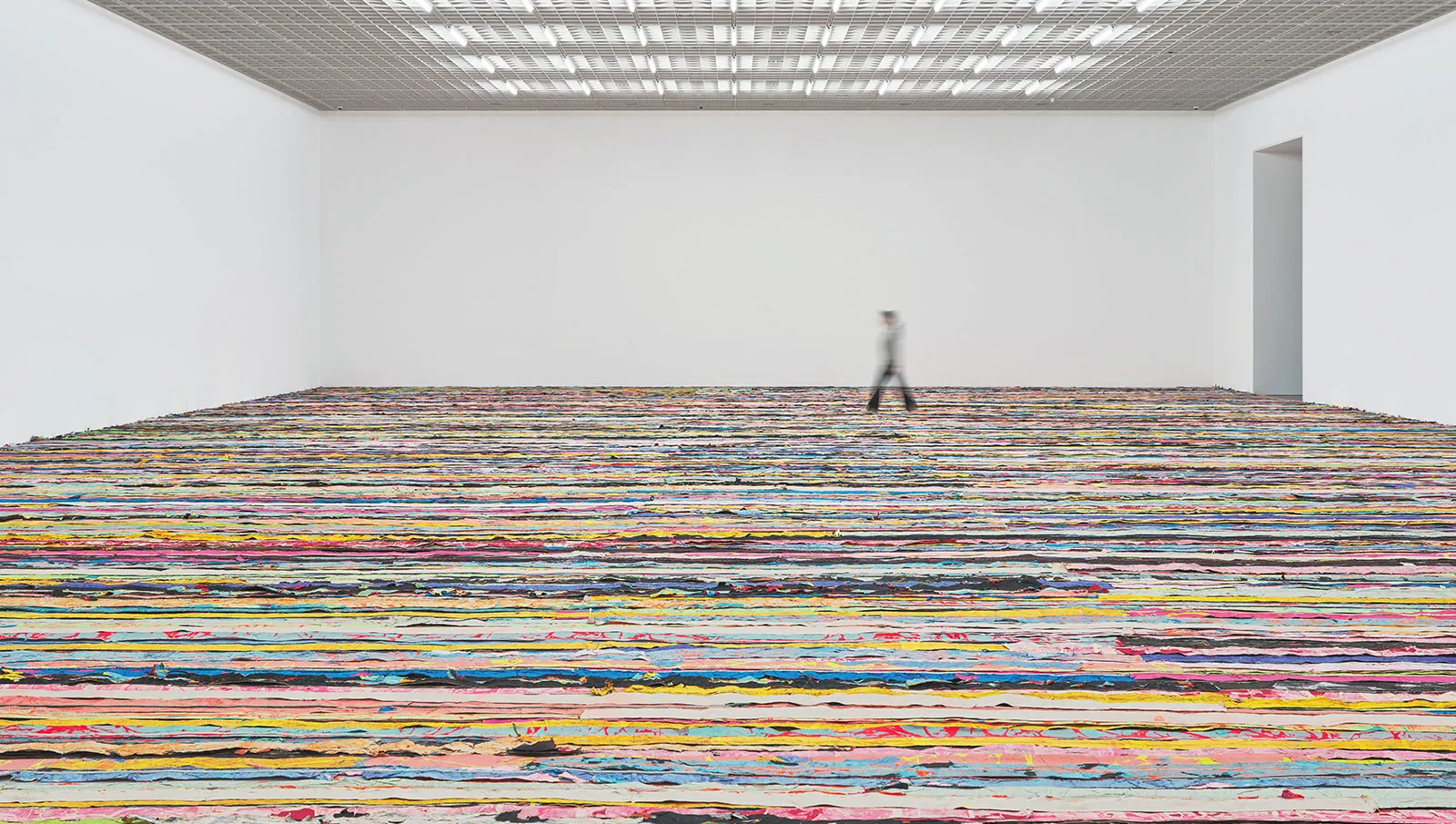
Exhibition curation is evolving as well. Linear arrangements where visitors view paintings hung on walls in sequence are no longer effective. Exhibitions now offer “experiences” where entire spaces feel like living organisms, going beyond mere “viewing.” The National Museum of Korea’s “Room of Quiet Contemplation” is a 439-square-meter independent exhibition space designed with a floor tilted at one degree and a dark, quiet entrance corridor to create an immersive experience of two National Treasure Pensive Bodhisattva statues. Since opening in 2021, it has attracted 3.41 million visitors, establishing itself as a space for meditation and healing.
From Spectators to Participants: Engagement and Ownership
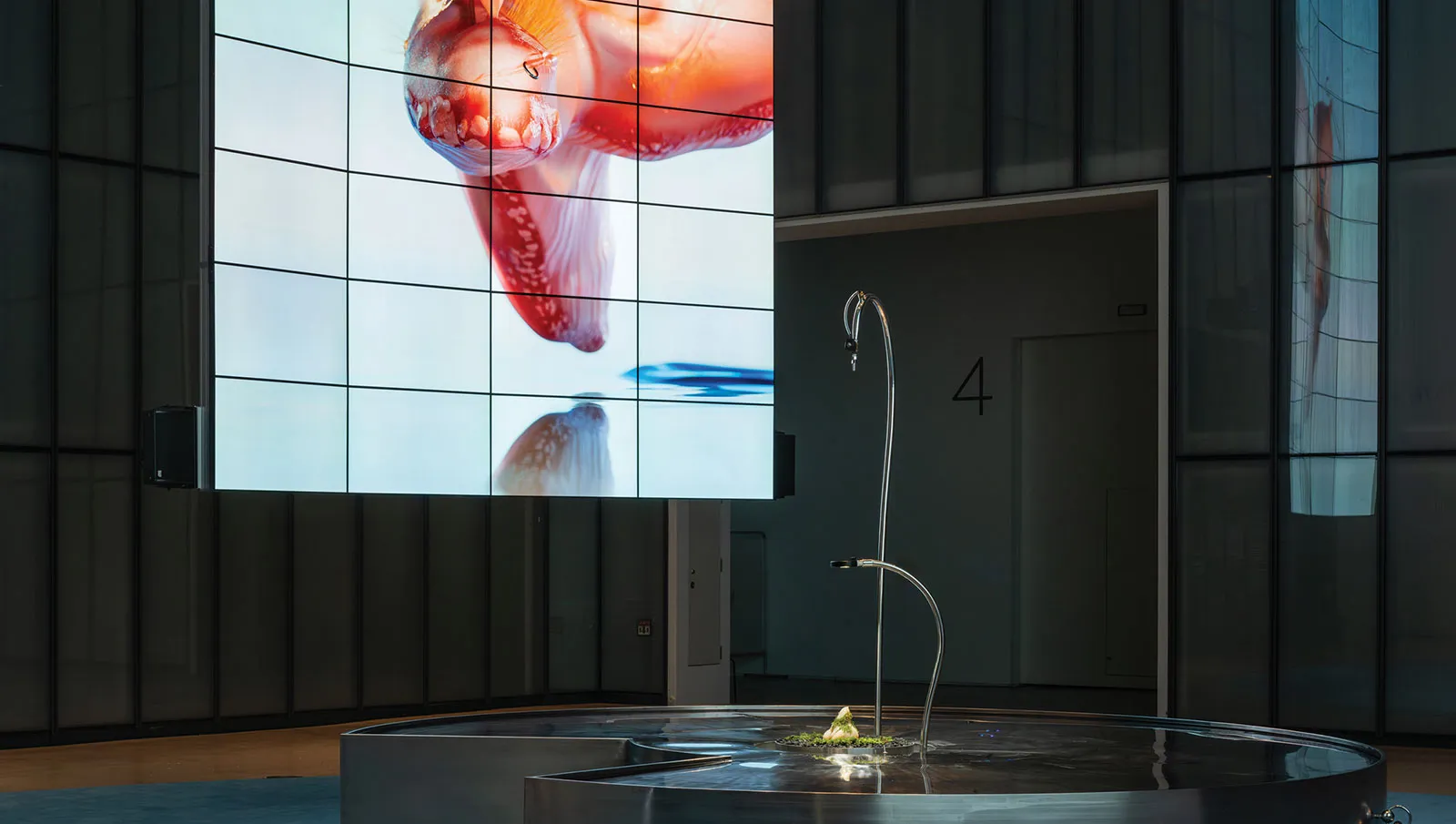
Modern museum experiences go beyond simple observation; interactive works powered by new technology invite visitors to actively engage with the art. For example, Kwon Hayoun’s “The Guardians of Jade Mountain,” featured in MMCA’s “Korea Artist Prize 2024,” is a VR installation where participants wear headsets to explore virtual environments. Outside the exhibition space, their movements are transformed into shadow theater, creating a layered experience. Likewise, the teamLab “LIFE” show at Dongdaemun Design Plaza (DDP) illustrated the shift from passive viewing to immersive participation, using responsive environments that react to the presence and actions of each visitor.
Museum shops have also become an essential part of the experience. Buying merchandise has become a must-do museum activity. Museum goods like the National Museum of Korea’s miniature Pensive Bodhisattva and magpie-tiger badges, or Leeum Museum’s “amulet ramie pollack,” have evolved beyond souvenirs into “healing items” for the young generation and means of expressing cultural identity. The “Museum X Stroll” program, which offers tours of regional museums with expert guides, appeals to visitors seeking deeper viewing experiences, while MMCA creates a cultural community hub through programs like “MMCA Market” and “MMCA Night.” Korean museums are transforming from places that “display” works into complex cultural spaces where visitors “participate,” “own,” and “experience.”
Charting a Bold Future
Following the global success of K-pop and K-dramas, K-art and K-museums are emerging as the next wave of Korean cultural exports. Korea’s distinctive blend of tradition and modernity in architecture, technology-driven experimental exhibitions, and deeply participatory visitor experiences are creating a dynamic museum model that’s uniquely Korean. These institutions have moved from the cultural periphery to the center of daily life, offering new ways of experiencing art and expanding the boundaries of what museums can be. As they continue to evolve, Korean museums aren’t just following global trends—they’re helping define the future of museum culture worldwide.
The museum reinterprets Busan’s identity as a city where mountains and the sea coexist. Through large-scale media art combined with sound and scent, it offers visitors a new, immersive exhibition experience. © ARTE MUSEUM.