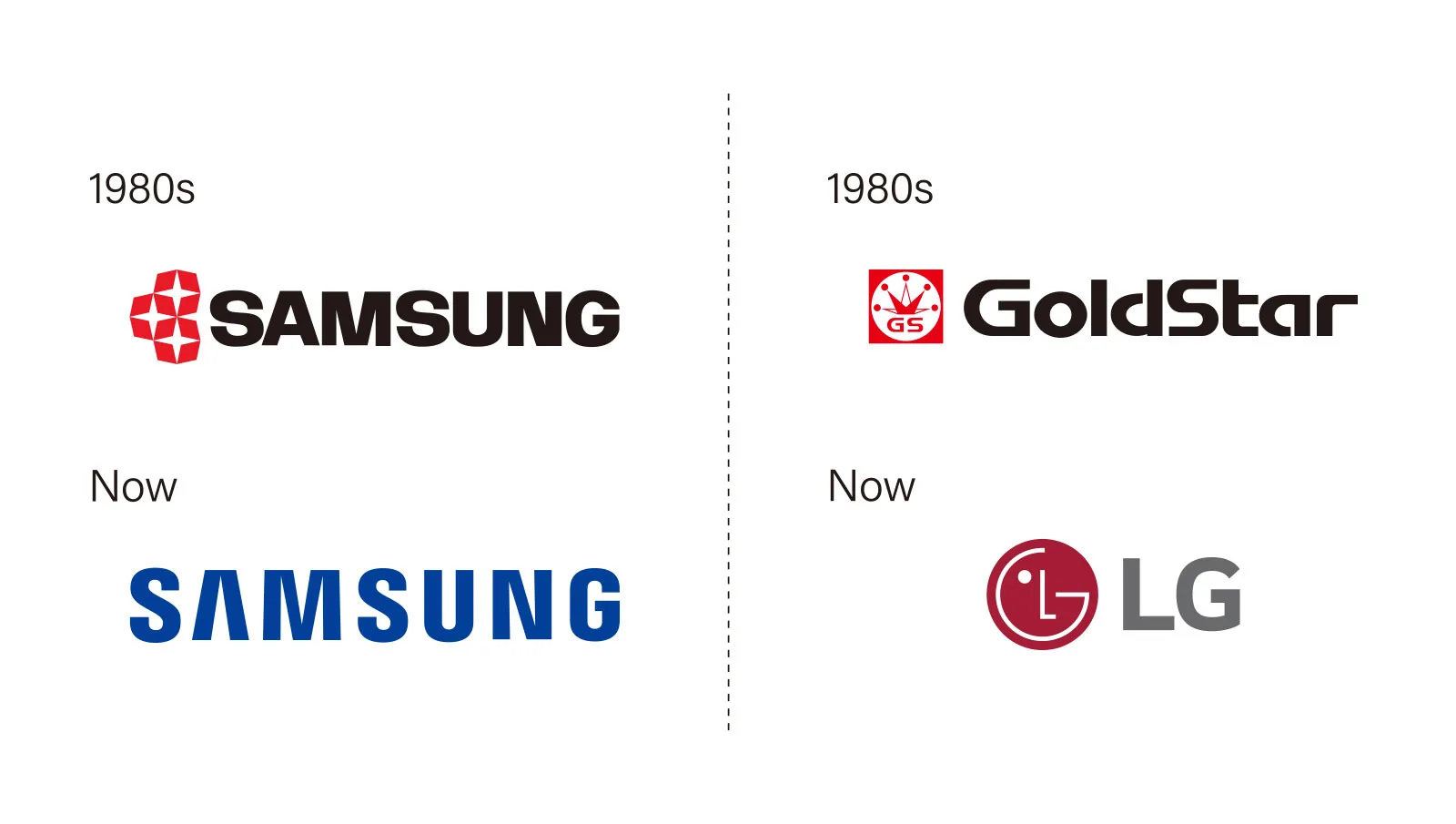
After the devastation caused by the Korean War (1950-1953), Korea had little more than small-scale cottage industries. There was no distinct technology or established networks. Simply keeping pace with global technology was a struggle. The story begins with Goldstar, founded in 1958 and the predecessor of today’s LG Electronics. Engineers bought foreign-made radios and TVs, took them apart, and painstakingly hand-drew circuit diagrams to understand how they worked. When something failed, they dismantled it again and drew the diagrams anew. Through this relentless process of trial and error, Korea produced its first radios and TVs, igniting the nation’s electronics industry.
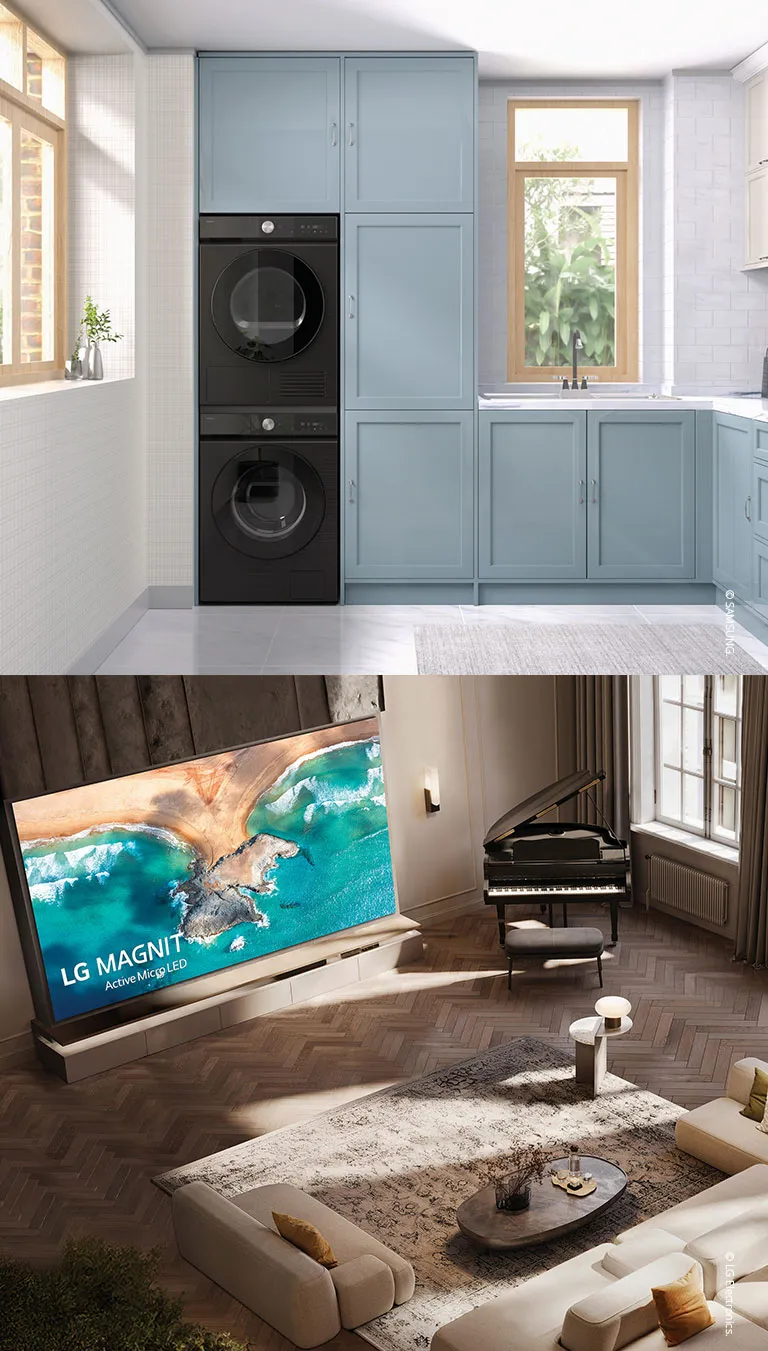
Government-driven heavy and chemical industry policies, combined with an aggressive export push, sent Korea’s home appliance industry into a period of rapid growth throughout the 1980s and 1990s. Led by Samsung Electronics and Goldstar (now LG Electronics), the industry built mass production systems and brought color TVs, refrigerators and washing machines to the mainstream. OEM exports surged, and Korean appliances established a firm presence in global markets.
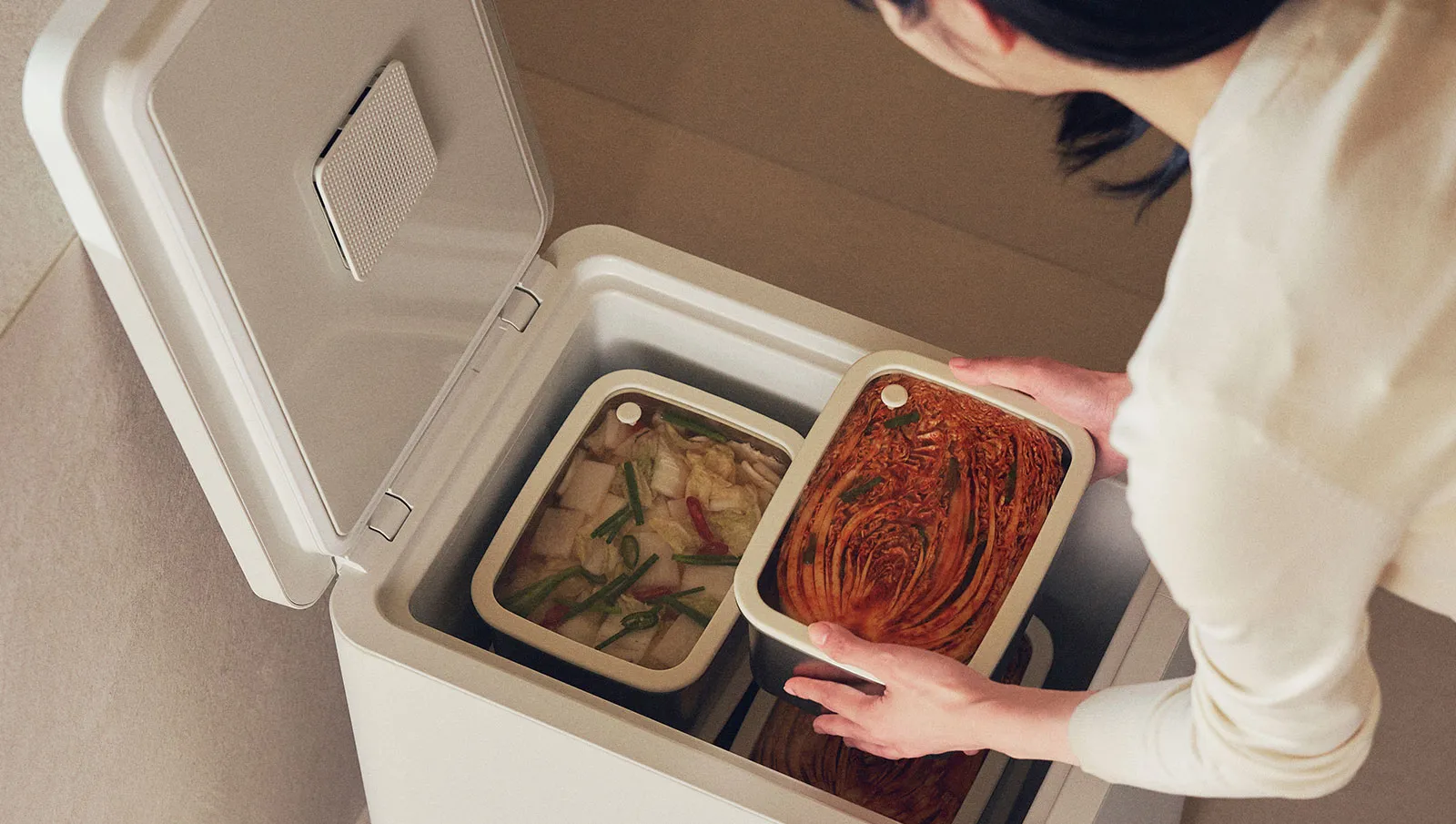
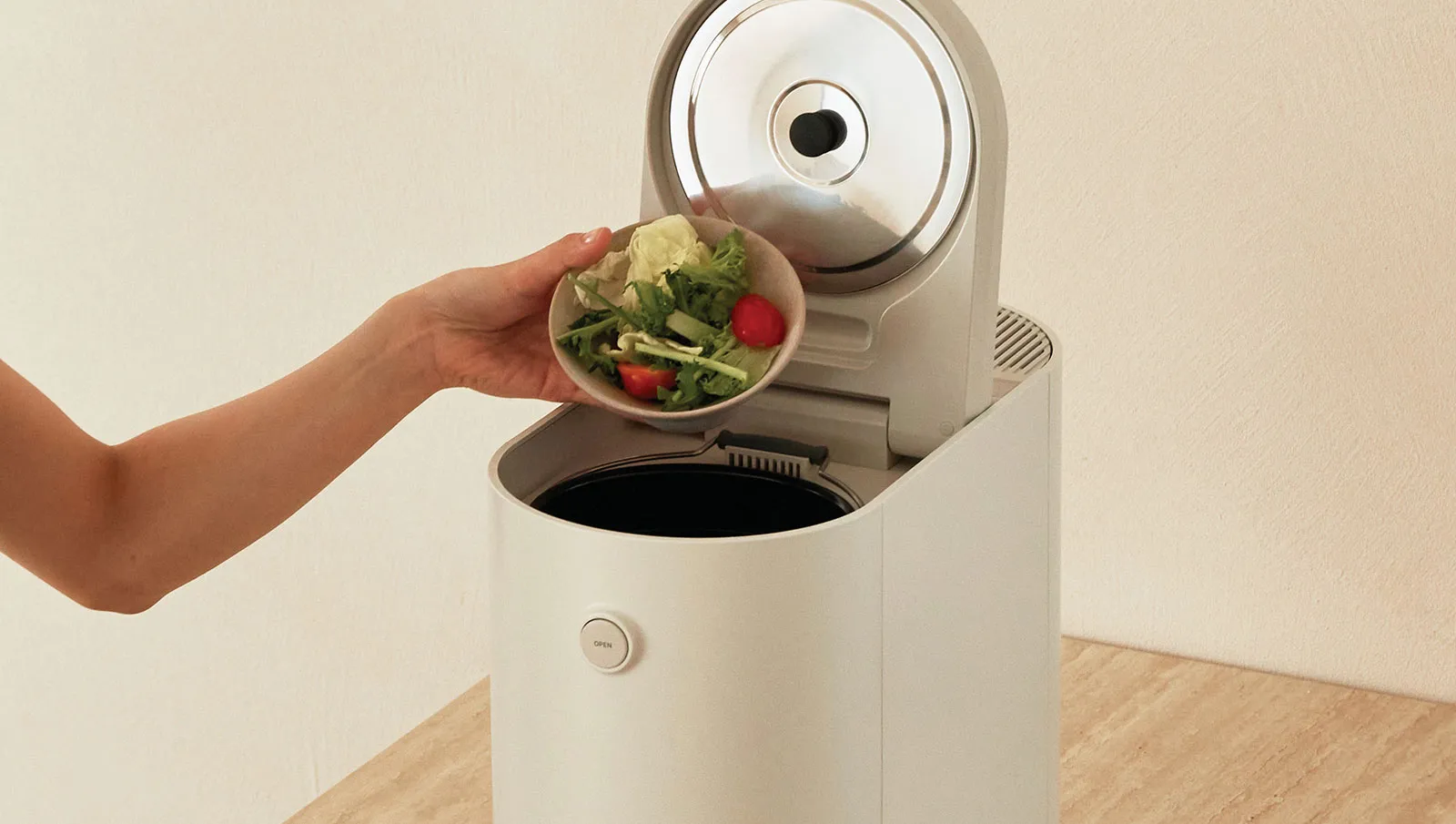
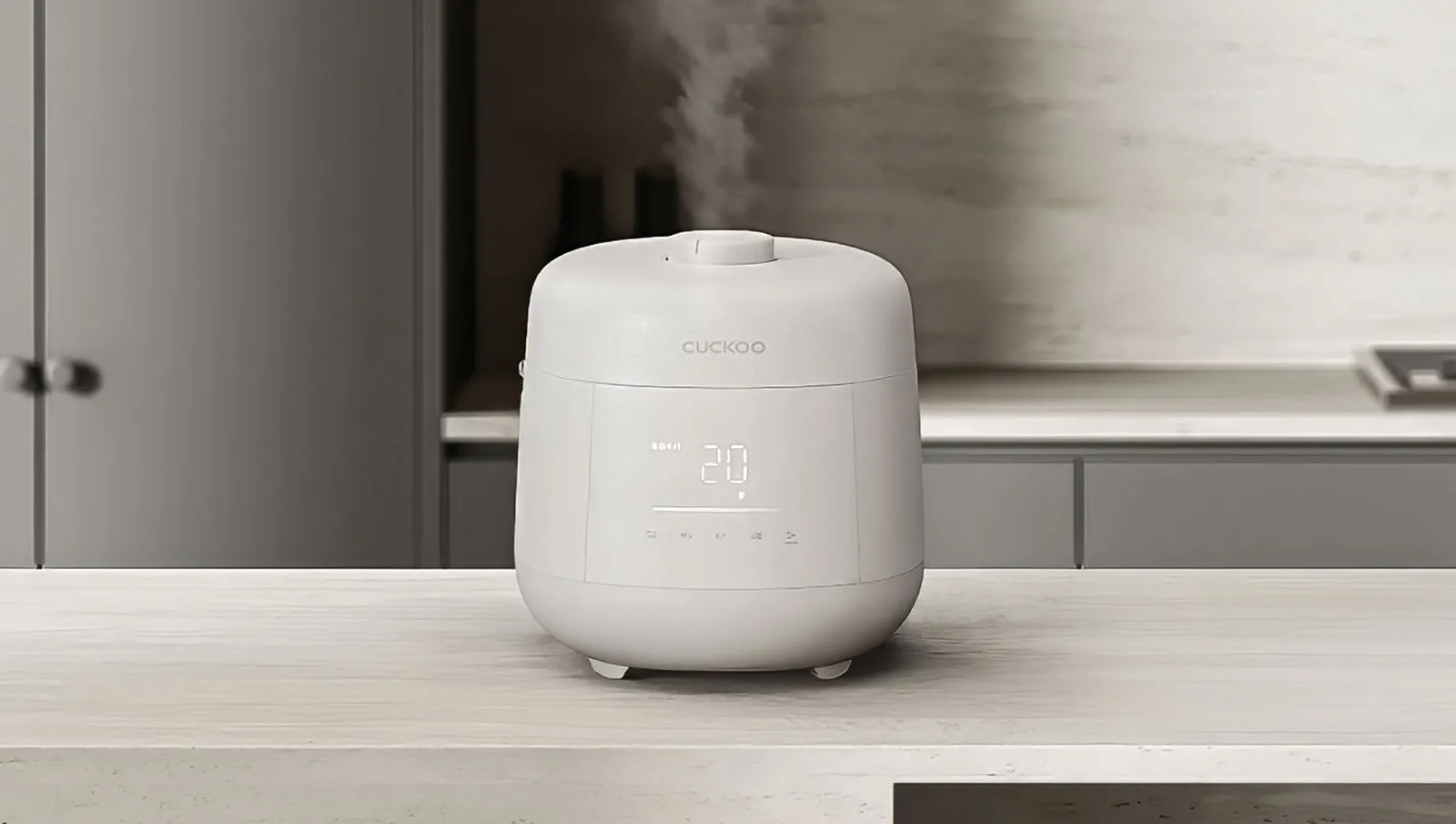
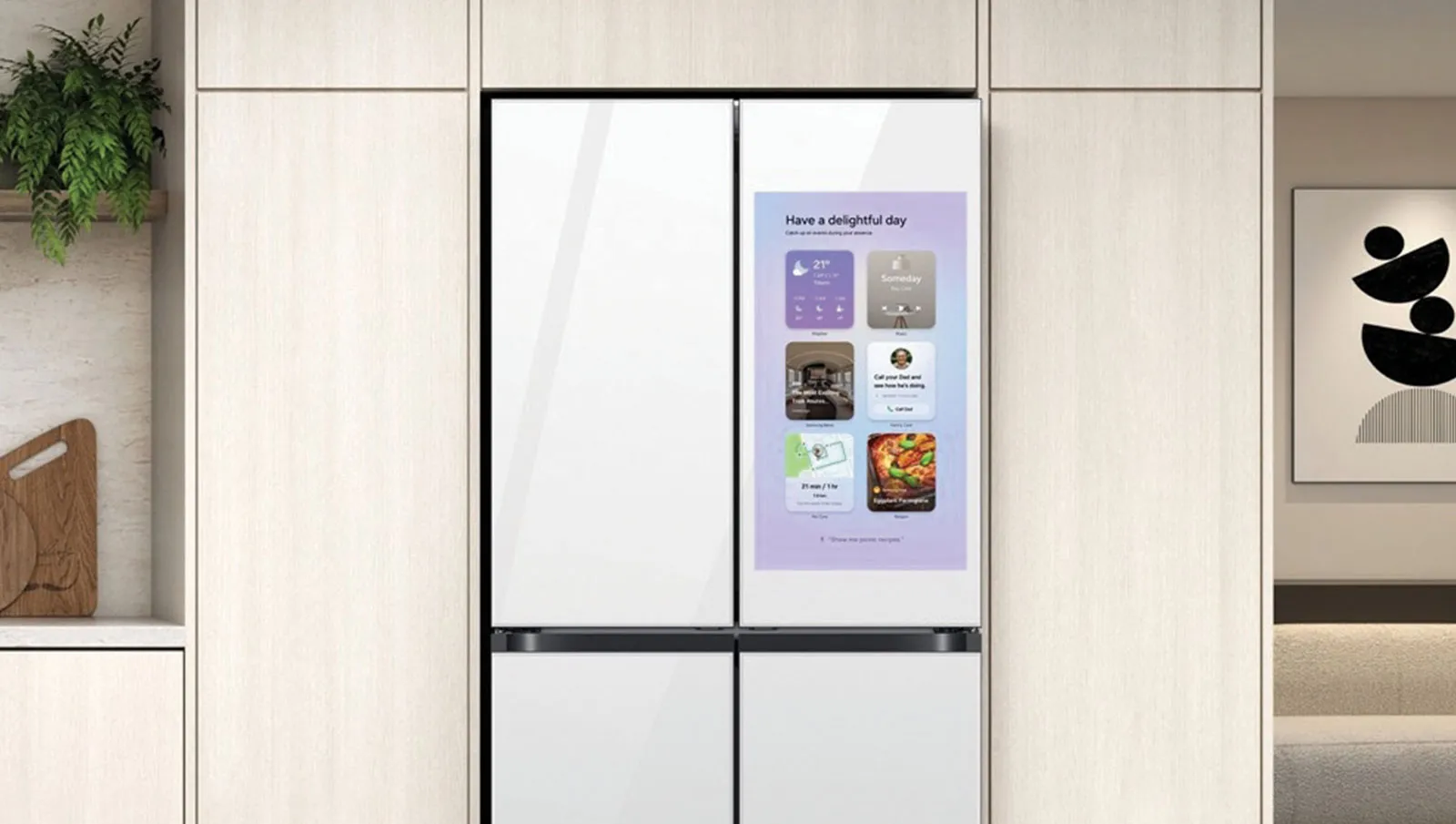
The 2000s brought a shift toward premiumization and smart technology. High-end products like drum washing machines and French-door refrigerators led the market, while smart appliances emphasizing energy efficiency, design and user experience (UX) began to emerge. From the 2020s onward, the industry evolved once again around AI and platforms. Smart home ecosystems—featuring personalized laundry cycles, refrigerator management and app and cloud integration—are now driving the next paradigm shift. According to the Korea Intellectual Property Research Institute, the growth rate of trademark applications for smart hygiene appliances and kitchen appliances over the past decade (2014–2024) reached 75.3% and 71.0%—a clear signal that AI and internet of things (IoT) are becoming the core technologies of the home appliance industry.