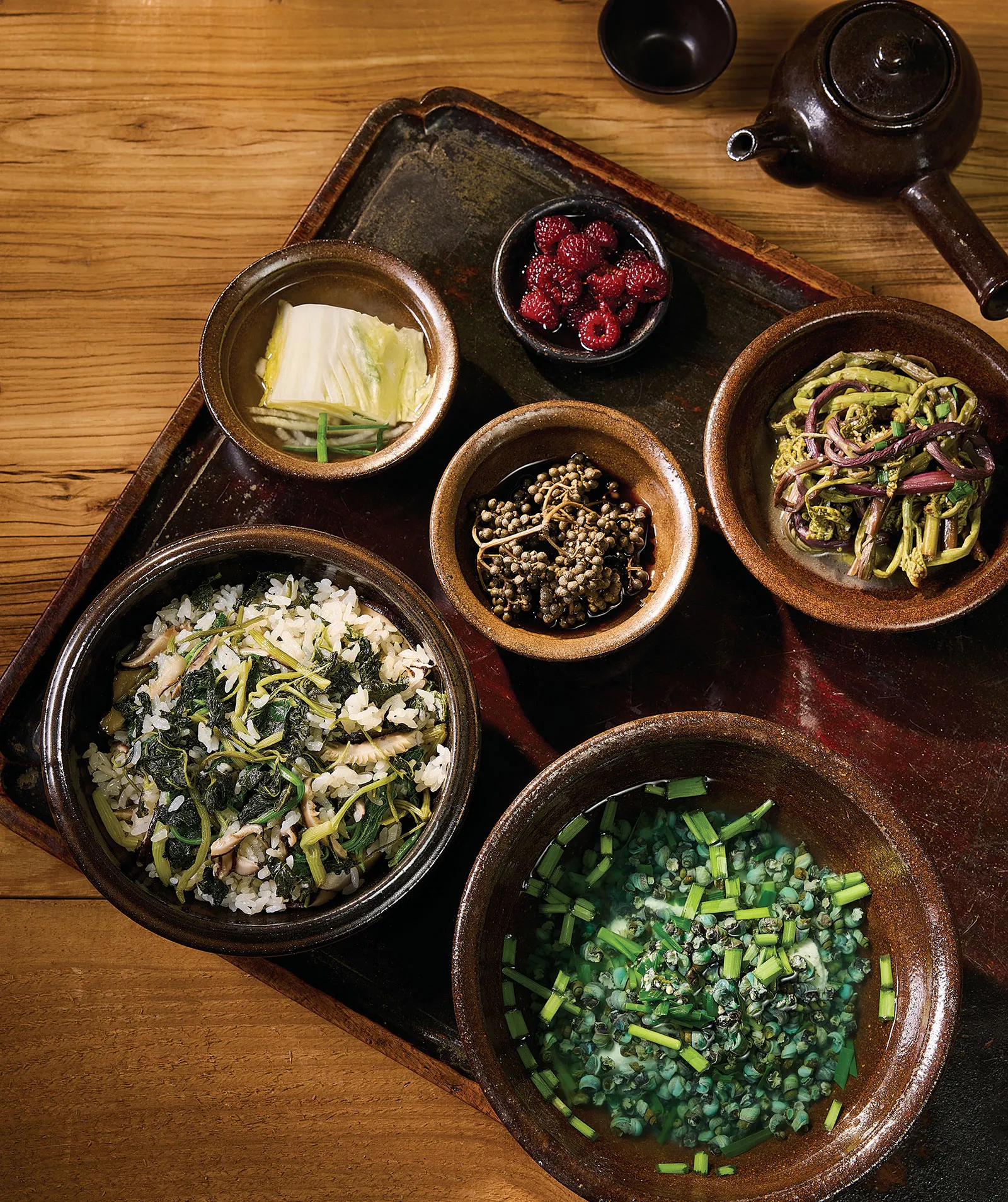
The Joseon Dynasty holds many dramatic stories. Among them, few are as heartbreaking as that of King Danjong: a boy who became king, only to be stripped of his throne in a coup and exiled to a mountain village in Gangwon-do Province. “The King’s Warden” takes this history as its foundation and imagines the four months King Danjong spent in exile before his death by poison, told with warmth, humor and a touch of creative license.
With his loyal subjects dead and himself powerless to change any of it, King Danjong was sent to Cheongnyeongpo Meandering Stream in Yeongwol-gun County, Gangwon-do Province, a deep mountain hamlet ringed by jagged peaks and winding valleys, reachable only by raft. The village head, hoping that hosting a man of high rank might bring some benefit to his community, lobbied to take the king in. But the broken, despairing King Danjong wanted nothing more than to die, and his condition only worsened.
What finally loosened the lock on King Danjong’s heart, and transformed the village head’s calculated hospitality into something more like a genuine bond, was a simple meal. White rice, rabbit meat, a few side dishes made with sancho (prickly ash) and other mountain herbs, and a bowl of soup. But the story behind each dish was anything but ordinary: daseulgi (marsh snail) foraged by the village head, a soup made by someone’s careful hands, santtalgi (Korean raspberry) picked gently by a child from the mountainside, a precious root of wild ginseng offered up by a village father who had treasured it. Every item on that table was filled with genuine worry for a man who had stopped eating. Hearing these stories, King Danjong gradually began to engage with the villagers, to share meals and slowly heal.
The King’s Table
Daseulgiguk and Eosuribap
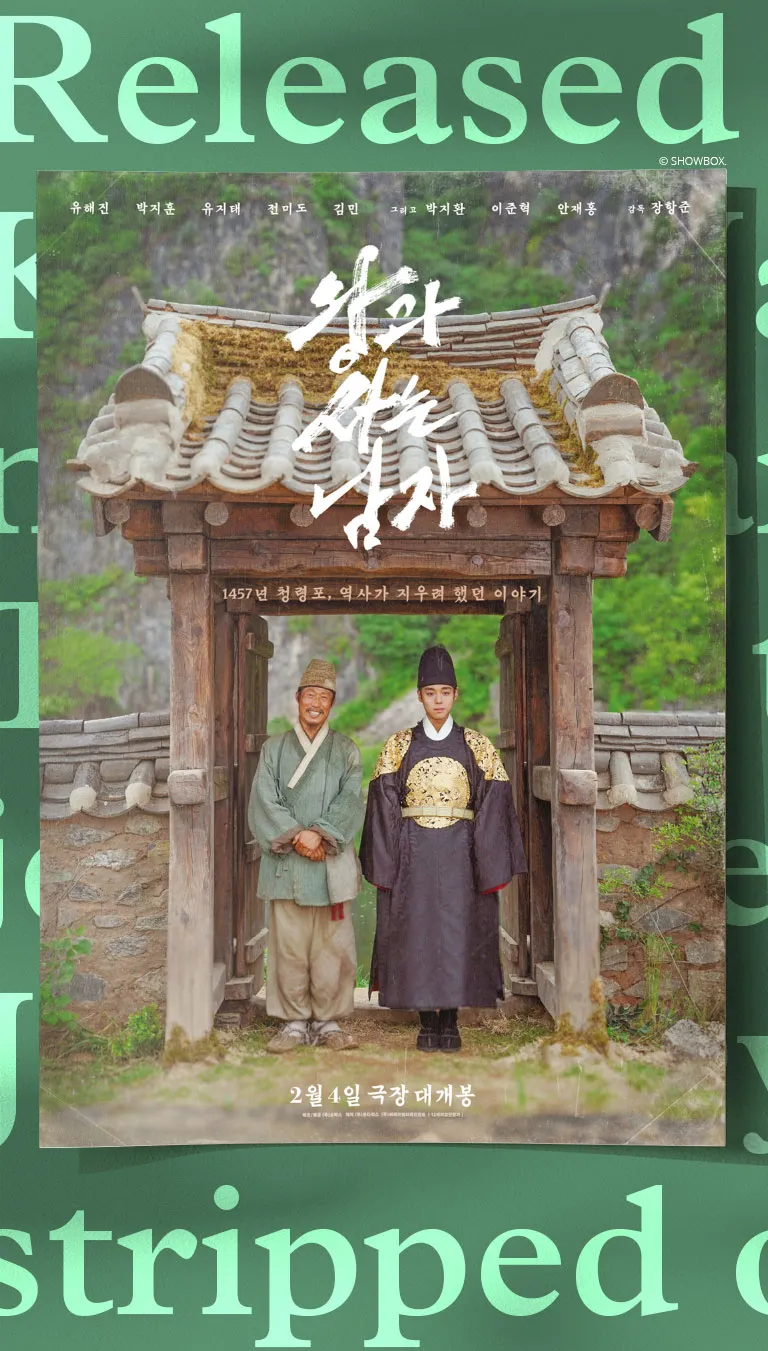
Released last February, “The King’s Warden” has drawn more than 16.7 million viewers. The film tells the story of Danjong—the sixth king of the Joseon Dynasty (1392-1910), stripped of his throne and exiled to a remote village amid a bloody coup—and the villagers who take him in. Driven from a vicious court with his body and spirit broken, what brings him back to life is the wholehearted care of the people around him, carried in nothing more than a warm meal.
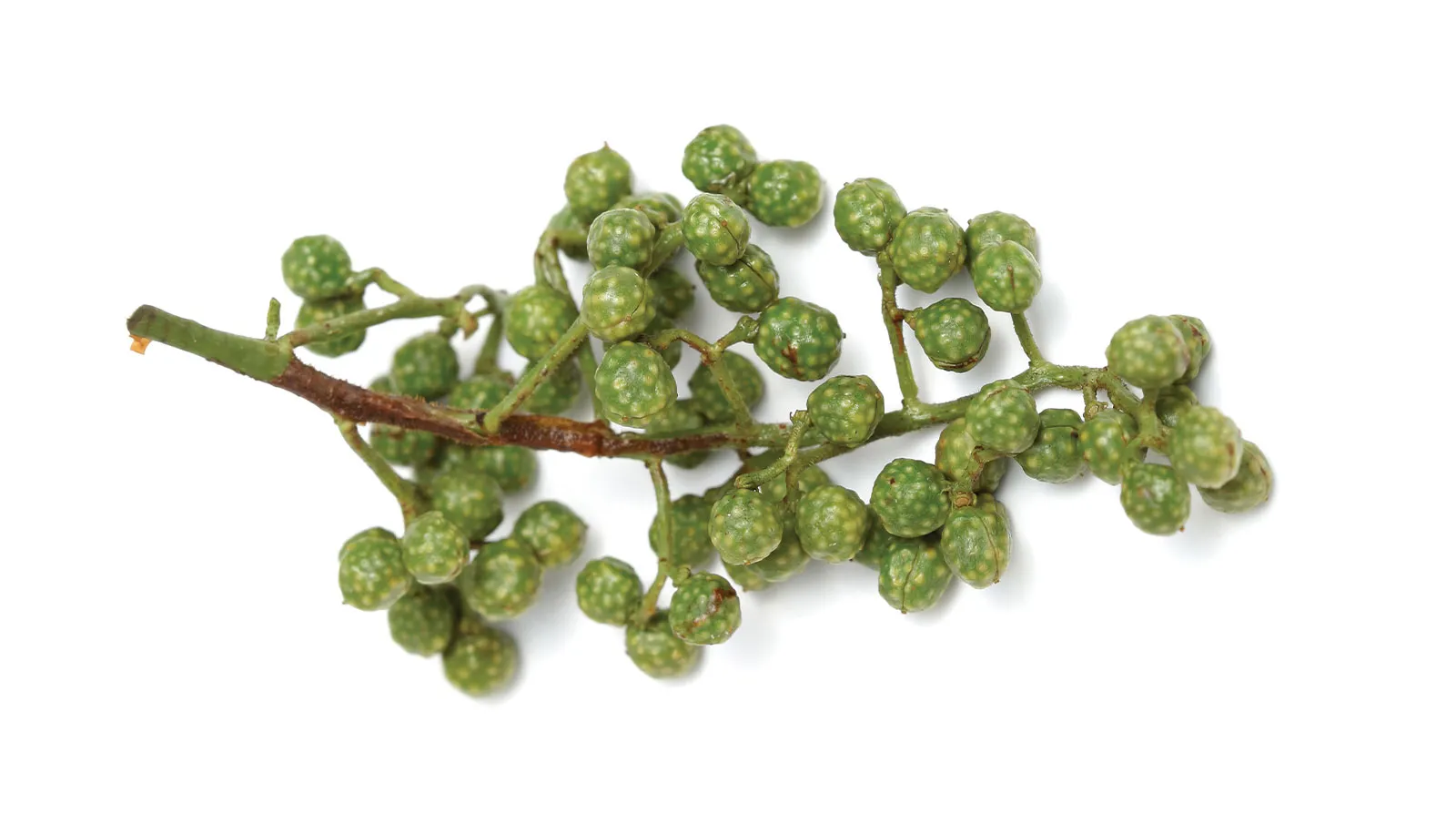
Sancho is a spice prized for its intense aroma and numbing heat. It has a citrusy fragrance with a faintly cooling bite. The unripe green berries are pickled whole, while the fully ripened red berries are pressed for oil, commonly used alongside fish to cut through any fishiness / © Shutterstock.
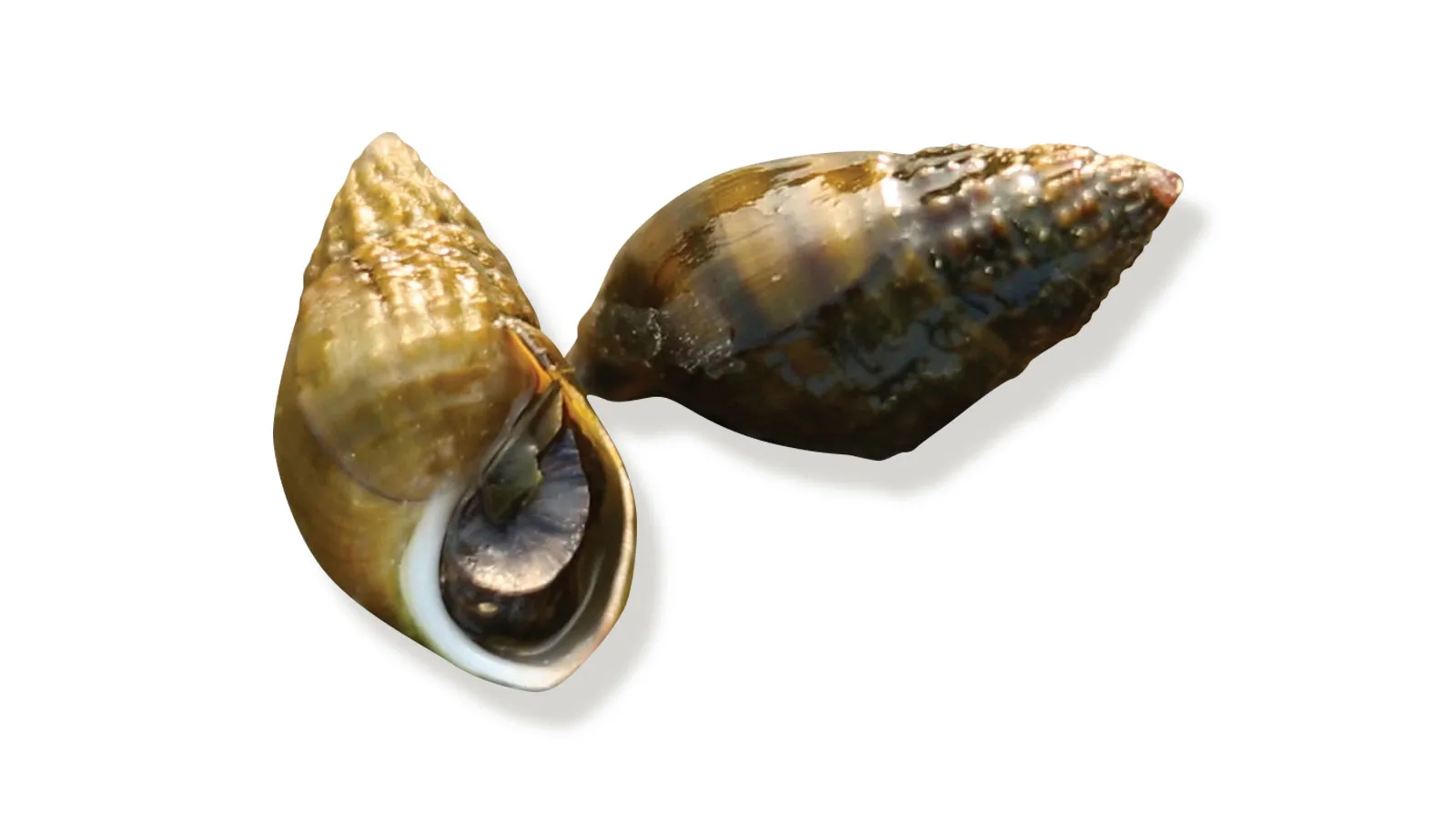
Daseulgi is distinguished by its preference for clear, clean water and is known by different names depending on the region: Olgaengi in Chungcheong-do provinces, godi in Gyeongsang-do provinces and daesari in Jeolla-do provinces. When boiled, the flesh takes on a bluish tint. The flavor is nutty with a pleasantly bitter finish. / © Gettyimages Korea.
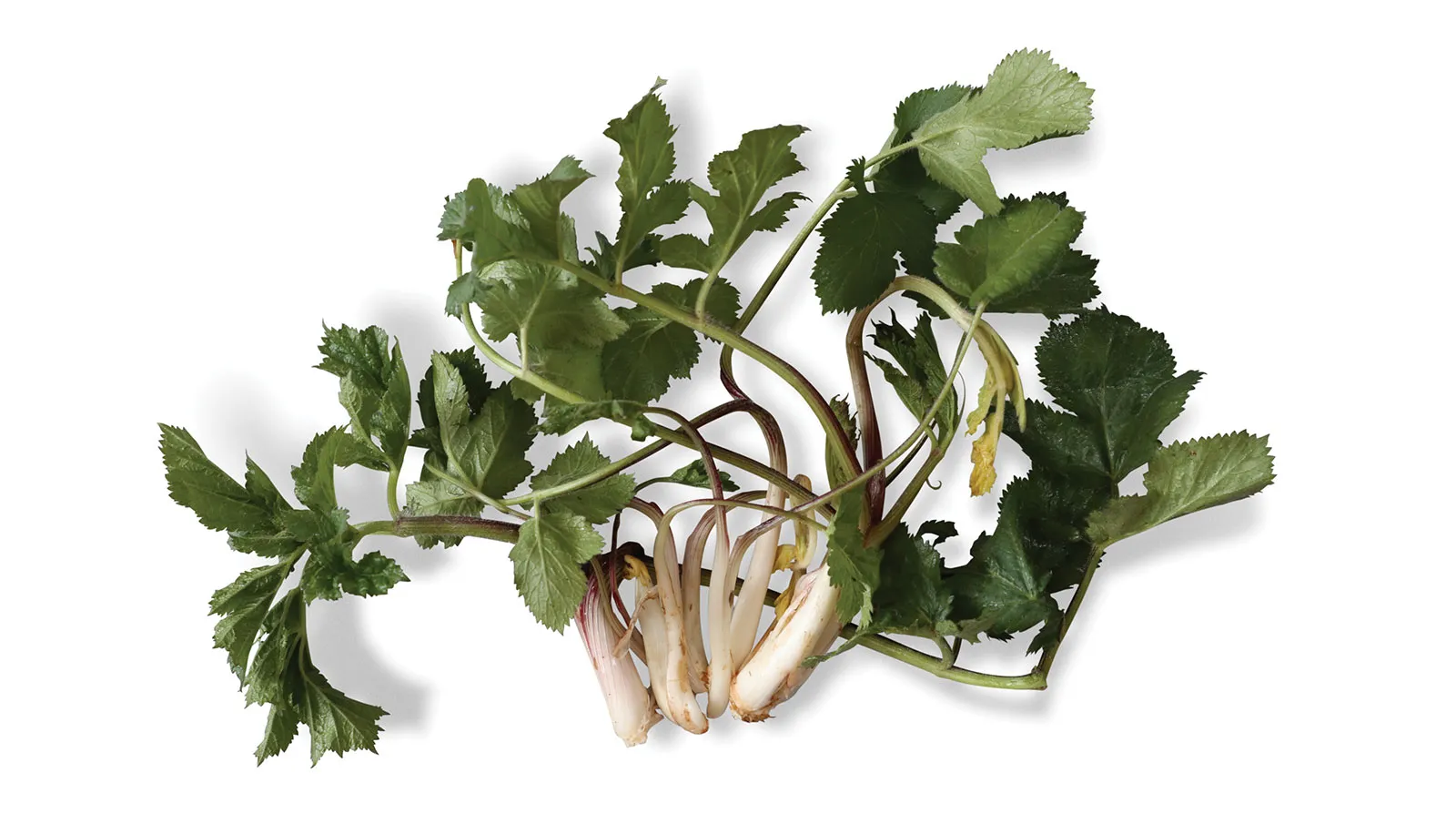
Eosuri is a plant with a rich, fragrant flavor. The young shoots are blanched and seasoned as a vegetable side dish, or used in pickles, jeon (savory pancakes) and stir-fries. Rich in various bioactive compounds, it is traditionally eaten in spring as a tonic for energy and overall health. / © Korea Forest Service.
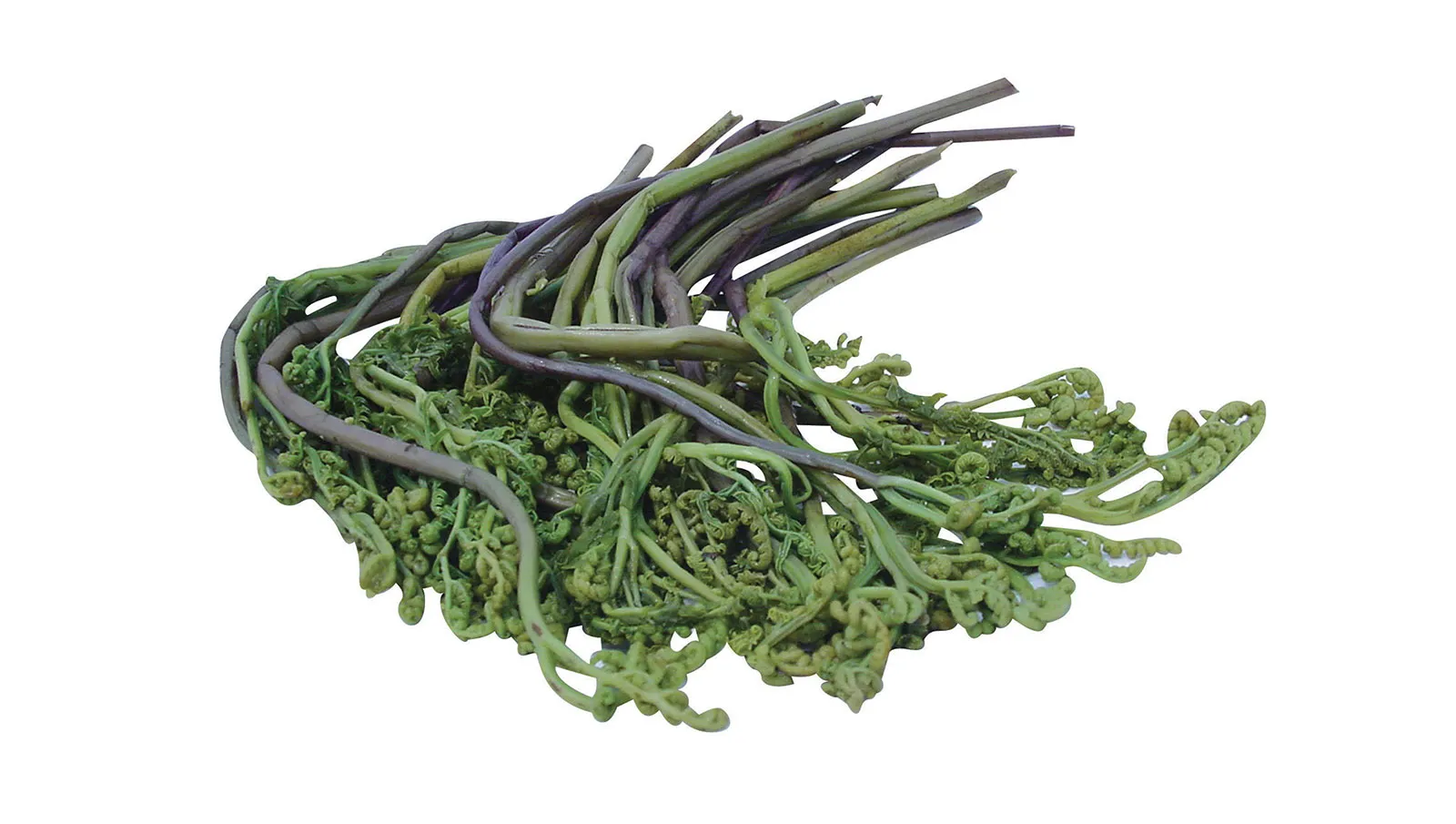
Although not explicitly mentioned in the film, gosari was one of the key side dishes served on the King’s table. While gosari is not typically recognized as edible in many cultures due to its natural toxicity, it is a staple in Korean cuisine thanks to a unique processing method that renders it safe and flavorful. / © TongRo Images Inc.

Santtalgi offers a well-balanced blend of sweetness and tartness and is commonly found growing on hillsides and in valleys across the country. It resembles the Western raspberry in appearance, but the Korean variety tends to be firmer and larger. / © TongRo Images Inc.
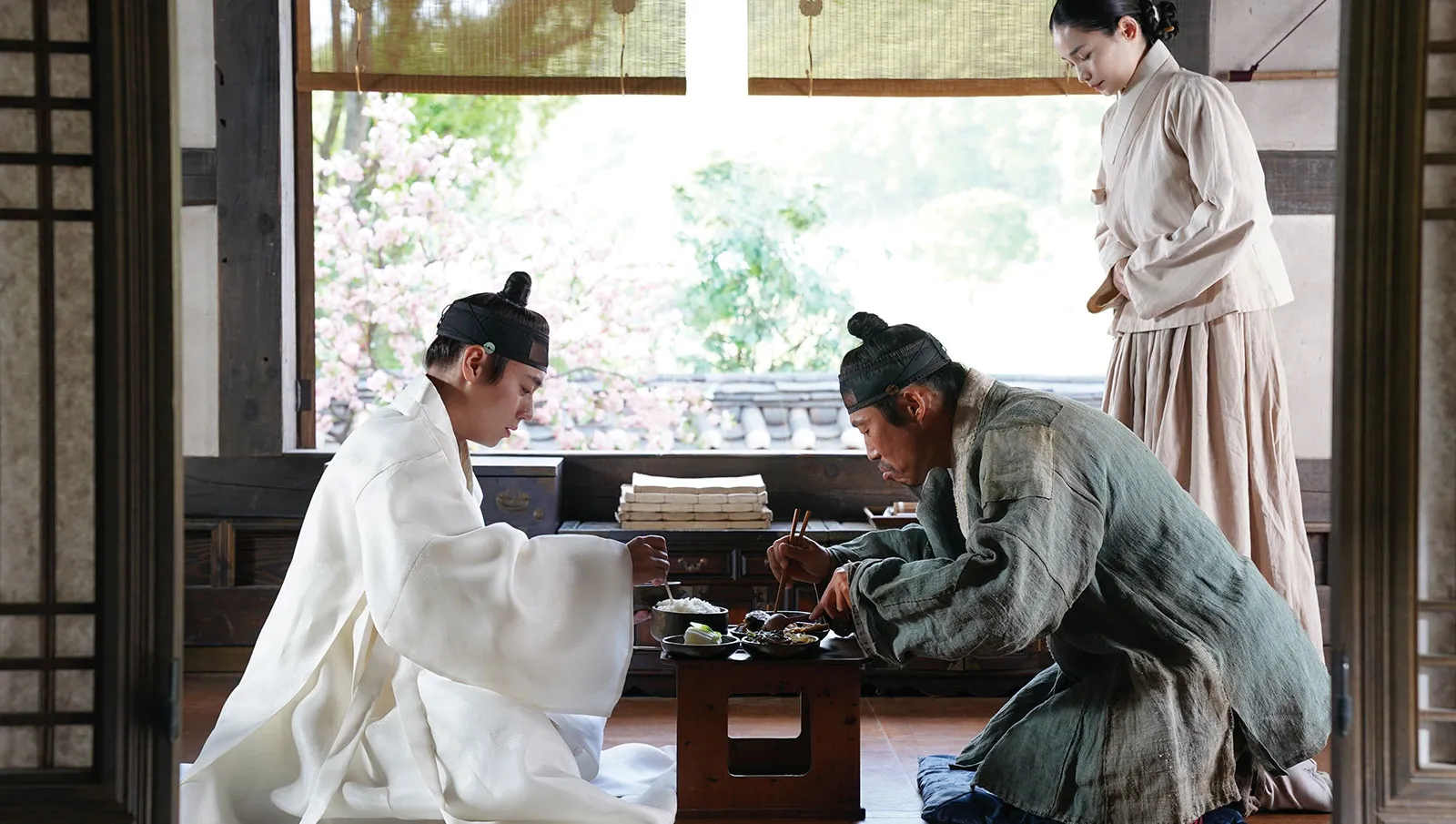
The daseulgiguk (marsh snail soup) drew particular attention. There is no historical record of what King Danjong ate or enjoyed during his exile, but Yeongwol-gun County was deep in the interior even by the standards of its time, and food would not have been plentiful. The filmmakers seem to have worked from this premise, researching traditional foods with deep roots in the region. That search led them to one of Yeongwol-gun County’s most prominent dishes: daseulgiguk.
Daseulgi is a river mollusk that lives in clear water. Found throughout Korea’s rivers, it has a pleasantly bitter, clean flavor and a satisfying chew. It was a fitting vessel for the villagers’ affection: each daseulgi, no bigger than a thumbnail, must be shelled and blanched one by one, making a bowl of the soup a small monument to time and care.
The moment King Danjong finally raises that lovingly prepared meal to his lips, audiences begin to fall fully into the story, laughing and crying alongside the characters. A kind of King Danjong pilgrimage took shape, and waiting for those who arrived, carrying the film’s lingering warmth, was another dish: eosuribap (rice with East Asian hogweed).
Eosuri doesn’t appear in “The King’s Warden,” but it is inseparable from King Danjong, and the film’s success has brought it new attention. A wild mountain green with a fragrant, full-bodied flavor and a hint of bitterness, it is at its best between April and June. A local legend adds a more poignant note: King Danjong came to love this green because its scent reminded him of the scent of Queen Jeongsun, from whom he had been so cruelly separated. This, too, however remains uncertain.
Perhaps for this reason, some restaurants list dishes featuring eosuri as “King Danjong’s table.” One beloved preparation is eosuribap, in which the greens are steamed into rice, fragrant and quietly complex. For anyone visiting Yeongwol-gun County after seeing the film, eosuribap, along with daseulgi dishes such as daseulgiguk, has become essential eating. People are traveling to where a lonely king once died, sitting down before a meal that bears his name, while remembering him centuries later.
Daseulgiguk and
Eosuribap
1 cup of boiled daseulgi meat, 3 cups of water, 1/2 tbsp of doenjang (soybean paste), 2 tbsp of gukganjang (soup soy sauce), 1 tbsp of minced garlic, 1 handful of garlic chives, salt to taste
1 handful of eosuri, 3 oak mushrooms, 2 cups of rice, 2 cups of water, 1 tbsp of salt, 1 tbsp of perilla oil, 2 tbsp of ganjang (soy sauce), 1 tbsp of sesame oil, 1 tbsp of minced green onion
- Rinse the boiled daseulgi meat in water, then transfer it to a pot. Add the doenjang, gukganjang and minced garlic, and bring to a boil.
- Slice the garlic chives and add them to the pot and adjust the seasoning with salt.
- Soak the rice and oak mushrooms separately for 30 minutes.
- Bring a pot of water to a boil and blanch the eosuri. Squeeze out the excess water, then season with salt and perilla oil. Slice the oak mushrooms.
- Combine the rice, 2 cups of the mushroom soaking liquid, eosuri and oak mushrooms in a pot. Cook over medium heat for 10 minutes, then reduce to low heat and cook for another 10 minutes. Turn off the heat and let it steam for 10 minutes.
- Mix the ganjang, sesame oil and minced green onion to make a seasoned sauce to serve alongside the rice.

- If daseulgi is unavailable, small clams such as littleneck clams or cockles can be used as a substitute. Sea snails such as whelk can also be used, though they have a firmer texture and will give the soup a more pronounced ocean flavor. Slice into bite-sized pieces before using.
- If you only have one of the two oils, perilla or sesame, either works fine on its own.
- If eosuri isn’t available, siraegi (dried radish greens) can be substituted. If using pre-boiled frozen siraegi, thaw, squeeze out the water, and cut into bite-sized pieces. If using dried, allow enough time to rehydrate fully.
- Two or three fresh chestnuts can be added alongside the oak mushrooms for extra flavor.