
I’d been wanting to try something in a big, physical genre. Volleyball felt right partly because of my own history with it—I played in high school—and partly because of the energy I remembered from watching matches with my father. But the most decisive factor was Kim Yeon Koung. Her charisma, I felt, could carry an entire show.
Prove Them Wrong
Kwon Rak-hee
Munhwa Broadcasting Corporation (MBC) Producer-director
Cover Story 2
Writer
Sung Ji Yeon
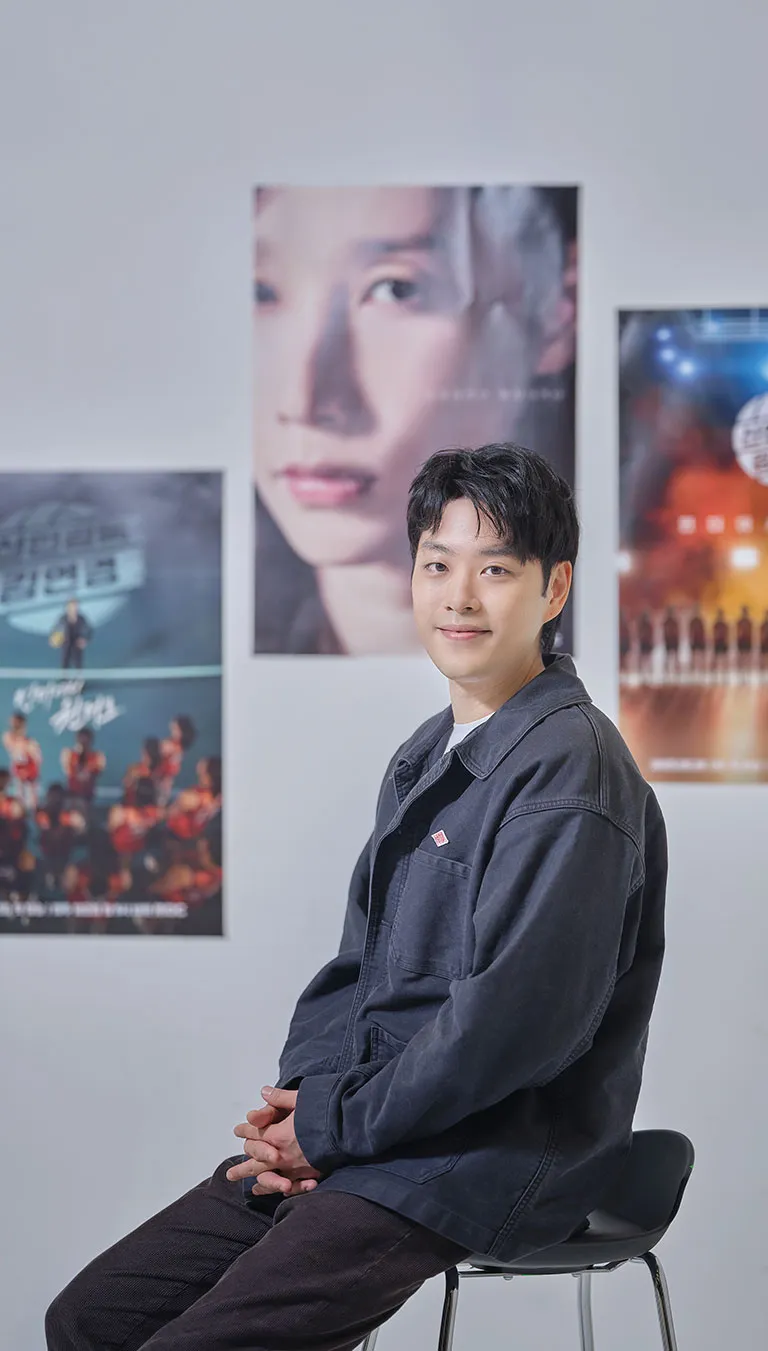
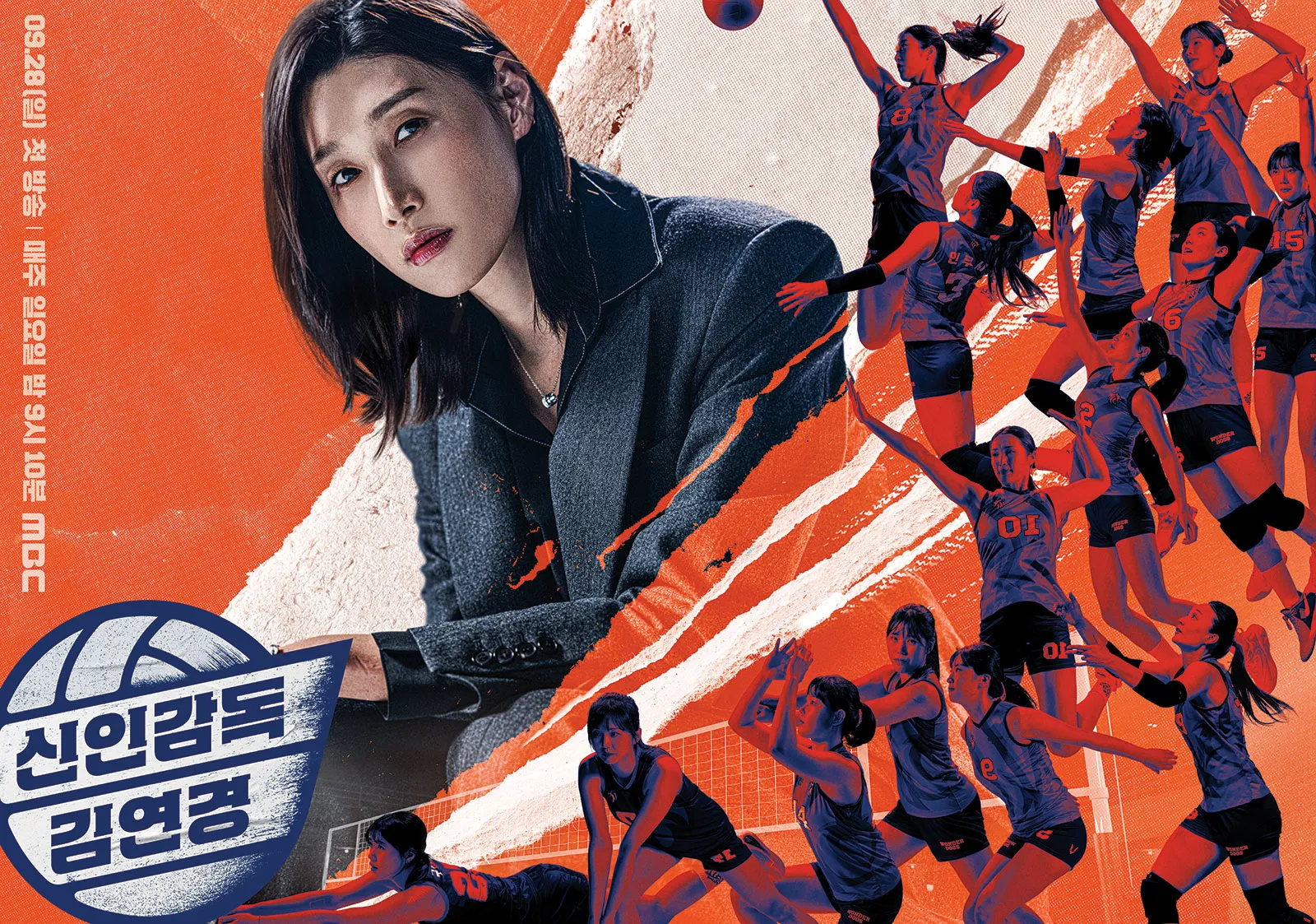
“The Wonder Coach” sent shockwaves through both Korean entertainment and sports. It was the first program to break the established formula of sports variety shows, which had long relied on the pull of celebrities and sports stars. The premise was fresh and arresting: volleyball legend Kim Yeon Koung would take the helm as coach and build a professional volleyball team from players who had never managed to find the spotlight. The stakes were brutal—lose four of seven matches and the team disbands—and what burned itself into viewers’ hearts was the raw passion of people who had everything to prove, and a feeling that even those watching had somehow become part of the “we.” We sat down with Kwon Rak-hee, the producer-director (PD) of “The Wonder Coach.”
Q.
Why did you choose volleyball of all sports?
Q.
What sets this show apart from other sports variety shows?
The title says it all—we kept the focus on the coach. This allowed the show to naturally ask a question that resonates with everyone: what does good leadership actually look like? What also set us apart were the players. As underdogs rather than famous athletes, audiences truly connected with their growth into a team. I’ve learned that viewers respond most to stories that feel real, where change and emotions build naturally. Capturing that on screen is what I’m most proud of.
Q.
There’s no precedent in Korea for a volleyball reality show. What were some difficulties you faced during production?
Without a roadmap, we put everything on the table and debated until something clicked. We studied Olympic broadcasts for camera placement and coordinated with our field camera directors on the editing flow. Sports manga inspired our composition and rhythm, while custom audio gear was built for the players’ intense movements. There was no formula—just constant trial and error and honest argument. That process at least helped us get clear on what not to do. And looking back, the lack of precedent was a kind of gift. It kept us from falling into conventions that would have made the show feel familiar.
Q.
What did you hope viewers would feel?
When you walk out of “Moneyball,” “Rocky” or “Ford v Ferrari,” something stays with you that’s hard to name. You put the soundtrack on repeat because you want to hold onto it—that sharpness, that energy, that will to fight. A film can give you something to get through the day on. I made this show hoping it might do the same thing for someone. If a viewer finishes an episode and feels a little more capable of facing whatever they’re dealing with, that’s everything I could ask for.
Q.
What impact do you think the show has had on volleyball in Korea?
Some players from the show have gone pro, which is great to hear. But the thing that really struck me was learning that games featuring one of our players, Jamiyanpurev Enkhsoyol, have been selling out. Usually it takes a dominant superstar to fill an arena. She’s not a legend, and she wasn’t a household name before the show. But the story and the character built around her brought fans through the door. Her story made her a draw. I think that has real implications for how the sports industry thinks about building its audience.
Q.
Can entertainment formats genuinely expand sports’ mainstream appeal?
Sports haven’t been packaged as mainstream content that often, so a lot of people just find them less accessible than, say, cooking, travel or music shows. The variety format can get around that, because it’s fundamentally about storytelling. A good narrative can tap into the underdog feeling most of us carry around, or explore what real leadership looks like up close. At its best, this kind of show connects one person’s experience to another’s. It’s a way of resonating across a wide range of emotions. Sports just happens to be the setting. The human element is what draws people in.
Q.
What’s next for you?
I want to find more underdogs and build them a stage. There’s something about watching someone quietly chase a goal—not making a big show of it, just grinding—that I can never look away from. You find yourself pulling for them without even deciding to. I want to put that hunger and that determination on screen in a way that does it justice.

Scan to view highlights from “The Wonder Coach.”
One Person,
Ten Thousand Smiles
Park So-young
Twinkle Cheerleader
Cover Story 2
Writer
Sung Ji Yeon
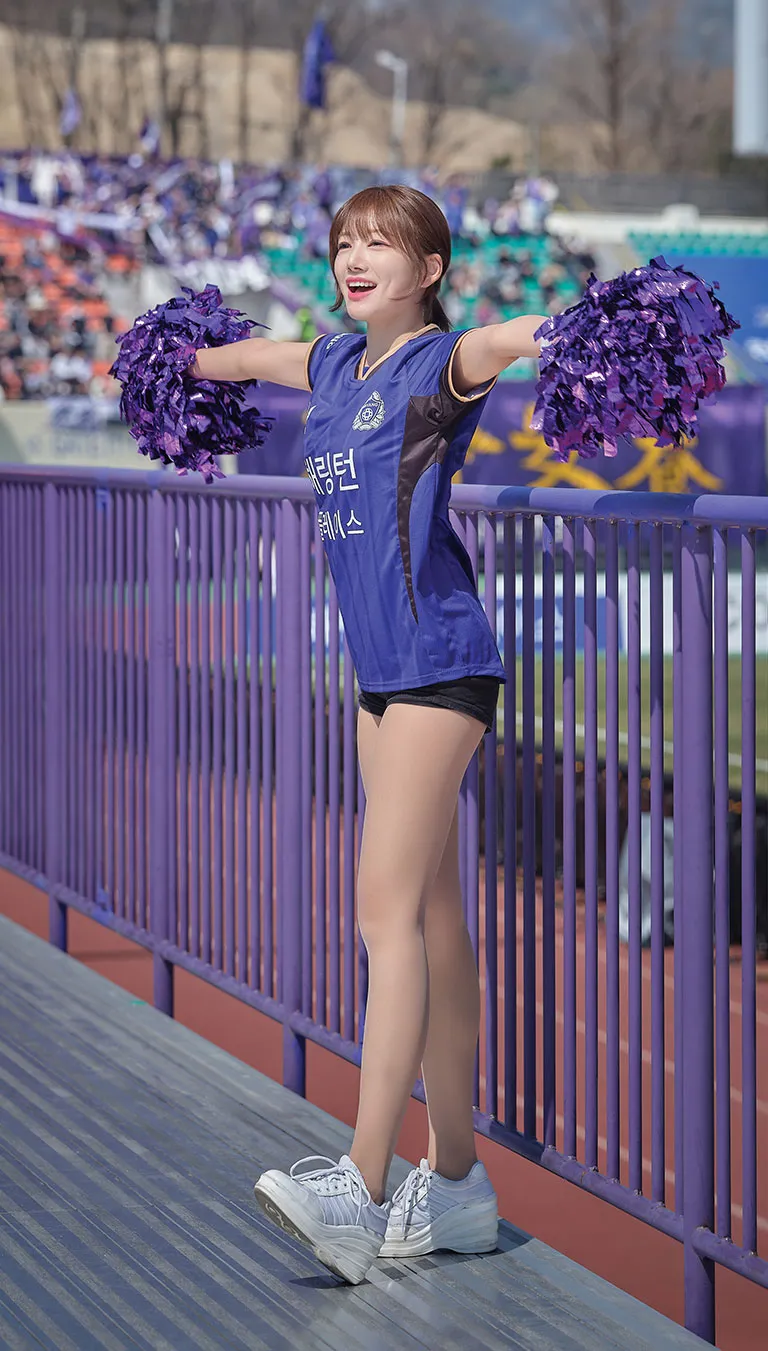
If there’s one person who can channel the energy of thousands of sports fans into a single force, it’s a cheerleader. Through dance and chants, through voice and crowd leadership, they bring the joy of cheering to spectators and a surge of energy to athletes. So what’s going through their minds when they take the field? Park So-young debuted in 2020 and now serves as cheer captain at Twinkle, a professional cheerleading agency. She takes her place in the cheer section today, as every day, with one thing on her mind: bringing happiness to every single person in the stands.
Q.
What drew you to cheerleading?
I originally wanted to be a flight attendant and actually studied business administration in college. Then an acquaintance suggested I give it a try, so I started without much knowledge or any particular goal—and once I was in it, I loved it. Through company training and getting out on the floor, I felt firsthand just how much power cheering has. That’s when it naturally clicked: “This is what I want to do for a living.” So, I became fully committed to it.
Q.
What was the hardest thing you faced when you first stepped up on the platform?
I thought I’d practiced enough, but when the game actually started and the situation kept shifting, I froze up. My mind went blank and my body wouldn’t cooperate. After that experience, I just drilled until my body could move on autopilot no matter what. Gradually I got more comfortable on the floor, my awareness expanded, and I found my footing.
Q.
What do you think stands out about Korea’s sports culture?
Korean cheering culture got attention at the Major League Baseball (MLB) World Tour Seoul Series in March 2024, didn’t it? The synchronized vocal chants, the rousing team songs, the group choreography—these are what make Korean fan culture stand out from anything else.
Q.
Do you have your own techniques for conducting the crowd?
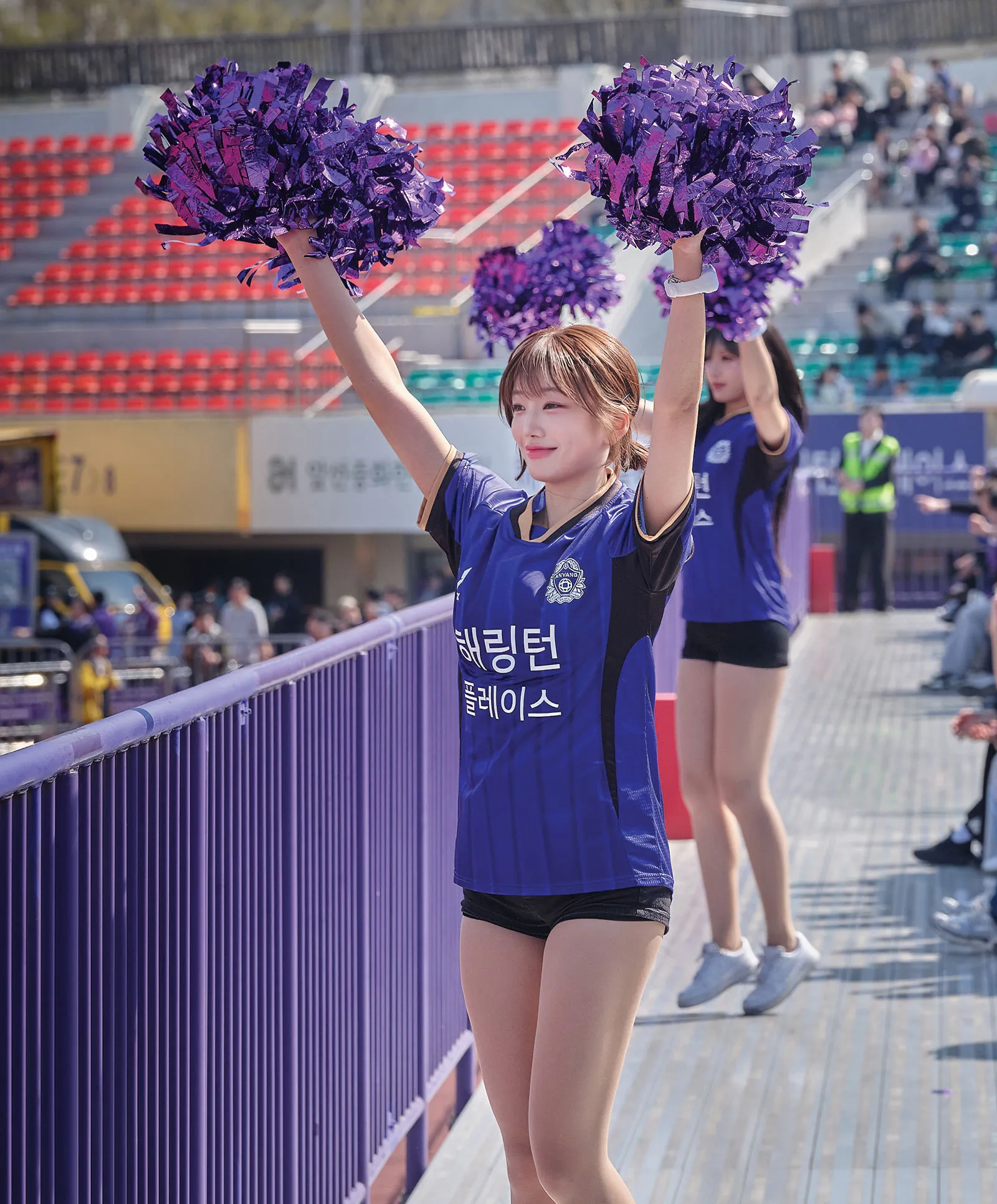
I always keep first-timers in mind when I’m leading. A lot of people at their first game don’t know the chants, or they feel self-conscious. So I try to make my movements big and precise enough to read from a distance, so anyone can follow along. With people nearby, I build a connection through greetings, eye contact, high-fives—little things that create warmth. When you lead with a genuine “I want to cheer with you” attitude, people tend to open up naturally.
Q.
You lead cheers at various sporting events. Does your approach change depending on the sport?
Definitely. The atmosphere and the fan base are different for each sport, so the strategy shifts. Baseball crowds tend to respond more to movement than to vocal cheering, while other sports lean more vocal. There are so many nuances—from subtle differences to things that are completely distinct—that it’s hard to put into words, but if you’ve ever been in those crowds yourself, you’d know exactly what I mean.
Q.
What do you see as the real value of this work?
For some people in that arena, that moment might be the first time they’ve ever been to a game—maybe the only time in their lives. I think the cheerleader’s job is to make sure that, regardless of the final score, people leave feeling that it was a great day. Knowing you can give someone else happiness—that feels genuinely good, and it’s what makes this work so meaningful to me. It’s why I think I’d choose to be a cheerleader all over again in another life. I tell the younger cheerleaders the same thing: let’s help everyone who comes through those gates shake off their stress, and do our best to fill their day with laughter and joy.
Q.
How do you want to be remembered?
I want to be a cheerleader who’s always bright and positive—someone people associate with a good time, so that walking into a venue where Park So-young is performing means you’re in for something fun. I’ll give everything I have, every moment, to make that true.

Scan to find Park’s cheerleading team.