December 2025


Amid the flood of information and options, Korea’s younger generation has come up with its own answer: embracing the joy of the moment and letting things unfold. This spirit of “random-nori,” or finding fun in unpredictability, brings a fresh spark of joy to everyday life.
Writer. Sung Ji Yeon
Illustrator. RYUGOON
Korea is currently swept up in “random-nori” culture, which celebrates unpredictable moments. Random-nori is Gen Z’s unique way of turning the process of choosing into play and transforming uncertain results into fun. This term combines “random,” meaning arbitrary, with the Korean word “nori” (놀이), meaning an activity enjoyed by many—emerging as a fresh solution for Korean Gen Z amid a daily life of constant decisions.
This attitude, which started with setting aside everyday choices like “What should I eat today?”, soon became play and eventually expanded into a consumption pattern. Brands rushed to introduce the “random” keyword across everything from basic necessities to hobbies, and Gen Z willingly opened their wallets. In an era of endless choices, experiences of surrendering to chance offered a new sense of liberation.
This trend quickly permeated the sports industry as well. Korean professional baseball, which broke the record for reaching one million spectators in the shortest time in 2025, benefited immensely from “KBO (Korea Baseball Organization) Bread.” This bread, containing randomly inserted player stickers from the 10 teams, sold one million units within three days of its convenience store launch, setting a new record. What mattered wasn’t who appeared, but the thrill of that moment opening the package—which exploded across social media.
The random keyword also showed powerful appeal in travel. Social media posts with the #random hashtag increased 200-fold compared to the previous year, with “random travel”—where Gen Z leaves their destination blank—proving overwhelmingly popular. Methods like throwing a pen at a map and going wherever it lands, or choosing randomly selected zip codes as destinations, became viral topics, interpreted as a Korean-style romance of unplanned freedom.
Four-cut photo booths also became iconic venues for Random-nori. These spaces, which instantly print four photos, originally allowed users to select their preferred frames, but as the random trend rose, “random frames” emerged as a popular service. The suspense of not knowing which of dozens of designs would appear created new excitement, naturally sparking a social media sharing frenzy that established four-cut photo booths as representative Random-nori experiences.
From KBO Bread to random travel and four-cut photo booths, Random-nori has permeated every corner of Korean Gen Z’s daily life, creating a distinctly Korean cultural landscape. Within a culture of fast pace, overflowing choices and active social media sharing, Korea’s younger generation discovered a paradoxical pleasure: willingly accepting chance and turning the process itself into play. This sensibility is not merely a passing trend but a unique cultural phenomenon visible only in Korea today—a new K-lifestyle worthy of global attention.
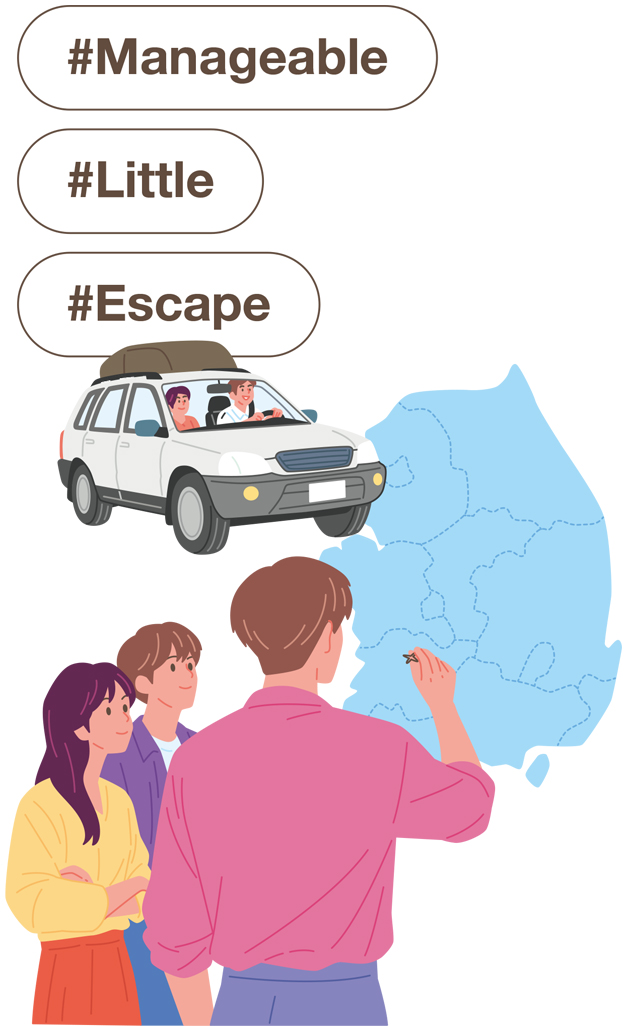
The spread of Random-nori reveals Korean Gen Z’s attitude of creatively interpreting modern society’s structural uncertainty—going beyond a simple trend. Amid fierce competition and rapidly changing environments, young people worldwide unintentionally face large and heavy uncertainties. However, rather than being overwhelmed, Korea’s younger generation created a fresh balance point by choosing “small, light uncertainties” they could control themselves. Instead of being buried in massive anxiety, they turned manageable small anxieties into play.
Random-nori, which involves lightly throwing oneself into unpredictable outcomes, paradoxically provided psychological liberation. Korean Gen Z experiences thrilling dopamine hits while awaiting trivial results like KBO Bread or random photo booth frames. The joy gained from responding to these small coincidences became their way of recalibrating daily rhythms.
The key force that popularized this trend was K-pop idol fandom culture. Random photo cards in albums combined the anticipation of not knowing which member would appear with consumption behavior, creating a new participatory culture. Sharing random results on social media, exchanging them with others, and expanding this into a sociocultural experience became the norm. As these accumulated cultural codes naturally permeated Gen Z’s everyday consumption patterns, Random-nori took flight.
Services like random boxes, random beverages and random photo booths spread throughout society. As convenience stores, cafés and brands centered on Gen Z expanded random-configuration products and events, the random keyword became both a consumption experience and play. People shared their drawn items and results on social media, comparing and enjoying each other’s experiences. The simple phrase “I got this too” began establishing itself as a new language of empathy.
When Random-nori emerged, some viewed it as merely a passing fad. But the actual impact of this trend is highly positive. Korean Gen Z has created an original culture that transforms everyday choices into enjoyment. The ongoing active use of Random-nori by brands and society at large demonstrates its influence. Directly experiencing unpredictable pleasure might just be the most vivid way to feel contemporary Korean culture.